Cease And Desist Sample Letter For Collection Agency In Tarrant
Description

Get your form ready online
Our built-in tools help you complete, sign, share, and store your documents in one place.
Make edits, fill in missing information, and update formatting in US Legal Forms—just like you would in MS Word.
Download a copy, print it, send it by email, or mail it via USPS—whatever works best for your next step.
Sign and collect signatures with our SignNow integration. Send to multiple recipients, set reminders, and more. Go Premium to unlock E-Sign.
If this form requires notarization, complete it online through a secure video call—no need to meet a notary in person or wait for an appointment.
We protect your documents and personal data by following strict security and privacy standards.

Make edits, fill in missing information, and update formatting in US Legal Forms—just like you would in MS Word.

Download a copy, print it, send it by email, or mail it via USPS—whatever works best for your next step.

Sign and collect signatures with our SignNow integration. Send to multiple recipients, set reminders, and more. Go Premium to unlock E-Sign.

If this form requires notarization, complete it online through a secure video call—no need to meet a notary in person or wait for an appointment.

We protect your documents and personal data by following strict security and privacy standards.
Looking for another form?






Form popularity
FAQ
Request cease and desist: If you believe the debt is not valid or you want the debt collector to stop contacting you, send a cease and desist letter. This legally requires them to stop contacting you except for specific purposes, such as informing you of legal action they plan to take.
Anyone can write a cease and desist letter without an attorney. You could write such a letter yourself requesting that certain actions stop. However, this kind of letter is not law (in Florida or any state), and it carries less impact when it comes from an individual versus a lawyer.
What Should You Include (and Leave Out of) a Cease and Desist Letter? Make your request in writing. Make a copy of the letter and keep it for your records. Send the letter via certified mail with a return receipt requested.
The Fair Debt Collection Practices Act lays out the rules for debt collectors and states that if the creditor is told to stop contacting the debtor, they must comply. If the harassing calls and letters persist, a cease and desist letter can be sent by an attorney to formally advise the creditor to stop violating the de.
"This debt belongs to me." You should never acknowledge ownership of a debt during initial contact with a collector. While it may seem like a valid debt, it's important to verify that the debt is actually yours and that the debt is still legally collectible.
anddesist letter in Texas criminal law is a written warning from an individual or legal entity informing another party that their behavior is illegal and they must stop it immediately.
Importance of Responding to Cease and Desist Letters It's a risk that can result in: Escalation to Litigation: If the issue isn't resolved amicably, the sender may file a lawsuit, leading to costly and time-consuming legal battles.
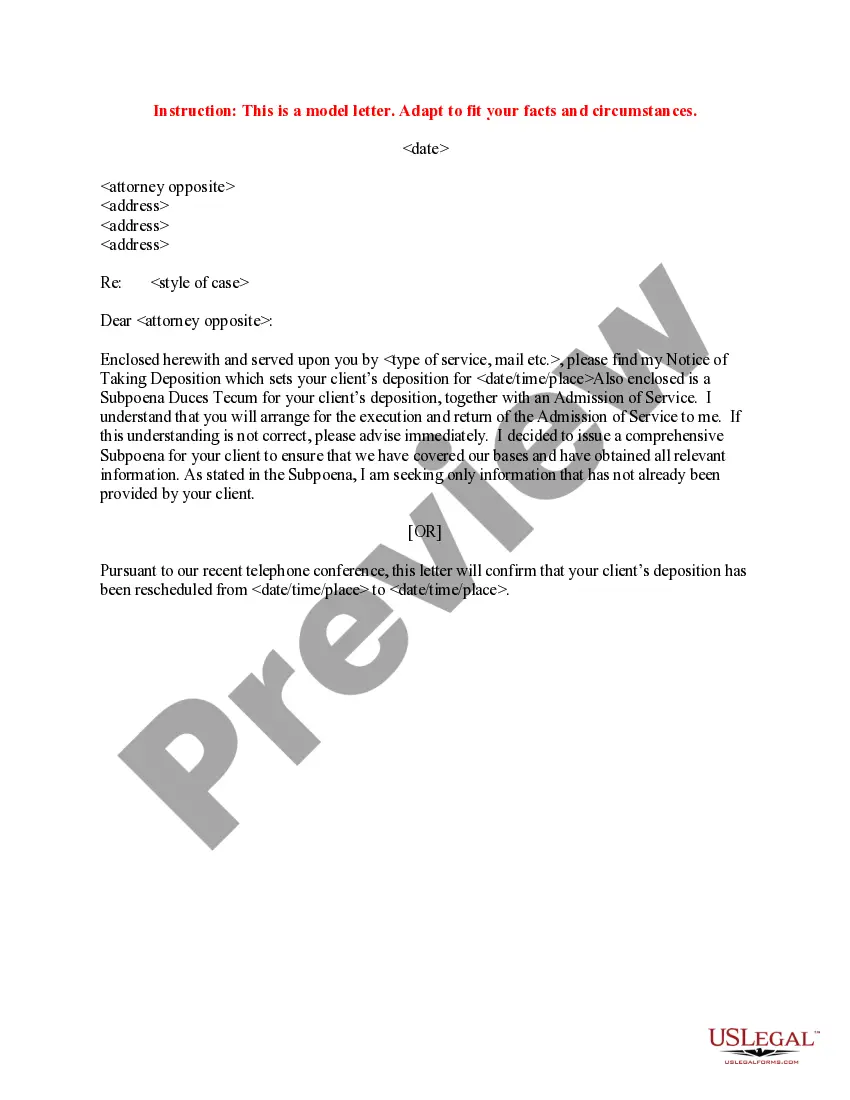
A cease and desist letter is a formal written request that tells a debt collector to stop contacting you. It is your right under the Fair Debt Collection Practices Act (FDCPA) to limit how debt collectors can communicate with you.
Receiving a cease and desist letter is a serious issue. It indicates the sender's intention to pursue you for the alleged wrongdoing if you do not follow their demands. Receiving a cease and desist letter does not necessarily mean you will end up in Court.
A cease and desist letter usually alleges some illegal conduct such as defamation, and threatens a lawsuit if you do not cease and desist. If you received such a letter written by an actual attorney, the risk is that if you continue, you might get sued.

