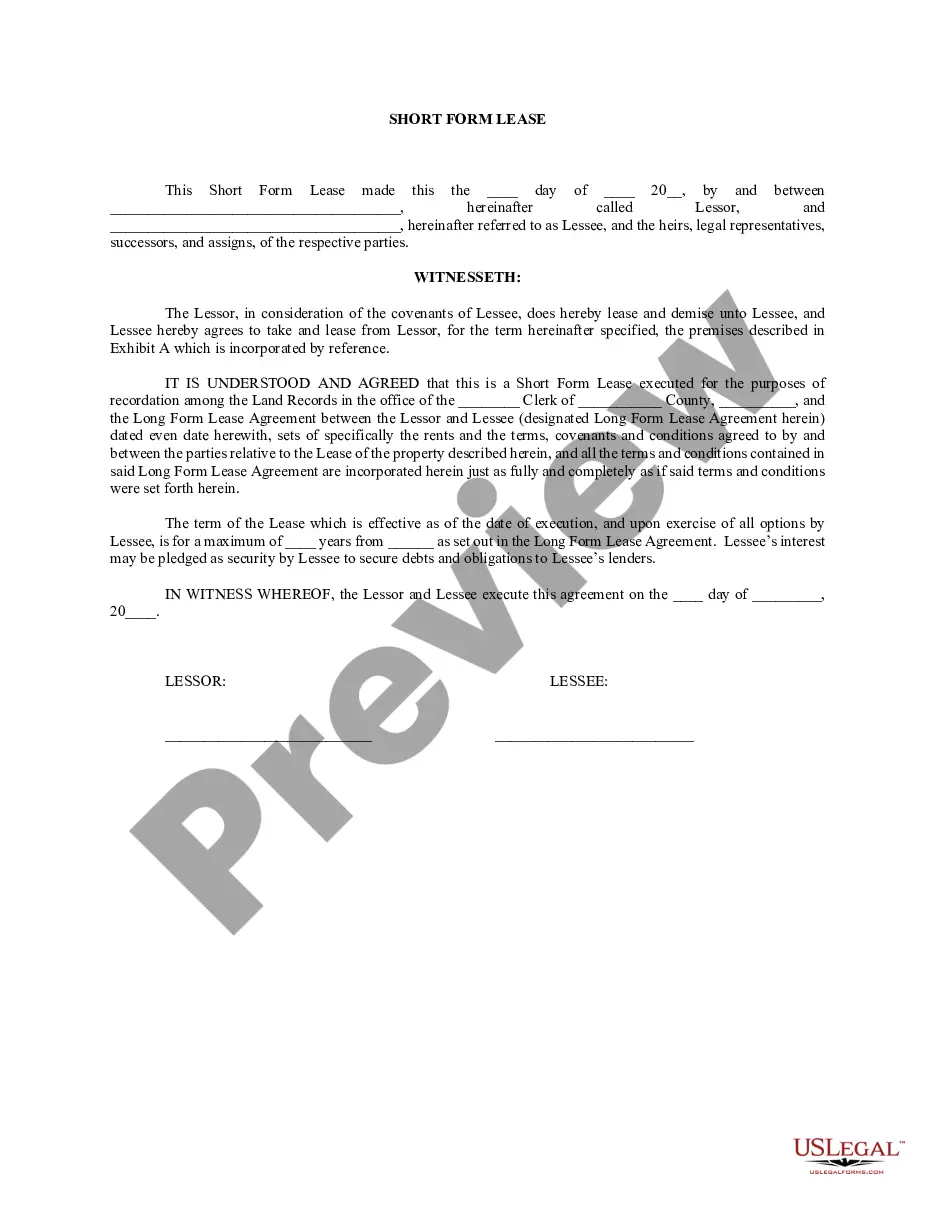
Lawsuit For Libel And Slander In Pennsylvania
Description

Get your form ready online
Our built-in tools help you complete, sign, share, and store your documents in one place.
Make edits, fill in missing information, and update formatting in US Legal Forms—just like you would in MS Word.
Download a copy, print it, send it by email, or mail it via USPS—whatever works best for your next step.
Sign and collect signatures with our SignNow integration. Send to multiple recipients, set reminders, and more. Go Premium to unlock E-Sign.
If this form requires notarization, complete it online through a secure video call—no need to meet a notary in person or wait for an appointment.
We protect your documents and personal data by following strict security and privacy standards.

Make edits, fill in missing information, and update formatting in US Legal Forms—just like you would in MS Word.

Download a copy, print it, send it by email, or mail it via USPS—whatever works best for your next step.

Sign and collect signatures with our SignNow integration. Send to multiple recipients, set reminders, and more. Go Premium to unlock E-Sign.

If this form requires notarization, complete it online through a secure video call—no need to meet a notary in person or wait for an appointment.

We protect your documents and personal data by following strict security and privacy standards.
Looking for another form?





Form popularity
FAQ
To prove prima facie defamation, a plaintiff must show four things: 1) a false statement purporting to be fact; 2) publication or communication of that statement to a third person; 3) fault amounting to at least negligence ; and 4) damages , or some harm caused to the reputation of the person or entity who is the ...
Understand Pennsylvania's Defamation Law The key elements a plaintiff must prove include: False Statement: The statement in question must be untrue. Truth is a complete defense to defamation claims. Publication: The statement must have been communicated to a third party.
The most common defenses to defamation are: 1) truth; 2) consent; 3) privilege; and 4) the statute of limitations. Perhaps the most distinct aspect of the defamation cause of action is that falsity is required. In other words, the statement publicized about the plaintiff must be false in order to prove defamation.
Libel and slander are methods of defamation. Libel is defamation in written form. Slander is defamation that is spoken out loud.
--In an action for defamation, the plaintiff has the burden of proving, when the issue is properly raised: (1) The defamatory character of the communication. (2) Its publication by the defendant. (3) Its application to the plaintiff.
If you believe you have been defamed in Pennsylvania, you must act quickly. The state imposes a one-year statute of limitations on defamation claims. This means you have one year from the date the defamatory statement was made to file a lawsuit. After this period, you may be barred from pursuing legal action.
Address It Directly: If appropriate, consider confronting the person spreading the slander. Approach them calmly and express how their words have affected you. Sometimes, a direct conversation can resolve misunderstandings. Seek Support: Talk to trusted friends, family, or colleagues about the situation.
Generally speaking, in Pennsylvania, there is a two-year statute of limitations that applies to any civil action in which an individual seeks to recover damages for personal injuries, or for the death of an individual, caused by the wrongful act or negligence of another person.
Twenty year limitation. (a) Execution against personal property. --An execution against personal property must be issued within 20 years after the entry of the judgment upon which the execution is to be issued.
Civil Statutes of Limitations in Pennsylvania Injury to PersonTwo years (Pa. C.S. . 42 § 5524(1)) Libel/Slander One year (Pa. C.S. . 42 § 5523(1)) Fraud Two years (Pa. C.S. . 42 § 5524(7)) Injury to Personal Property Two years (Pa. C.S. . 42 § 5524(3)) Professional Malpractice Two years (Pa. C.S. . 42 § 5524(7))5 more rows