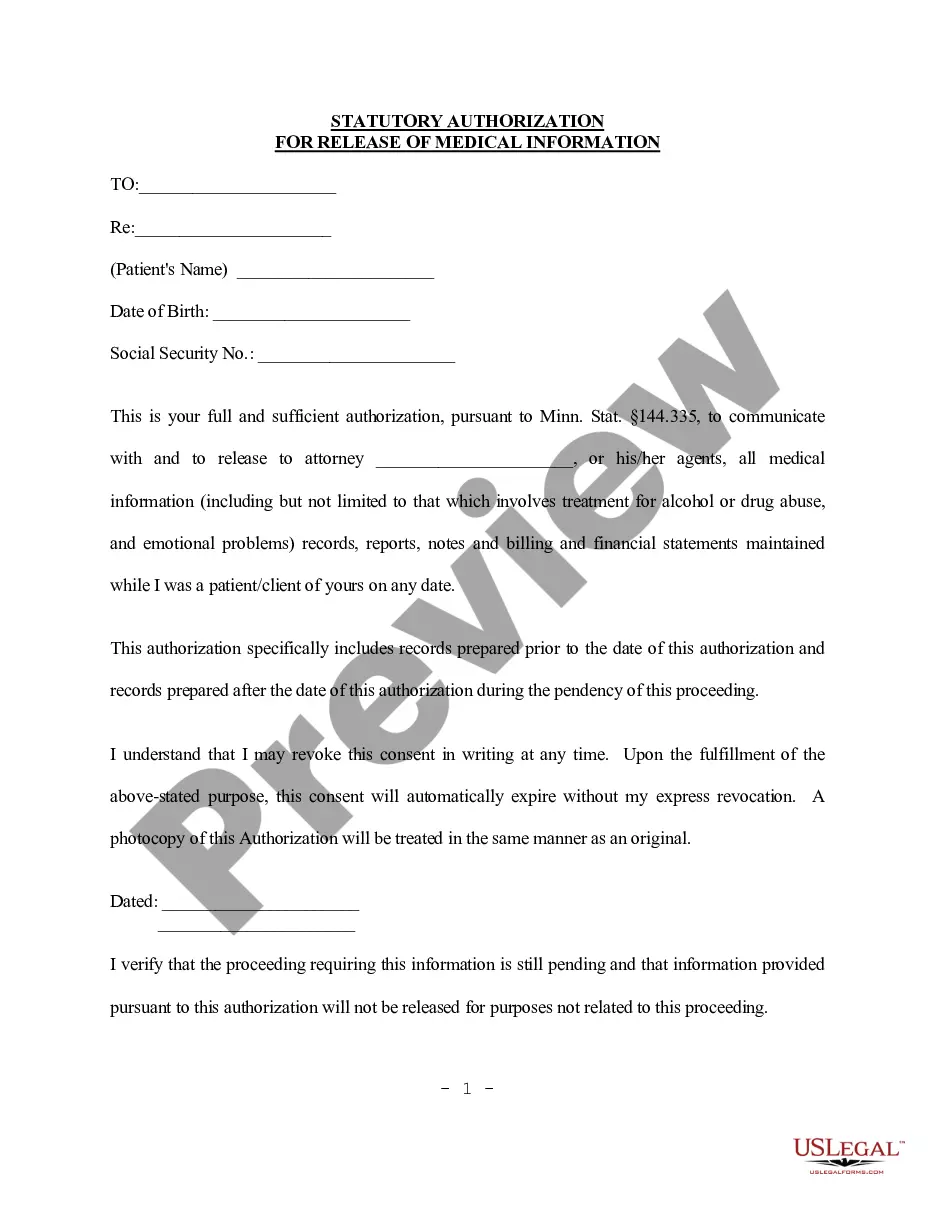
Defamation Through Social Media Without Consent In North Carolina
Description

Get your form ready online
Our built-in tools help you complete, sign, share, and store your documents in one place.
Make edits, fill in missing information, and update formatting in US Legal Forms—just like you would in MS Word.
Download a copy, print it, send it by email, or mail it via USPS—whatever works best for your next step.
Sign and collect signatures with our SignNow integration. Send to multiple recipients, set reminders, and more. Go Premium to unlock E-Sign.
If this form requires notarization, complete it online through a secure video call—no need to meet a notary in person or wait for an appointment.
We protect your documents and personal data by following strict security and privacy standards.

Make edits, fill in missing information, and update formatting in US Legal Forms—just like you would in MS Word.

Download a copy, print it, send it by email, or mail it via USPS—whatever works best for your next step.

Sign and collect signatures with our SignNow integration. Send to multiple recipients, set reminders, and more. Go Premium to unlock E-Sign.

If this form requires notarization, complete it online through a secure video call—no need to meet a notary in person or wait for an appointment.

We protect your documents and personal data by following strict security and privacy standards.
Looking for another form?



Form popularity
FAQ
In general, pursuing a defamation lawsuit may be worthwhile if: The defamatory statement(s) are demonstrably false and have caused significant harm to your reputation or career. You have strong evidence to support your claim. The potential damages are substantial enough to justify the costs and risks of litigation.
Under North Carolina defamation law, a statement is considered inherently libelous if it: Maintains that an individual is guilty of a crime; Claims that an individual has an infectious disease; Attempts to discredit a person in their profession or industry; or.
In states with criminal defamation laws, maximum jail sentences typically range from 6 months to 1 year. However, actual jail sentences are extremely rare and usually reserved for the most egregious cases involving repeated or particularly harmful false statements.
Slander is a civil offense, not typically a criminal one. That means you won't see someone go to jail for slander, but you can sue them in civil court for monetary damages. In rare cases, particularly when slander leads to violence or significant harm, criminal charges may apply, but this is uncommon in the U.S.
Itself is not typically punished with jail. Time. So to answer your question while it's highlyMoreItself is not typically punished with jail. Time. So to answer your question while it's highly unlikely you'll go to jail solely for defamation of character there are are specific circumstances.
To prove prima facie defamation, a plaintiff must show four things: 1) a false statement purporting to be fact; 2) publication or communication of that statement to a third person; 3) fault amounting to at least negligence ; and 4) damages , or some harm caused to the reputation of the person or entity who is the ...
Social media defamation can take various forms, including: Text Posts: False statements made in posts or comments. Images and Videos: Defamatory content can be conveyed through manipulated images or videos. Reviews and Ratings: False negative reviews on platforms like Google, Yelp, or Facebook.
A person who wishes to take legal action for defamation must be able to prove that they have suffered, or could suffer, 'serious harm'. If a corporation is suing for defamation, it needs to prove that it has suffered 'serious financial loss' as a result of the publication of the allegedly defamatory matter.
To prove prima facie defamation, a plaintiff must show four things: 1) a false statement purporting to be fact; 2) publication or communication of that statement to a third person; 3) fault amounting to at least negligence ; and 4) damages , or some harm caused to the reputation of the person or entity who is the ...
The Act abolishes the distinction between libel and slander and the action for defamation may be brought without proof of special damage. There are three traditional elements to the cause of action that the plaintiff must establish, namely publication, identification and defamatory meaning.
