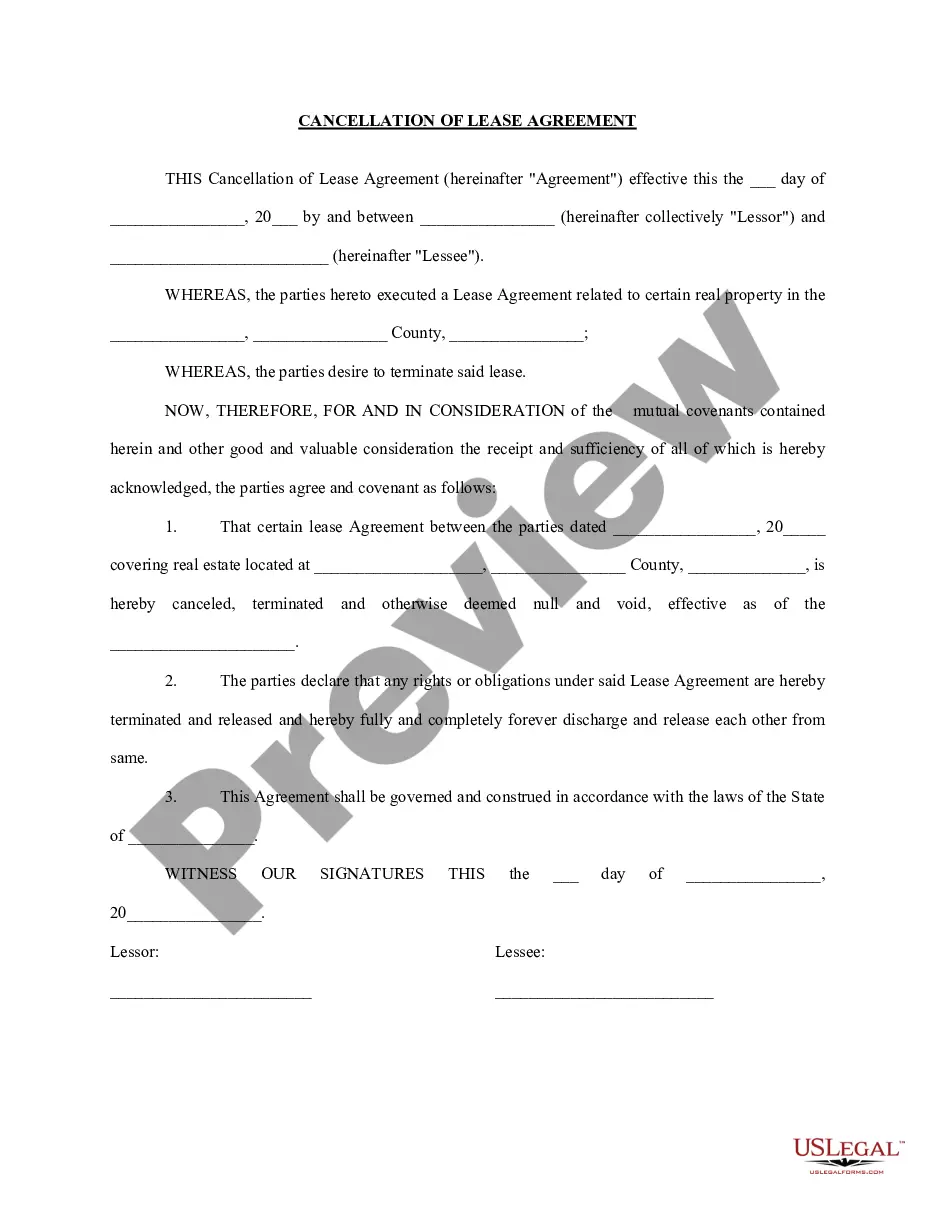
Defamation Character Form For Court In Kings
Description

Get your form ready online
Our built-in tools help you complete, sign, share, and store your documents in one place.
Make edits, fill in missing information, and update formatting in US Legal Forms—just like you would in MS Word.
Download a copy, print it, send it by email, or mail it via USPS—whatever works best for your next step.
Sign and collect signatures with our SignNow integration. Send to multiple recipients, set reminders, and more. Go Premium to unlock E-Sign.
If this form requires notarization, complete it online through a secure video call—no need to meet a notary in person or wait for an appointment.
We protect your documents and personal data by following strict security and privacy standards.

Make edits, fill in missing information, and update formatting in US Legal Forms—just like you would in MS Word.

Download a copy, print it, send it by email, or mail it via USPS—whatever works best for your next step.

Sign and collect signatures with our SignNow integration. Send to multiple recipients, set reminders, and more. Go Premium to unlock E-Sign.

If this form requires notarization, complete it online through a secure video call—no need to meet a notary in person or wait for an appointment.

We protect your documents and personal data by following strict security and privacy standards.
Looking for another form?



Form popularity
FAQ
The first step to making a defamation claim is to draft and issue a Letter of Claim, setting out information such as the basis of the claim and what remedies the claimant is seeking. In setting out details of the claim, the claimant should include information such as: What publication contains the defamatory statements.
VMalicious defamatory Libel, by Imprisonment or Fine. And be it enacted, That if any Person shall maliciously publish any defamatory Libel, every such Person, being convicted thereof, shall be liable to Fine or Imprisonment or both, as the Court may award, such Imprisonment not to exceed the Term of One Year.
What Are The 5 Elements Of Defamation? Publication Of Information Is Required. The Person Being Defamed Was Identified By The Statement. The Remarks Had A Negative Impact On The Person's Reputation. The Published Information Is Demonstrably False. The Defendant Is At Fault.
The Act changed existing criteria for a successful claim, by requiring claimants to show actual or probable serious harm (which, in the case of for-profit bodies, is restricted to serious financial loss), before suing for defamation in England or Wales, setting limits on geographical relevance, removing the previous ...
Cases are usually heard by a High Court Judge in the Royal Courts of Justice or a Circuit Judge outside London. There may also be a jury if your case involves libel, defamation or slander. Both sides will have the chance to: make opening and closing statements.
Libel is defamation in a permanent form (e.g. written), slander is temporary (e.g. spoken). With some exceptions, it is normally necessary to prove actual loss to bring a slander claim, whereas in libel claims you will normally automatically be entitled to compensation (provided that the 'serious harm' test is met).
And be it enacted, That if any Person shall maliciously publish any defamatory Libel, every such Person, being convicted thereof, shall be liable to Fine or Imprisonment or both, as the Court may award, such Imprisonment not to exceed the Term of One Year.