Slanderous For Honor In Illinois
Description

Get your form ready online
Our built-in tools help you complete, sign, share, and store your documents in one place.
Make edits, fill in missing information, and update formatting in US Legal Forms—just like you would in MS Word.
Download a copy, print it, send it by email, or mail it via USPS—whatever works best for your next step.
Sign and collect signatures with our SignNow integration. Send to multiple recipients, set reminders, and more. Go Premium to unlock E-Sign.
If this form requires notarization, complete it online through a secure video call—no need to meet a notary in person or wait for an appointment.
We protect your documents and personal data by following strict security and privacy standards.

Make edits, fill in missing information, and update formatting in US Legal Forms—just like you would in MS Word.

Download a copy, print it, send it by email, or mail it via USPS—whatever works best for your next step.

Sign and collect signatures with our SignNow integration. Send to multiple recipients, set reminders, and more. Go Premium to unlock E-Sign.

If this form requires notarization, complete it online through a secure video call—no need to meet a notary in person or wait for an appointment.

We protect your documents and personal data by following strict security and privacy standards.
Looking for another form?
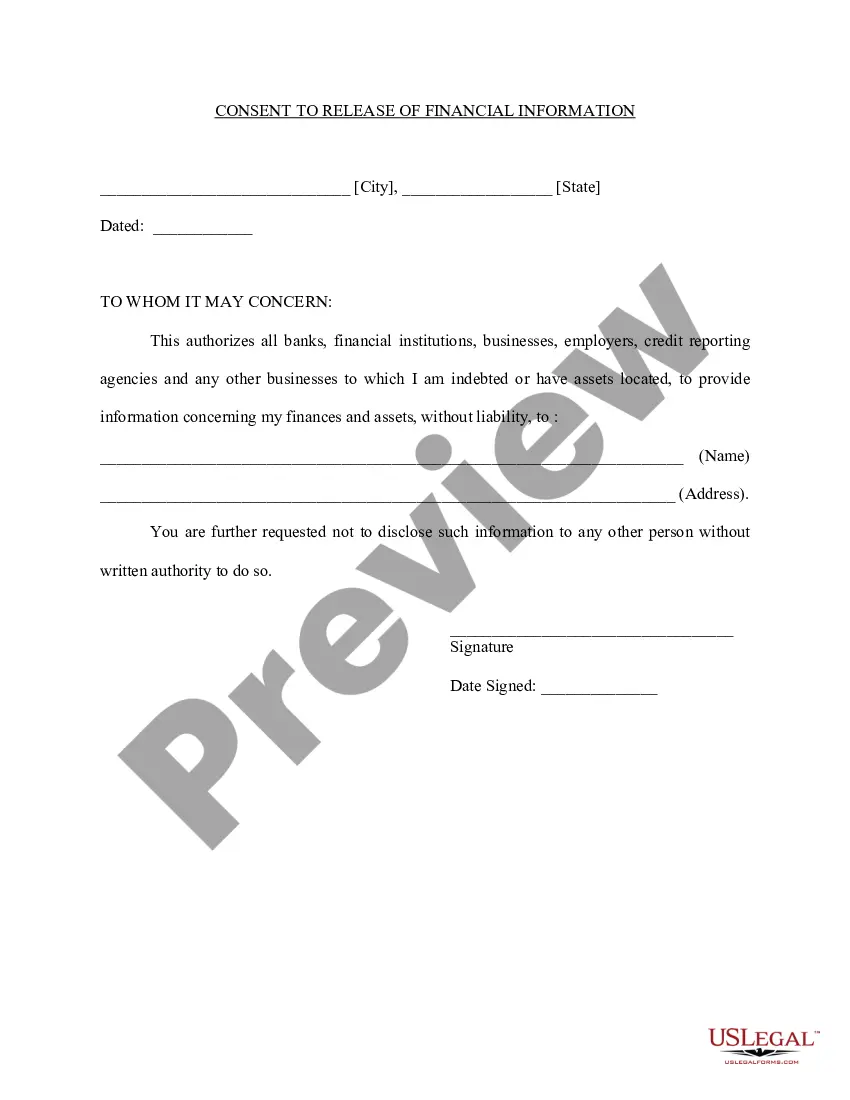








Form popularity
FAQ
First Exception. —Imputation of truth which public good requires to be made or published. —It is not defamation to impute anything which is true concerning any person, if it be for the public good that the imputation should be made or published. Whether or not it is for the public good is a question of fact.
In Illinois, a defamation claim generally has three elements that the plaintiff the must prove in order to recover: (1) a false statement about the plaintiff; (2) made to a third party (also known as publication); (3) that harms the plaintiff's reputation.
In Hardiman v. Aslam, 2019 IL App (1st) 173196, the court stated: “to prove defamation, a plaintiff must show that the defendant made a false statement about the plaintiff, there was an unprivileged publication to a third party by the defendant, and the statement damaged the plaintiff.” ¶4.
Under Illinois law, the elements of a defamation claim are: (1) a false statement about the plaintiff (2) made to a third party (sometimes referred to by courts as publication) (3) that harms the plaintiff's reputation.
It is possible for someone to record a document against your property with bad intent. Illinois courts may consider this a “slander” of your property's title and award monetary damages. Slander of title generally occurs when someone maliciously records a false document against your property's title.
Address It Directly: If appropriate, consider confronting the person spreading the slander. Approach them calmly and express how their words have affected you. Sometimes, a direct conversation can resolve misunderstandings. Seek Support: Talk to trusted friends, family, or colleagues about the situation.
Under Illinois law, you may have a claim for defamation if you can prove that someone made a false statement about you. If you win, you may be entitled to economic and punitive damages. The law of defamation, however, is complicated and there are numerous defenses to defamation claims.
Illinois courts have recognized four categories of statements that are considered defamatory per se: (1) words that impute the commission of a crime; (2) words that impute infection with a loathsome communicable disease; (3) words that impute an inability to perform or a want of integrity in the discharge of duties of ...
In Illinois, a defamation claim generally has three elements that the plaintiff the must prove in order to recover: (1) a false statement about the plaintiff; (2) made to a third party (also known as publication); (3) that harms the plaintiff's reputation.
Criminal Offenses with No Statute of Limitations Examples of these crimes include first-degree , sexual assault, sexual exploitation of a disabled person, fraud, theft of public funds, and sexual abuse involving minors.

