Libel For Business In Clark
Description

Get your form ready online
Our built-in tools help you complete, sign, share, and store your documents in one place.
Make edits, fill in missing information, and update formatting in US Legal Forms—just like you would in MS Word.
Download a copy, print it, send it by email, or mail it via USPS—whatever works best for your next step.
Sign and collect signatures with our SignNow integration. Send to multiple recipients, set reminders, and more. Go Premium to unlock E-Sign.
If this form requires notarization, complete it online through a secure video call—no need to meet a notary in person or wait for an appointment.
We protect your documents and personal data by following strict security and privacy standards.

Make edits, fill in missing information, and update formatting in US Legal Forms—just like you would in MS Word.

Download a copy, print it, send it by email, or mail it via USPS—whatever works best for your next step.

Sign and collect signatures with our SignNow integration. Send to multiple recipients, set reminders, and more. Go Premium to unlock E-Sign.

If this form requires notarization, complete it online through a secure video call—no need to meet a notary in person or wait for an appointment.

We protect your documents and personal data by following strict security and privacy standards.
Looking for another form?




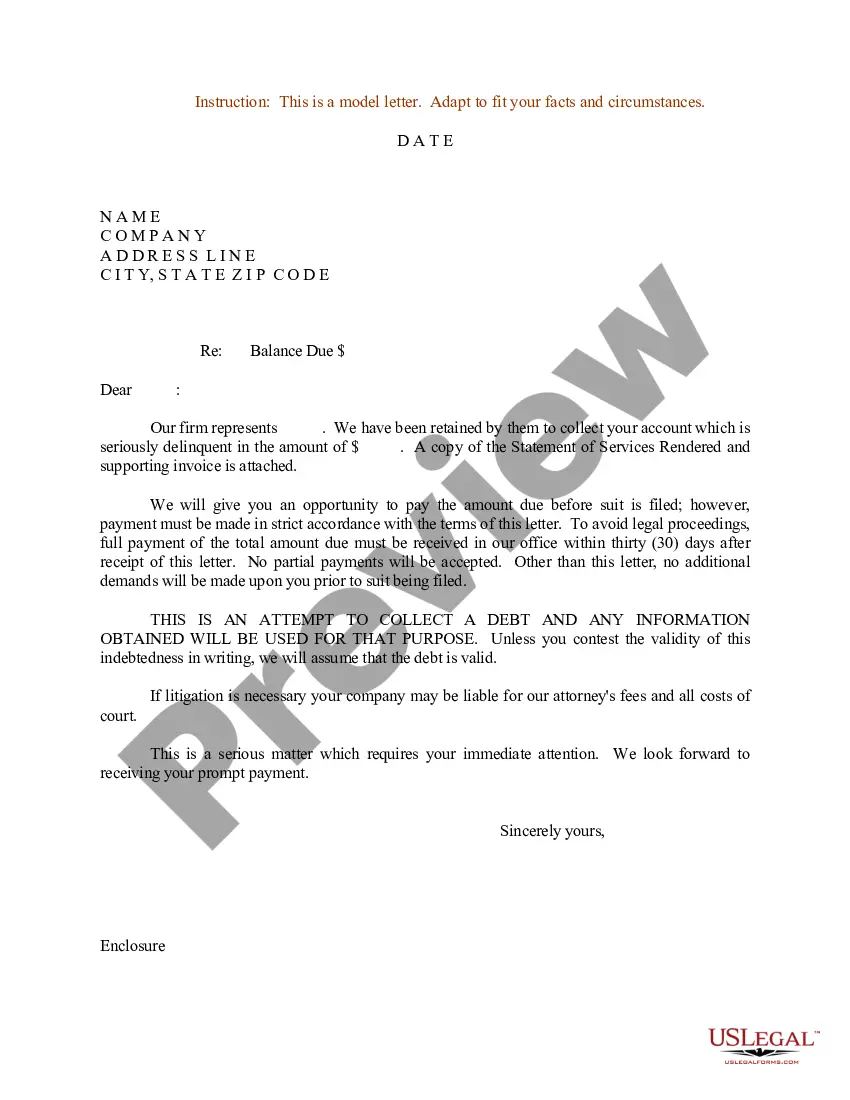
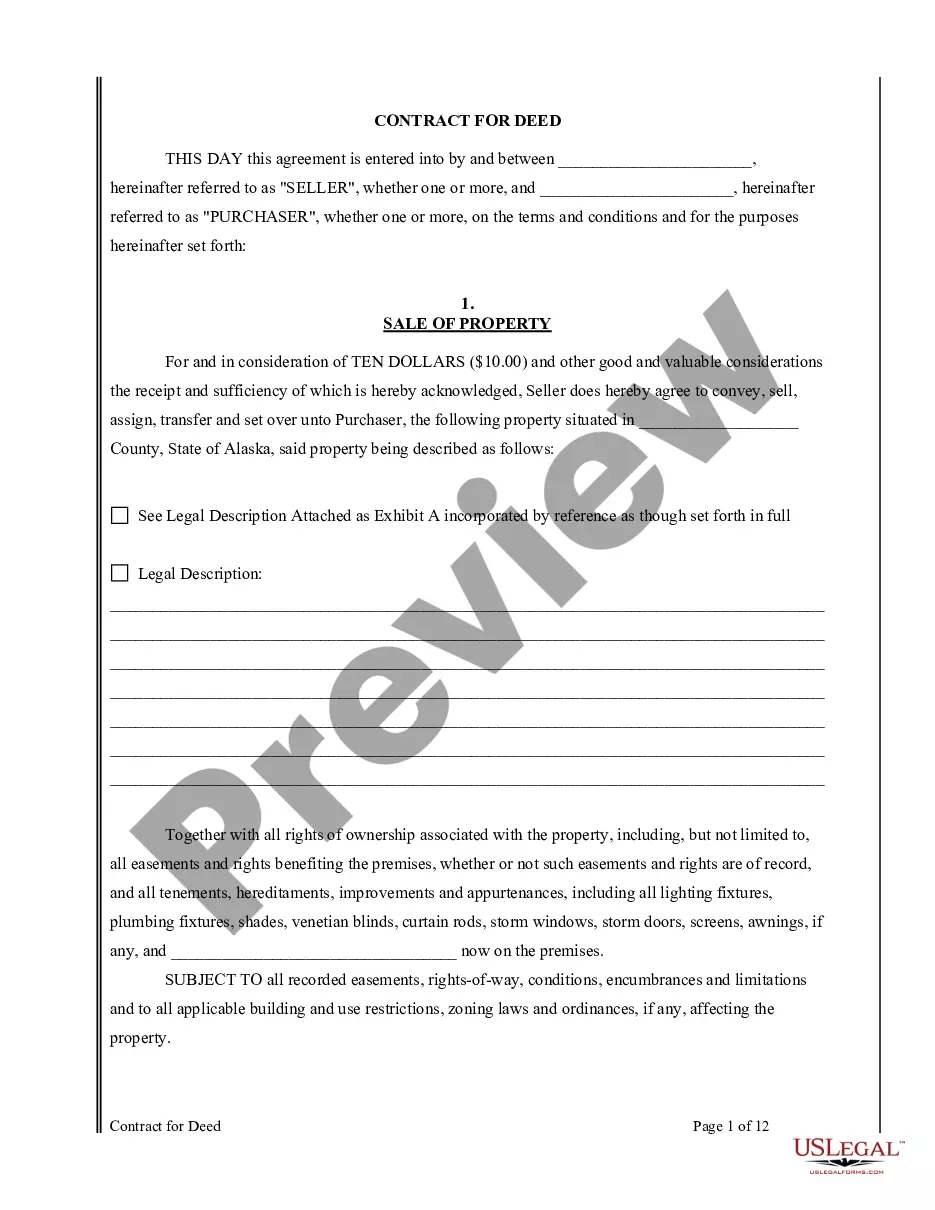




Form popularity
FAQ
Among the categories of statements that constitute defamation (libel or slander) per se that are raised by employees are: statements that a person is unable or lacks integrity to carry out his/her office or employment; or statements that hurt the person in connection with his/her trade or profession.
To damage someone's reputation by making a false spoken statement about them.
Slander is a legal term used to describe defamation, or harming the reputation of a person or a business by telling one or more others something both untrue and damaging about them. Slander can be the basis for a lawsuit but must be proven by the subject in civil court.
What Are Some Examples of Slander? Untrue statements that a person was convicted of a crime or that they committed or attempted to commit a crime. Untrue statements alleging that a person committed perjury or otherwise lied under oath. Untrue statements that a person is having an affair.
In many cases, the harassment remains verbal. However, as long as the victim faces disruption to their ability to work safely, any action could fall under the category of harassment. Needless to say, rumors and slander attack the reputation of an individual and can make it difficult or even impossible to work safely.
Defamation occurs when a person makes a false statement to a third party about your character from which you suffer harm. Defamation includes slander and libel. Libel is the act of defaming another person through writings, such as newspapers, other publications, articles, blogs or social media postings.
Article 353 of the Code defines libel as a public and malicious imputation of a crime, or of a vice or defect, real or imaginary, or any act, omission, condition, status, or circumstance tending to cause the dishonor, discredit, or contempt of a natural or juridical person, or to blacken the memory of the dead.
In order to prove libel, you must be able to show that at least one other person besides you received or read the communication that you believe is false and defamatory. This could have occurred through the media, a letter, an email, or even a social networking post.
Libel is related to defamation, generally referring to statements made about someone without just cause and exposing them to public contempt. Liable, on the other hand, is an adjective referring to the person legally responsible for something, such as a debt that is owed.
Steps to File a Libel or Slander Case Gather Evidence: For libel, obtain copies of the publication or broadcast that contains the defamatory statement. Consult a Lawyer: Defamation cases can be legally complex. Prepare a Complaint. File the Complaint. Prosecution and Defense:

