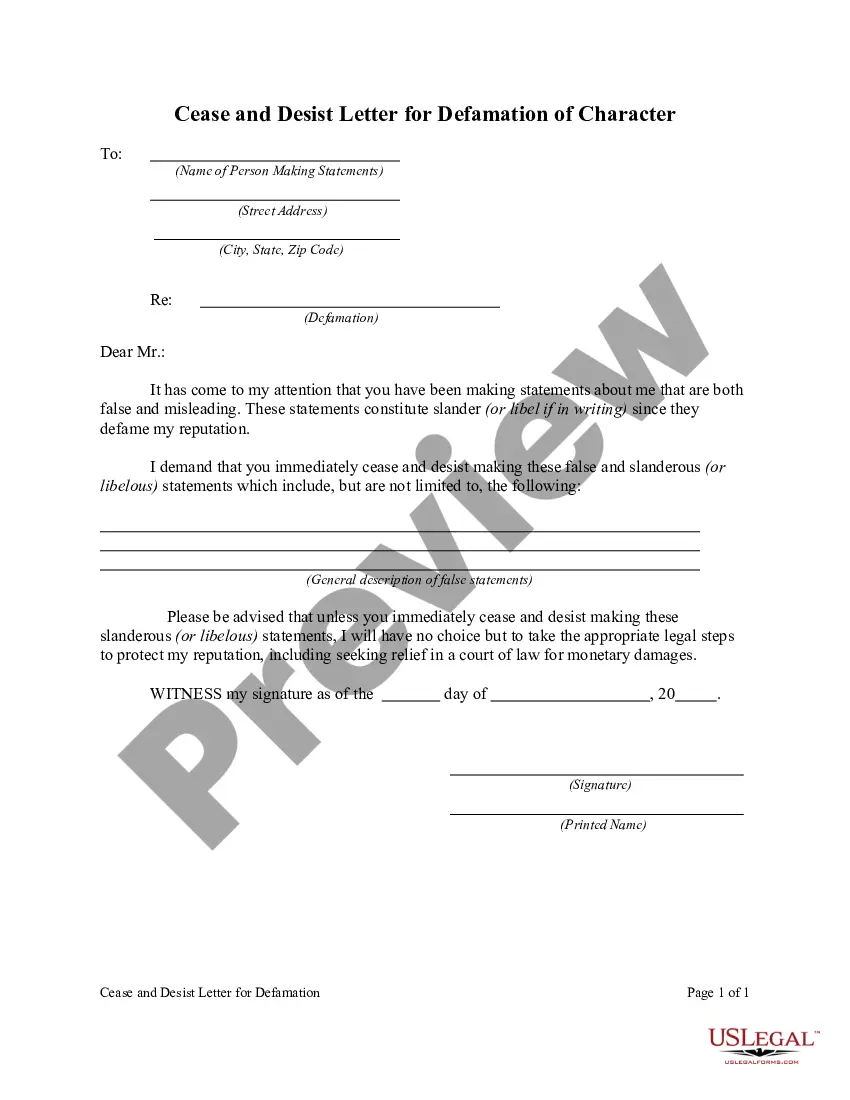
Elements Of Defamation In Malaysia In California
Description
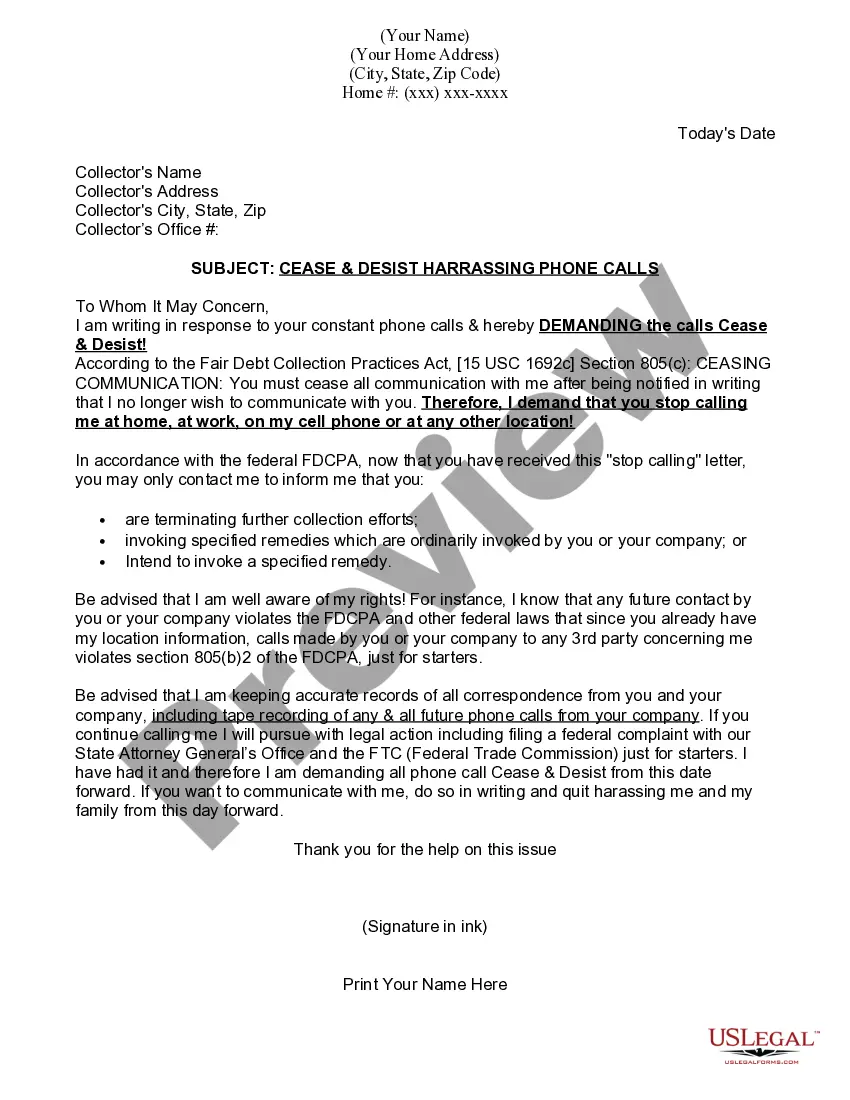
Get your form ready online
Our built-in tools help you complete, sign, share, and store your documents in one place.
Make edits, fill in missing information, and update formatting in US Legal Forms—just like you would in MS Word.
Download a copy, print it, send it by email, or mail it via USPS—whatever works best for your next step.
Sign and collect signatures with our SignNow integration. Send to multiple recipients, set reminders, and more. Go Premium to unlock E-Sign.
If this form requires notarization, complete it online through a secure video call—no need to meet a notary in person or wait for an appointment.
We protect your documents and personal data by following strict security and privacy standards.

Make edits, fill in missing information, and update formatting in US Legal Forms—just like you would in MS Word.

Download a copy, print it, send it by email, or mail it via USPS—whatever works best for your next step.

Sign and collect signatures with our SignNow integration. Send to multiple recipients, set reminders, and more. Go Premium to unlock E-Sign.

If this form requires notarization, complete it online through a secure video call—no need to meet a notary in person or wait for an appointment.

We protect your documents and personal data by following strict security and privacy standards.
Looking for another form?

Form popularity
FAQ
If someone has made a defamatory statement about another person, a letter of demand can be used to insist that they publicly apologise and acknowledge their mistake in the same manner or on the same platform where the statement was originally made.
Send a Cease and Desist Letter: Often, a formal letter from a lawyer indicating the defamatory nature of the statements and demanding their cessation can resolve the issue. File a Lawsuit for Damages: If the defamation has caused significant harm, a lawsuit may be the appropriate step to claim damages.
The normal remedy for defamation is damages. In some cases, however, damages may not be an adequate remedy, and an injunction may be granted. An injunction may issue to prohibit an anticipated publication, in very exceptional circumstances.
To bring a successful defamation claim in California, you must prove four facts: That someone made a false statement of purported fact about you: That the statement was made (published) to a third party; That the person who made the statement did so negligently, recklessly or intentionally; and.
To successfully claim defamation has occurred, the claimant must prove: That the statement was published (either written or spoken) to another person. That the statement refers to the identity of the claimant. That the statement is defamatory, whether in its ordinary meaning or by use of innuendo.
The remedy for defamation in tort is damages. The damages awarded is dependent on the extent of the loss of reputation of the defamed person. As such, one would have to show that he/she was disparaged by the defamatory statement which has resulted in the estimation of him being lowered in the eyes of his peers.
500. Whoever defames another shall be punished with imprisonment for a term which may extend to two years or with fine or with both.
To successfully claim defamation has occurred, the claimant must prove: That the statement was published (either written or spoken) to another person. That the statement refers to the identity of the claimant. That the statement is defamatory, whether in its ordinary meaning or by use of innuendo.
To prove prima facie defamation, a plaintiff must show four things: 1) a false statement purporting to be fact; 2) publication or communication of that statement to a third person; 3) fault amounting to at least negligence ; and 4) damages , or some harm caused to the reputation of the person or entity who is the ...
These include: There must be a defamatory statement. The defamatory statement must be understood by right-thinking or reasonable minded persons as referring to the plaintiff. There must be a publication of the defamatory statement, that is to say, it must be communicated to some person other than the plaintiff himself.