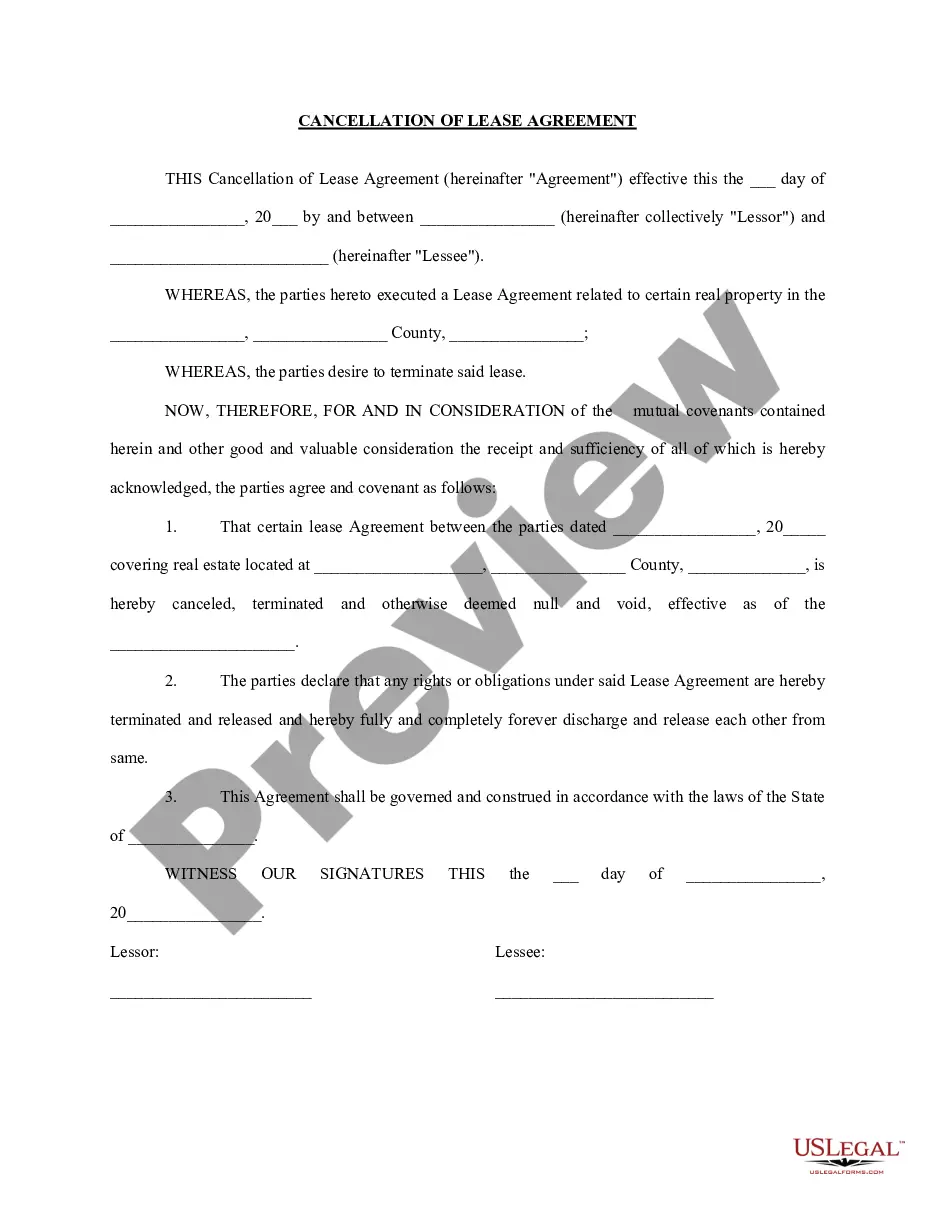
Defamation Character Form For Court In Bronx
Description

Get your form ready online
Our built-in tools help you complete, sign, share, and store your documents in one place.
Make edits, fill in missing information, and update formatting in US Legal Forms—just like you would in MS Word.
Download a copy, print it, send it by email, or mail it via USPS—whatever works best for your next step.
Sign and collect signatures with our SignNow integration. Send to multiple recipients, set reminders, and more. Go Premium to unlock E-Sign.
If this form requires notarization, complete it online through a secure video call—no need to meet a notary in person or wait for an appointment.
We protect your documents and personal data by following strict security and privacy standards.

Make edits, fill in missing information, and update formatting in US Legal Forms—just like you would in MS Word.

Download a copy, print it, send it by email, or mail it via USPS—whatever works best for your next step.

Sign and collect signatures with our SignNow integration. Send to multiple recipients, set reminders, and more. Go Premium to unlock E-Sign.

If this form requires notarization, complete it online through a secure video call—no need to meet a notary in person or wait for an appointment.

We protect your documents and personal data by following strict security and privacy standards.
Looking for another form?






Form popularity
FAQ
The plaintiff bears the burden of proving that the harmful statements are false. By examining whether the defendant's statement would have an effect different from a proposed statement by the plaintiff, courts test whether a statement is false.
To file a motion for contempt in New York, certain criteria must be met. There must be an existing order of the court that is clear and unambiguous, and the accused must be proven to have known about this order and willfully disobeyed it.
You don't need an attorney to file a Motion for Contempt, but it is a good idea to have one. If you decide to represent yourself, you can go to the courthouse that made the order and ask for help at the Court Service Center.
The Elements of Criminal Contempt in the First Degree Refusing to be sworn as a witness or answering questions before a grand jury; Violating an order of protection by displaying a weapon to place another person in fear of physical injury; Violating an order of protection by stalking or harassing another person;
An order to show cause (OSC) is a request to the court for a new hearing. It can ask for more time or stop the marshal from evicting you. If you do not have a lawyer, you will have to fill out the OSC yourself.
A claimant must begin the lawsuit in the proper county. In general, a claimant can sue in the county where either party resides. If no party resides within the City, the action can be brought in the county where either party has employment or a business address.
After a summons with notice is served, the defendant will demand that the plaintiff serve a complaint. The plaintiff must then have the complaint served within 20 days after being served with the demand, or the case may be dismissed. CPLR 3012(b).
In general, a plaintiff can sue in the county where either party resides. If no party resides within the City, the action can be brought in the county where either party has employment or transacts business, provided that the defendant has some connection to the City.
Claims for more than $10,000.00 may not be brought in Small Claims Court. They must be started in the Civil Part of the court or in a different court.