Money Owed For In Nevada
Description
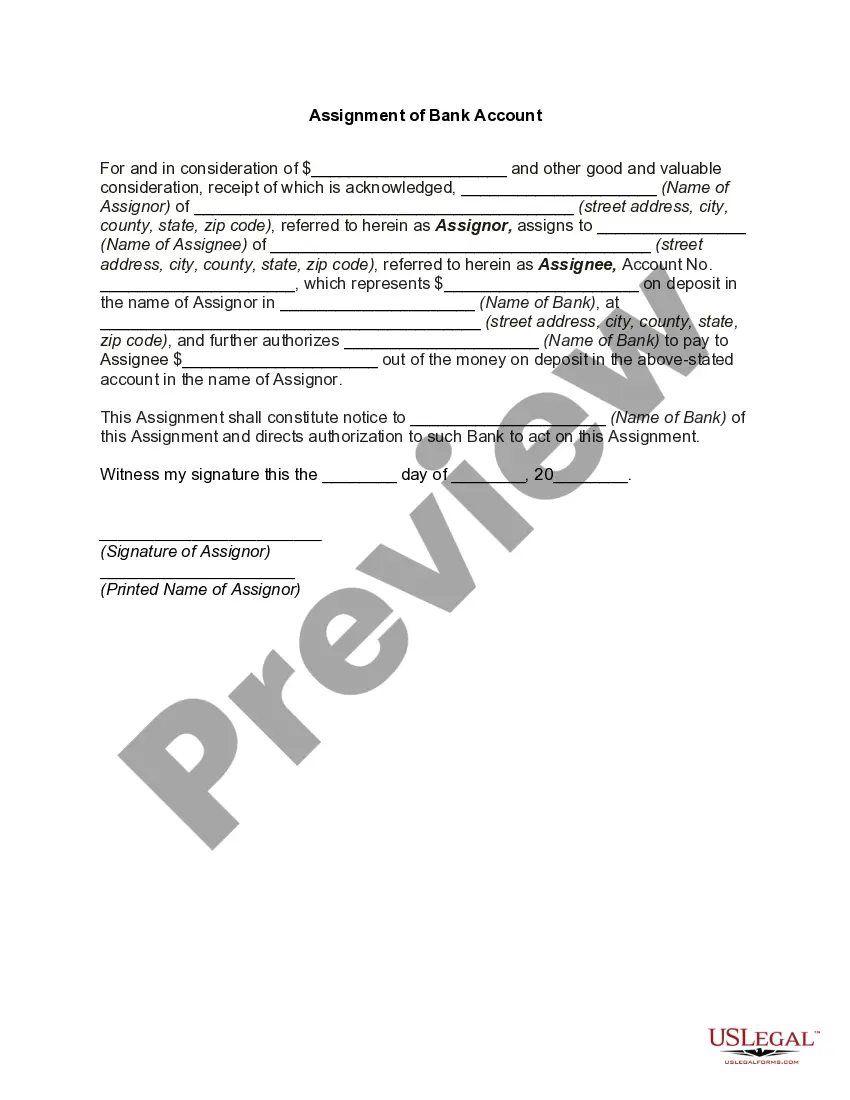
Get your form ready online
Our built-in tools help you complete, sign, share, and store your documents in one place.
Make edits, fill in missing information, and update formatting in US Legal Forms—just like you would in MS Word.
Download a copy, print it, send it by email, or mail it via USPS—whatever works best for your next step.
Sign and collect signatures with our SignNow integration. Send to multiple recipients, set reminders, and more. Go Premium to unlock E-Sign.
If this form requires notarization, complete it online through a secure video call—no need to meet a notary in person or wait for an appointment.
We protect your documents and personal data by following strict security and privacy standards.

Make edits, fill in missing information, and update formatting in US Legal Forms—just like you would in MS Word.

Download a copy, print it, send it by email, or mail it via USPS—whatever works best for your next step.

Sign and collect signatures with our SignNow integration. Send to multiple recipients, set reminders, and more. Go Premium to unlock E-Sign.

If this form requires notarization, complete it online through a secure video call—no need to meet a notary in person or wait for an appointment.

We protect your documents and personal data by following strict security and privacy standards.
Looking for another form?







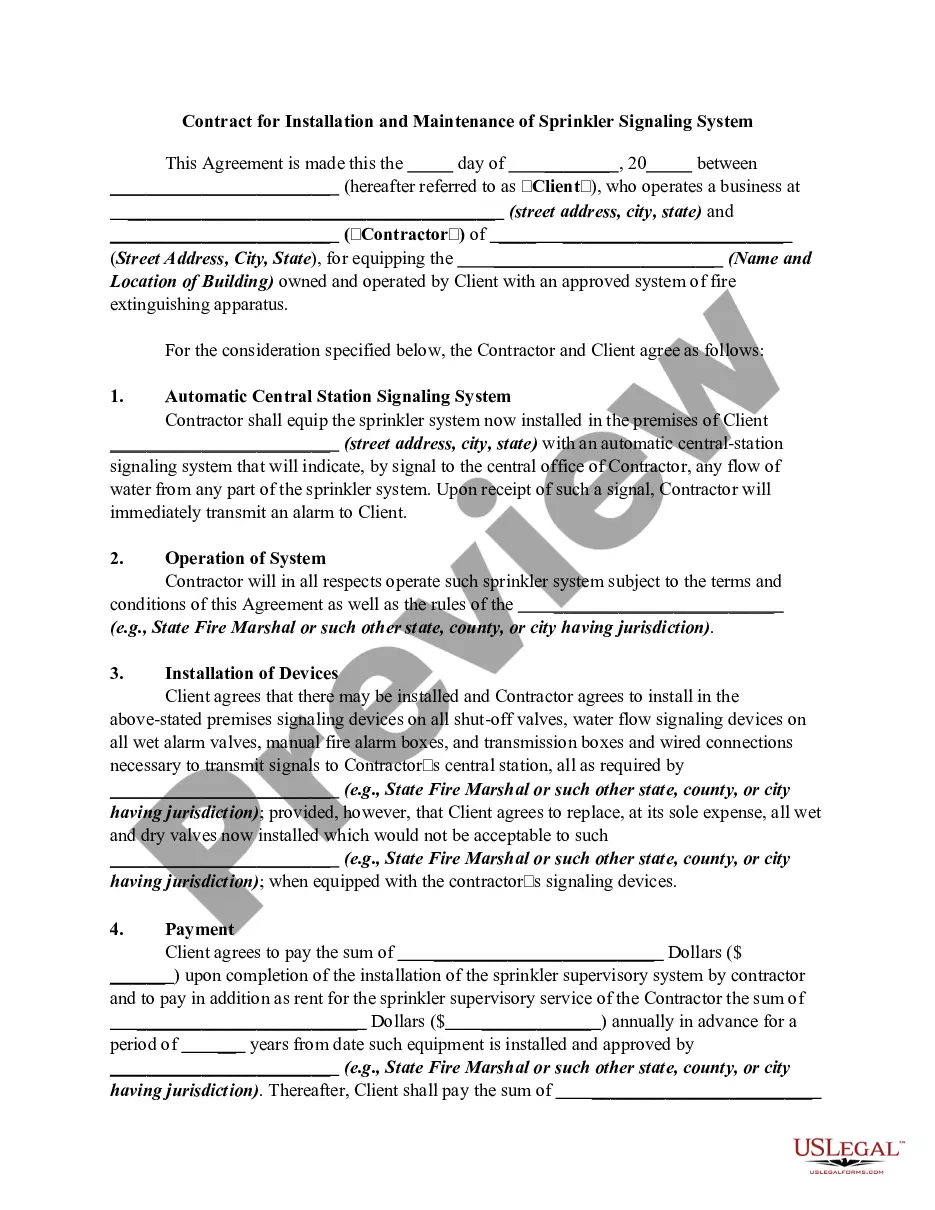


Form popularity
FAQ
The State of Nevada acts as custodian for abandoned property, holding it in perpetuity until such time as the original owners or heirs claim it.
Ing to the last NAUPA survey in 2020, the state with the most unclaimed property is New York. At the time, New York had upwards of $17 billion in unclaimed property, 67% more than second-place California. It is widely believed that New York has the most unclaimed funds because of its global financial position.
The State of Nevada acts as custodian for abandoned property, holding it in perpetuity until such time as the original owners or heirs claim it.
The property type will determine the abandonment period; however, it is typically three years. When a holder's attempts to locate the rightful owner have been unsuccessful, the assets must be reported and remitted to the Nevada State Treasurer's Unclaimed Property Division.
It's typical in most states that the landlord must wait a certain amount of time before selling or discarding personal property, and Nevada does have a 30 day time frame.
Due diligence is the process businesses with unclaimed property, referred to as holders, must follow to notify owners with unclaimed property valued at $50.00 or more (and all securities and safe deposit boxes regardless of value) that their property may be transferred to the State of California.
Nevada's Due Diligence Requirements Nevada requires holders to send due diligence notifications for any property with a value of $50 or more. Due diligence letters must be sent each reporting cycle to the apparent owner at the last known address not more than 120 days or less than 60 days from the reporting deadline.

