Money Owed For In Kings
Description
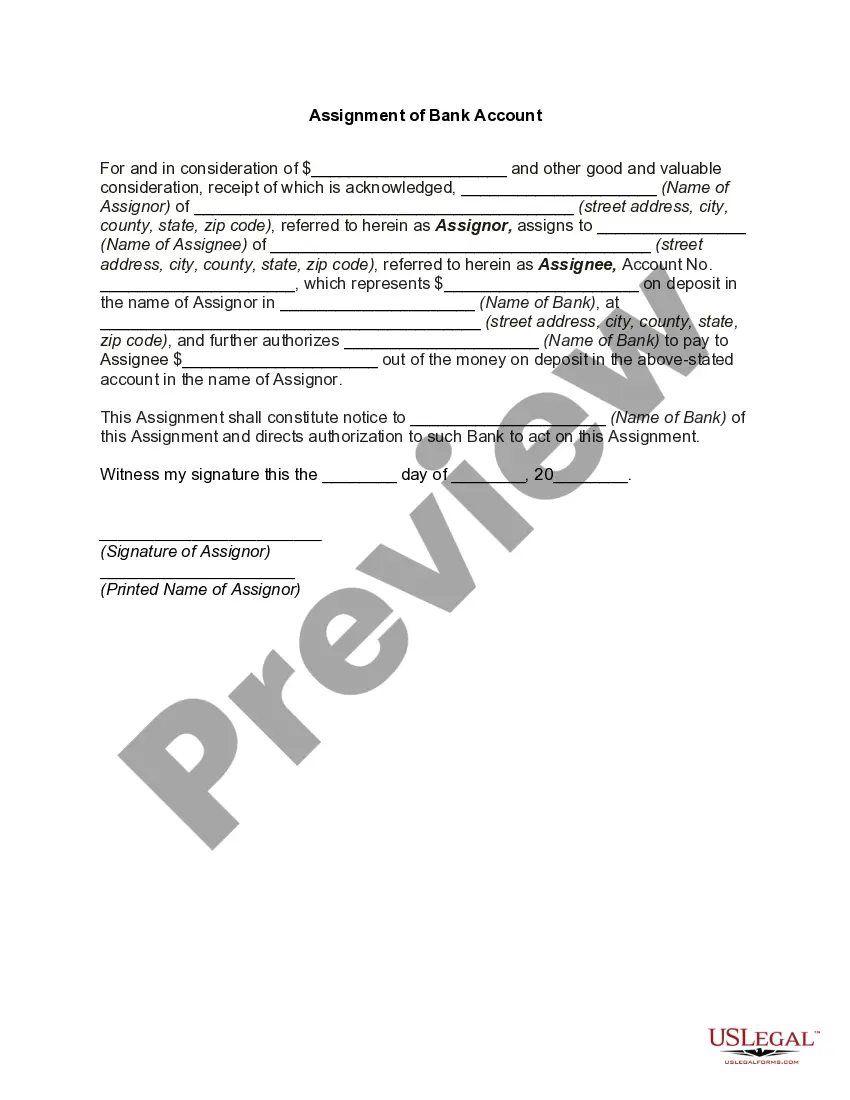
Get your form ready online
Our built-in tools help you complete, sign, share, and store your documents in one place.
Make edits, fill in missing information, and update formatting in US Legal Forms—just like you would in MS Word.
Download a copy, print it, send it by email, or mail it via USPS—whatever works best for your next step.
Sign and collect signatures with our SignNow integration. Send to multiple recipients, set reminders, and more. Go Premium to unlock E-Sign.
If this form requires notarization, complete it online through a secure video call—no need to meet a notary in person or wait for an appointment.
We protect your documents and personal data by following strict security and privacy standards.

Make edits, fill in missing information, and update formatting in US Legal Forms—just like you would in MS Word.

Download a copy, print it, send it by email, or mail it via USPS—whatever works best for your next step.

Sign and collect signatures with our SignNow integration. Send to multiple recipients, set reminders, and more. Go Premium to unlock E-Sign.

If this form requires notarization, complete it online through a secure video call—no need to meet a notary in person or wait for an appointment.

We protect your documents and personal data by following strict security and privacy standards.
Looking for another form?









Form popularity
FAQ
Many kings wanted to be more powerful and wealthy. They could do this by increasing the taxes on their subjects and secondly by conquering neighbouring kingdoms. Trade was also a really good source of wealth.
For small claims of less than £10,000.00, the average length of time it took between a case being submitted and the final court hearing and judgment was 30 weeks. for claims of over £10,000.00, the average length of time it took between a case being submitted and the final court hearing and judgment was 59 weeks.
Head of Nation The King represents the nation at times of national mourning and to speak for and to the nation at times of crisis. His Majesty also leads the nation at times of celebration such as the broadcasting of the Christmas message.
All mediaeval kings swore a coronation oath when they took the throne. Edward III of England (and France, or so he claimed) taking his coronation oath. Kings were expected to lead their armies into battle personally. As with fighting wars, kings were expected to administer the law in person.
In addition to the Sovereign Grant, the King receives income (via the Privy Purse) from the Duchy of Lancaster (a landed estate), while the Prince of Wales receives net profits from the Duchy of Cornwall. The two Duchies are independently audited and subject to various Acts of Parliament.

