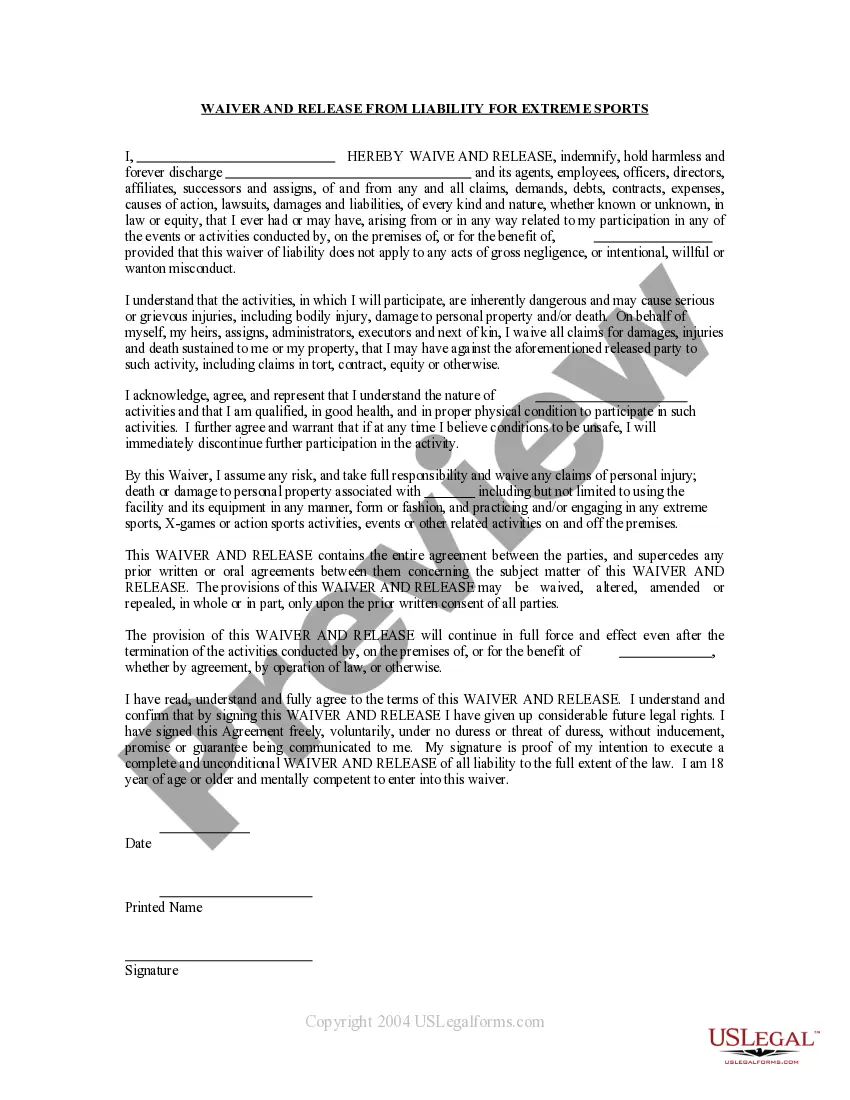
Dangerous Activity With Torts In Dallas
Description
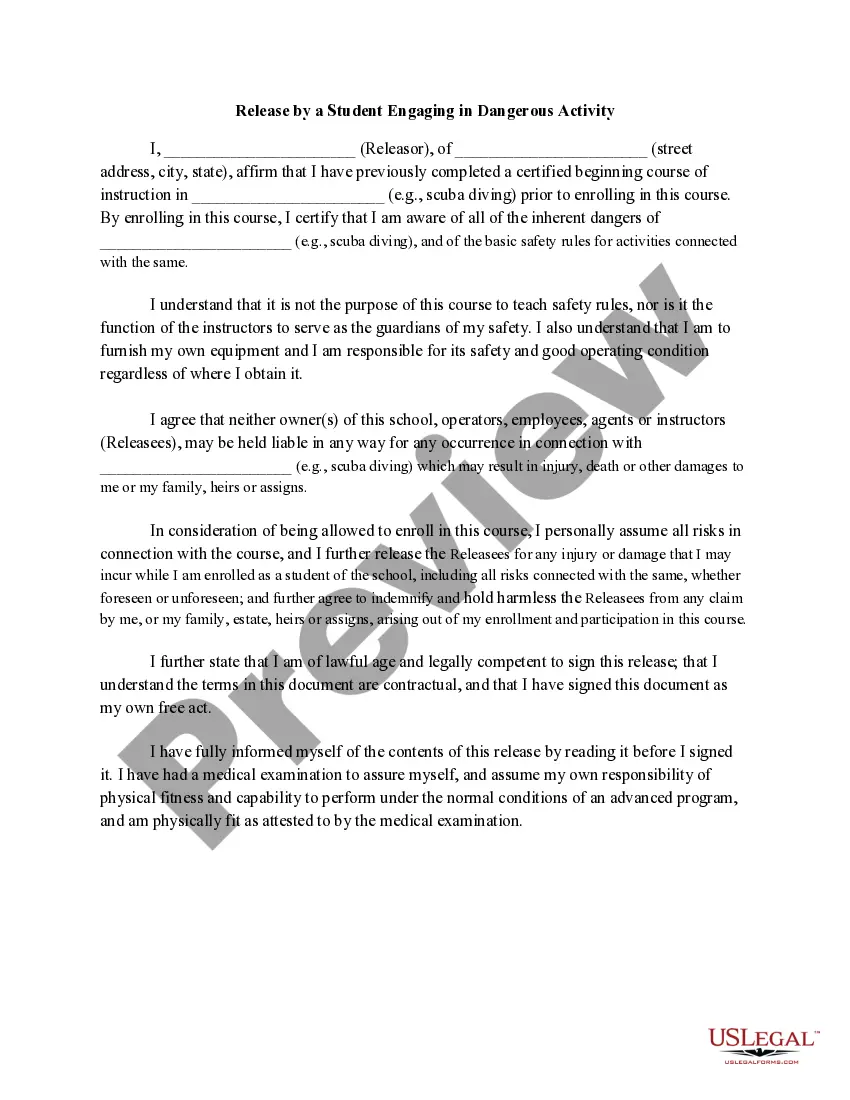
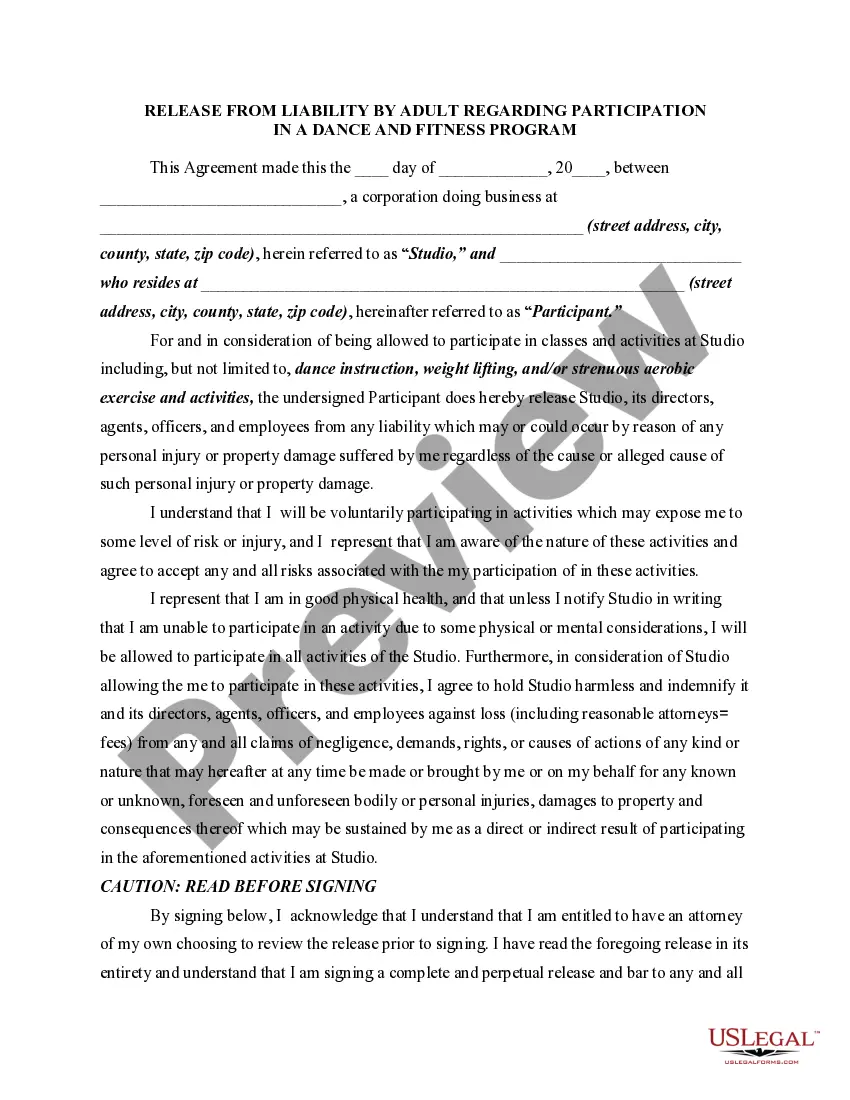
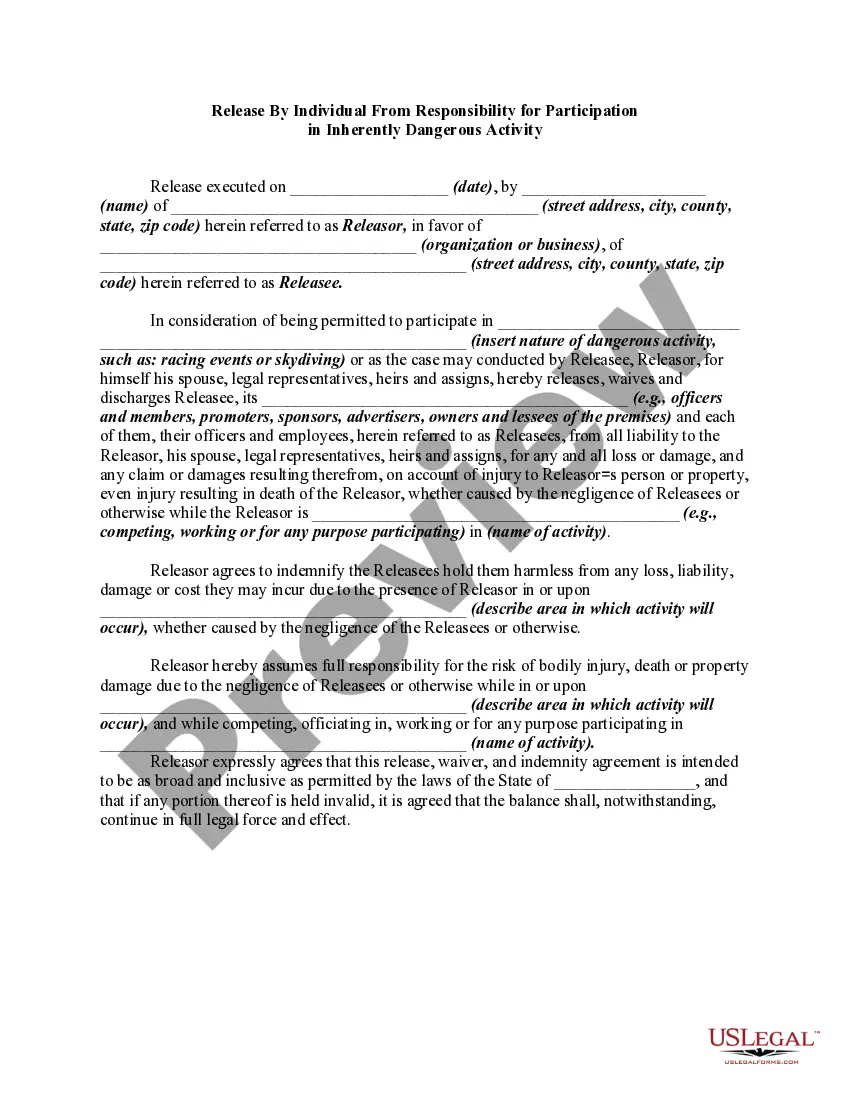
Get your form ready online
Our built-in tools help you complete, sign, share, and store your documents in one place.
Make edits, fill in missing information, and update formatting in US Legal Forms—just like you would in MS Word.
Download a copy, print it, send it by email, or mail it via USPS—whatever works best for your next step.
Sign and collect signatures with our SignNow integration. Send to multiple recipients, set reminders, and more. Go Premium to unlock E-Sign.
If this form requires notarization, complete it online through a secure video call—no need to meet a notary in person or wait for an appointment.
We protect your documents and personal data by following strict security and privacy standards.

Make edits, fill in missing information, and update formatting in US Legal Forms—just like you would in MS Word.

Download a copy, print it, send it by email, or mail it via USPS—whatever works best for your next step.

Sign and collect signatures with our SignNow integration. Send to multiple recipients, set reminders, and more. Go Premium to unlock E-Sign.

If this form requires notarization, complete it online through a secure video call—no need to meet a notary in person or wait for an appointment.

We protect your documents and personal data by following strict security and privacy standards.
Looking for another form?




Form popularity
FAQ
Intentional torts are the most serious. They are deliberate acts intended to injure others; or to interfere with another person's rights. A common one is battery. This can involve violence with the intent to injure.
Abnormally dangerous activities are those that inherently carry a high risk of causing significant harm, even when all reasonable safety measures are in place. Examples include using explosives, handling toxic chemicals, storing hazardous substances, and operating high-risk industrial equipment.
The zone of danger rule is a legal doctrine in tort law that limits the liability of persons accused of negligent infliction of emotional distress (NIED). Under this rule, plaintiffs may only recover damages for NIED if they were: Placed in immediate risk of physical harm by the defendant 's negligence and.
Abnormally dangerous activities are those that inherently carry a high risk of causing significant harm, even when all reasonable safety measures are in place. Examples include using explosives, handling toxic chemicals, storing hazardous substances, and operating high-risk industrial equipment.
For example, dynamite blasting tends to be universally recognized as abnormally dangerous. The common view is that the extent and severity of any given blast is impossible to predict. 13 Blasting involves a substantial risk of harm regardless of the degree of care exercised.
Damage Caps Under the Texas Tort Claims Act Under Section 101.023 of the Texas Civil Practice and Remedies Code, damages for personal injury or death are capped at: $250,000 per person, and. $500,000 per occurrence.
Use of explosives is the typical example of an ultrahazardous activity.
A Generally speaking, the TTCA waives a city's governmental immunity for the following unintentional torts committed as part of a city's governmental functions: (1) a city employee's conduct when using a motor-driven vehicle or motor-driven equipment that causes property damage, personal injury or death; (2) personal ...
A statute of limitations is a deadline for filing a lawsuit. In most personal injury cases in Texas, you have two years from the accident or the injury date to file a lawsuit. The statute of limitations applies to any civil claim for injury filed in Texas.
The standard statute of limitation in Texas is two years for trespass to personal or property rights. Torts such as property damage, personal injury, and wrongful death have a two-year statute of limitation.
