High Risk Activity Form Air Force Reddit In Bexar
Description
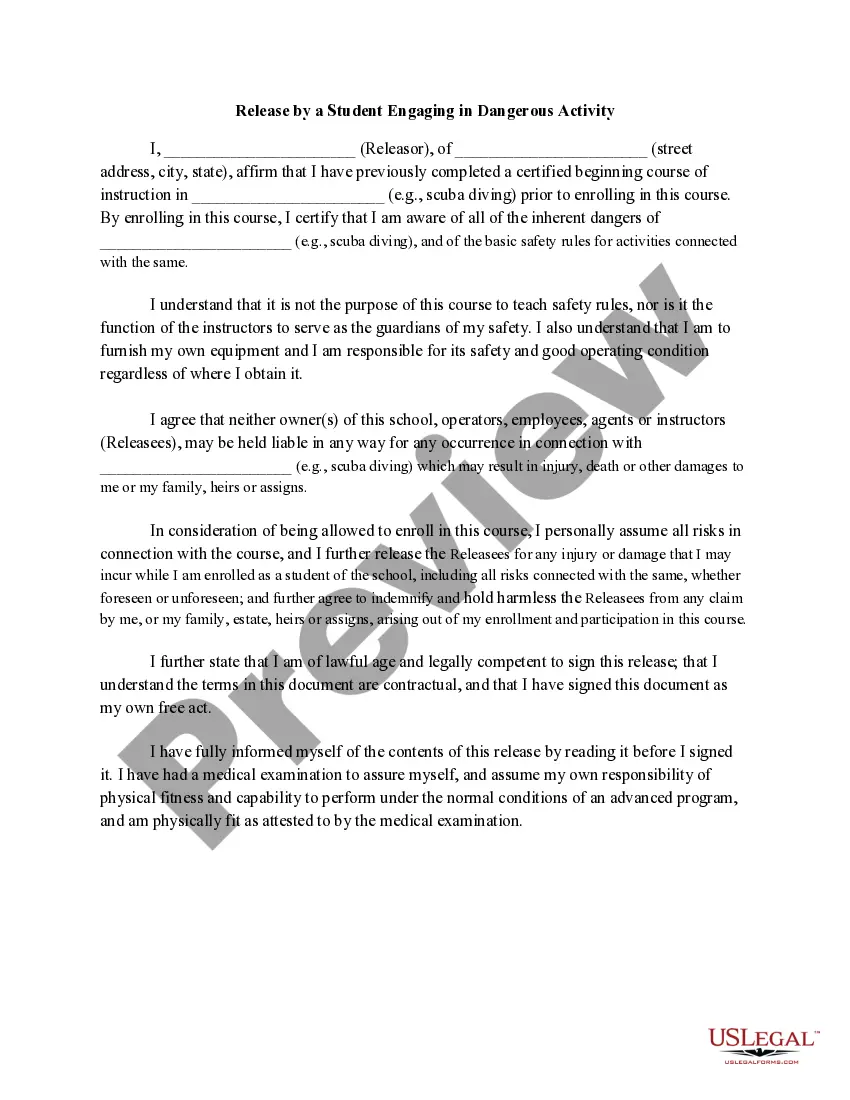

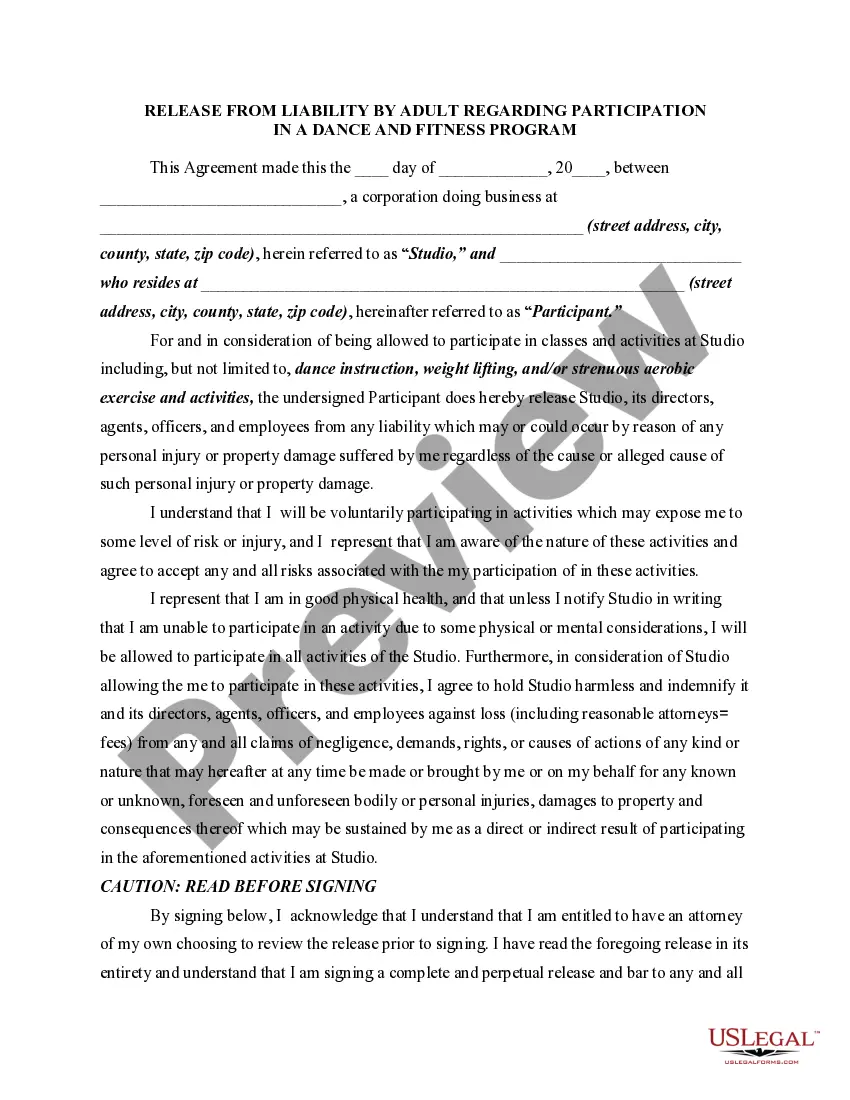
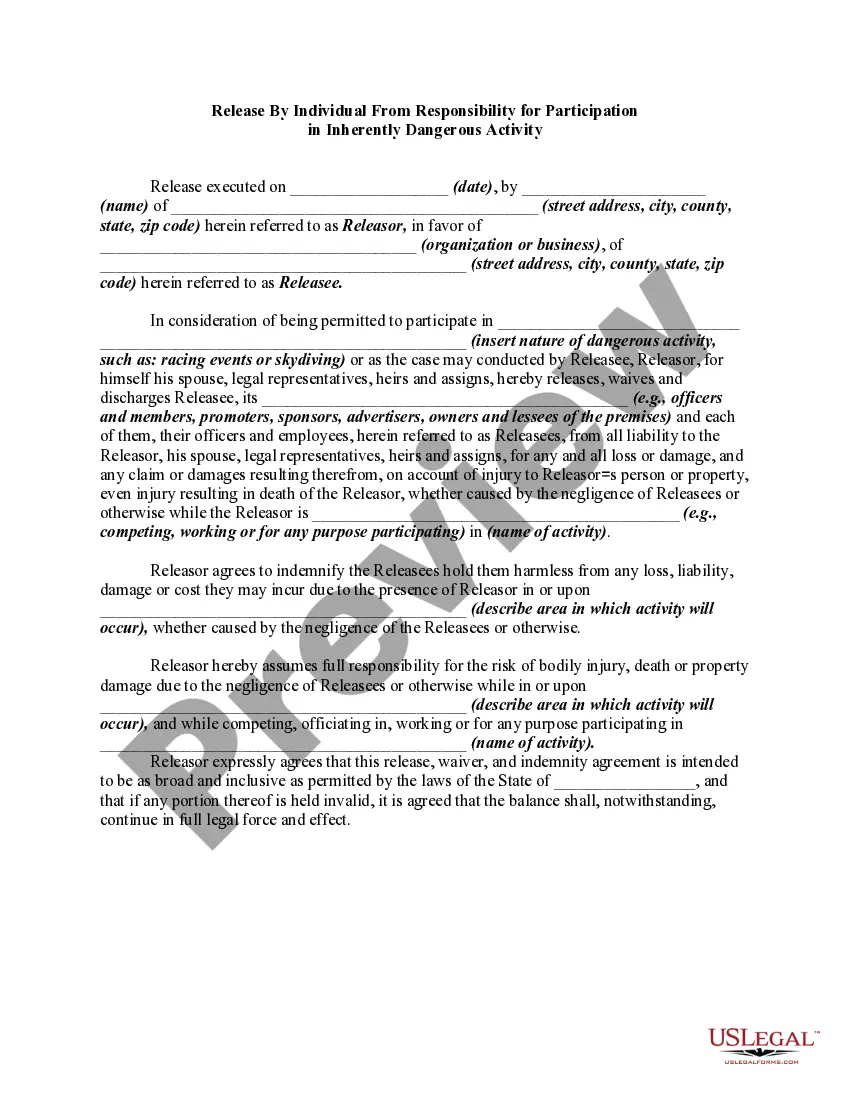
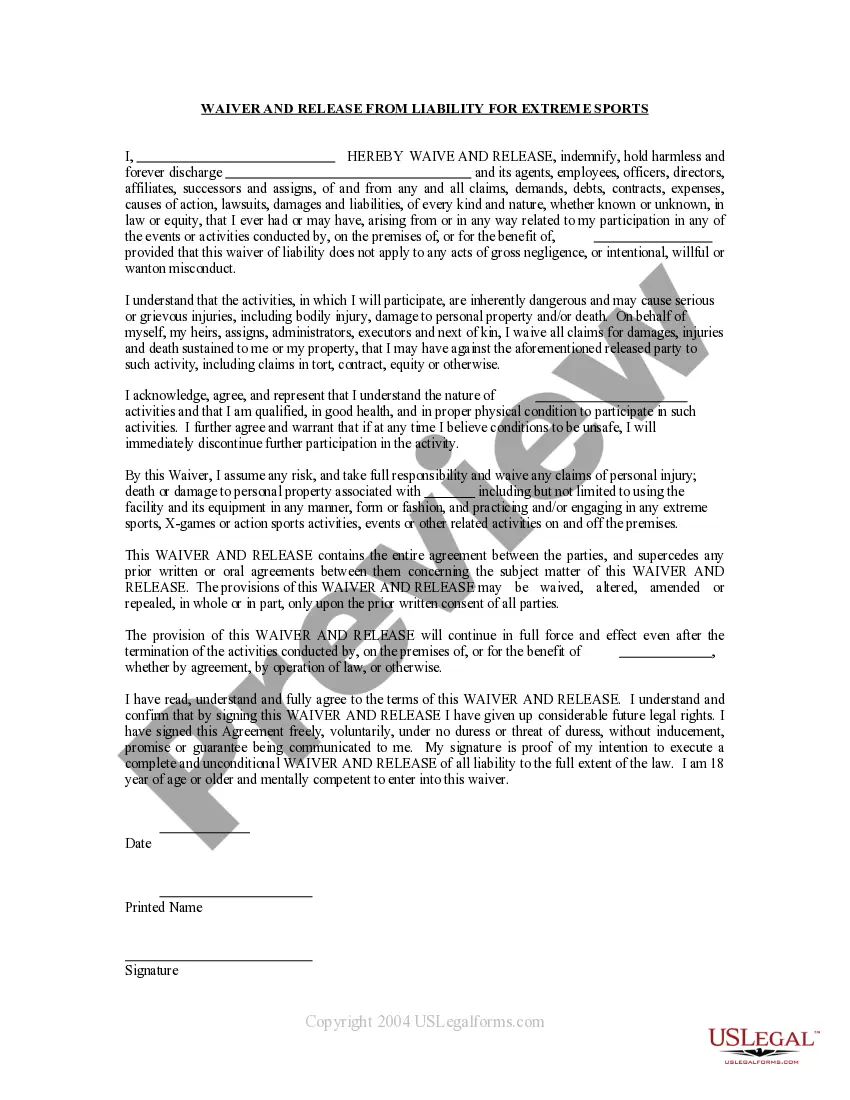
Get your form ready online
Our built-in tools help you complete, sign, share, and store your documents in one place.
Make edits, fill in missing information, and update formatting in US Legal Forms—just like you would in MS Word.
Download a copy, print it, send it by email, or mail it via USPS—whatever works best for your next step.
Sign and collect signatures with our SignNow integration. Send to multiple recipients, set reminders, and more. Go Premium to unlock E-Sign.
If this form requires notarization, complete it online through a secure video call—no need to meet a notary in person or wait for an appointment.
We protect your documents and personal data by following strict security and privacy standards.

Make edits, fill in missing information, and update formatting in US Legal Forms—just like you would in MS Word.

Download a copy, print it, send it by email, or mail it via USPS—whatever works best for your next step.

Sign and collect signatures with our SignNow integration. Send to multiple recipients, set reminders, and more. Go Premium to unlock E-Sign.

If this form requires notarization, complete it online through a secure video call—no need to meet a notary in person or wait for an appointment.

We protect your documents and personal data by following strict security and privacy standards.
Looking for another form?









Form popularity
FAQ
Risk Assessment ATV OperationsVolleyballUltimate Frisbee/Speedball Heli & Cat Skiing Football Hang Gliding and Paragliding Triathalons Motorcycle Racing Spearfishing Skydiving Scuba Diving/Snorkeling Rock Climbing3 more rows
High risk construction work includes: work that involves a risk of a person falling more than two metres. work on a telecommunication tower. demolition of an element of a structure that is load-bearing or otherwise related to the physical integrity of the structure.
Indoor exercise — like going to the gym or swimming in an indoor pool– are relatively high-risk activities.
Supervisors must discuss the requirement for personnel who plan on engaging in high- risk activities such as flying civil aircraft, hang gliding, sky diving, parasailing, white-water rafting, motorcycle and auto-racing, scuba diving, bungee jumping, ATV's, helicopter flying, dirt biking, hot air ballooning, hunting, ...
High risk activities are activities that have higher stakes or consequences for an individual or group. Whatever happens during the activity may affect the group's dynamic and development after the activity is over.
Rock Climbing, 2 and 4-wheel on and off-road driving, scuba diving, extreme skiing/snow boarding, bungee jumping, bull riding, and others are now part of many ACC members' off-duty recreation and all have significant inherent risks.
For example, flying a plane not for work purposes, riding a horse, riding a BMX. To start with, think of the activity that the person was engaged in when they were injured. Activities that could be considered a dangerous recreational activity include horse riding, flying a plane or playing a sport.
Hazards associated with outdoor activities can include, but are not limited to: traffic and pedestrian movements. ultraviolet (UV) radiation exposure. adverse weather conditions (for example, lightning, rain, strong winds, ice, temperature extremes) falling from height.
