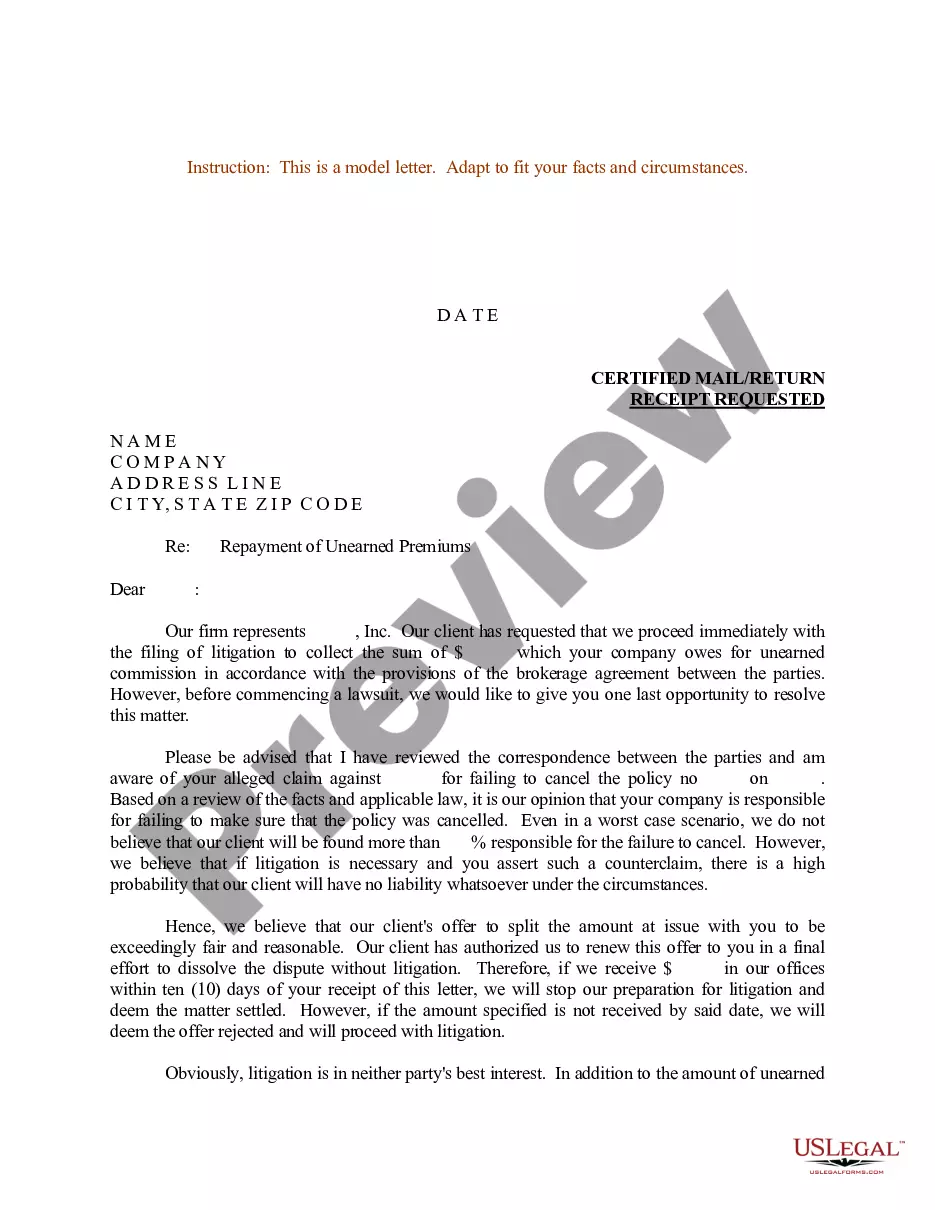
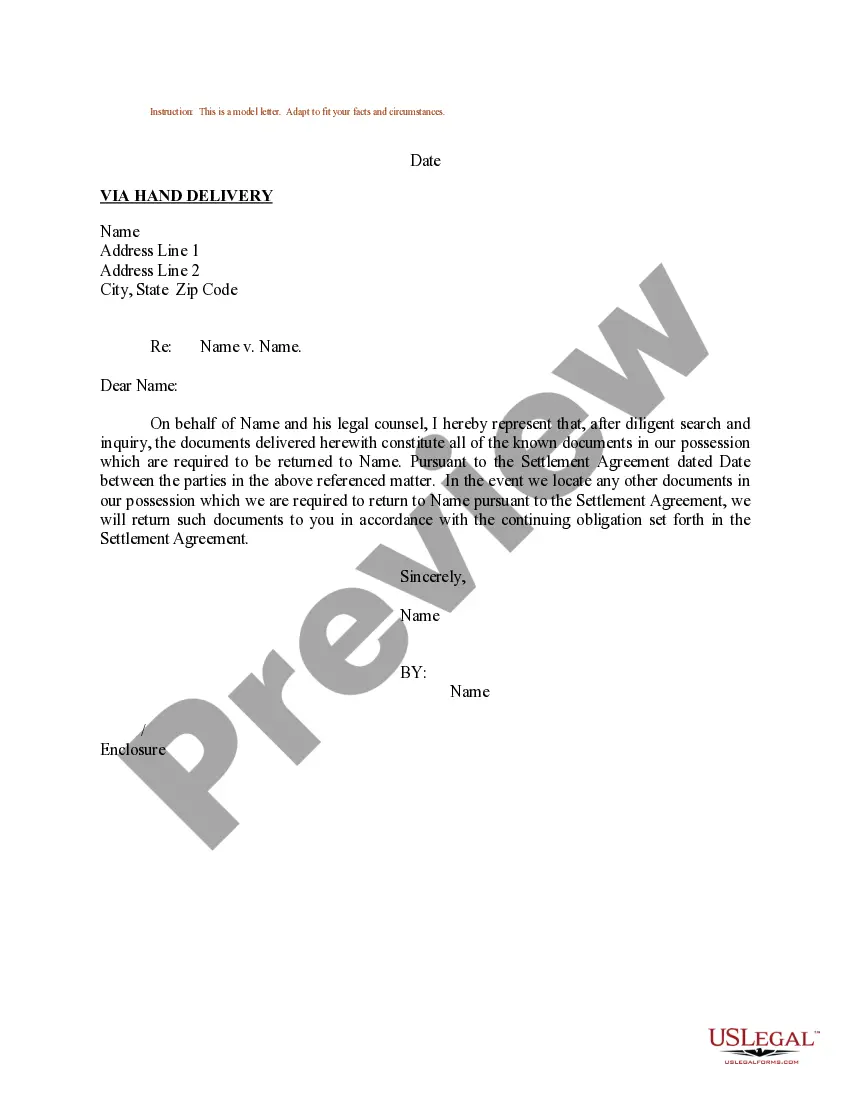
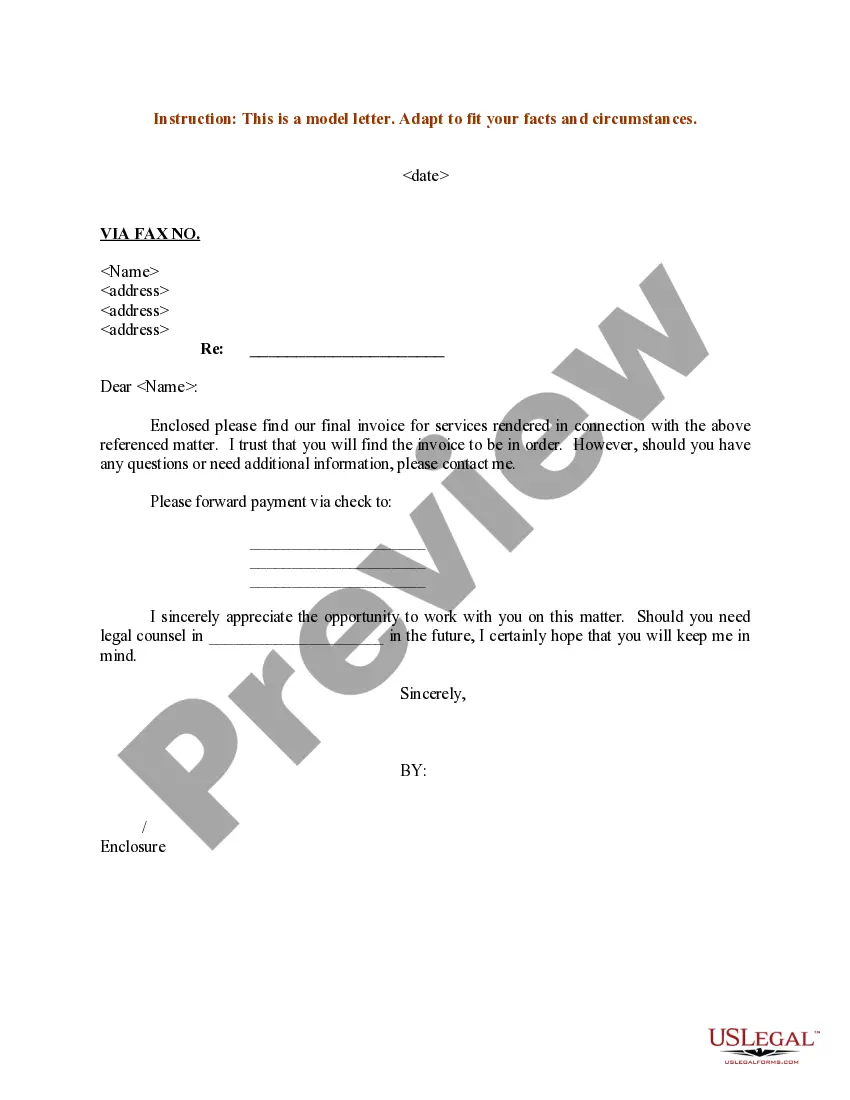
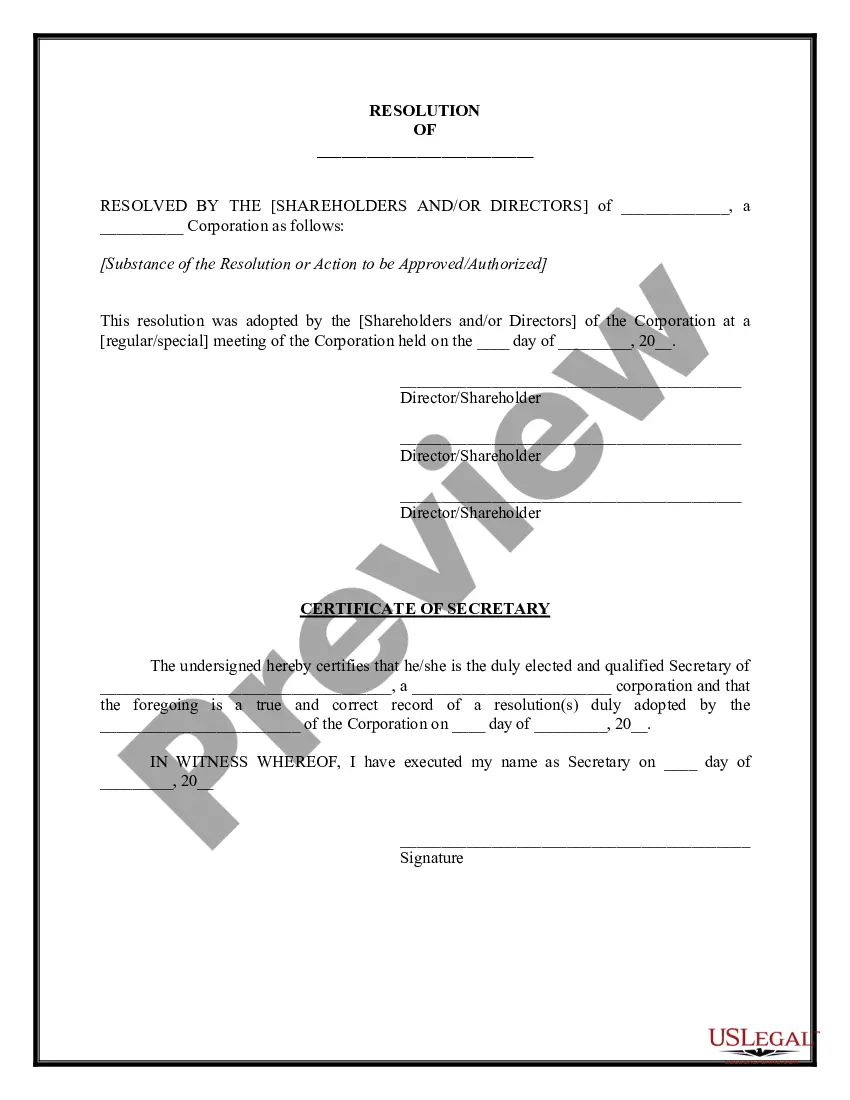
Letter For Overpaid In Harris
Description
Get your form ready online
Our built-in tools help you complete, sign, share, and store your documents in one place.
Make edits, fill in missing information, and update formatting in US Legal Forms—just like you would in MS Word.
Download a copy, print it, send it by email, or mail it via USPS—whatever works best for your next step.
Sign and collect signatures with our SignNow integration. Send to multiple recipients, set reminders, and more. Go Premium to unlock E-Sign.
If this form requires notarization, complete it online through a secure video call—no need to meet a notary in person or wait for an appointment.
We protect your documents and personal data by following strict security and privacy standards.

Make edits, fill in missing information, and update formatting in US Legal Forms—just like you would in MS Word.

Download a copy, print it, send it by email, or mail it via USPS—whatever works best for your next step.

Sign and collect signatures with our SignNow integration. Send to multiple recipients, set reminders, and more. Go Premium to unlock E-Sign.

If this form requires notarization, complete it online through a secure video call—no need to meet a notary in person or wait for an appointment.

We protect your documents and personal data by following strict security and privacy standards.
Looking for another form?









Form popularity
FAQ
Tax Sale Excess Proceeds If property is sold in a tax foreclosure sale in Harris County and there are proceeds from the sale above the overall tax obligation, this overpayment is referred to as "excess proceeds" and is deposited with the Accounting Section.
Overview of Harris County, TX Taxes The state of Texas has some of the highest property tax rates in the country. In Harris County, the most populous county in the state, the average effective property tax rate is 1.77%. That's nearly double the national average of 0.90%.
Section 34.04 - Claims for Excess Proceeds (a) A person, including a taxing unit and the Title IV-D agency, may file a petition in the court that ordered the seizure or sale setting forth a claim to the excess proceeds. The petition must be filed before the second anniversary of the date of the sale of the property.
Owners who are age 65 or older, are disabled or are a disabled veteran qualify to receive additional exemptions.
To calculate your tax rate, take your home appraised value (minus applicable exemptions) and divide by 100, then multiply the result by the tax rate for the taxing entity/entities. This result should be your bill for the current calendar year, due by January 31.
Specific question about exemptions, values or name and address changes should be directed to HCAD at: 713-957-7800 or online at .hcad.

