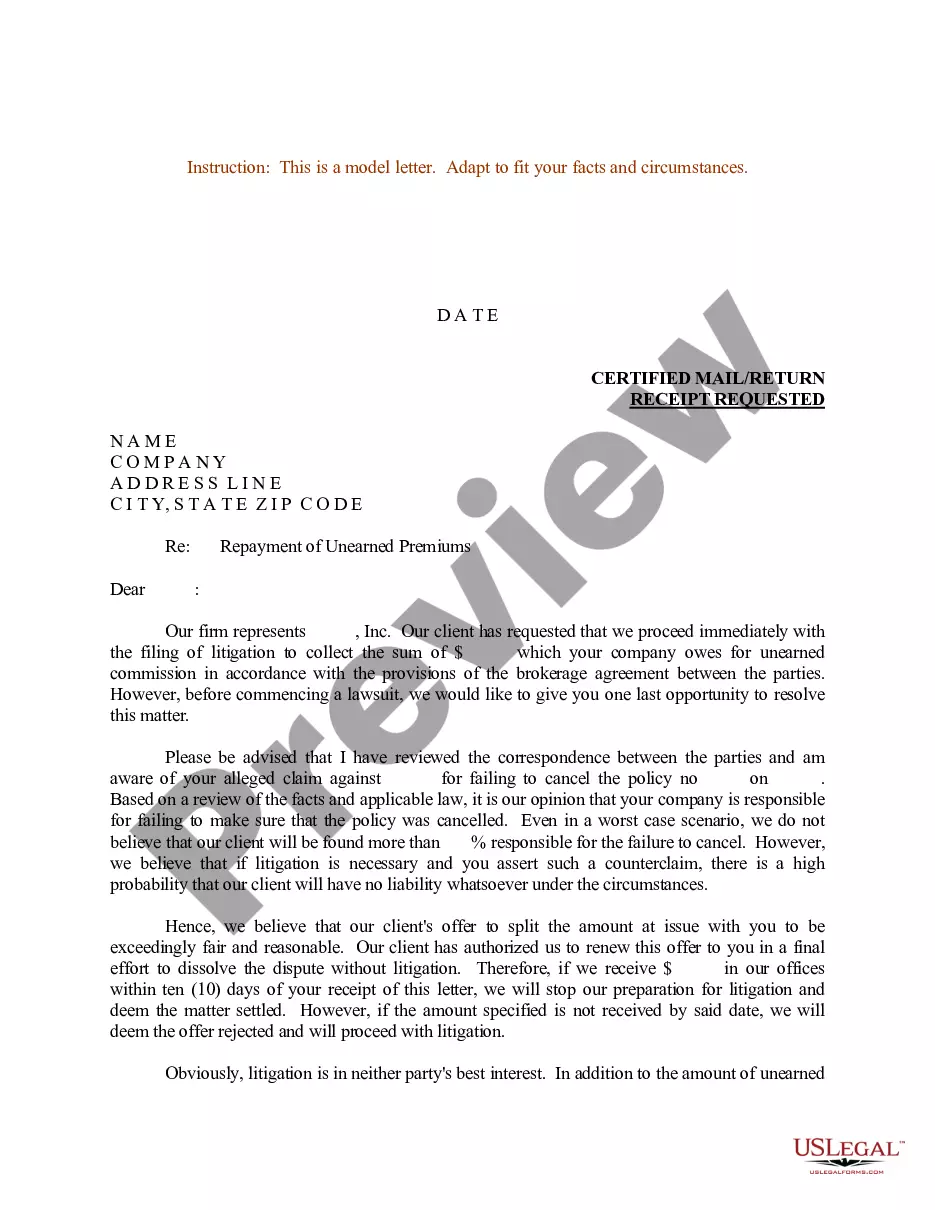
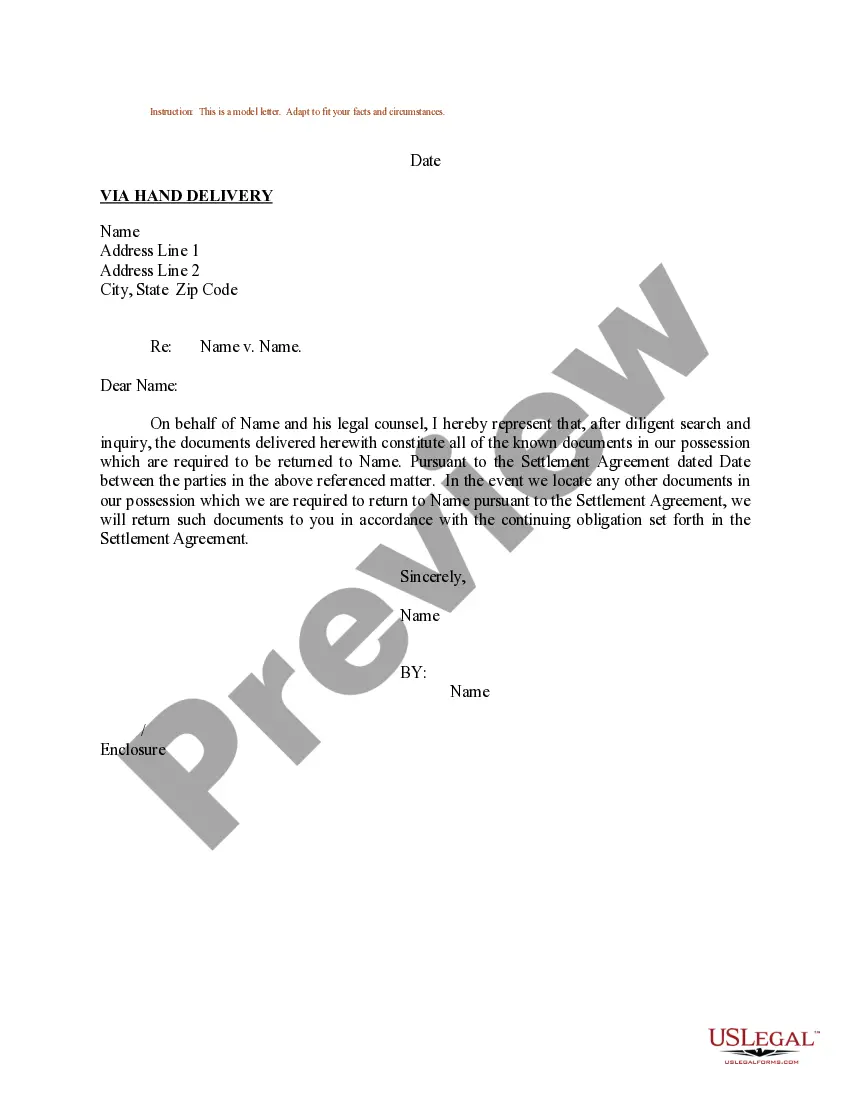
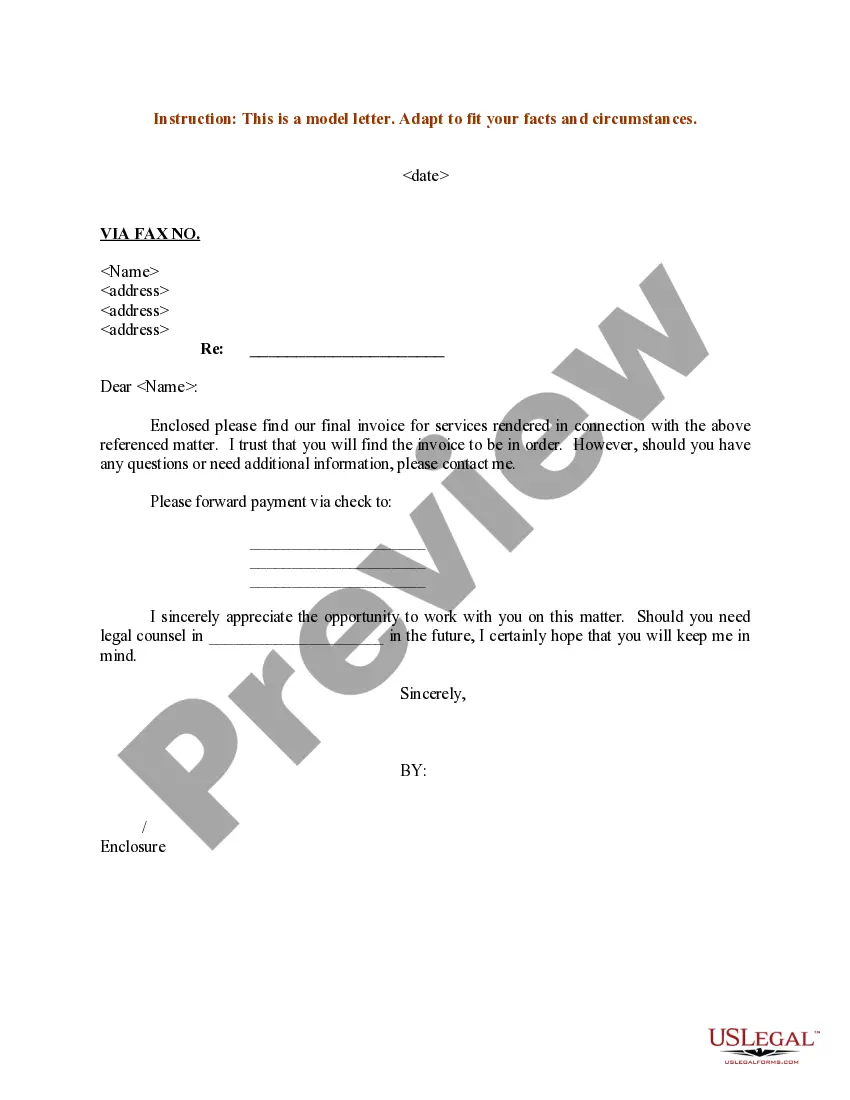
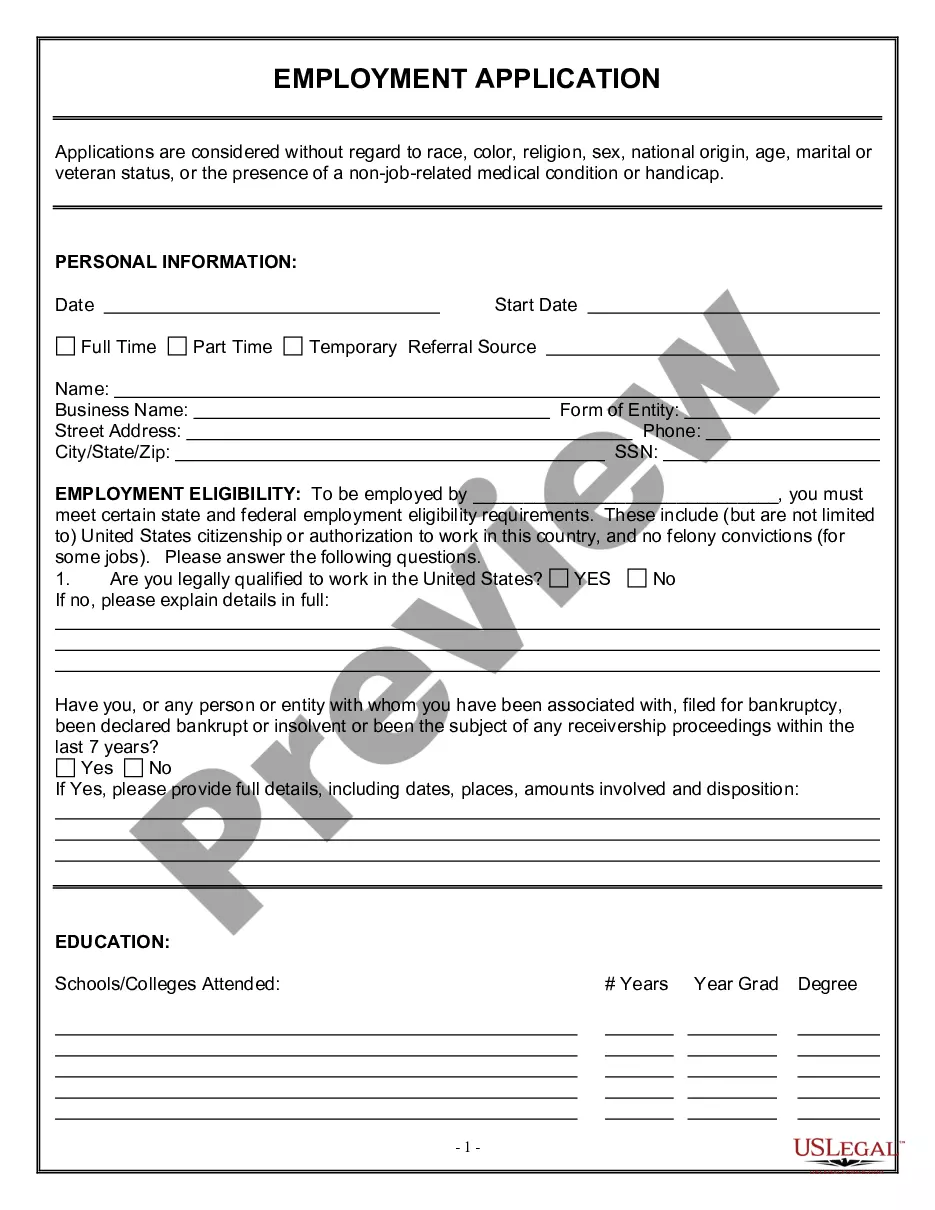
Sample Overpayment Letter To Customer For Credit Card In Broward
Description
Get your form ready online
Our built-in tools help you complete, sign, share, and store your documents in one place.
Make edits, fill in missing information, and update formatting in US Legal Forms—just like you would in MS Word.
Download a copy, print it, send it by email, or mail it via USPS—whatever works best for your next step.
Sign and collect signatures with our SignNow integration. Send to multiple recipients, set reminders, and more. Go Premium to unlock E-Sign.
If this form requires notarization, complete it online through a secure video call—no need to meet a notary in person or wait for an appointment.
We protect your documents and personal data by following strict security and privacy standards.

Make edits, fill in missing information, and update formatting in US Legal Forms—just like you would in MS Word.

Download a copy, print it, send it by email, or mail it via USPS—whatever works best for your next step.

Sign and collect signatures with our SignNow integration. Send to multiple recipients, set reminders, and more. Go Premium to unlock E-Sign.

If this form requires notarization, complete it online through a secure video call—no need to meet a notary in person or wait for an appointment.

We protect your documents and personal data by following strict security and privacy standards.
Looking for another form?









Form popularity
FAQ
Your letter should identify each item you dispute, state the facts, explain why you dispute the information, and ask that the business that supplied the information take action to have it removed or corrected. You may want to enclose a copy of your report with the item(s) in question circled.
The details of the transaction are as follows: • Date of transaction: INSERT DATE OF TRANSACTION • Amount of transaction:INSERT AMOUNT OF TRANSACTION • Name of merchant: INSERT NAME OF SELLER • Reasons for the request for chargeback: FOR EXAMPLE you did not receive the goods, they were faulty etc Please let me ...
Narrate what happened with dates. Second, include any supporting documents in dealing with merchant with your dispute. That makes the letter stronger. Also if you have a lawyer contact, add the name as a cc to the letter to give it added leverage. Finally, make mention of the length of time you have been a customer.
Here are six do's and don'ts to help you win disputes and minimize hassles. Don't delay. Do double-check. Don't leapfrog the merchant. Do call your card issuer ASAP if you suspect fraud. Do be patient. Don't lose track of paperwork.
It pays to speak up on credit card disputes. Half (50%) of American credit cardholders say they've disputed a claim — 96% of whom were successful in getting a resolution the most recent time.
Contact your credit card issuer: You can reach your credit card issuer by calling the number on the back of your card, emailing customer service, using the app to report the issue or submitting a written dispute.
