Punishment For Document Forgery In India In Wayne
Description

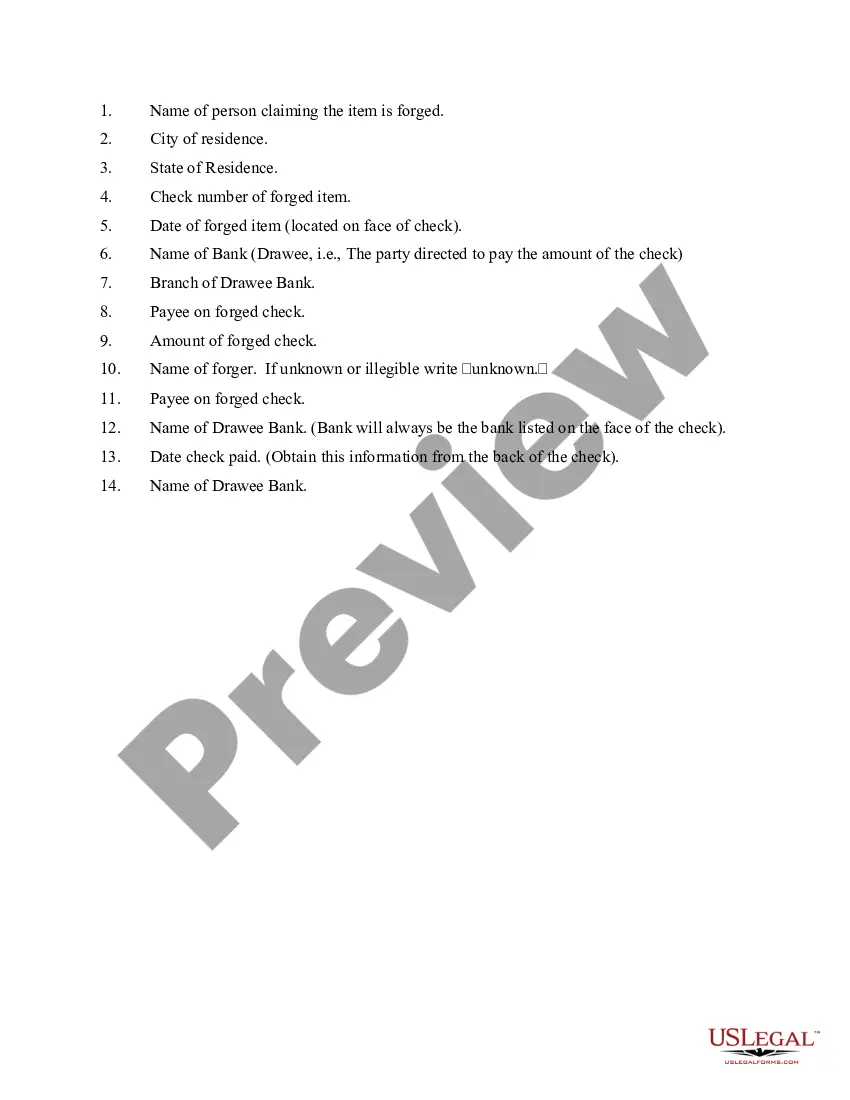
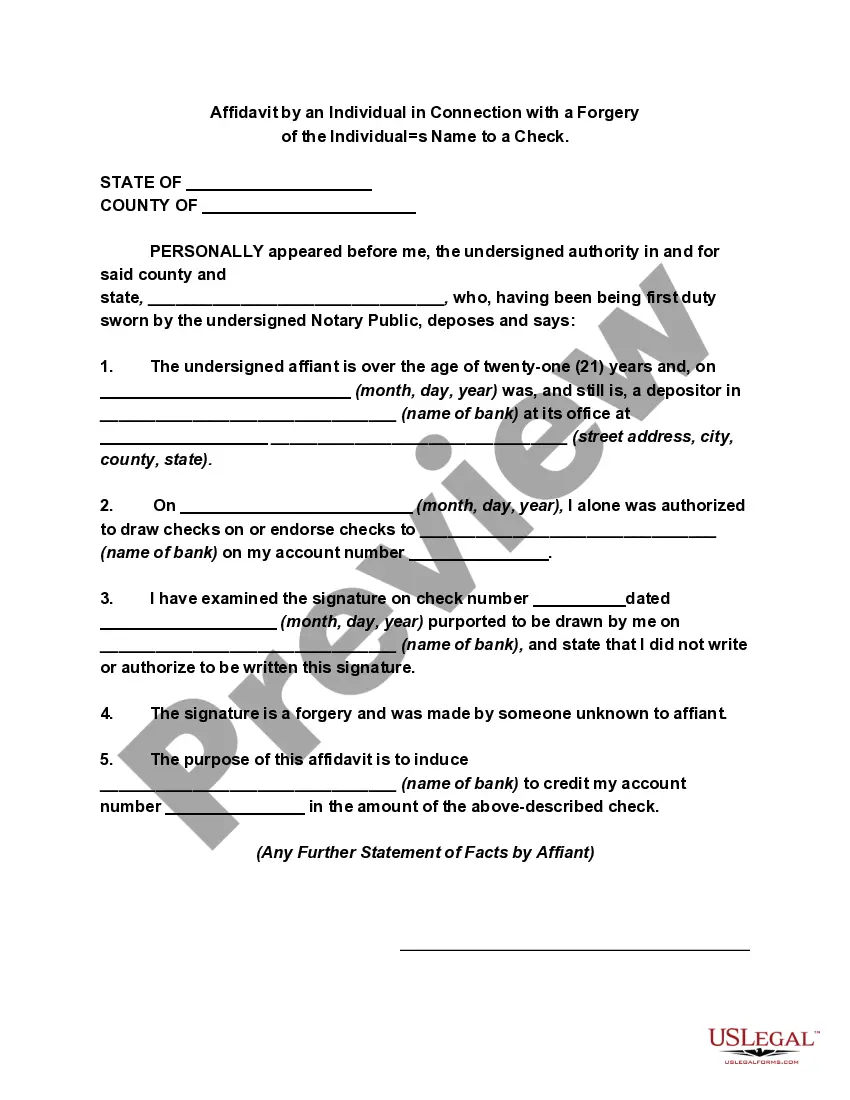
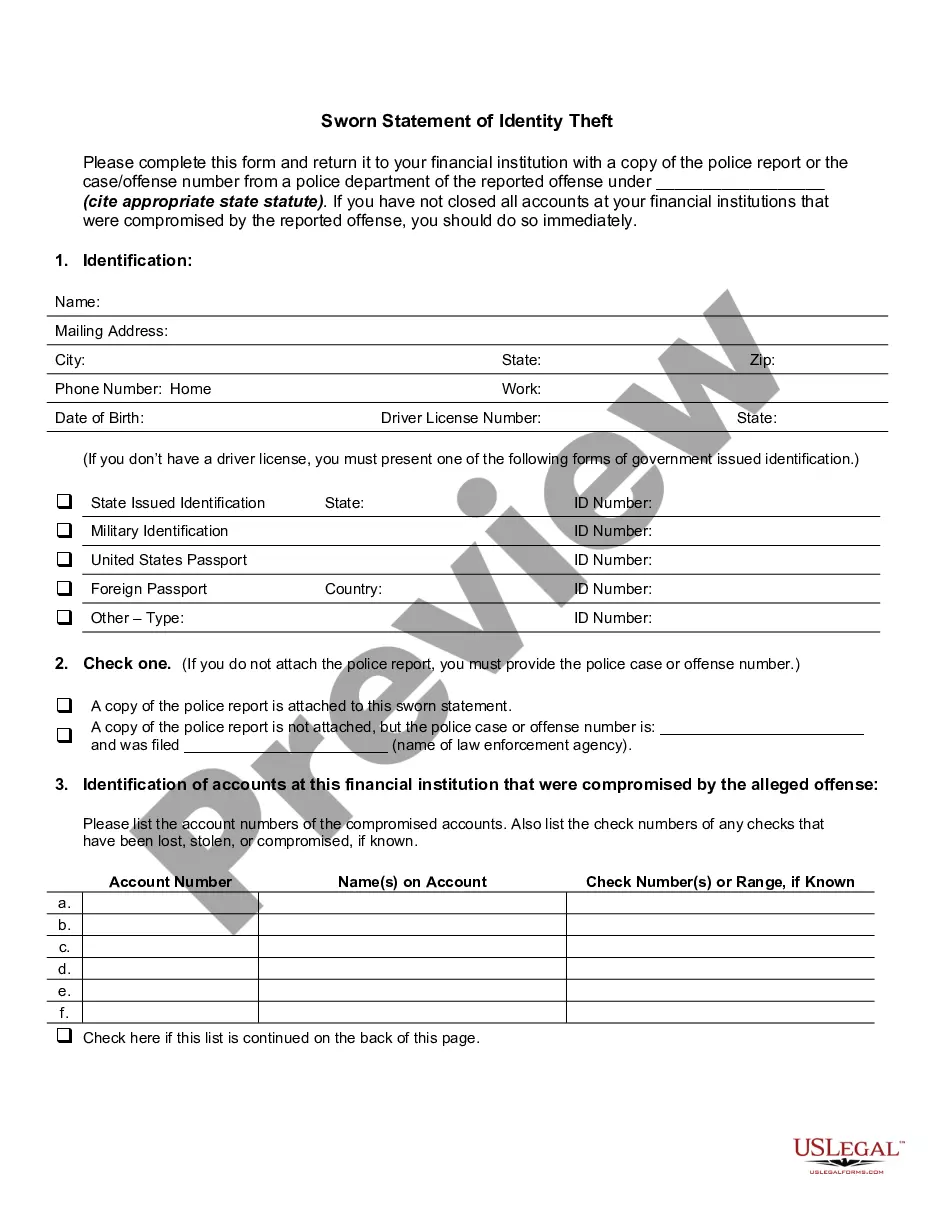
Get your form ready online
Our built-in tools help you complete, sign, share, and store your documents in one place.
Make edits, fill in missing information, and update formatting in US Legal Forms—just like you would in MS Word.
Download a copy, print it, send it by email, or mail it via USPS—whatever works best for your next step.
Sign and collect signatures with our SignNow integration. Send to multiple recipients, set reminders, and more. Go Premium to unlock E-Sign.
If this form requires notarization, complete it online through a secure video call—no need to meet a notary in person or wait for an appointment.
We protect your documents and personal data by following strict security and privacy standards.

Make edits, fill in missing information, and update formatting in US Legal Forms—just like you would in MS Word.

Download a copy, print it, send it by email, or mail it via USPS—whatever works best for your next step.

Sign and collect signatures with our SignNow integration. Send to multiple recipients, set reminders, and more. Go Premium to unlock E-Sign.

If this form requires notarization, complete it online through a secure video call—no need to meet a notary in person or wait for an appointment.

We protect your documents and personal data by following strict security and privacy standards.
Looking for another form?










Form popularity
FAQ
Is IPC 471 Bailable or Non-Bailable? The offense under IPC 471 is a non-cognizable and bailable offense, which means that the accused can claim bail as a matter of right, subject to certain conditions imposed by the court.
A person involved in making or using certificates can be charged under Sections 467, 468, and 471 IPC, along with cheating charges under Sections 419 and 420 IPC. The education certificate punishment includes a maximum 10-year imprisonment plus a fine.
Forgery is a criminal offense. Generally, forgery charges are charged at the state level, but they can be charged as federal crimes in certain circumstances. The details of your case determine whether the case will be tried in state or federal court and the applicable laws.
Whoever commits forgery shall be punished with imprisonment of either description for a term which may extend to two years, or with fine, or with both.
Section 66C – Identity Theft Punishment: Up to 3 years imprisonment and a fine of ₹1 lakh If someone uses another person's name, photo, or personal details to create a profile, they can be charged under this section.
