Fake Forged Document In Wake
Description

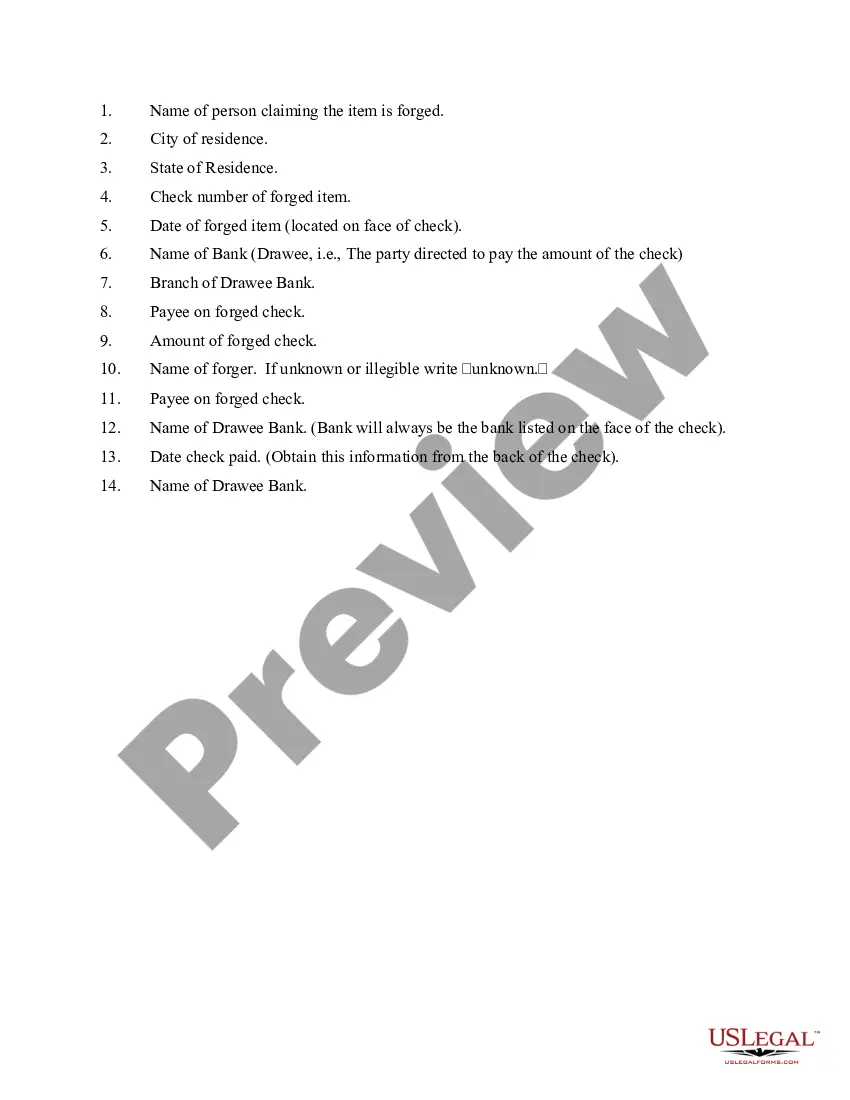
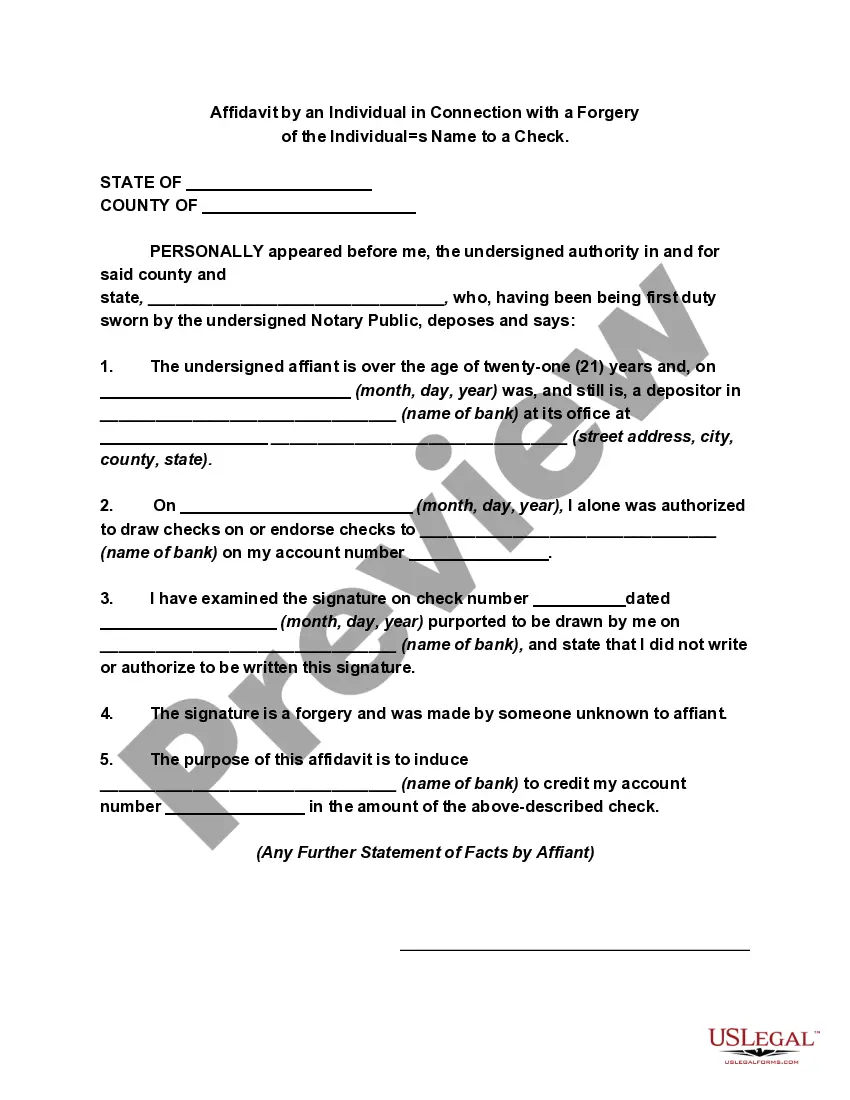
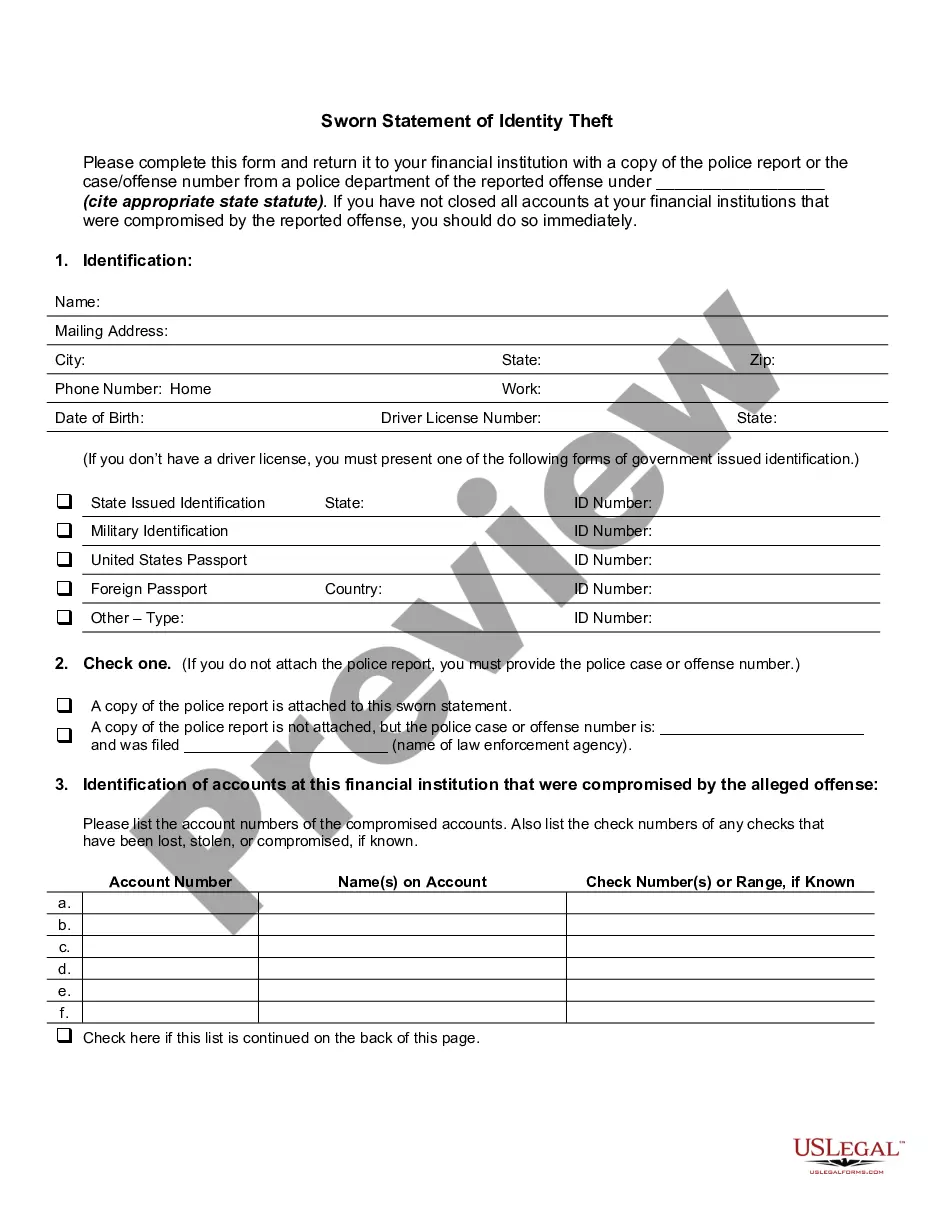
Get your form ready online
Our built-in tools help you complete, sign, share, and store your documents in one place.
Make edits, fill in missing information, and update formatting in US Legal Forms—just like you would in MS Word.
Download a copy, print it, send it by email, or mail it via USPS—whatever works best for your next step.
Sign and collect signatures with our SignNow integration. Send to multiple recipients, set reminders, and more. Go Premium to unlock E-Sign.
If this form requires notarization, complete it online through a secure video call—no need to meet a notary in person or wait for an appointment.
We protect your documents and personal data by following strict security and privacy standards.

Make edits, fill in missing information, and update formatting in US Legal Forms—just like you would in MS Word.

Download a copy, print it, send it by email, or mail it via USPS—whatever works best for your next step.

Sign and collect signatures with our SignNow integration. Send to multiple recipients, set reminders, and more. Go Premium to unlock E-Sign.

If this form requires notarization, complete it online through a secure video call—no need to meet a notary in person or wait for an appointment.

We protect your documents and personal data by following strict security and privacy standards.
Looking for another form?







Form popularity
FAQ
Here are the most effective methods for detecting the difference between a genuine and a forged signature: Observe Changes in Motion. Pen Pressure and Stroke Path. Letter Formation and Consistency. Speed and Rhythm of Signing. Digital Signature Verification Systems. Optical Character Recognition (OCR) and Image Analysis.
Traced forgeries are generally created by one of three methods: “transmitted light,” “carbon intermediate,” or “pressure indented image.” While tracings may not normally present much of a challenge to the document examiner trying to determine genuineness, the ability to identify the perpetrator is totally precluded.
Banks, intelligence agencies, election officials, and several other types of organizations use signature verification tools to verify people's identities. Manually or electronically, people at these organizations compare presented signatures with images of reference signatures to look for signs of forgeries.
Trace-over forgery: Forgers may place a genuine signature under a blank sheet of paper and trace over it to create a replica. This method allows them to replicate the exact strokes and characteristics of the original signature.
Banks can use signature verification tools to detect forged signatures. However, to prove the forgery, they may also need the accountholder to sign an affidavit affirming that they did not authorize or sign the check. They may also use security footage to see who deposited the check or learn more about the crime.
Forgeries are pointed out in the inspection mode by highlighting valid seals displayed in the rulebook and a forged seal on a document (or the entire document if the seal is missing).
These days, you can detect document fraud thanks to artificial intelligence (AI) and machine learning to analyze metadata, visual structure, and internal integrity for signs of forgery.
One of the easiest ways to spot a document online is to look for inconsistencies in the information presented. For example, the document is likely if you come across a diploma or degree with spelling errors, incorrect dates, or other obvious mistakes.
There are two ways businesses can detect fraudulent documents: manual verification and automated fraud detection solutions. Some of the obvious signs fraud analysts can look for in tampered documents are: Missing or altered numbers. Data entry errors such as spelling mistakes, incorrect dates.
Inconsistencies in signature appearance: The most common indicator is inconsistency between signatures. Look for variations in style, and it'll be easy to detect forgery. Pressure or shaky lines: Most forgers change the pen pressure and speed to replicate a signature.