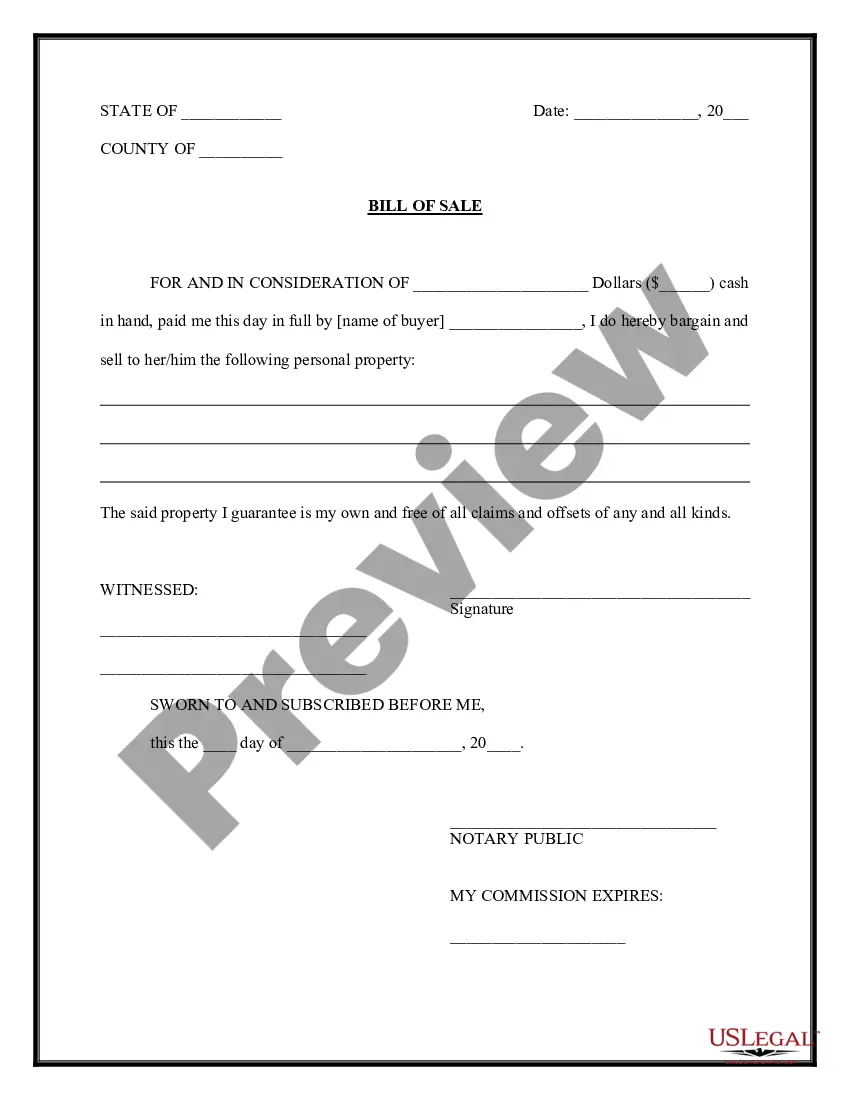
Examples Of Forged Documents In Virginia
Description

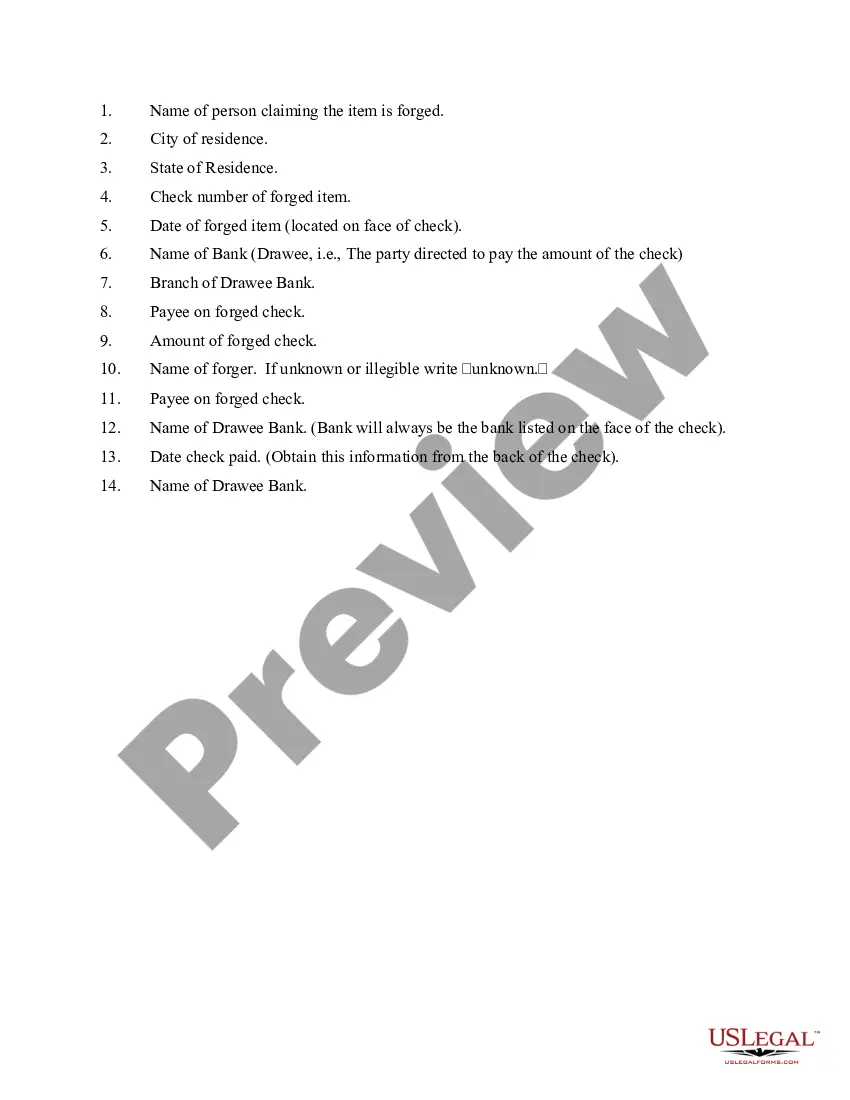
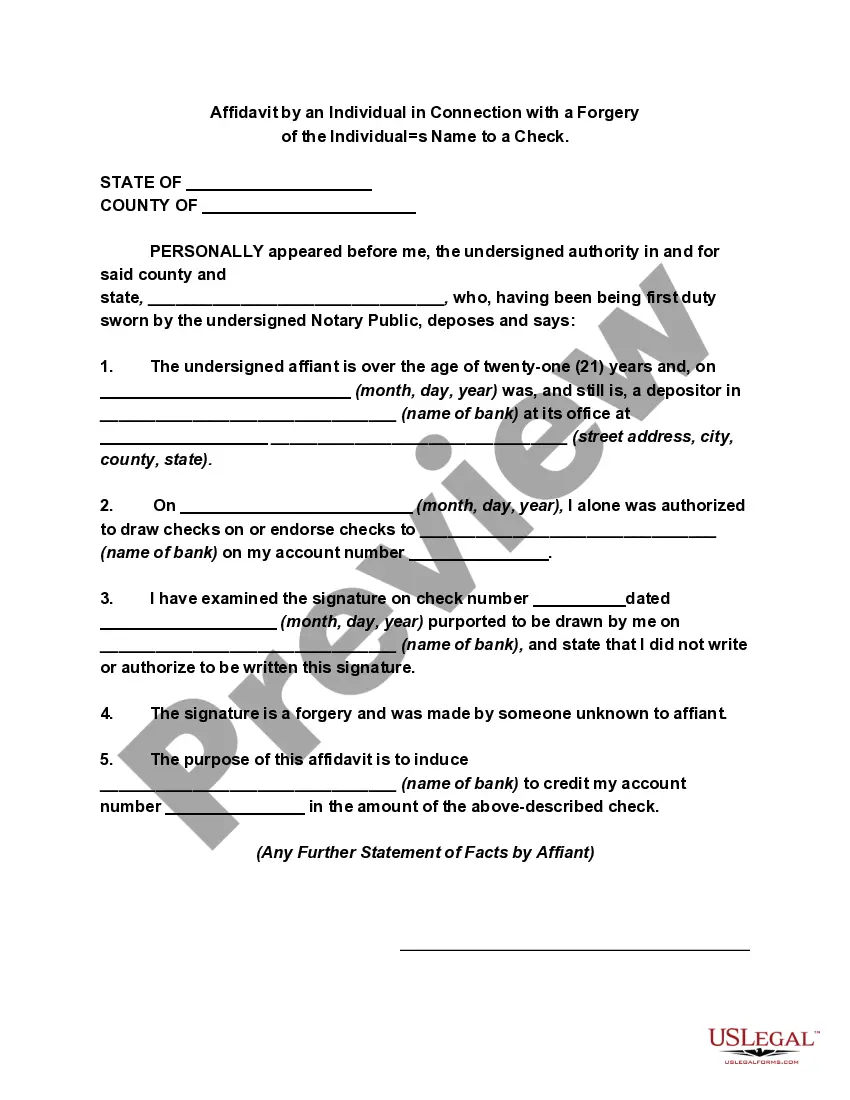
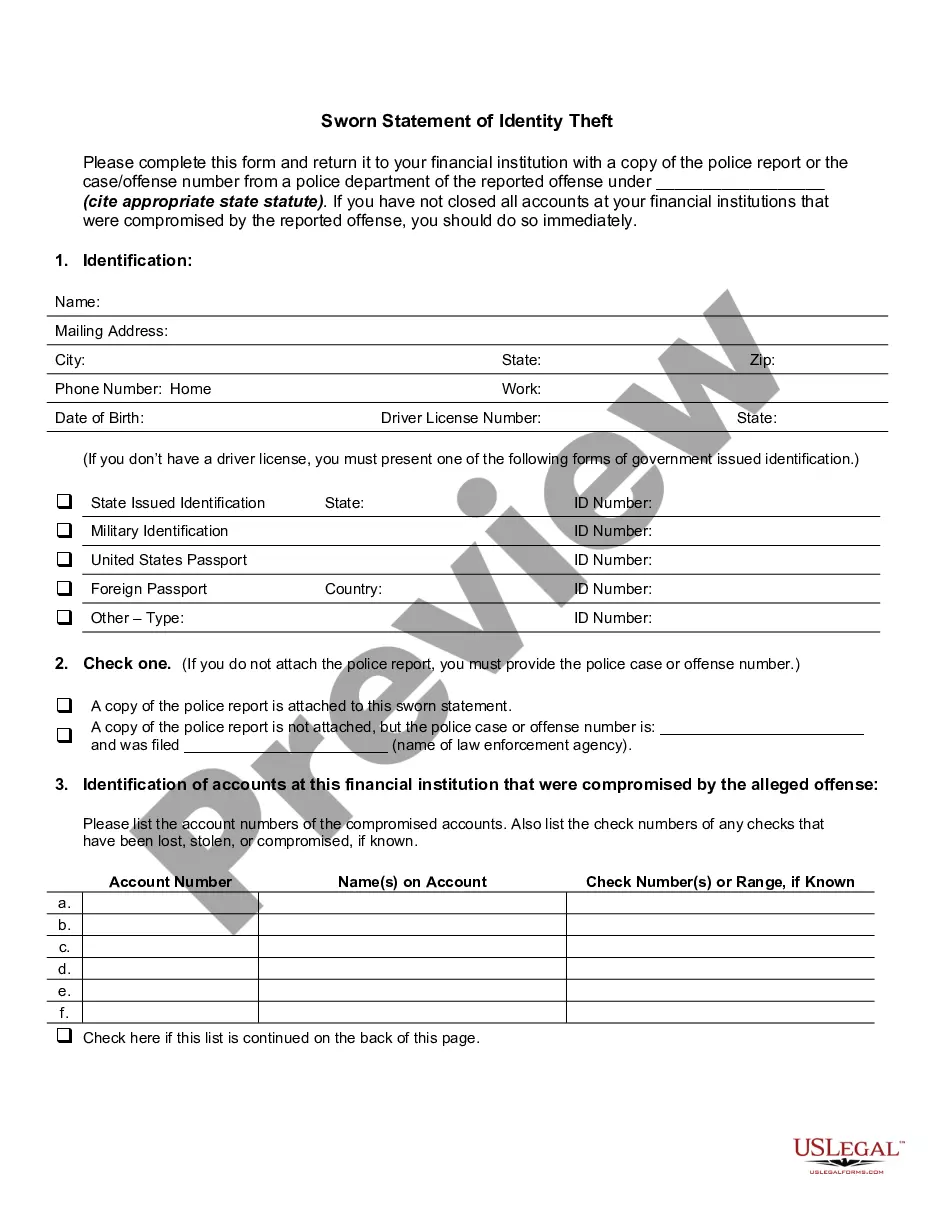
Get your form ready online
Our built-in tools help you complete, sign, share, and store your documents in one place.
Make edits, fill in missing information, and update formatting in US Legal Forms—just like you would in MS Word.
Download a copy, print it, send it by email, or mail it via USPS—whatever works best for your next step.
Sign and collect signatures with our SignNow integration. Send to multiple recipients, set reminders, and more. Go Premium to unlock E-Sign.
If this form requires notarization, complete it online through a secure video call—no need to meet a notary in person or wait for an appointment.
We protect your documents and personal data by following strict security and privacy standards.

Make edits, fill in missing information, and update formatting in US Legal Forms—just like you would in MS Word.

Download a copy, print it, send it by email, or mail it via USPS—whatever works best for your next step.

Sign and collect signatures with our SignNow integration. Send to multiple recipients, set reminders, and more. Go Premium to unlock E-Sign.

If this form requires notarization, complete it online through a secure video call—no need to meet a notary in person or wait for an appointment.

We protect your documents and personal data by following strict security and privacy standards.
Looking for another form?









Form popularity
FAQ
If d documents are produced by amateurs there are some key slip-ups you can spot. Numbers missing or not adding up. Data entry errors. Altered elements. Edited logos.
It shall be unlawful for any person to point, hold, or brandish a machete or any weapon, with an exposed blade 12 inches or longer, with the intent of intimidating any person or group of persons and in a manner that reasonably demonstrates that intent.
The most common types of forged documents include: Fraudulent passports. False driver's licenses. Forged account numbers and signatures on a check.
It is a Class 4 felony to forge public records in violation of Section 18.2-168. Upon conviction, the punishment can include a prison sentence between two and 10 years as well as criminal fines up to $100,000. The laws against forgery of coins or banknotes appear at Code of Virginia Section 18.2-170.
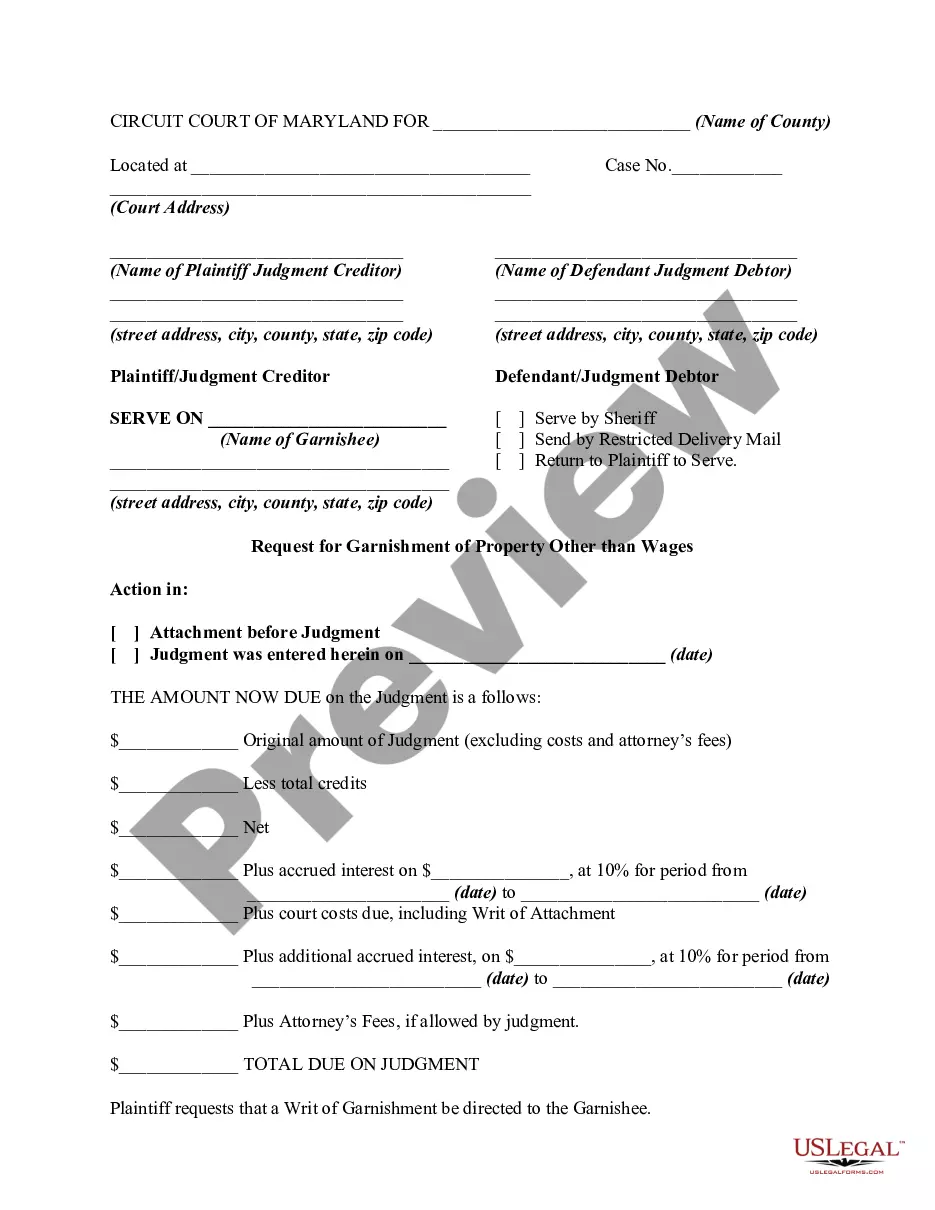
The summons in garnishment, whether issued by a circuit court or a district court, may be directed to a sheriff of any county or city wherein the judgment debtor resides or where the garnishment defendant resides or where either may be found and shall be made returnable to the court that issued it within 90 days from ...
§ 18.2-172. If any person forge any writing, other than such as is mentioned in §§ 18.2-168 and 18.2-170, to the prejudice of another's right, or utter, or attempt to employ as true, such forged writing, knowing it to be forged, he shall be guilty of a Class 5 felony.
§ 46.2-605. Altering or forging certificate of title, salvage/nonrepairable certificate, or registration card; penalty.
Altering Documents Changing the information or images on an existing document is also forgery. Examples include altering the birthdate on a driver's license, changing the photo on a passport, or using a ID.
Document: The document is the object of forgery. Common documents that may be forged include contracts, deeds, checks, identification cards, government records, and legal documents like passports.
The laws against forgery of writings appear at Code of Virginia Section 18.2-172. This section makes it unlawful to: Forge any writing that could prejudice the rights of another person; Utter or attempt to employ as valid any forged writing, knowing that it was forged; or.