Forgery With Consent Philippines In San Bernardino
Description

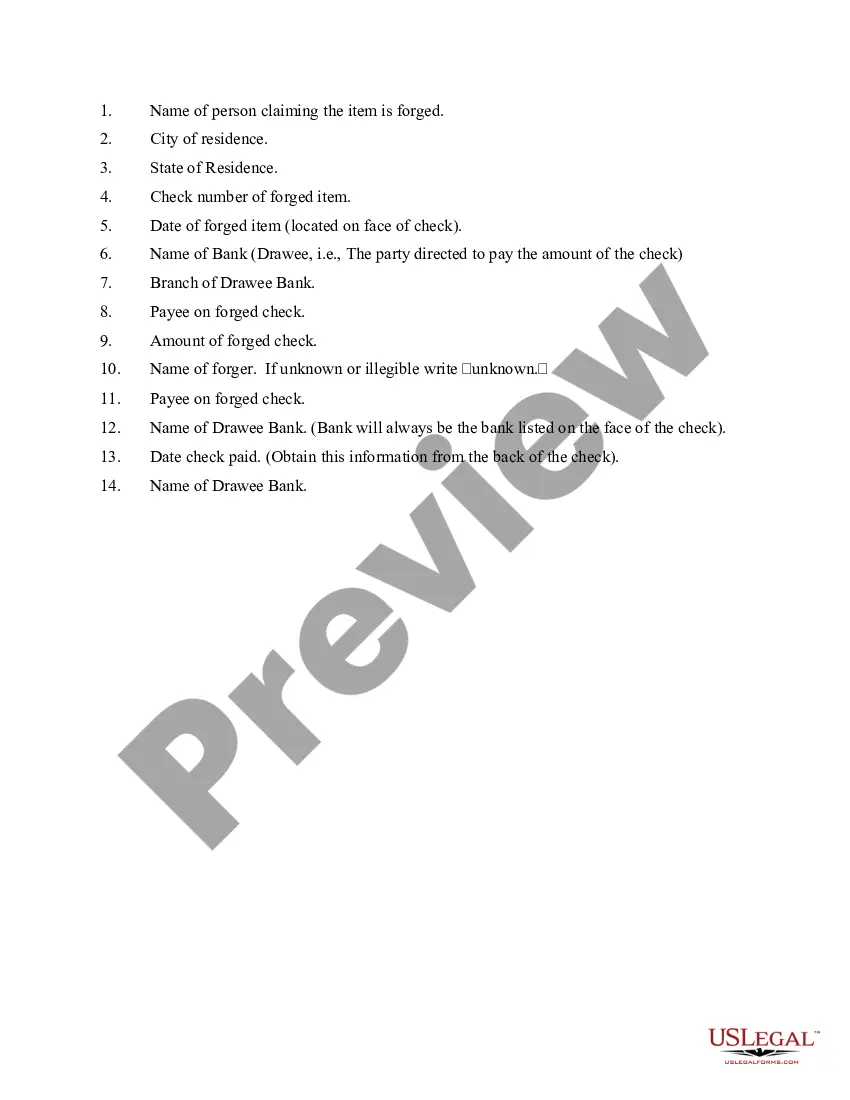
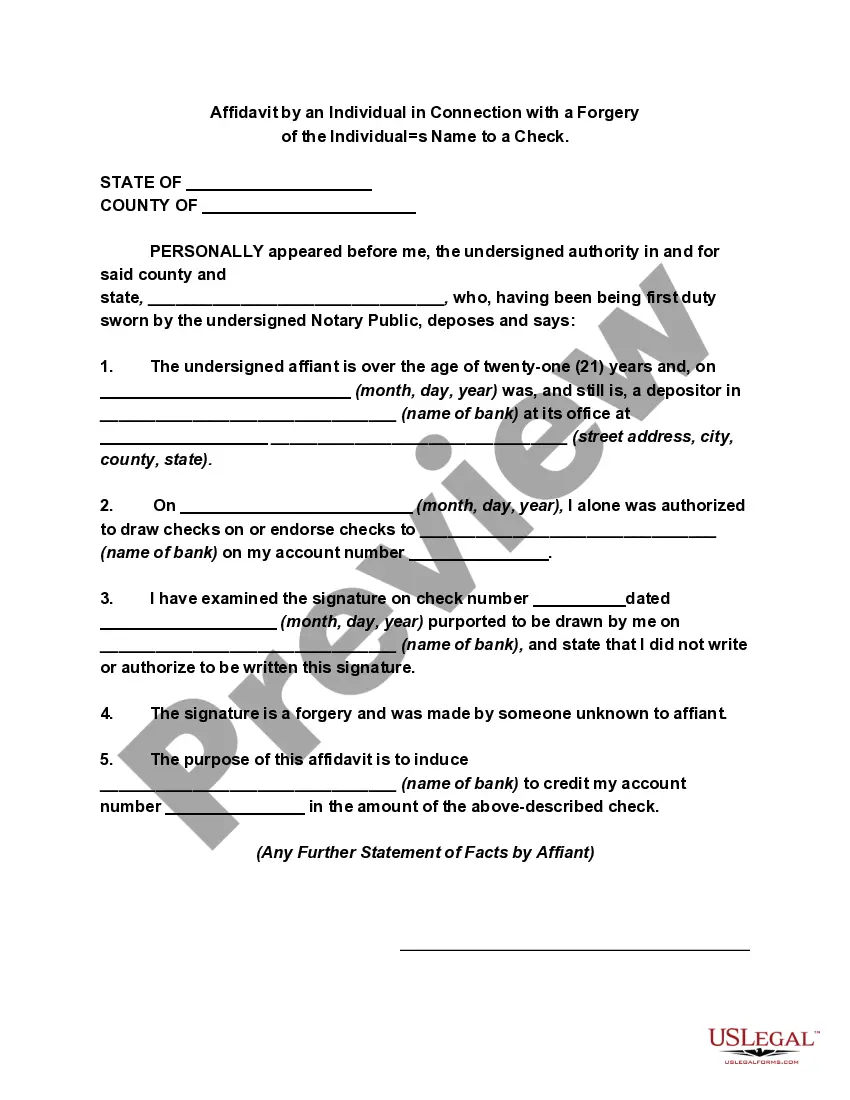
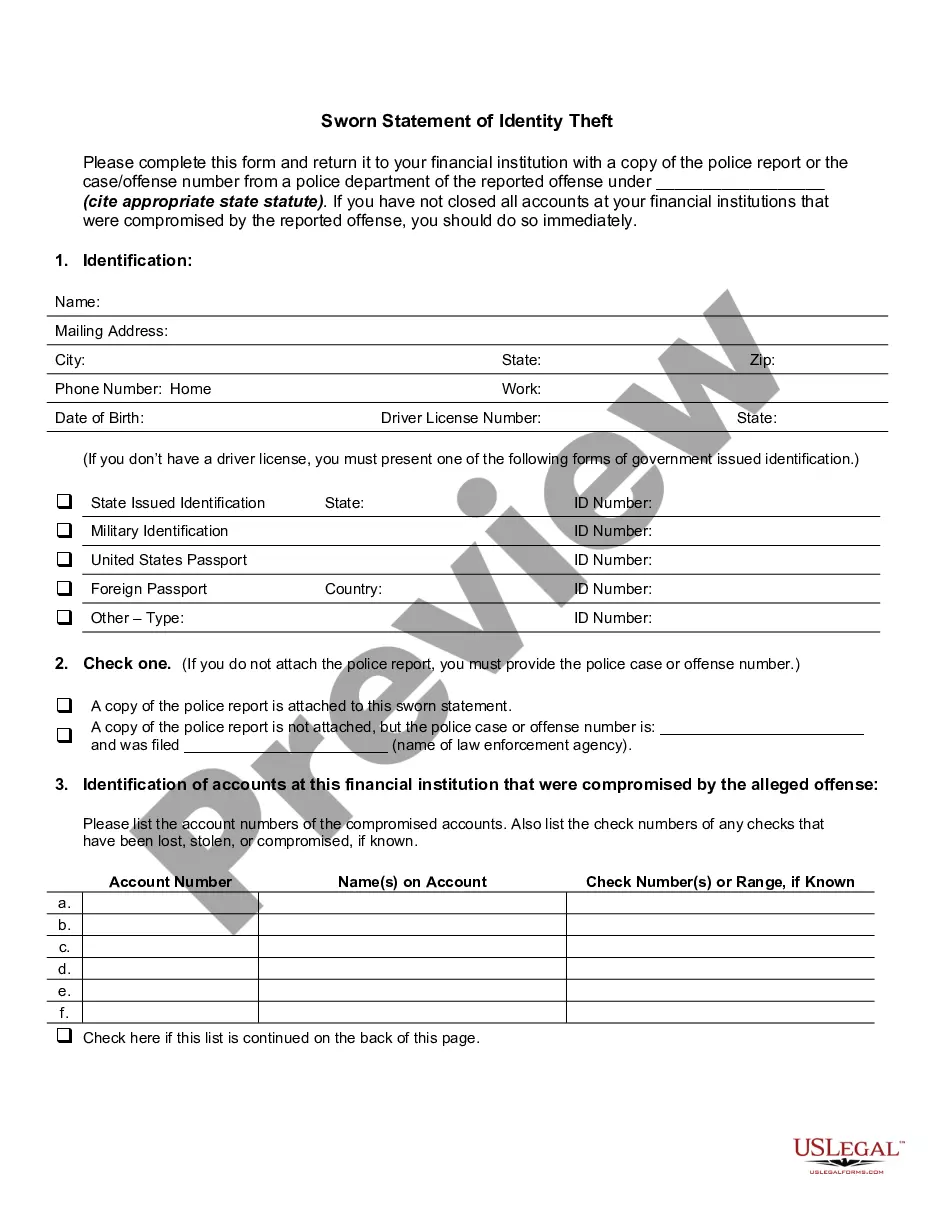
Get your form ready online
Our built-in tools help you complete, sign, share, and store your documents in one place.
Make edits, fill in missing information, and update formatting in US Legal Forms—just like you would in MS Word.
Download a copy, print it, send it by email, or mail it via USPS—whatever works best for your next step.
Sign and collect signatures with our SignNow integration. Send to multiple recipients, set reminders, and more. Go Premium to unlock E-Sign.
If this form requires notarization, complete it online through a secure video call—no need to meet a notary in person or wait for an appointment.
We protect your documents and personal data by following strict security and privacy standards.

Make edits, fill in missing information, and update formatting in US Legal Forms—just like you would in MS Word.

Download a copy, print it, send it by email, or mail it via USPS—whatever works best for your next step.

Sign and collect signatures with our SignNow integration. Send to multiple recipients, set reminders, and more. Go Premium to unlock E-Sign.

If this form requires notarization, complete it online through a secure video call—no need to meet a notary in person or wait for an appointment.

We protect your documents and personal data by following strict security and privacy standards.
Looking for another form?








Form popularity
FAQ
A textbook definition of forgery is the making of a false document with the intent that it should be used or acted upon as if it's genuine. Therefore, the falsification of document includes altering a genuine document in any material part.
Forgery: This involves the act of fraudulently making or altering a document to the prejudice of another's rights. Falsification: This involves the intentional act of imitating or altering an authentic document to misrepresent its content.
Common penalties include: For public documents: If the falsification involves public or official documents, such as government-issued certificates, passports, or deeds, the offender may face reclusión temporal (imprisonment ranging from 12 years and 1 day to 20 years).
Legal Implications of Forged Signatures Under Philippine law, forgery is a criminal offense.
The fact of forgery can only be established by a comparison between the alleged forged signature and the authentic and genuine signature of the person whose signature is theorized to have been forged.
For private documents: If the forgery or falsification involves private documents, such as contracts, wills, or personal agreements, the penalty could be prisión correccional (imprisonment from 6 months to 6 years).
Under Article 171 of the Revised Penal Code, the penalty for falsification of public documents is prision mayor, which is a type of imprisonment ranging from six (6) years and one (1) day to twelve (12) years. The length of imprisonment depends on the circumstances surrounding the case and the discretion of the court.
Investigators analyze and compare various traits, such as the appearance of letters, of suspicious documents with known samples to help identify the author of the document. Investigators might also be asked to detect changes that may have occurred in an original document.
To establish forgery, the extent, kind and significance of the variation in the standard and disputed signatures must be demonstrated; it must be proved that the variation is due to the operation of a different personality and not merely an expected and inevitable variation found in the genuine writing of the same ...
A textbook definition of forgery is the making of a false document with the intent that it should be used or acted upon as if it's genuine. Therefore, the falsification of document includes altering a genuine document in any material part.
