Forgery Forged Document In Salt Lake
Description

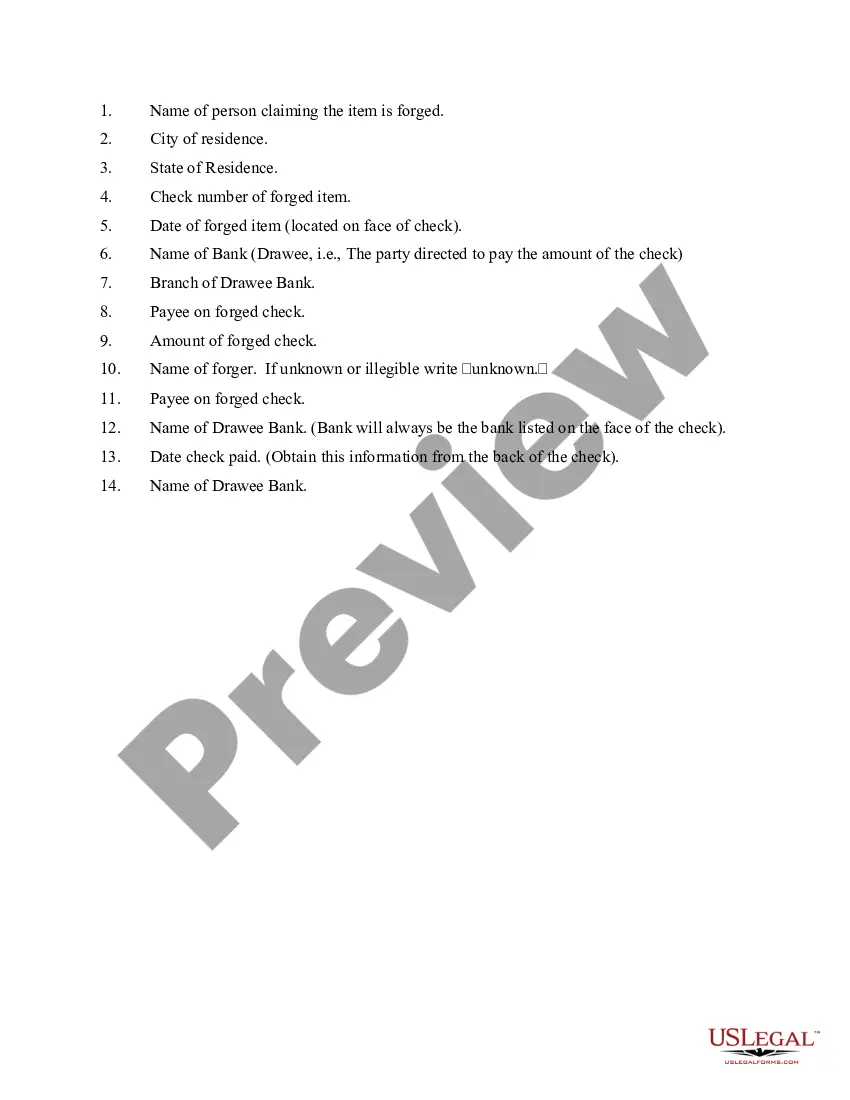
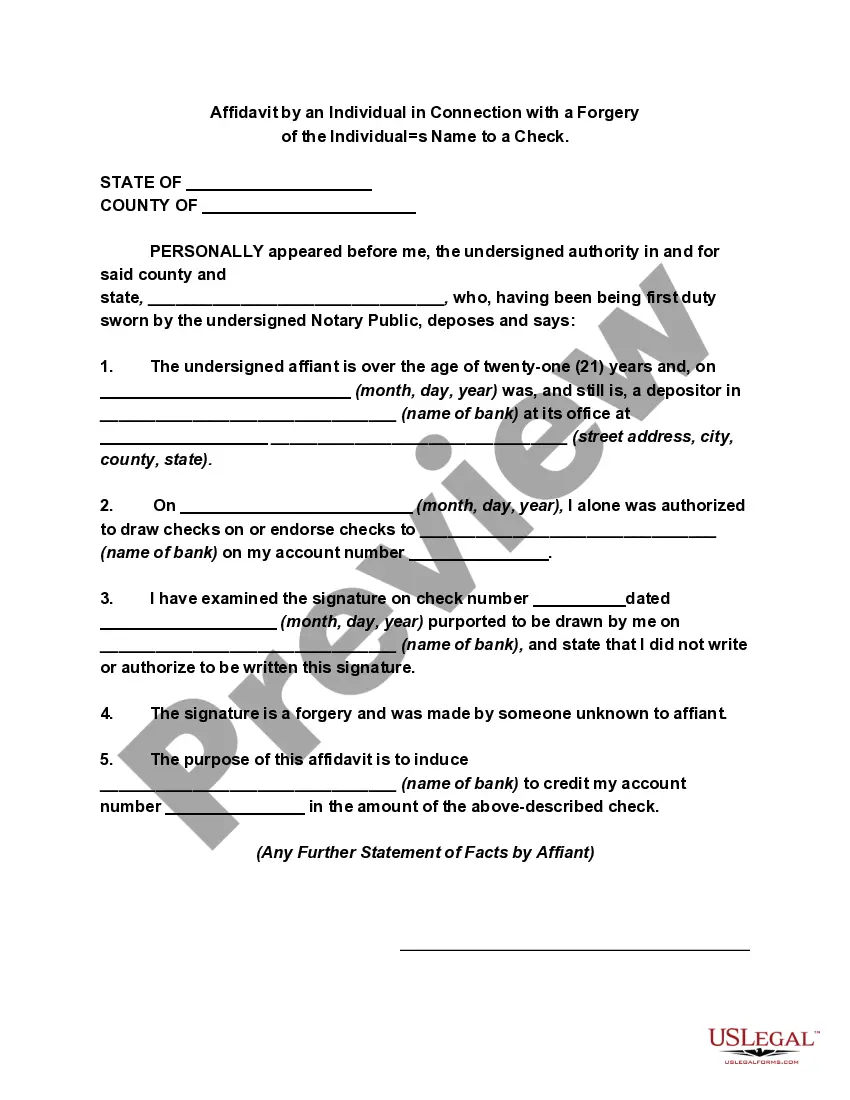
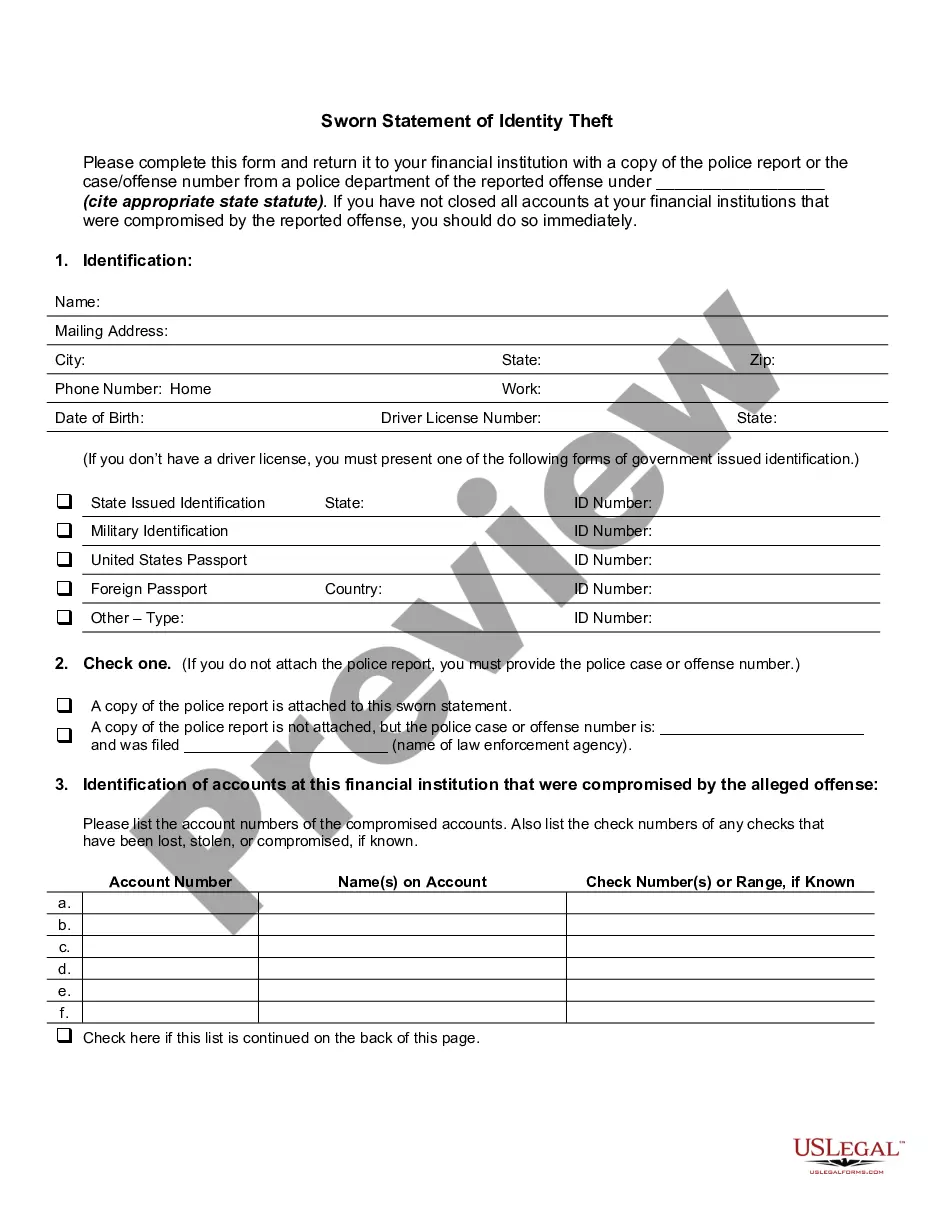
Get your form ready online
Our built-in tools help you complete, sign, share, and store your documents in one place.
Make edits, fill in missing information, and update formatting in US Legal Forms—just like you would in MS Word.
Download a copy, print it, send it by email, or mail it via USPS—whatever works best for your next step.
Sign and collect signatures with our SignNow integration. Send to multiple recipients, set reminders, and more. Go Premium to unlock E-Sign.
If this form requires notarization, complete it online through a secure video call—no need to meet a notary in person or wait for an appointment.
We protect your documents and personal data by following strict security and privacy standards.

Make edits, fill in missing information, and update formatting in US Legal Forms—just like you would in MS Word.

Download a copy, print it, send it by email, or mail it via USPS—whatever works best for your next step.

Sign and collect signatures with our SignNow integration. Send to multiple recipients, set reminders, and more. Go Premium to unlock E-Sign.

If this form requires notarization, complete it online through a secure video call—no need to meet a notary in person or wait for an appointment.

We protect your documents and personal data by following strict security and privacy standards.
Looking for another form?








Form popularity
FAQ
Defenses Against Forgery Charges Lack of fraudulent intent — If you did not have the intention to defraud, you may have a valid defense to forgery charges. Document Lacks Legal Significance — To be considered forgery, the document in question must have some sort of legal importance.
Certificate of acknowledgment, proof of execution, jurat, or other certificate required -- Notarial acts affecting real property -- Right to record documents unaffected by subdivision ordinances.
The crime of possession of a controlled substance (Schedule I or II) with intent to distribute is a second-degree felony under Utah code 58-37-8. This penalty applies to controlled substances such as , , , LSD, and methamphetamines.
Theft -- Elements. Terms defined in Section 76-1-101.5 apply to this section. An actor commits theft if the actor obtains or exercises unauthorized control over another person's property with a purpose to deprive the person of the person's property.
A forgery offense can be committed in the following ways: By signing someone else's name without the other person's authority (California Penal Code Section 470(a) PC) By counterfeiting or forging another person's handwriting or seal on a document (California Penal Code Section 470(b) PC)
76-6-502. Possession of forged writing or device for a forgery writing. "Device" means any equipment, mechanism, material, or program. "Writing" means the same as that term is defined in Section 76-6-501.
Whoever commits forgery shall be punished with imprisonment of either description for a term which may extend to two years, or with fine, or with both.
Penalties. Forgery is a third degree felony, which is punishable by a prison sentence of 0-5 years in the Utah State Penitentiary and a fine of $5,000.
Forgery is a criminal offense. Generally, forgery charges are charged at the state level, but they can be charged as federal crimes in certain circumstances. The details of your case determine whether the case will be tried in state or federal court and the applicable laws.
