Forgery Forged Document In New York
Description

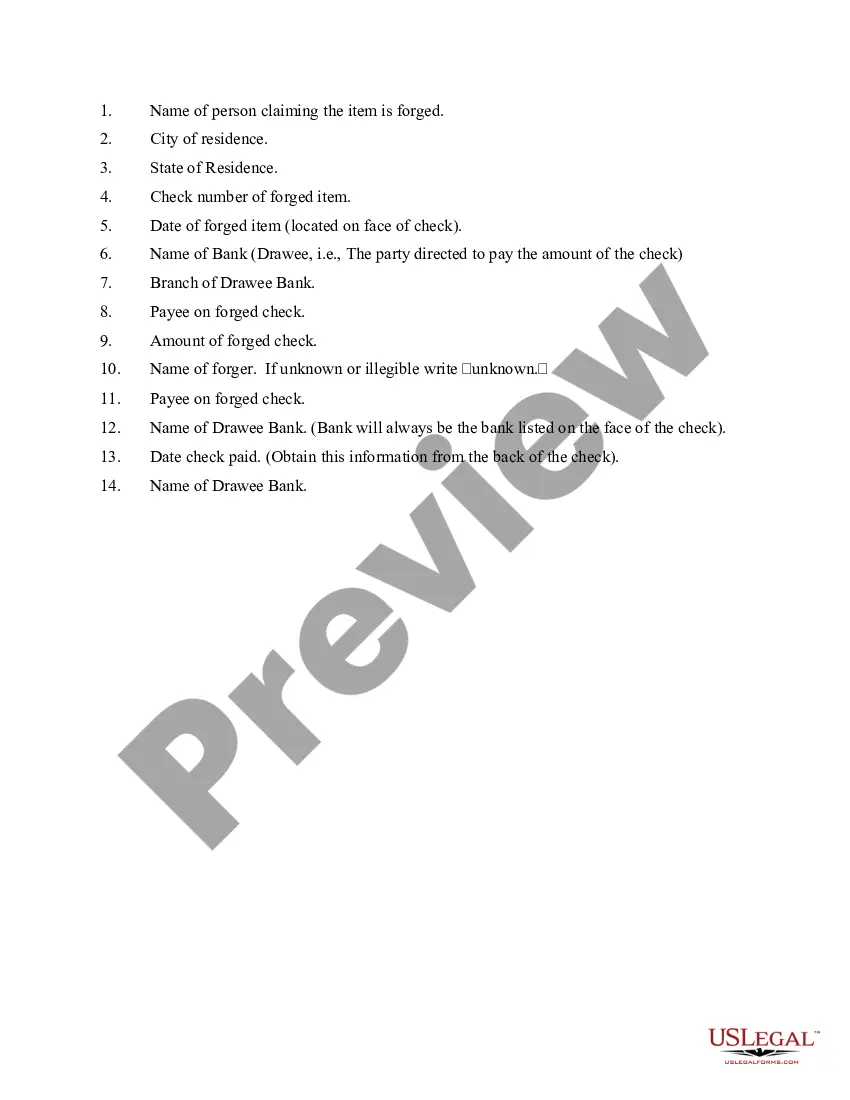
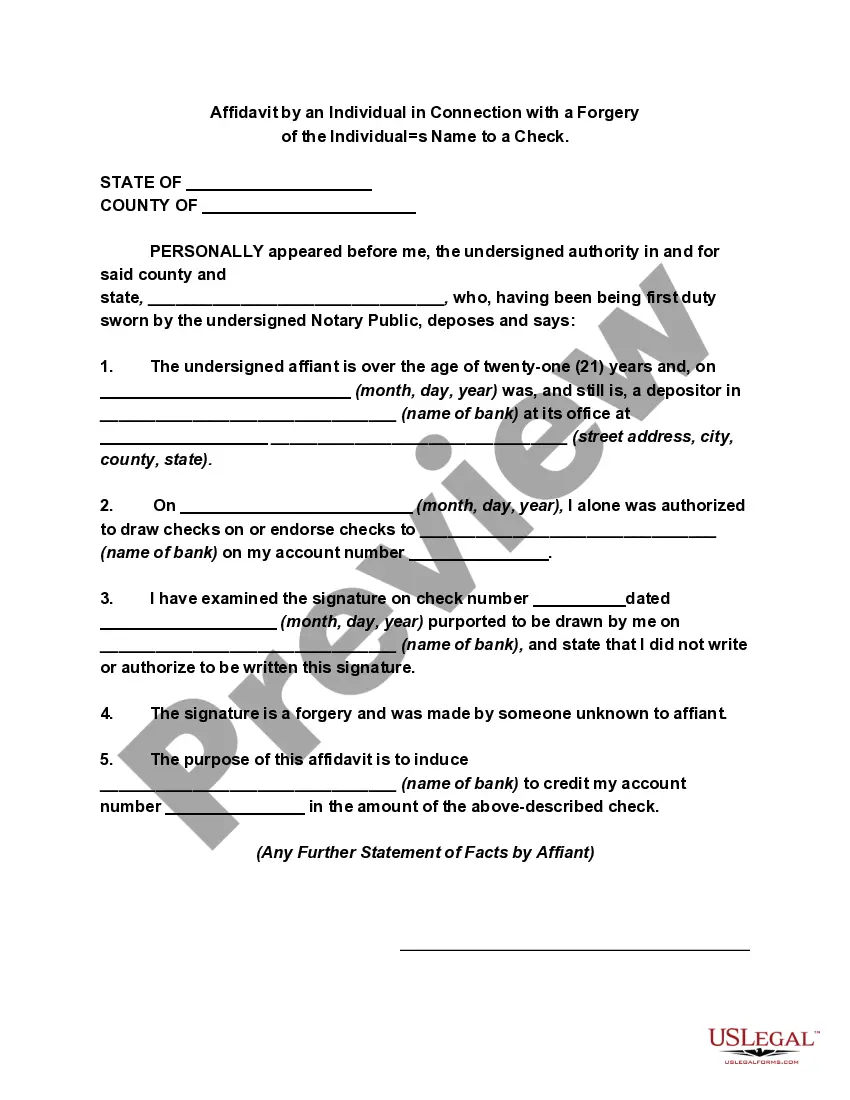
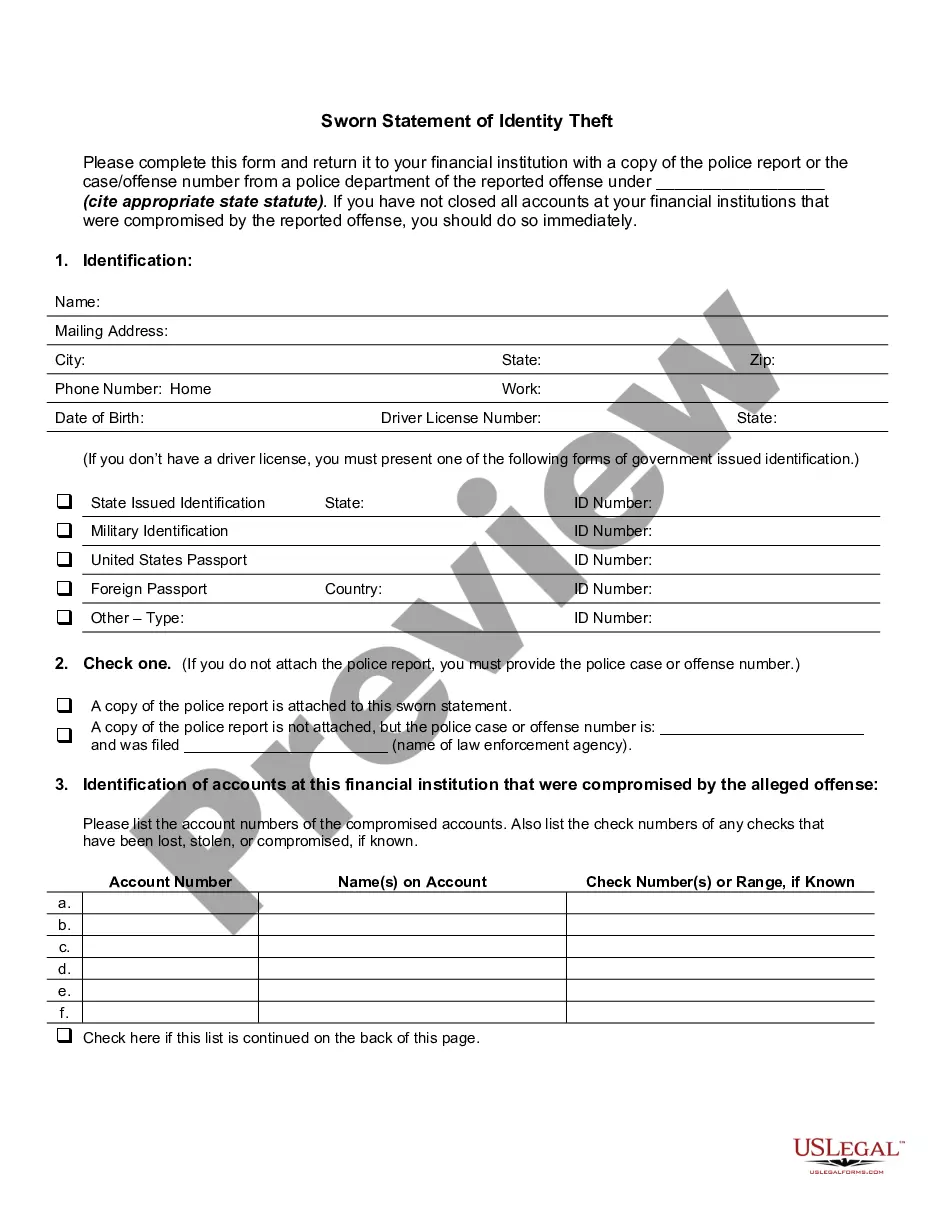
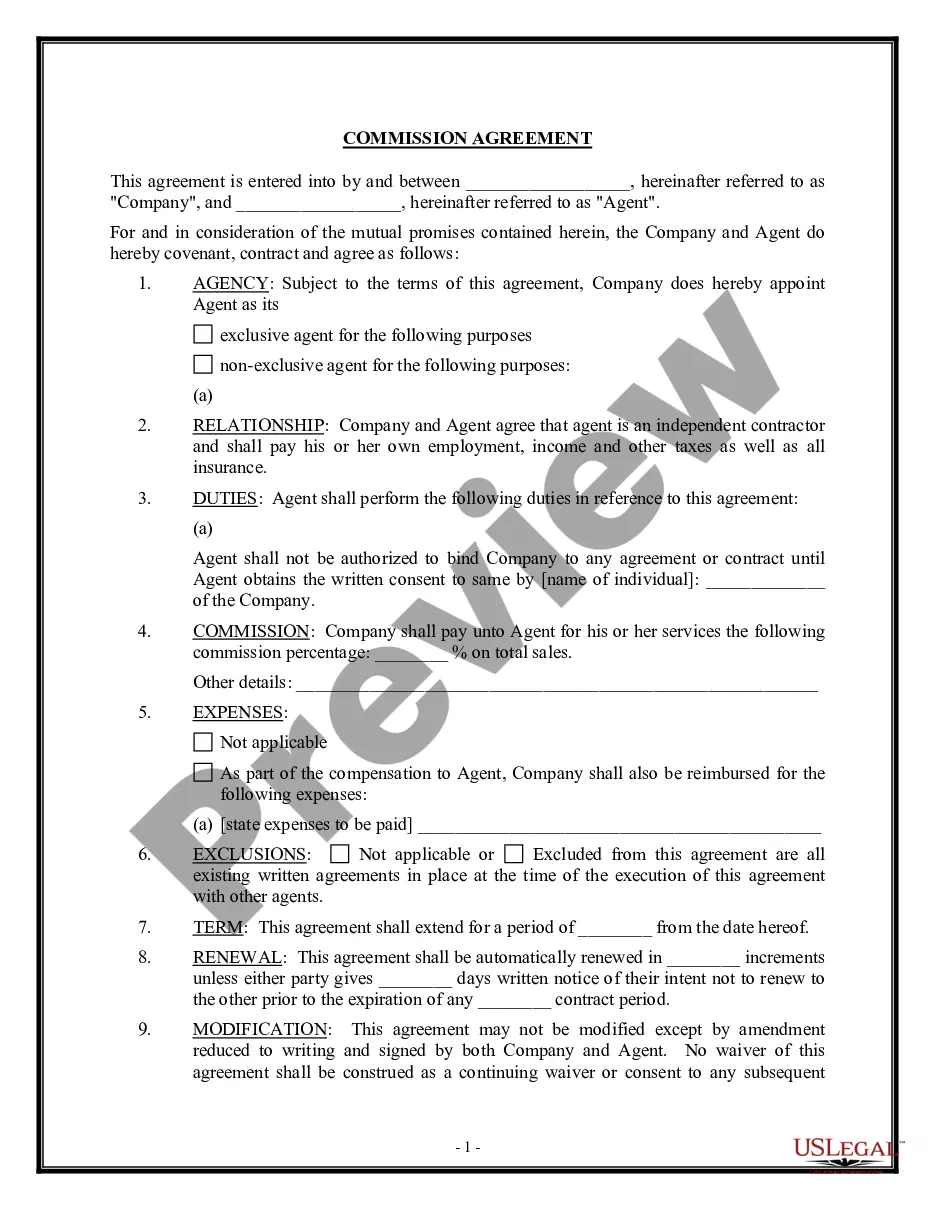
Get your form ready online
Our built-in tools help you complete, sign, share, and store your documents in one place.
Make edits, fill in missing information, and update formatting in US Legal Forms—just like you would in MS Word.
Download a copy, print it, send it by email, or mail it via USPS—whatever works best for your next step.
Sign and collect signatures with our SignNow integration. Send to multiple recipients, set reminders, and more. Go Premium to unlock E-Sign.
If this form requires notarization, complete it online through a secure video call—no need to meet a notary in person or wait for an appointment.
We protect your documents and personal data by following strict security and privacy standards.

Make edits, fill in missing information, and update formatting in US Legal Forms—just like you would in MS Word.

Download a copy, print it, send it by email, or mail it via USPS—whatever works best for your next step.

Sign and collect signatures with our SignNow integration. Send to multiple recipients, set reminders, and more. Go Premium to unlock E-Sign.

If this form requires notarization, complete it online through a secure video call—no need to meet a notary in person or wait for an appointment.

We protect your documents and personal data by following strict security and privacy standards.
Looking for another form?









Form popularity
FAQ
First Degree Falsifying Business Records: Penalty and Punishment. Any felony crime is punishable or potentially sanctionable by more than one year in jail. This crime is no exception. Upon conviction, a court can sentence you to up to four years in prison.
Simply, if you delete, alter or make a false entry in the business records of an enterprise and you do so with the intent to defraud, you have run afoul of the misdemeanor crime. If when you do so, you also have the intent to further or conceal another criminal offense, then you have committed the felony crime.
On June 3, 2024, 162 cases had been published by the Law Reporting Bureau. These 162 cases were only the cases considered significantly important to warrant publication. Since 2015, New York State has arraigned 9,474 cases on charges of falsifying business records.
Defenses Against Forgery Charges Lack of fraudulent intent — If you did not have the intention to defraud, you may have a valid defense to forgery charges. Document Lacks Legal Significance — To be considered forgery, the document in question must have some sort of legal importance.
Larceny becomes a felony-level offense—or grand larceny—when the value of the stolen property exceeds $1,000 or the crime involves specific types of property or acts. In addition to prison time, all grand larceny offenses can be punished with a fine in the amount of $5,000 or double the offender's gain from the crime.
In order to be a felony theft, the value of the property must exceed a minimum amount established by state law, typically between $1,000 and $2,500—often referred to as the felony theft threshold. (Some states have been slow to keep up with inflation, so stealing a $500 item can be a felony.)
New York State - Felony Classes and Sentences OffenseSentence 'A' Violent Felony Life, 20-25 years 'B' Violent Felony 5-25 years 'B' Non Violent Felony 1-3, Max 25 years 'C' Violent Felony 3 1/2 to 15 years5 more rows
