Forged With Meaning In New York
Description

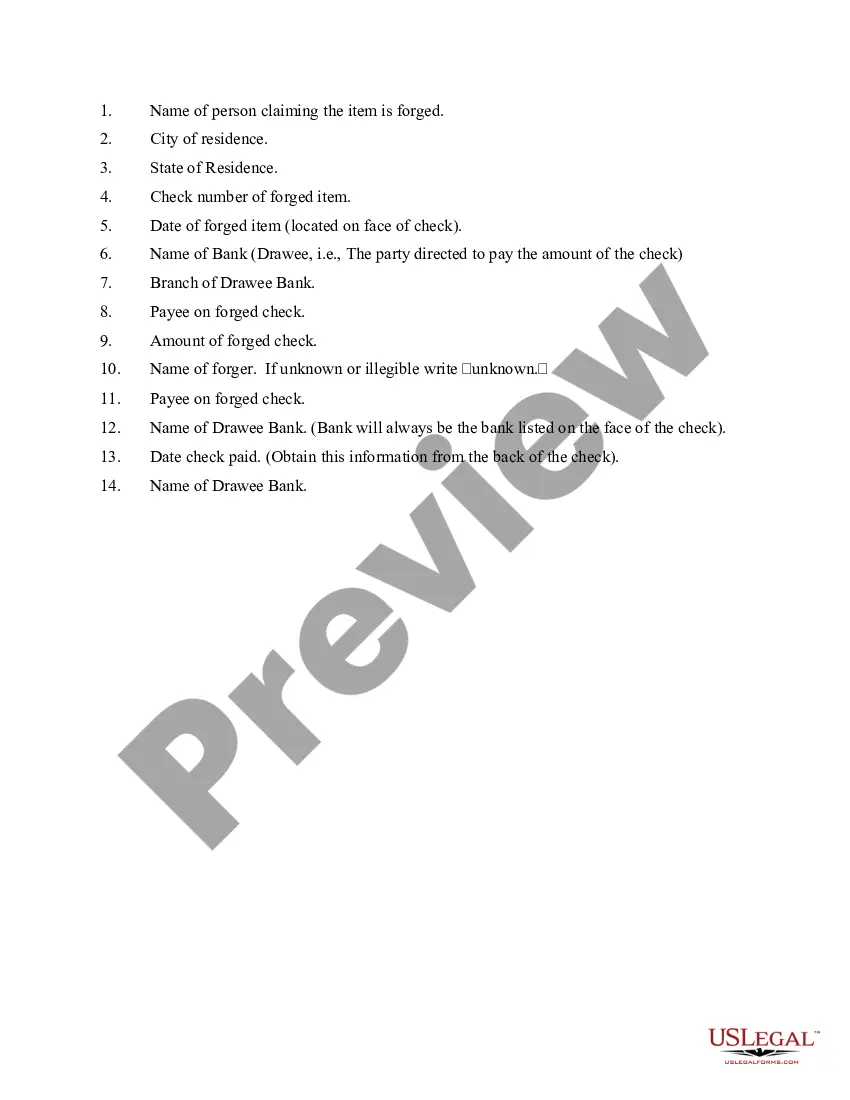
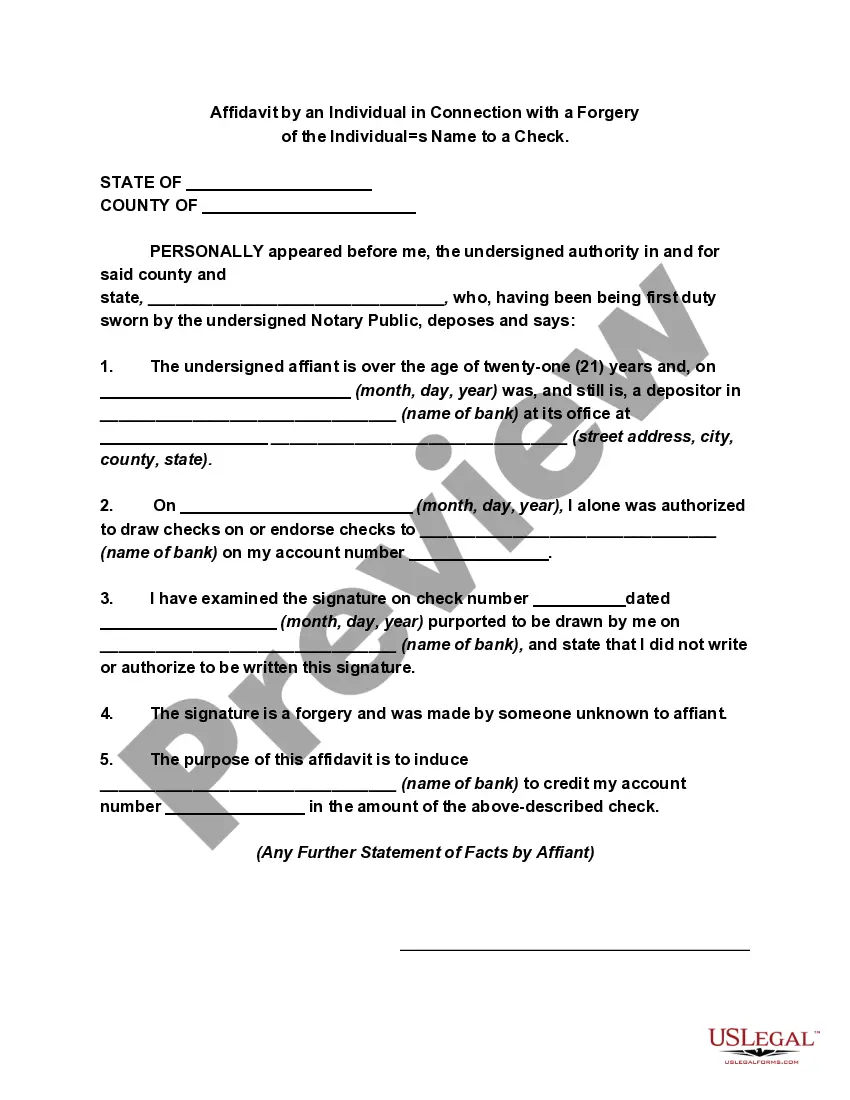
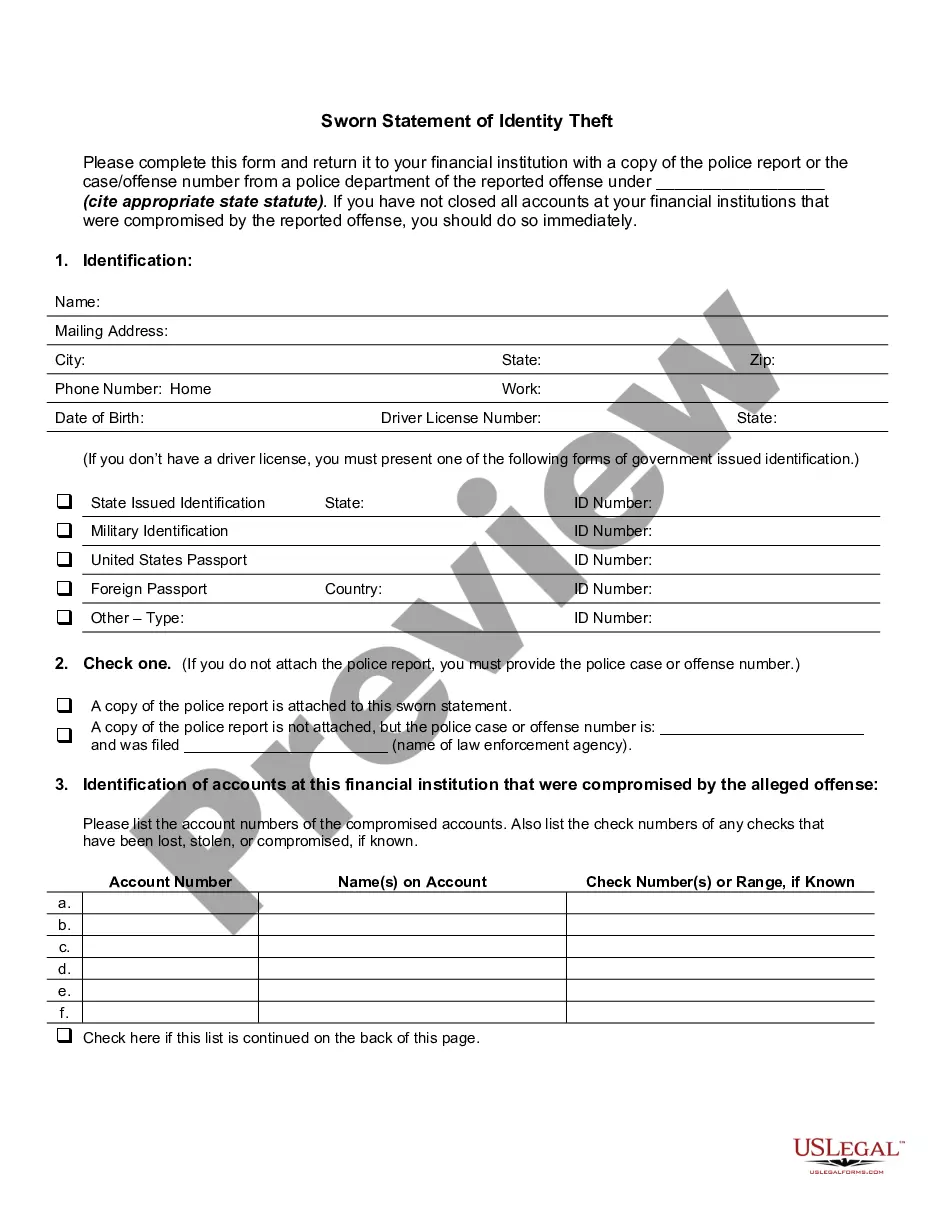
Get your form ready online
Our built-in tools help you complete, sign, share, and store your documents in one place.
Make edits, fill in missing information, and update formatting in US Legal Forms—just like you would in MS Word.
Download a copy, print it, send it by email, or mail it via USPS—whatever works best for your next step.
Sign and collect signatures with our SignNow integration. Send to multiple recipients, set reminders, and more. Go Premium to unlock E-Sign.
If this form requires notarization, complete it online through a secure video call—no need to meet a notary in person or wait for an appointment.
We protect your documents and personal data by following strict security and privacy standards.

Make edits, fill in missing information, and update formatting in US Legal Forms—just like you would in MS Word.

Download a copy, print it, send it by email, or mail it via USPS—whatever works best for your next step.

Sign and collect signatures with our SignNow integration. Send to multiple recipients, set reminders, and more. Go Premium to unlock E-Sign.

If this form requires notarization, complete it online through a secure video call—no need to meet a notary in person or wait for an appointment.

We protect your documents and personal data by following strict security and privacy standards.
Looking for another form?






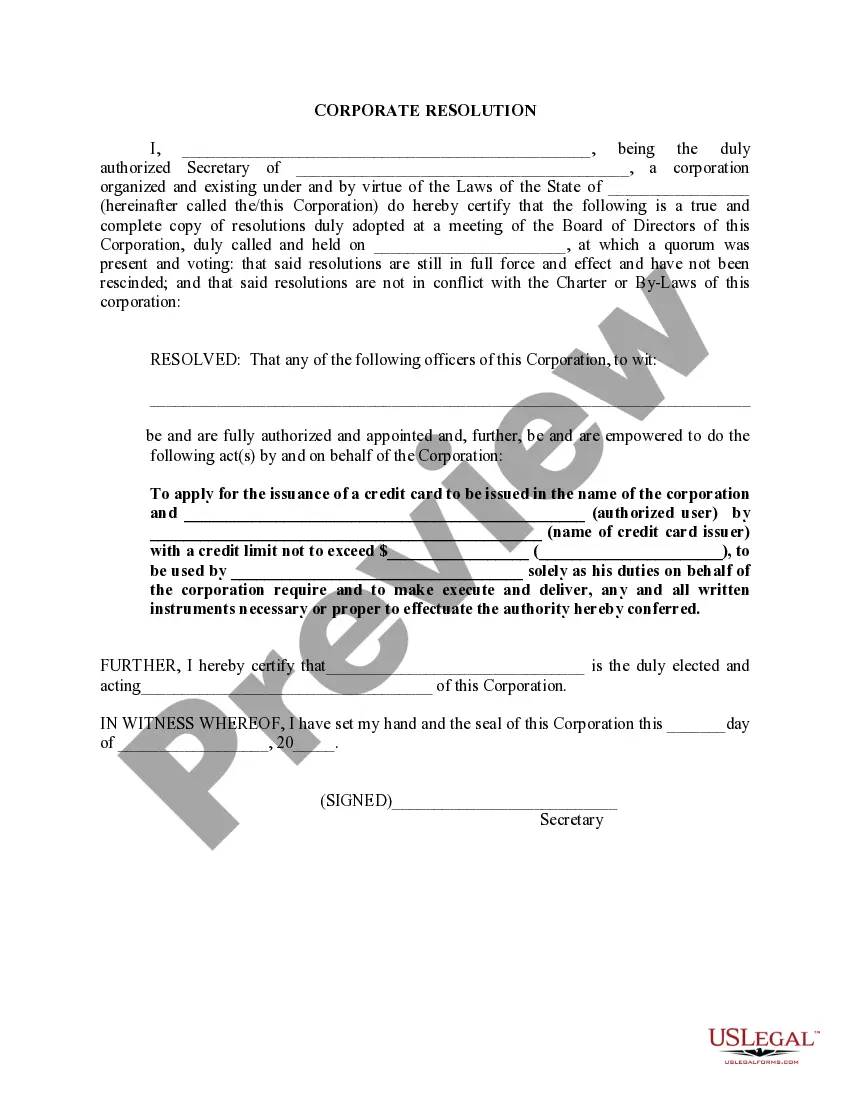
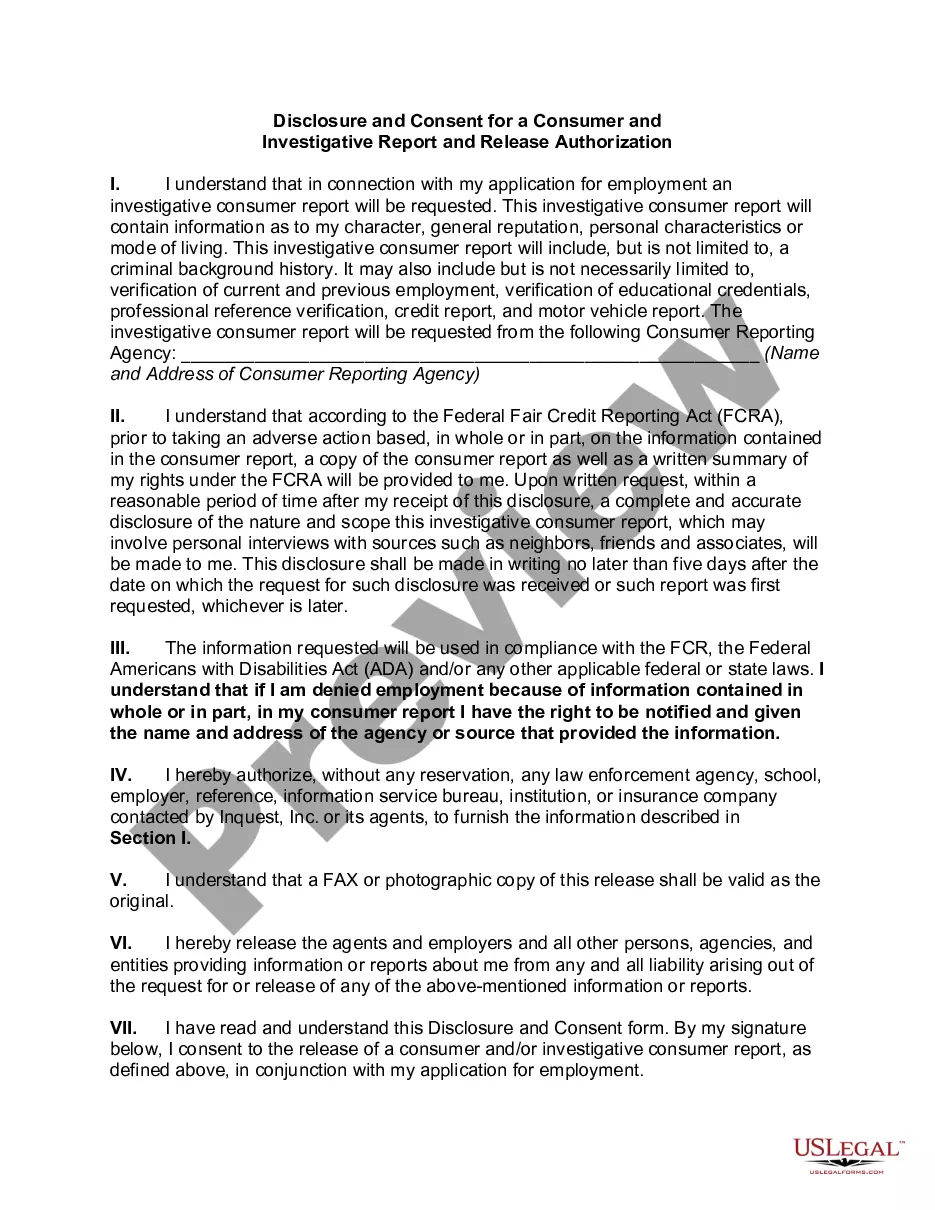

Form popularity
FAQ
Under our law, a person is guilty of Forgery in the Second Degree when, with intent to defraud, deceive or injure another, he or she falsely makes, completes or alters a written instrument which is or purports to be, or which is calculated to become or to represent if completed (specify appropriate instrument as set ...
Consent: Prove that you had permission to sign or alter the document in question. Authenticity: Show that the signature or instrument is genuine and not forged. Coercion: Argue that you were forced to forge the document under threat or duress.
Safeguarding personal information: Protect documents and sensitive materials that could give ideas to forgers. Technology-based prevention: Utilize digital signatures and pick highly secure e-signature platforms like Blueink that use two-factor authentication.
Skilled forgery The hardest type of forgeries to detect, these signatures are produced by criminals who have spent a lot of time practicing and have the ability to replicate the actual signatures in a way that looks both accurate and relatively fluent to the eye.
Simply, if you delete, alter or make a false entry in the business records of an enterprise and you do so with the intent to defraud, you have run afoul of the misdemeanor crime. If when you do so, you also have the intent to further or conceal another criminal offense, then you have committed the felony crime.
How to combat document forgery Start with advanced security measures. Utilize digital document verification systems. Update and audit your workflow. Comply with legal and regulatory measures. Conduct regular education and training.
Forgery can refer to a completely fabricated document or a document that has been altered to show fraudulent information. Forging or counterfeiting a document is a criminal offense, as is knowingly using or possessing a forged or counterfeit document.
Defenses Against Forgery Charges Lack of fraudulent intent — If you did not have the intention to defraud, you may have a valid defense to forgery charges. Document Lacks Legal Significance — To be considered forgery, the document in question must have some sort of legal importance.
Second-Degree Criminal Possession of a Forged Instrument Examples might include: Forged checks or credit card receipts. driver's licenses or state IDs. Altered legal documents like wills or deeds.
A FORGED INSTRUMENT means a written instrument which has been falsely made, completed or altered. 6 The words "written instrument," "falsely made," "falsely completed," and "falsely altered" used in the definition of "forged instrument" also have their own special meanings.
