Forgery Forged Document In Nassau
Description

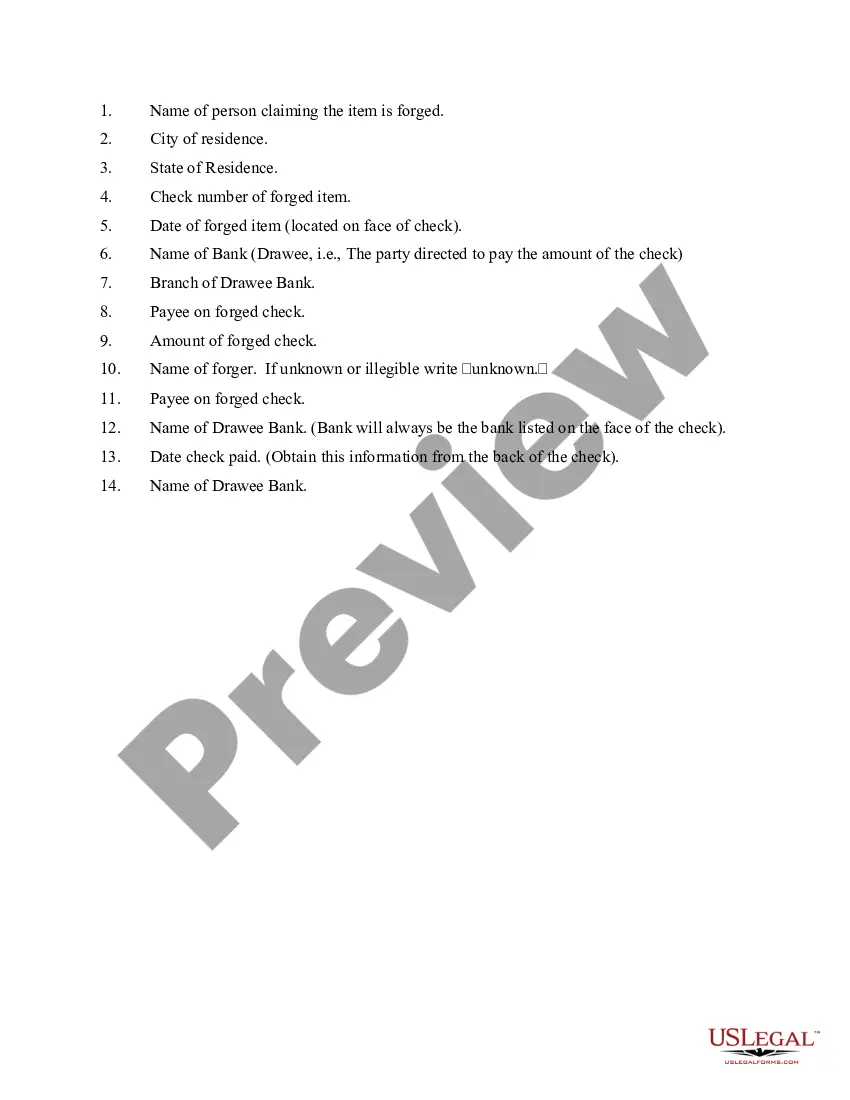
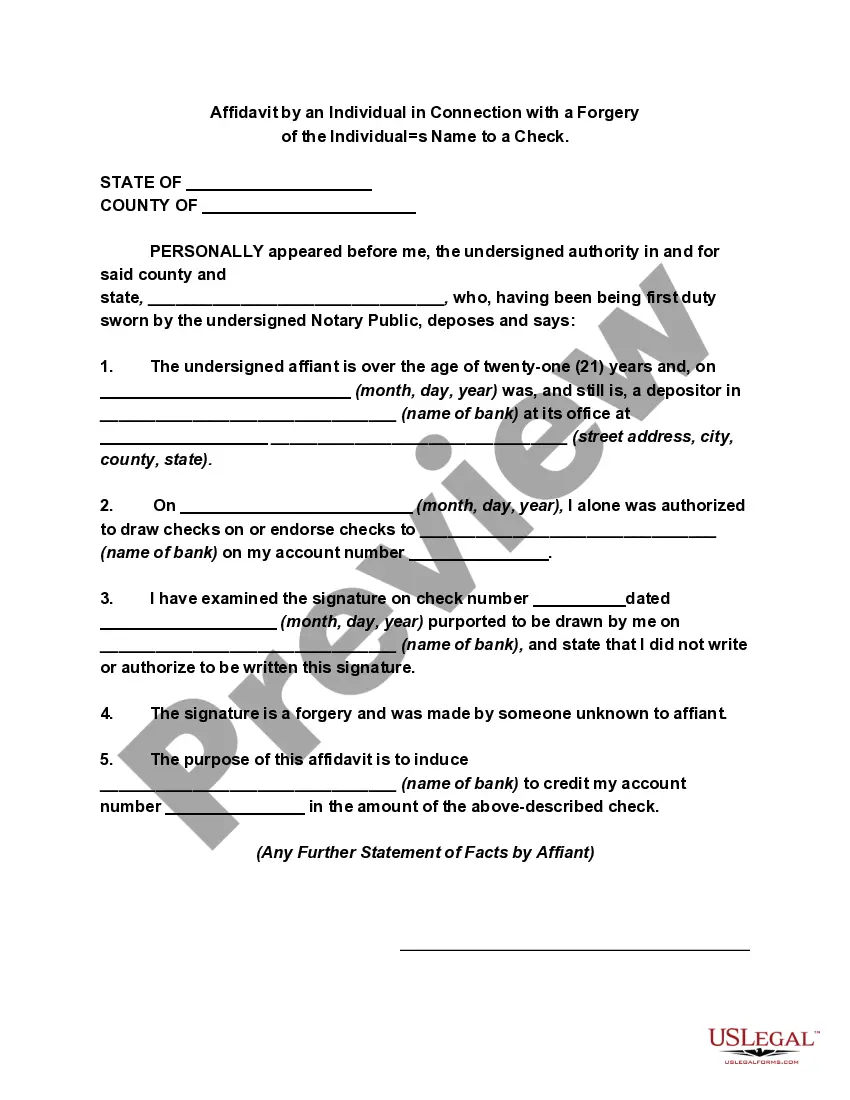
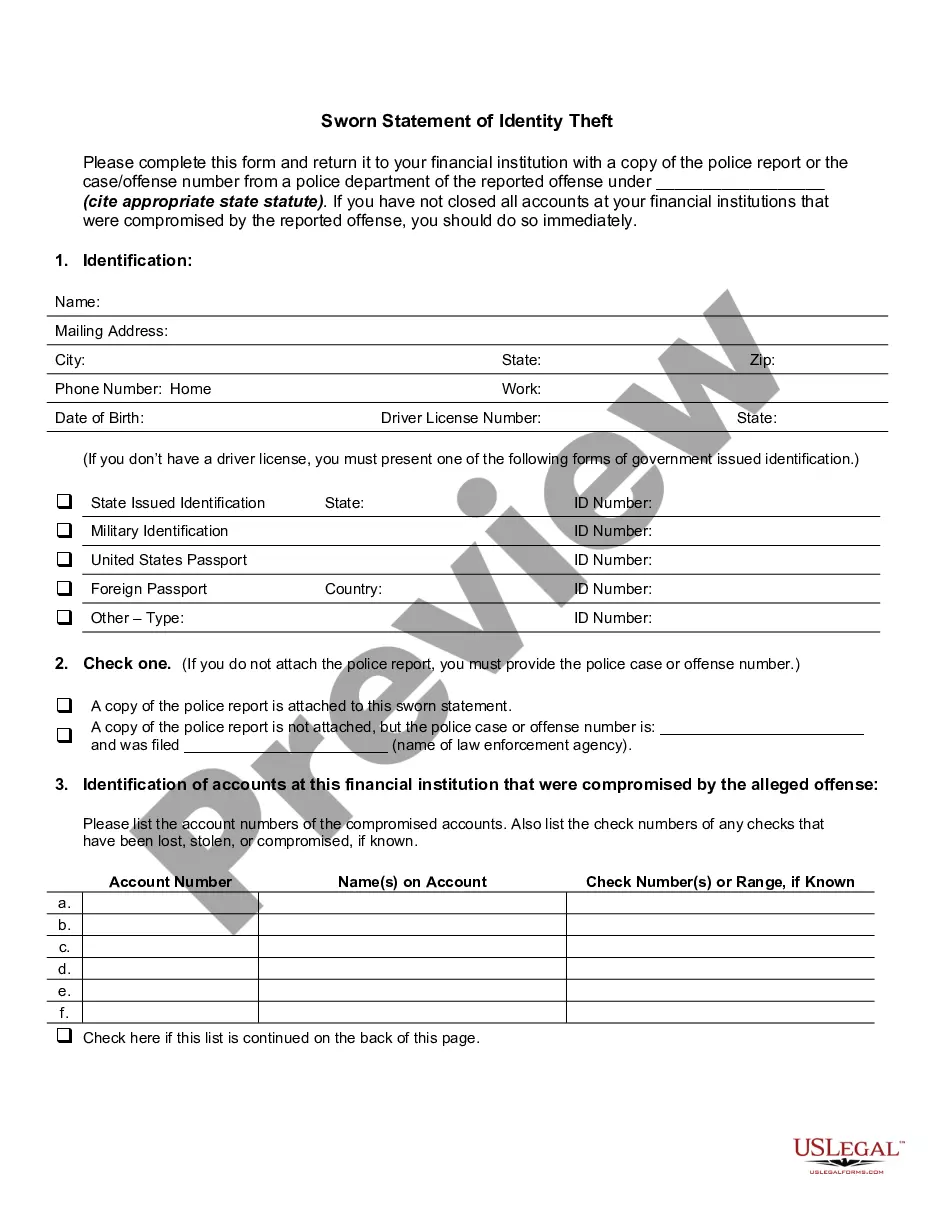
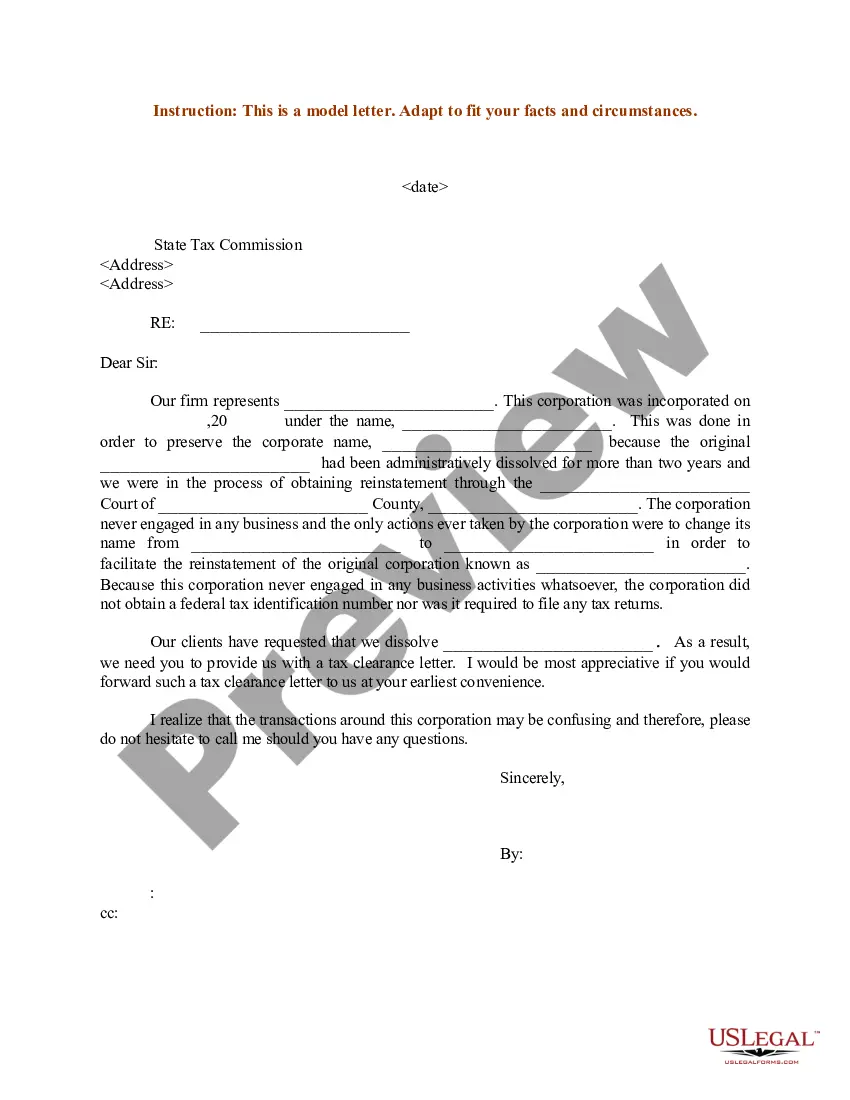
Get your form ready online
Our built-in tools help you complete, sign, share, and store your documents in one place.
Make edits, fill in missing information, and update formatting in US Legal Forms—just like you would in MS Word.
Download a copy, print it, send it by email, or mail it via USPS—whatever works best for your next step.
Sign and collect signatures with our SignNow integration. Send to multiple recipients, set reminders, and more. Go Premium to unlock E-Sign.
If this form requires notarization, complete it online through a secure video call—no need to meet a notary in person or wait for an appointment.
We protect your documents and personal data by following strict security and privacy standards.

Make edits, fill in missing information, and update formatting in US Legal Forms—just like you would in MS Word.

Download a copy, print it, send it by email, or mail it via USPS—whatever works best for your next step.

Sign and collect signatures with our SignNow integration. Send to multiple recipients, set reminders, and more. Go Premium to unlock E-Sign.

If this form requires notarization, complete it online through a secure video call—no need to meet a notary in person or wait for an appointment.

We protect your documents and personal data by following strict security and privacy standards.
Looking for another form?






Form popularity
FAQ
Forgery, in law, making of a false writing with an intent to defraud. Writing, to be forgery, must either have legal significance or be commonly relied upon in business transactions. It need not be handwriting; the law of forgery covers printing, engraving, and typewriting as well.
Forged documents, on the other hand, are authentic but have alterations. For instance, someone alters a photo or changes the name or birthdate printed on an ID. They can even make an entire document look like a different government agency issued it.
If d documents are produced by amateurs there are some key slip-ups you can spot. Numbers missing or not adding up. Data entry errors. Altered elements. Edited logos.
Forgery can refer to a completely fabricated document or a document that has been altered to show fraudulent information. Forging or counterfeiting a document is a criminal offense, as is knowingly using or possessing a forged or counterfeit document.
Defenses Against Forgery Charges Lack of fraudulent intent — If you did not have the intention to defraud, you may have a valid defense to forgery charges. Document Lacks Legal Significance — To be considered forgery, the document in question must have some sort of legal importance.
Whoever commits forgery shall be punished with imprisonment of either description for a term which may extend to two years, or with fine, or with both.
A FORGED INSTRUMENT means a written instrument which has been falsely made, completed or altered. 6 The words "written instrument," "falsely made," "falsely completed," and "falsely altered" used in the definition of "forged instrument" also have their own special meanings.
What are the three types of forgery? Three common types of forgery are signature forgery, art forgery, and document forgery. Each of these types of forgery involves different methods of creating or altering documents, signifiers, and objects with the intent to deceive.
How to Get Out of Forgery Charges Lack of Intent to Defraud: Demonstrate that there was no intention to deceive or cause harm. Consent: Prove that you had permission to sign or alter the document in question. Authenticity: Show that the signature or instrument is genuine and not forged.
What are the three types of forgery? Three common types of forgery are signature forgery, art forgery, and document forgery. Each of these types of forgery involves different methods of creating or altering documents, signifiers, and objects with the intent to deceive.
