Fake Forged Document In Kings
Description

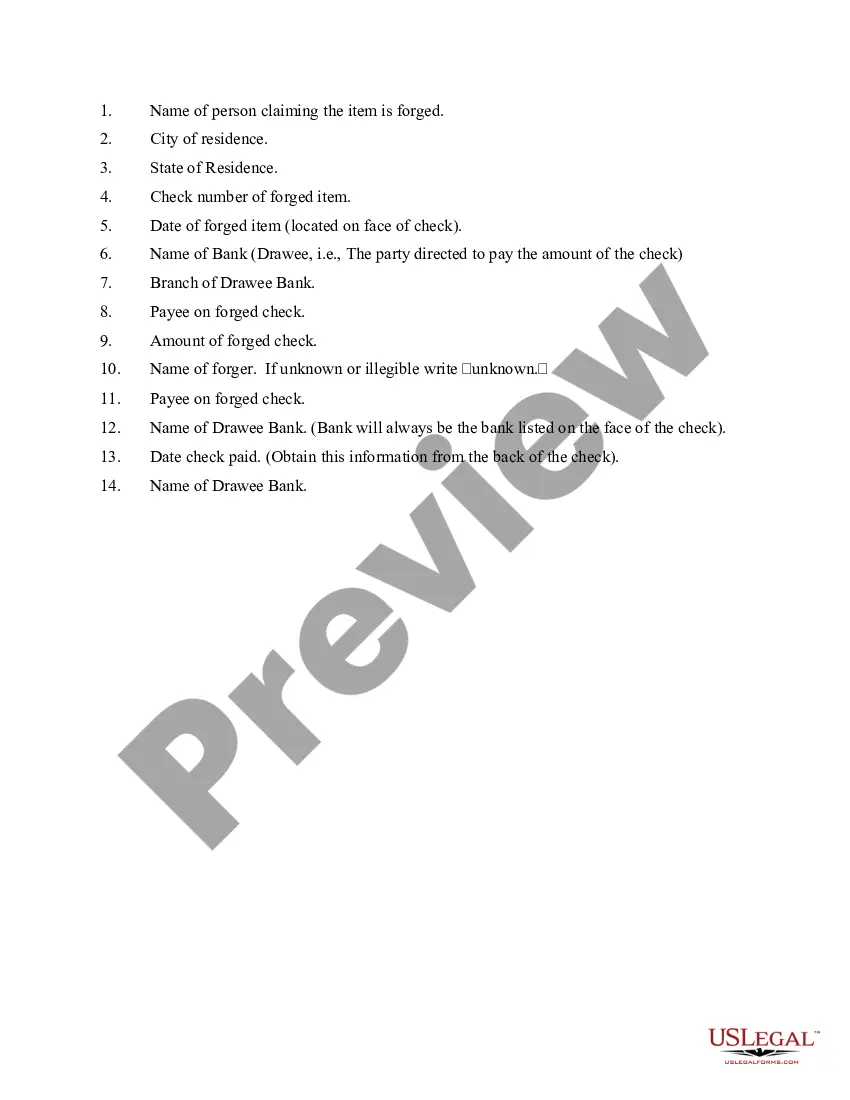
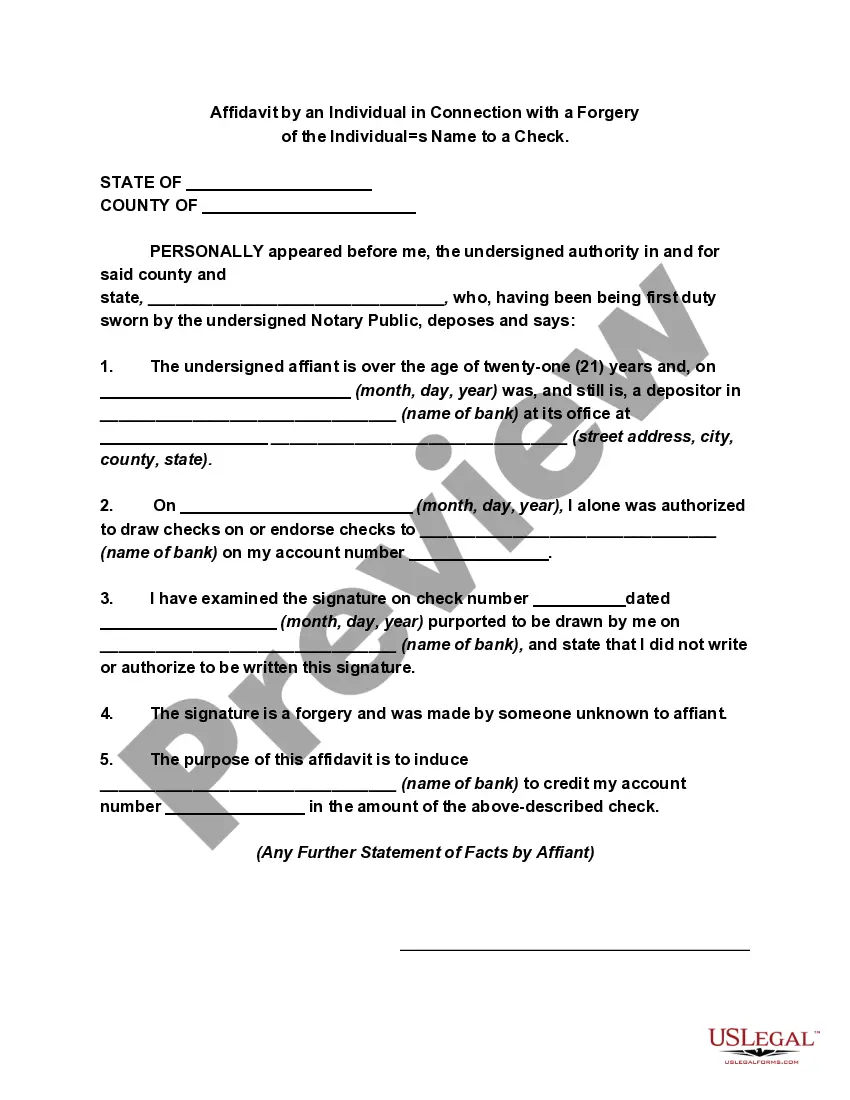
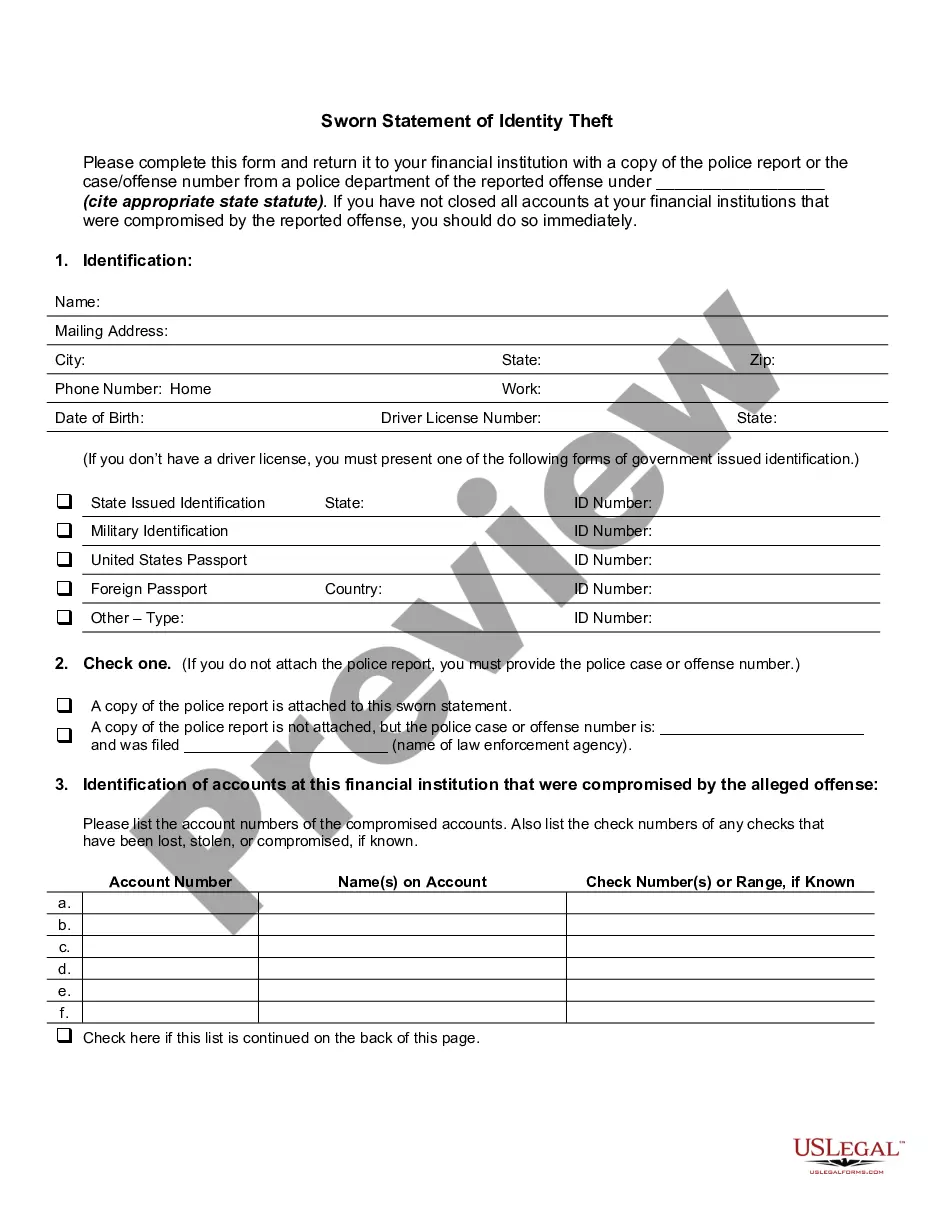
Get your form ready online
Our built-in tools help you complete, sign, share, and store your documents in one place.
Make edits, fill in missing information, and update formatting in US Legal Forms—just like you would in MS Word.
Download a copy, print it, send it by email, or mail it via USPS—whatever works best for your next step.
Sign and collect signatures with our SignNow integration. Send to multiple recipients, set reminders, and more. Go Premium to unlock E-Sign.
If this form requires notarization, complete it online through a secure video call—no need to meet a notary in person or wait for an appointment.
We protect your documents and personal data by following strict security and privacy standards.

Make edits, fill in missing information, and update formatting in US Legal Forms—just like you would in MS Word.

Download a copy, print it, send it by email, or mail it via USPS—whatever works best for your next step.

Sign and collect signatures with our SignNow integration. Send to multiple recipients, set reminders, and more. Go Premium to unlock E-Sign.

If this form requires notarization, complete it online through a secure video call—no need to meet a notary in person or wait for an appointment.

We protect your documents and personal data by following strict security and privacy standards.
Looking for another form?






Form popularity
FAQ
If d documents are produced by amateurs there are some key slip-ups you can spot. Numbers missing or not adding up. Data entry errors. Altered elements. Edited logos.
Another quick red flag to spot is the differences between the original logo of the issuing institution and the document in question. Utilising high-powered magnification we can analyse closely whether the logos have any discrepancies and if so it will be an obvious fraudulent document.
Check for features that can change their appearance, such as holographic features and color-shifting inks. These features are often omitted from counterfeit documents or may be simulated with substances that do not change color or do not have the clarity and detail of genuine features.
The most commonly forged documents are Social Security cards, bank statements, and birth certificates, which can undermine personal and financial security. It's crucial to ensure the authenticity of such documents to protect against fraud.
But these are often relatively straightforward documents that are frequent targets of document forgery, so logo detection that flags out-of-date designs, page layouts that don't match genuine versions, or even an unfamiliar mix of fonts can quickly uncover the ruse.
Print quality is often a quick indicator of a counterfeit document. Commercial printing cannot produce the same quality as security printing. Genuine intaglio printing will have raised print which can be identified by touch.
Optical Character Recognition (OCR) and Image Analysis This technology allows for detailed analysis of the signature's features, such as its size, curvature, and the specific flow of the pen strokes. Image analysis tools can also detect irregularities or discrepancies that are indicative of forgery.
Check for features that can change their appearance, such as holographic features and color-shifting inks. These features are often omitted from counterfeit documents or may be simulated with substances that do not change color or do not have the clarity and detail of genuine features.
Forgery is a criminal offense. Generally, forgery charges are charged at the state level, but they can be charged as federal crimes in certain circumstances. The details of your case determine whether the case will be tried in state or federal court and the applicable laws.
Forgery can refer to a completely fabricated document or a document that has been altered to show fraudulent information. Forging or counterfeiting a document is a criminal offense, as is knowingly using or possessing a forged or counterfeit document.
