Forgery For Meaning In Hennepin
Description

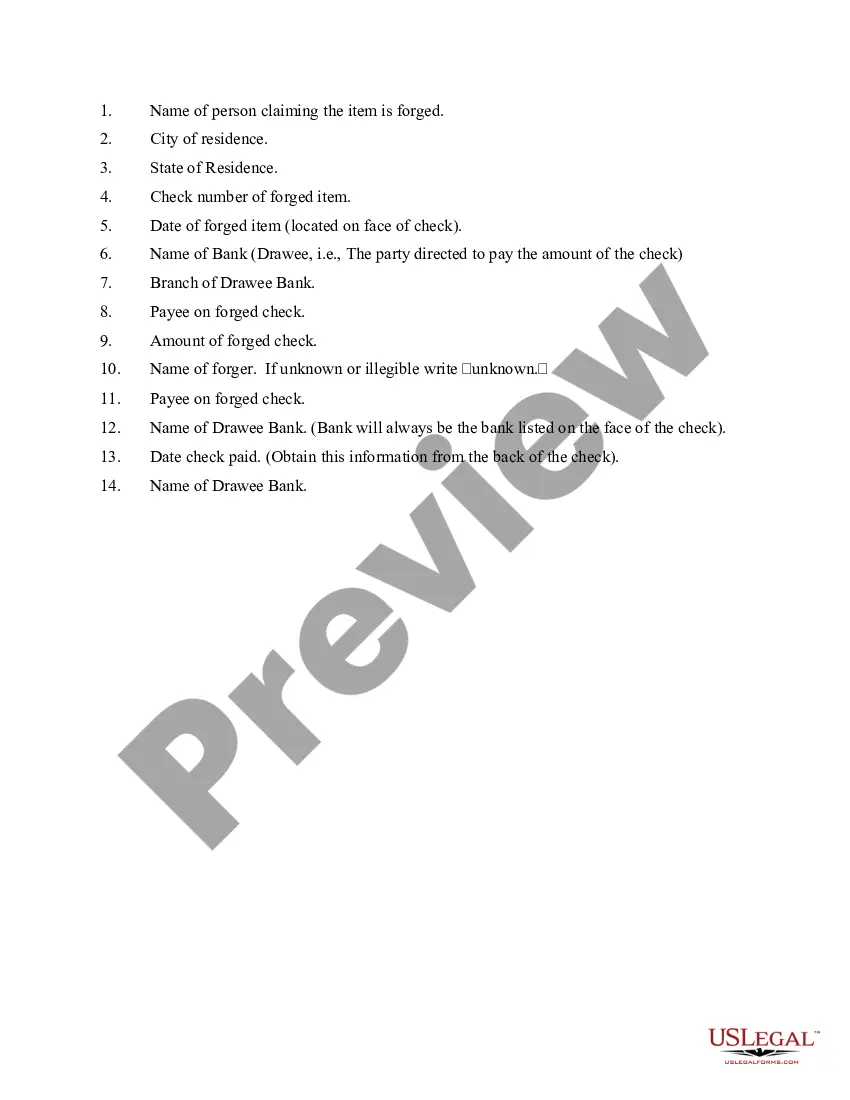
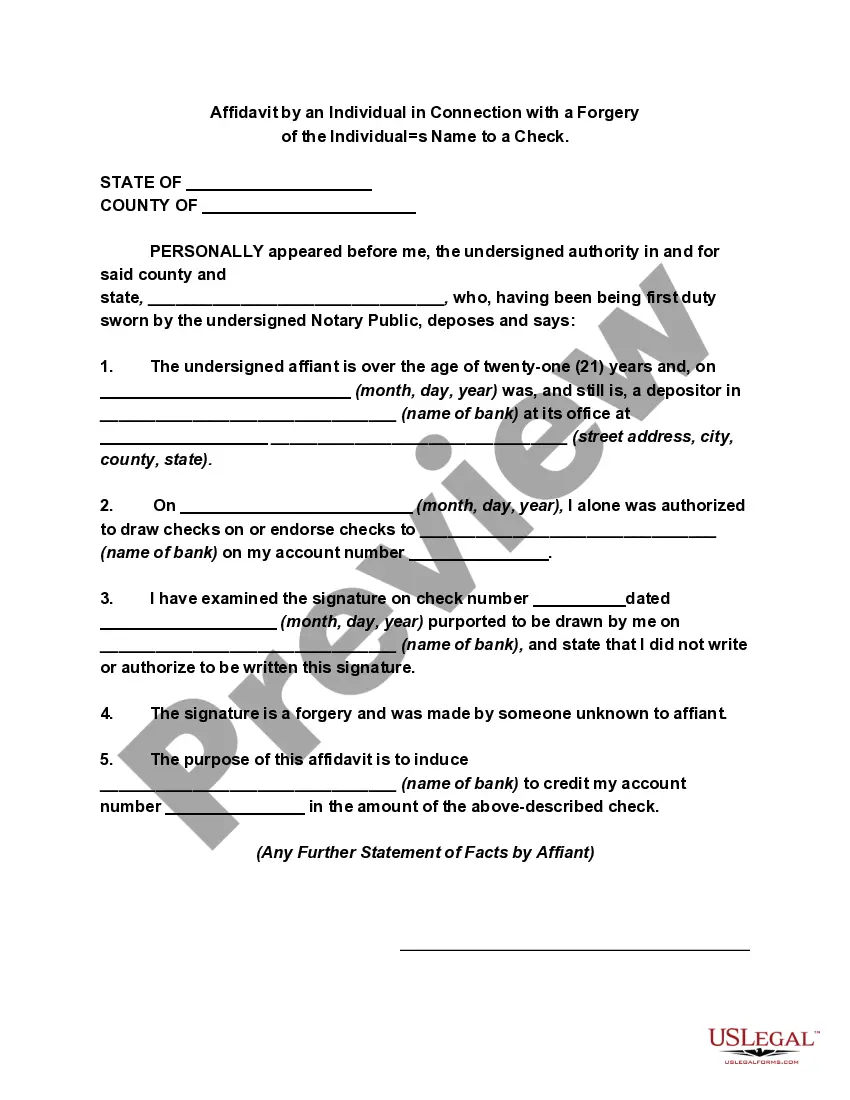
Get your form ready online
Our built-in tools help you complete, sign, share, and store your documents in one place.
Make edits, fill in missing information, and update formatting in US Legal Forms—just like you would in MS Word.
Download a copy, print it, send it by email, or mail it via USPS—whatever works best for your next step.
Sign and collect signatures with our SignNow integration. Send to multiple recipients, set reminders, and more. Go Premium to unlock E-Sign.
If this form requires notarization, complete it online through a secure video call—no need to meet a notary in person or wait for an appointment.
We protect your documents and personal data by following strict security and privacy standards.

Make edits, fill in missing information, and update formatting in US Legal Forms—just like you would in MS Word.

Download a copy, print it, send it by email, or mail it via USPS—whatever works best for your next step.

Sign and collect signatures with our SignNow integration. Send to multiple recipients, set reminders, and more. Go Premium to unlock E-Sign.

If this form requires notarization, complete it online through a secure video call—no need to meet a notary in person or wait for an appointment.

We protect your documents and personal data by following strict security and privacy standards.
Looking for another form?








Form popularity
FAQ
Forging is a manufacturing process involving the shaping of metal using localized compressive forces. The blows are delivered with a hammer (often a power hammer) or a die.
What Are the Penalties for Forgery in Minnesota? Penalties for forgery in Minnesota vary by severity. A standard forgery conviction can result in up to three years in prison and a $5,000 fine, while aggravated forgery can lead to up to ten years in prison and a $20,000 fine.
What are the three types of forgery? Three common types of forgery are signature forgery, art forgery, and document forgery. Each of these types of forgery involves different methods of creating or altering documents, signifiers, and objects with the intent to deceive.
Forge in Crime topic 2 transitive to illegally copy something, especially something printed or written, to make people think that it is real → counterfeit Someone stole my credit card and forged my signature.
Forgery is a white-collar crime that generally consists of the false making or material alteration of a legal instrument with the specific intent to defraud.
Forgery, in law, making of a false writing with an intent to defraud. Writing, to be forgery, must either have legal significance or be commonly relied upon in business transactions. It need not be handwriting; the law of forgery covers printing, engraving, and typewriting as well.
A forgery offense can be committed in the following ways: By signing someone else's name without the other person's authority (California Penal Code Section 470(a) PC) By counterfeiting or forging another person's handwriting or seal on a document (California Penal Code Section 470(b) PC)
Forgery is committed when: a person signs in another's name with the intent to defraud; a person alters the name, amount or payee's name with intent to defraud. Although a crime of forgery is committed, only the forged signature is considered invalid.
Steps Place a piece of tracing paper over the original signature. Use a pencil to lightly trace the signature. Place the tracing paper over the blank spot where you want to copy the signature. Make a signature impression. Remove the tracing paper and write the signature in pen.
