Forgery Forge In Georgia
Description

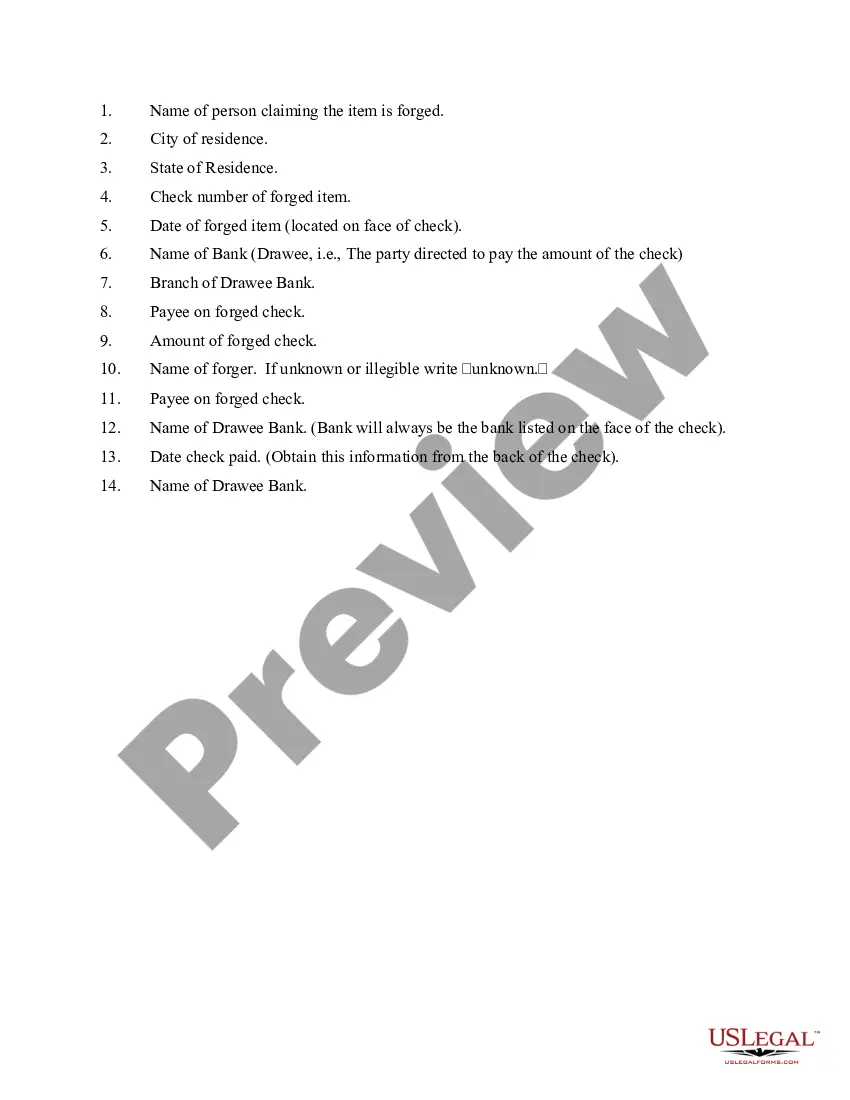
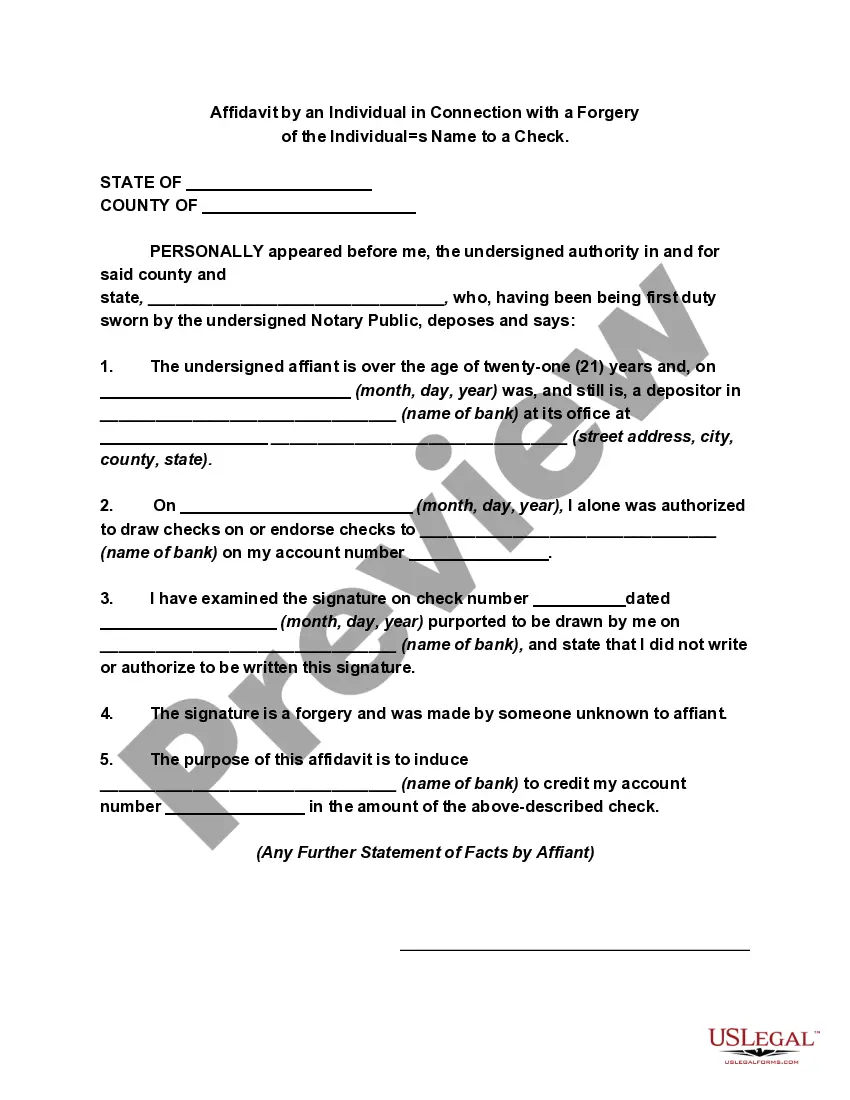
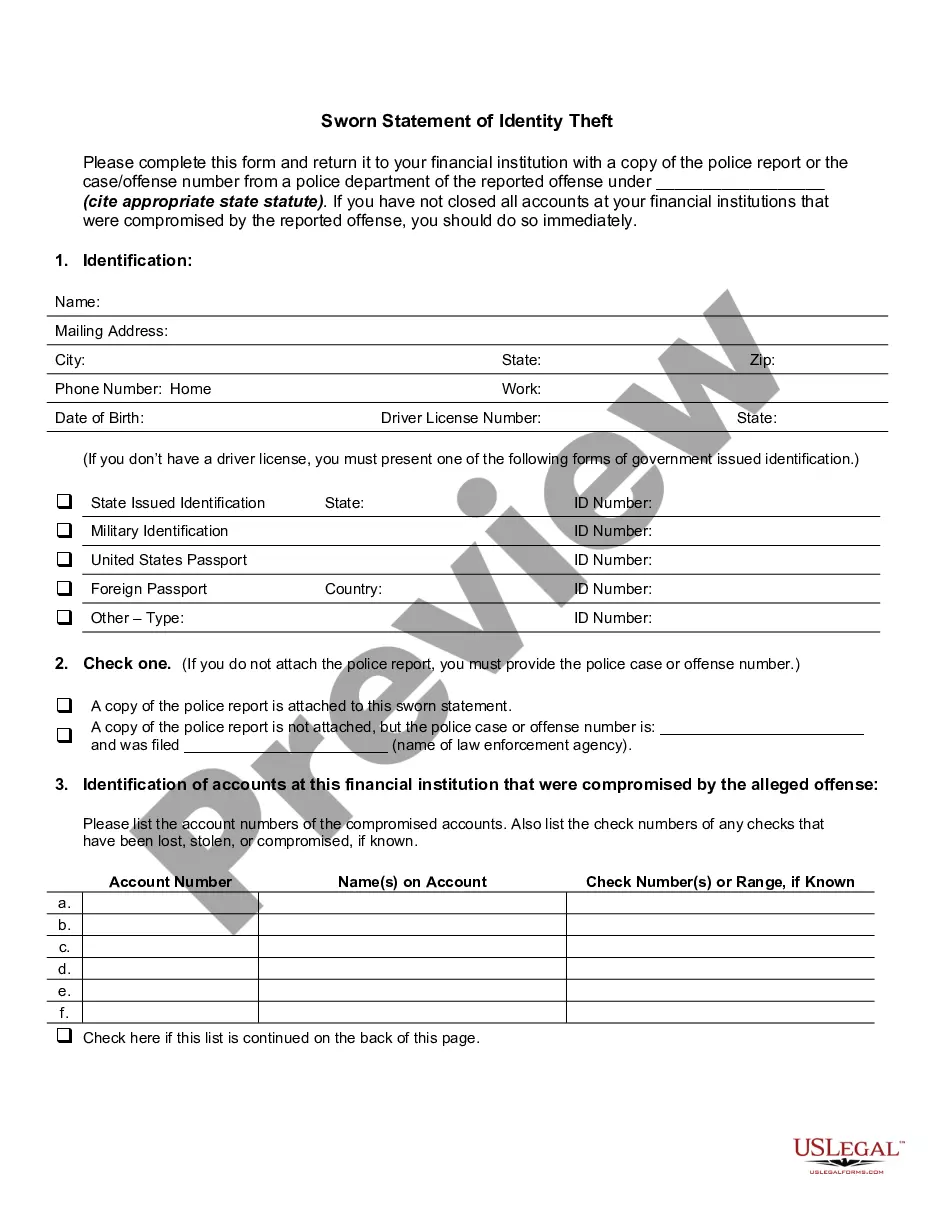
Get your form ready online
Our built-in tools help you complete, sign, share, and store your documents in one place.
Make edits, fill in missing information, and update formatting in US Legal Forms—just like you would in MS Word.
Download a copy, print it, send it by email, or mail it via USPS—whatever works best for your next step.
Sign and collect signatures with our SignNow integration. Send to multiple recipients, set reminders, and more. Go Premium to unlock E-Sign.
If this form requires notarization, complete it online through a secure video call—no need to meet a notary in person or wait for an appointment.
We protect your documents and personal data by following strict security and privacy standards.

Make edits, fill in missing information, and update formatting in US Legal Forms—just like you would in MS Word.

Download a copy, print it, send it by email, or mail it via USPS—whatever works best for your next step.

Sign and collect signatures with our SignNow integration. Send to multiple recipients, set reminders, and more. Go Premium to unlock E-Sign.

If this form requires notarization, complete it online through a secure video call—no need to meet a notary in person or wait for an appointment.

We protect your documents and personal data by following strict security and privacy standards.
Looking for another form?







Form popularity
FAQ
Third Degree Forgery: Involves forged checks of $1,500 or more, or possessing 10 or more blank forged checks. Fourth Degree Forgery involves forged checks under $1,500 or having fewer than 10 blank forged checks. Larry Kohn is a top criminal defense lawyer in Atlanta, Georgia.
(d) A person commits the offense of forgery in the third degree when with the intent to defraud he or she knowingly: (1) Makes, alters, possesses, utters, or delivers any check written in the amount of $1,500.00 or more in a fictitious name or in such manner that the check as made or altered purports to have been made ...
Forgery is committed when: a person signs in another's name with the intent to defraud; a person alters the name, amount or payee's name with intent to defraud. Although a crime of forgery is committed, only the forged signature is considered invalid.
A forgery offense can be committed in the following ways: By signing someone else's name without the other person's authority (California Penal Code Section 470(a) PC) By counterfeiting or forging another person's handwriting or seal on a document (California Penal Code Section 470(b) PC)
Forgery becomes a criminal offense when it is performed with the intention of harming or committing fraud against another person or an institution. There are four degrees of forgery under Georgia law. All of the degrees of forgery require that there is an intent to defraud.
Intent: The intent behind forgery is usually financial gain but may also be done to influence a person's opinion or to defraud another. In some cases, document forgery may be done simply to cause harm. Impersonation: In some cases, forgers may impersonate someone else in order to commit their crime.
Steps Place a piece of tracing paper over the original signature. Use a pencil to lightly trace the signature. Place the tracing paper over the blank spot where you want to copy the signature. Make a signature impression. Remove the tracing paper and write the signature in pen.
What are the three types of forgery? Three common types of forgery are signature forgery, art forgery, and document forgery. Each of these types of forgery involves different methods of creating or altering documents, signifiers, and objects with the intent to deceive.
Code § 16-9-2. Section 16-9-2 - Penalties for forgery (a) A person who commits the offense of forgery in the first degree shall be guilty of a felony and, upon conviction thereof, shall be punished by imprisonment for not less than one nor more than 15 years.
Simple Forgery: The act of imitating someone else's signature for fraudulent or deceptive purposes. Simulated Forgery: A more sophisticated form where technology is used to duplicate the signature. Traced Forgery: Involves using a genuine signature as a template to create a forged one.
