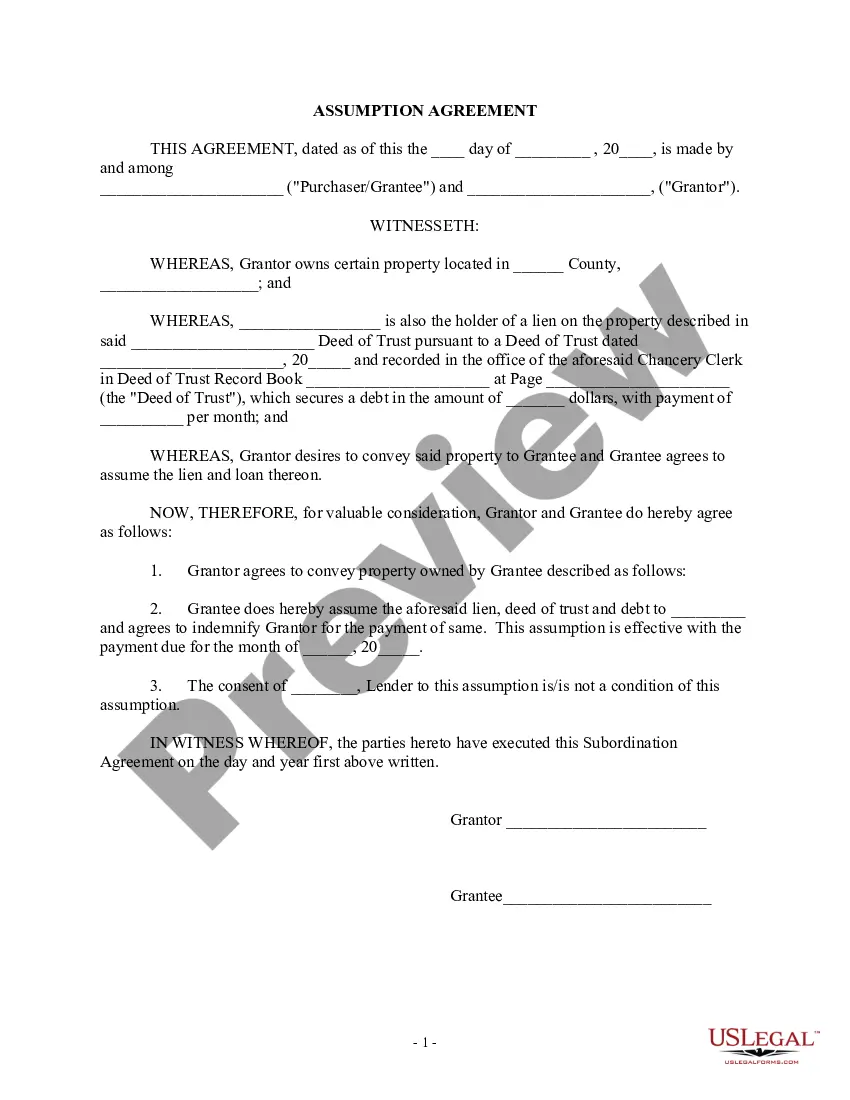
Forgery Forged Instrument In Fairfax
Description

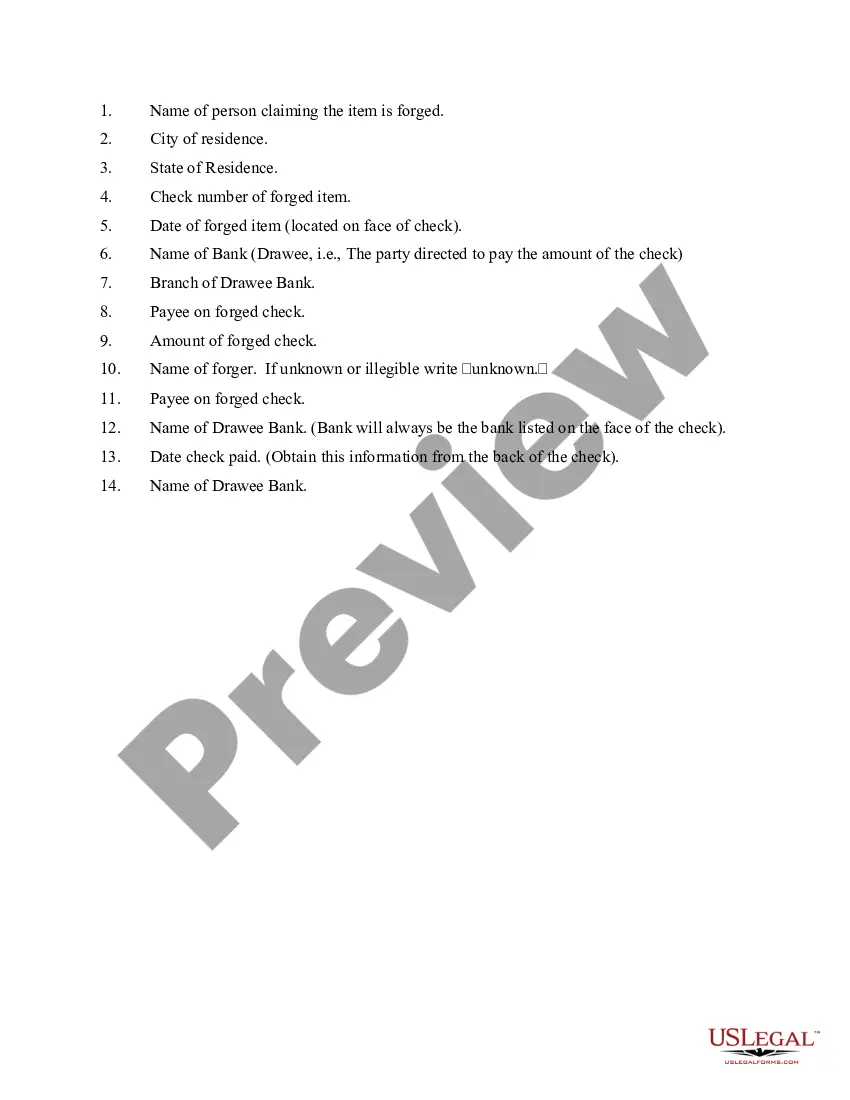
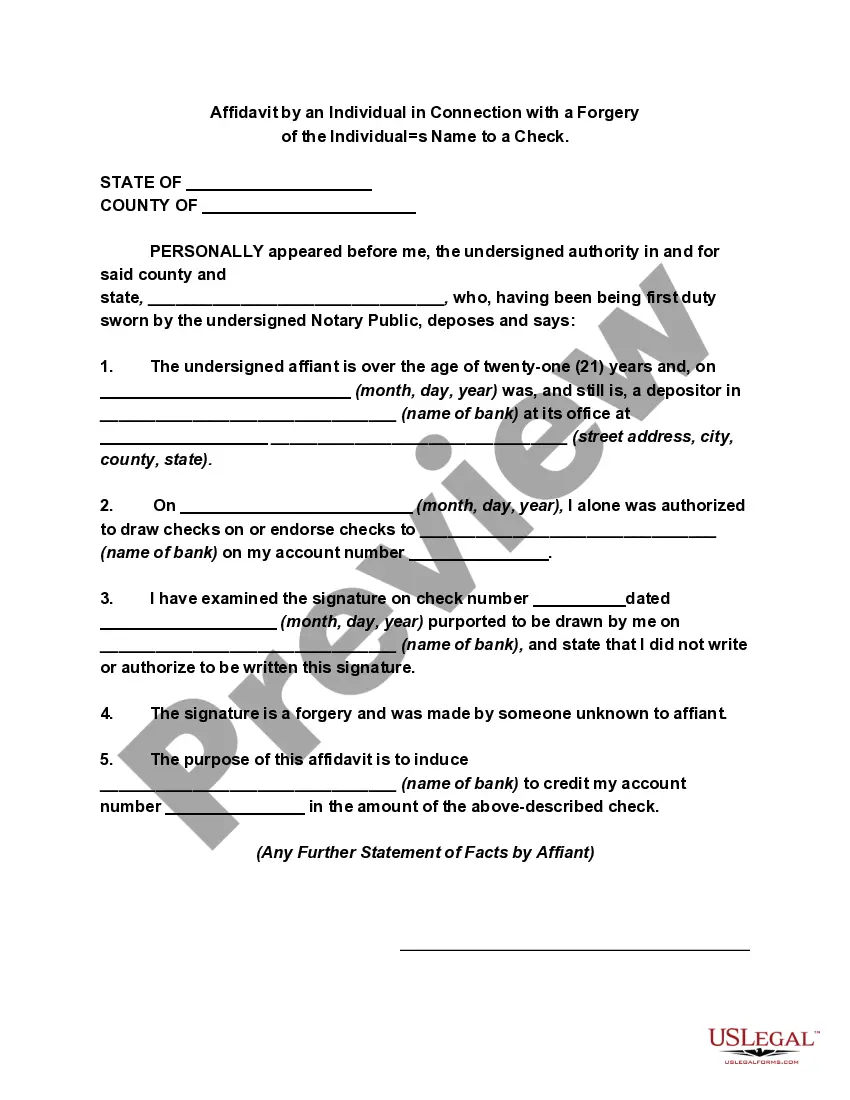
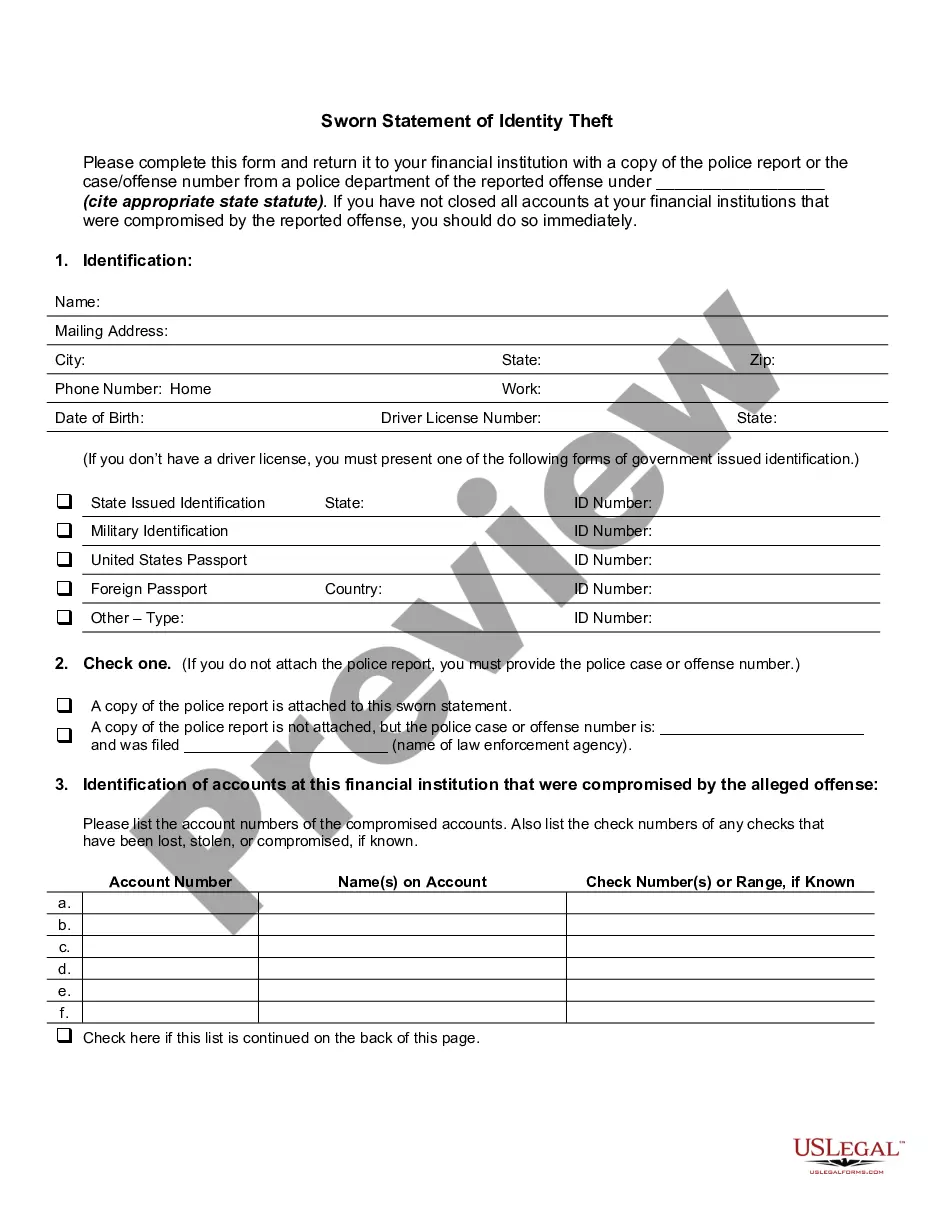
Get your form ready online
Our built-in tools help you complete, sign, share, and store your documents in one place.
Make edits, fill in missing information, and update formatting in US Legal Forms—just like you would in MS Word.
Download a copy, print it, send it by email, or mail it via USPS—whatever works best for your next step.
Sign and collect signatures with our SignNow integration. Send to multiple recipients, set reminders, and more. Go Premium to unlock E-Sign.
If this form requires notarization, complete it online through a secure video call—no need to meet a notary in person or wait for an appointment.
We protect your documents and personal data by following strict security and privacy standards.

Make edits, fill in missing information, and update formatting in US Legal Forms—just like you would in MS Word.

Download a copy, print it, send it by email, or mail it via USPS—whatever works best for your next step.

Sign and collect signatures with our SignNow integration. Send to multiple recipients, set reminders, and more. Go Premium to unlock E-Sign.

If this form requires notarization, complete it online through a secure video call—no need to meet a notary in person or wait for an appointment.

We protect your documents and personal data by following strict security and privacy standards.
Looking for another form?
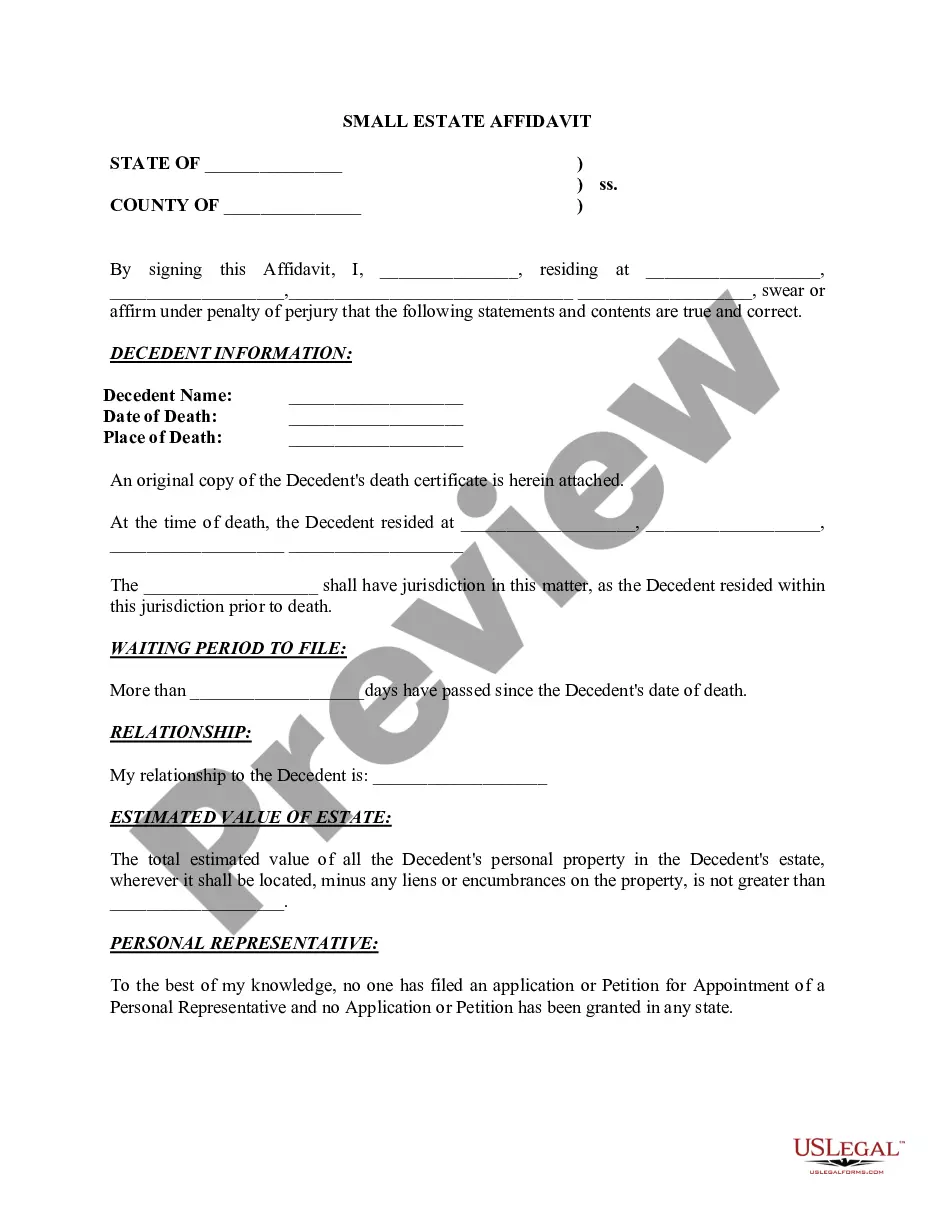




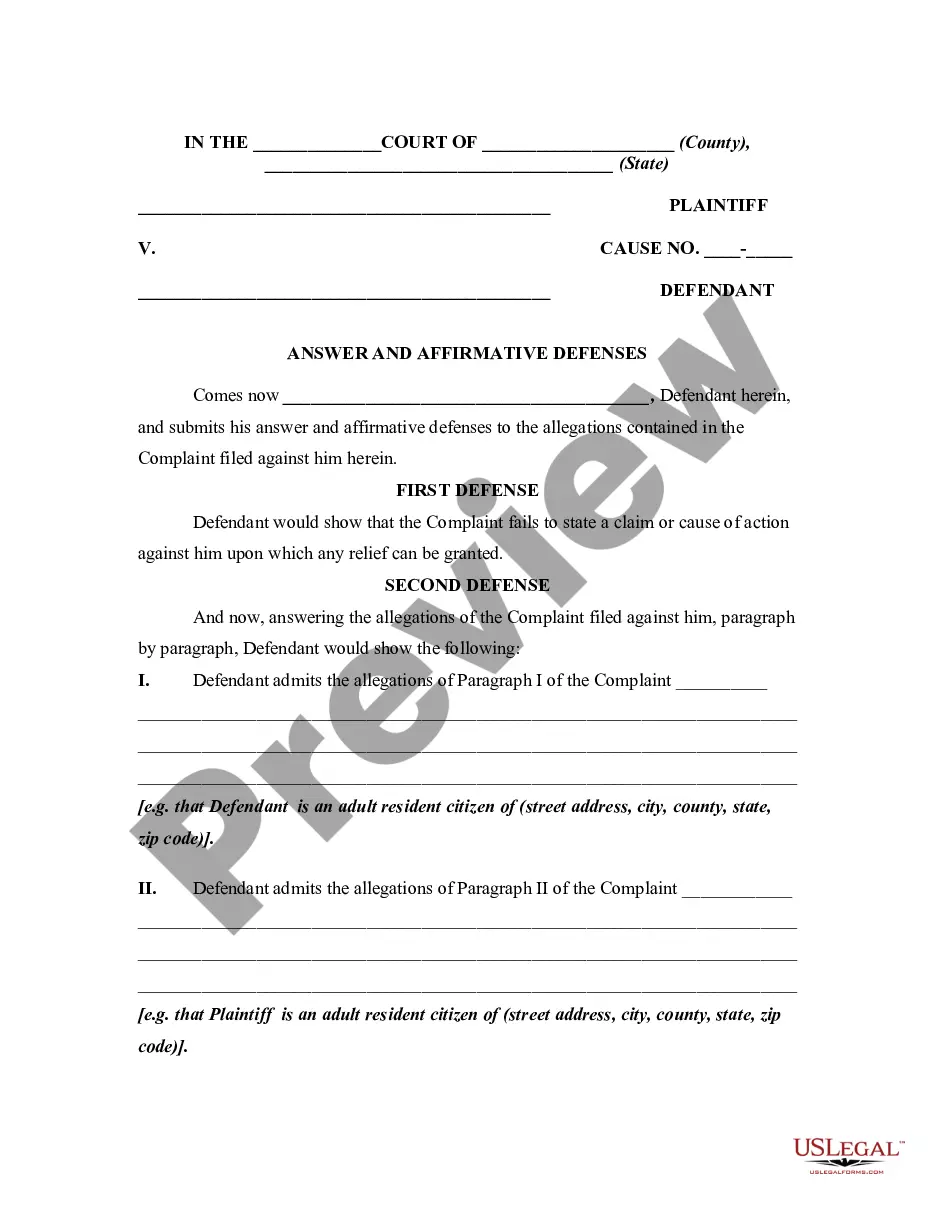
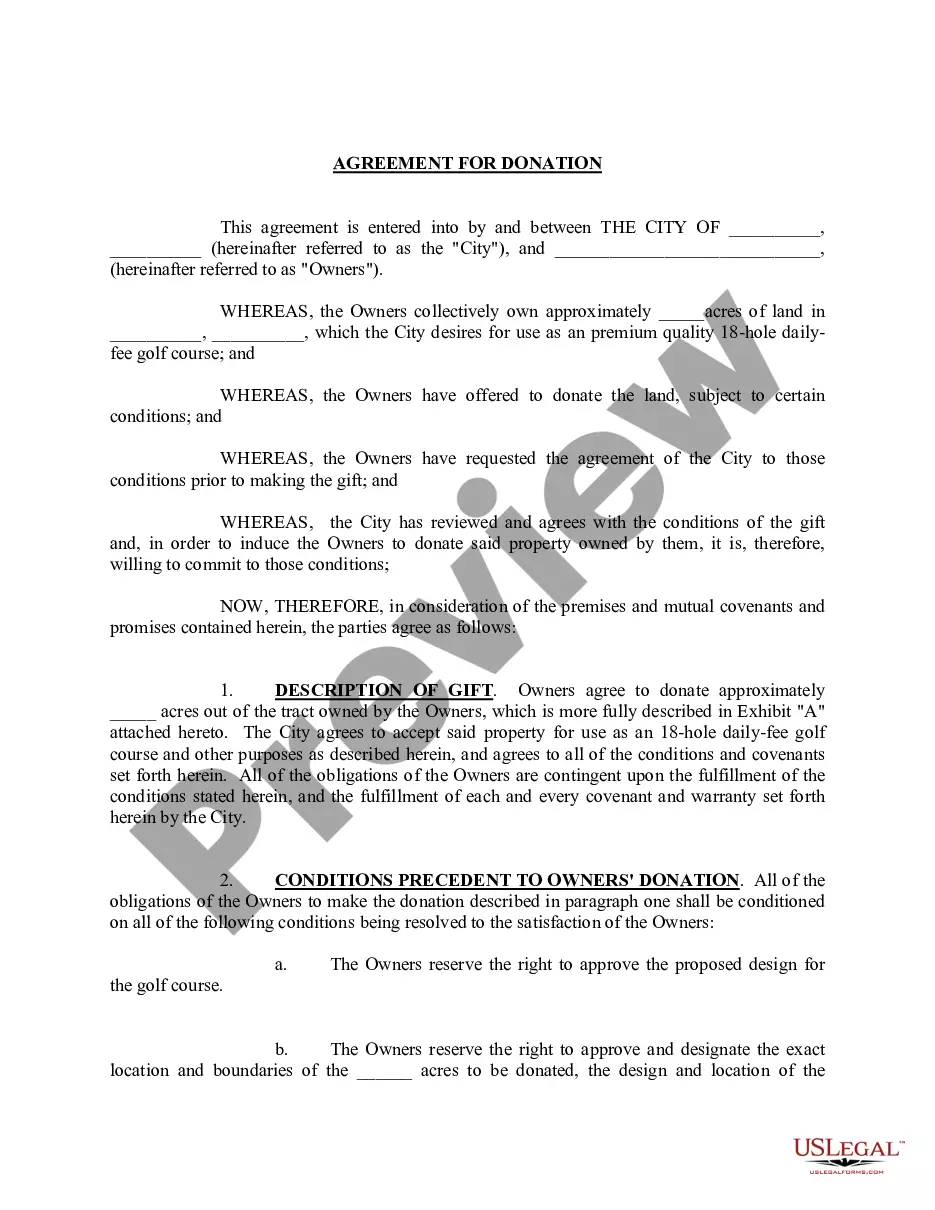



Form popularity
FAQ
§ 18.2-172. Any person who shall obtain, by any false pretense or , the signature of another person, to any such writing, with intent to defraud any other person, shall be deemed guilty of the forgery thereof, and shall be subject to like punishment.
A forgery offense can be committed in the following ways: By signing someone else's name without the other person's authority (California Penal Code Section 470(a) PC) By counterfeiting or forging another person's handwriting or seal on a document (California Penal Code Section 470(b) PC)
Any person who forges any document or electronic record is guilty of an offence which, unless otherwise stated, is a felony and he is liable, unless owing to the circumstances of the forgery or the nature of the thing forged some other punishment is provided, to imprisonment for three years.
What are the three types of forgery? Three common types of forgery are signature forgery, art forgery, and document forgery. Each of these types of forgery involves different methods of creating or altering documents, signifiers, and objects with the intent to deceive.
The punishment for forgery varies from place to place. In most states, a person convicted of misdemeanor must face a jail sentence of at least one year. However, a conviction for felony must face an imprisonment more than one year.
Simple Forgery: The act of imitating someone else's signature for fraudulent or deceptive purposes. Simulated Forgery: A more sophisticated form where technology is used to duplicate the signature. Traced Forgery: Involves using a genuine signature as a template to create a forged one.
Defenses Against Forgery Charges Lack of fraudulent intent — If you did not have the intention to defraud, you may have a valid defense to forgery charges. Document Lacks Legal Significance — To be considered forgery, the document in question must have some sort of legal importance.
A telephone company may meet its duty to furnish reasonably adequate service and facilities through the use of any and all available wireline and terrestrial wireless technologies; however, a telephone company, when restoring service to an existing wireline customer, shall offer the option to furnish service using ...
§ 18.2-172. If any person forge any writing, other than such as is mentioned in §§ 18.2-168 and 18.2-170, to the prejudice of another's right, or utter, or attempt to employ as true, such forged writing, knowing it to be forged, he shall be guilty of a Class 5 felony.
Consent: Prove that you had permission to sign or alter the document in question. Authenticity: Show that the signature or instrument is genuine and not forged. Coercion: Argue that you were forced to forge the document under threat or duress.