Forged Document In Court In Cook
Description

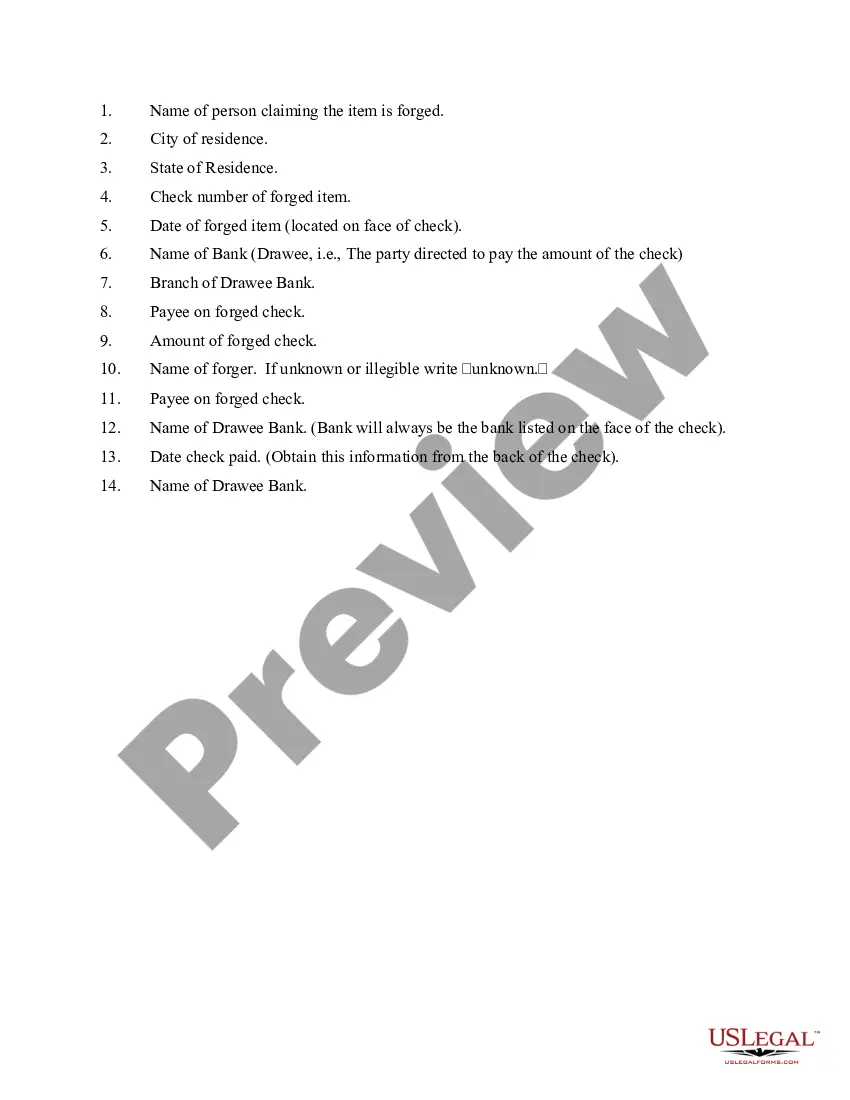
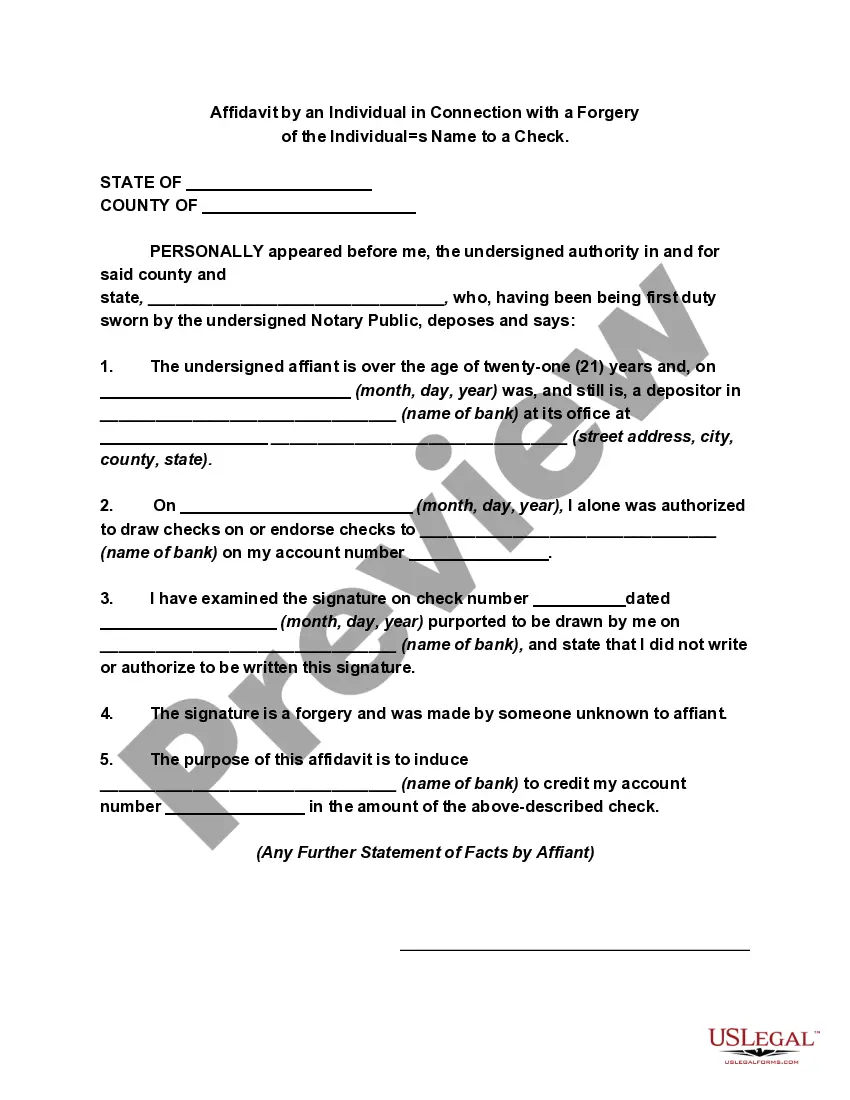
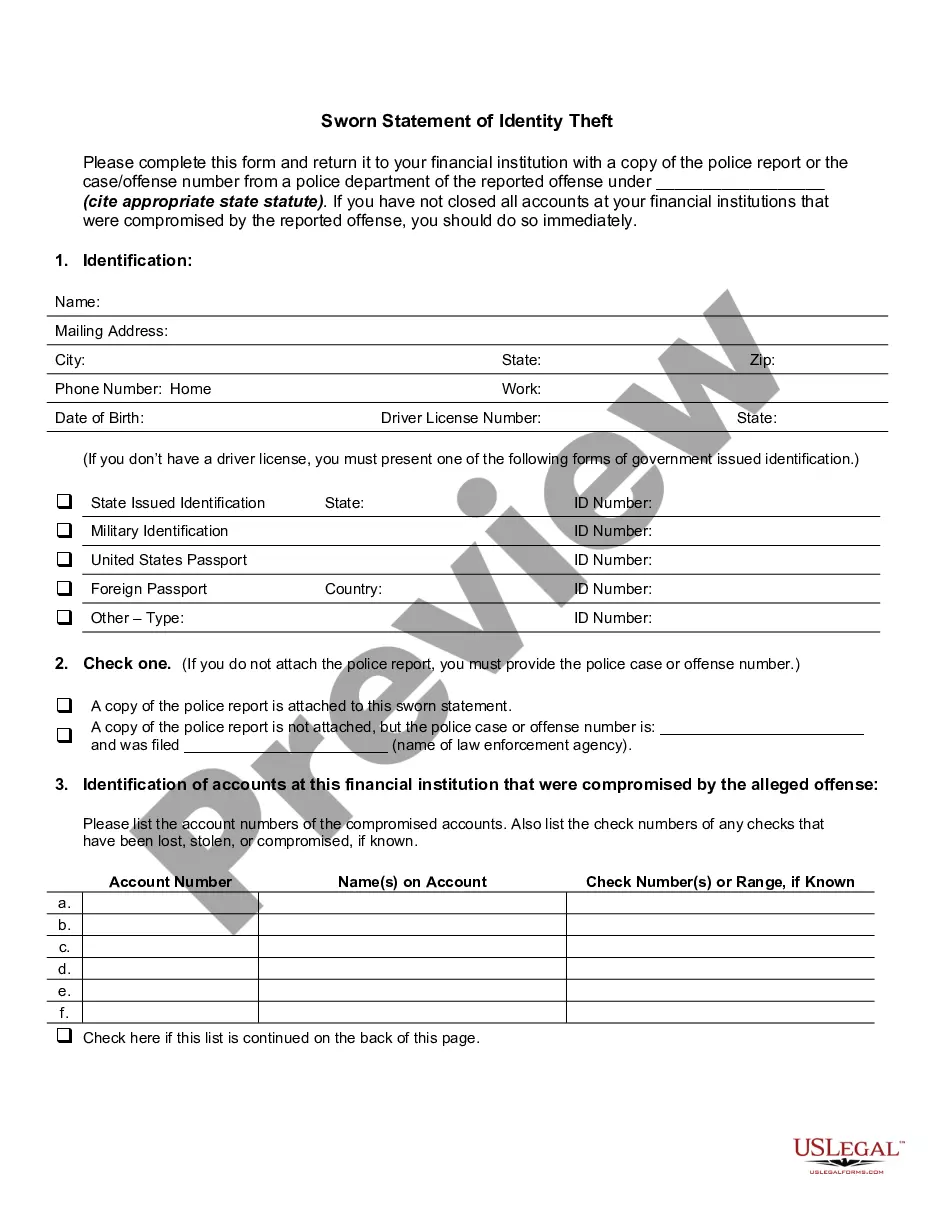
Get your form ready online
Our built-in tools help you complete, sign, share, and store your documents in one place.
Make edits, fill in missing information, and update formatting in US Legal Forms—just like you would in MS Word.
Download a copy, print it, send it by email, or mail it via USPS—whatever works best for your next step.
Sign and collect signatures with our SignNow integration. Send to multiple recipients, set reminders, and more. Go Premium to unlock E-Sign.
If this form requires notarization, complete it online through a secure video call—no need to meet a notary in person or wait for an appointment.
We protect your documents and personal data by following strict security and privacy standards.

Make edits, fill in missing information, and update formatting in US Legal Forms—just like you would in MS Word.

Download a copy, print it, send it by email, or mail it via USPS—whatever works best for your next step.

Sign and collect signatures with our SignNow integration. Send to multiple recipients, set reminders, and more. Go Premium to unlock E-Sign.

If this form requires notarization, complete it online through a secure video call—no need to meet a notary in person or wait for an appointment.

We protect your documents and personal data by following strict security and privacy standards.
Looking for another form?










Form popularity
FAQ
Skilled forgery The hardest type of forgeries to detect, these signatures are produced by criminals who have spent a lot of time practicing and have the ability to replicate the actual signatures in a way that looks both accurate and relatively fluent to the eye.
These days, you can detect document fraud thanks to artificial intelligence (AI) and machine learning to analyze metadata, visual structure, and internal integrity for signs of forgery.
Forgery is a criminal offense. Generally, forgery charges are charged at the state level, but they can be charged as federal crimes in certain circumstances. The details of your case determine whether the case will be tried in state or federal court and the applicable laws.
Defenses Against Forgery Charges Lack of fraudulent intent — If you did not have the intention to defraud, you may have a valid defense to forgery charges. Document Lacks Legal Significance — To be considered forgery, the document in question must have some sort of legal importance.
How to Get Out of Forgery Charges Lack of Intent to Defraud: Demonstrate that there was no intention to deceive or cause harm. Consent: Prove that you had permission to sign or alter the document in question. Authenticity: Show that the signature or instrument is genuine and not forged.
