Forged Of Document In California
Description

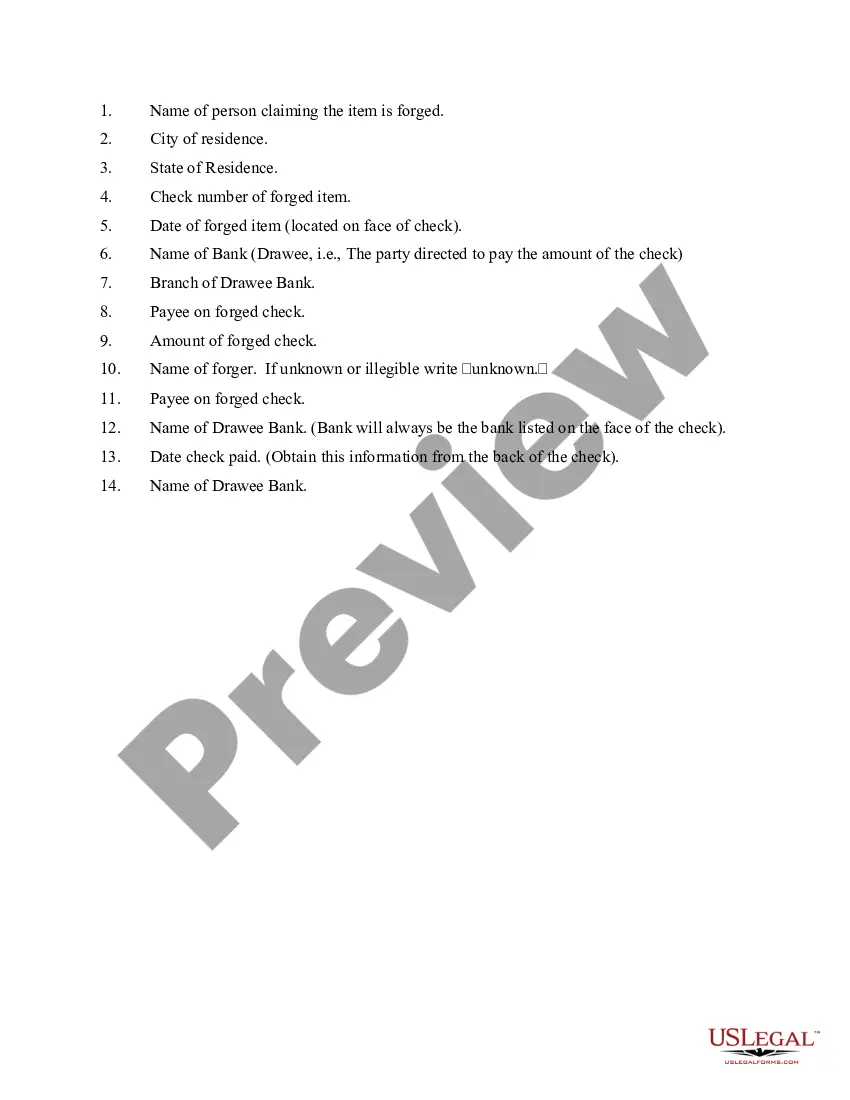
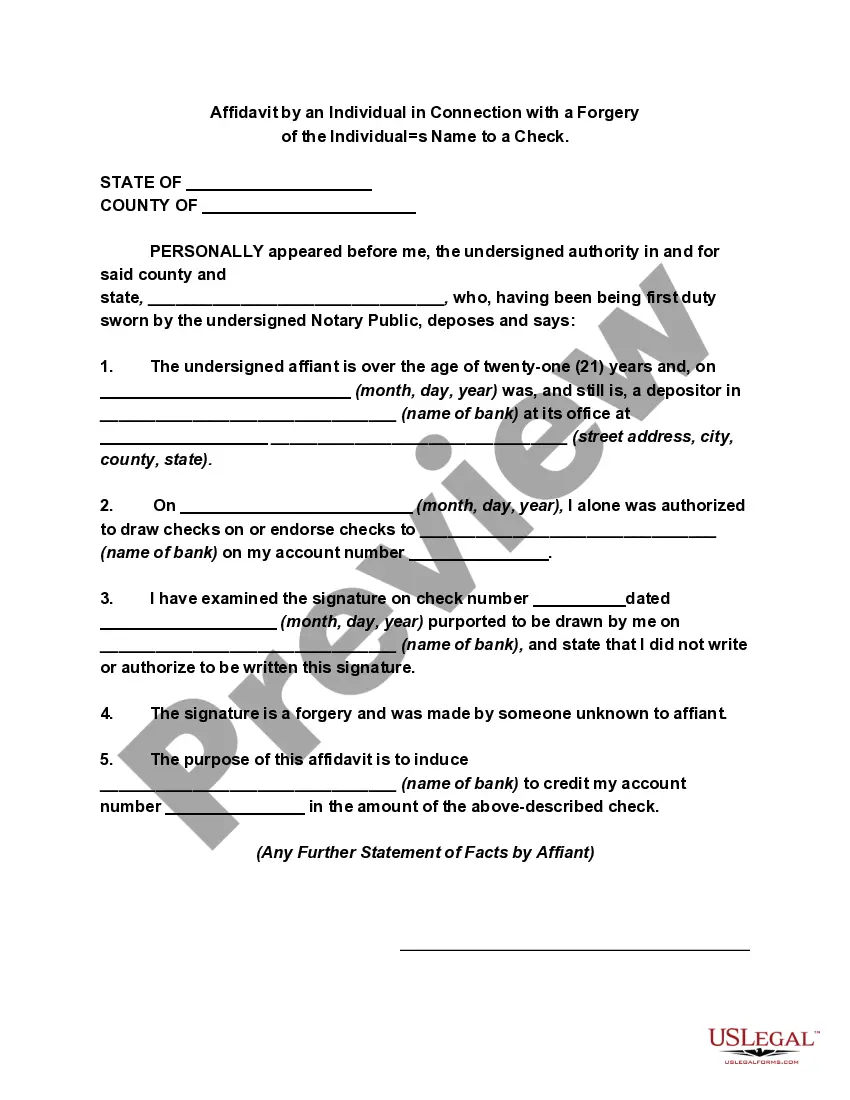
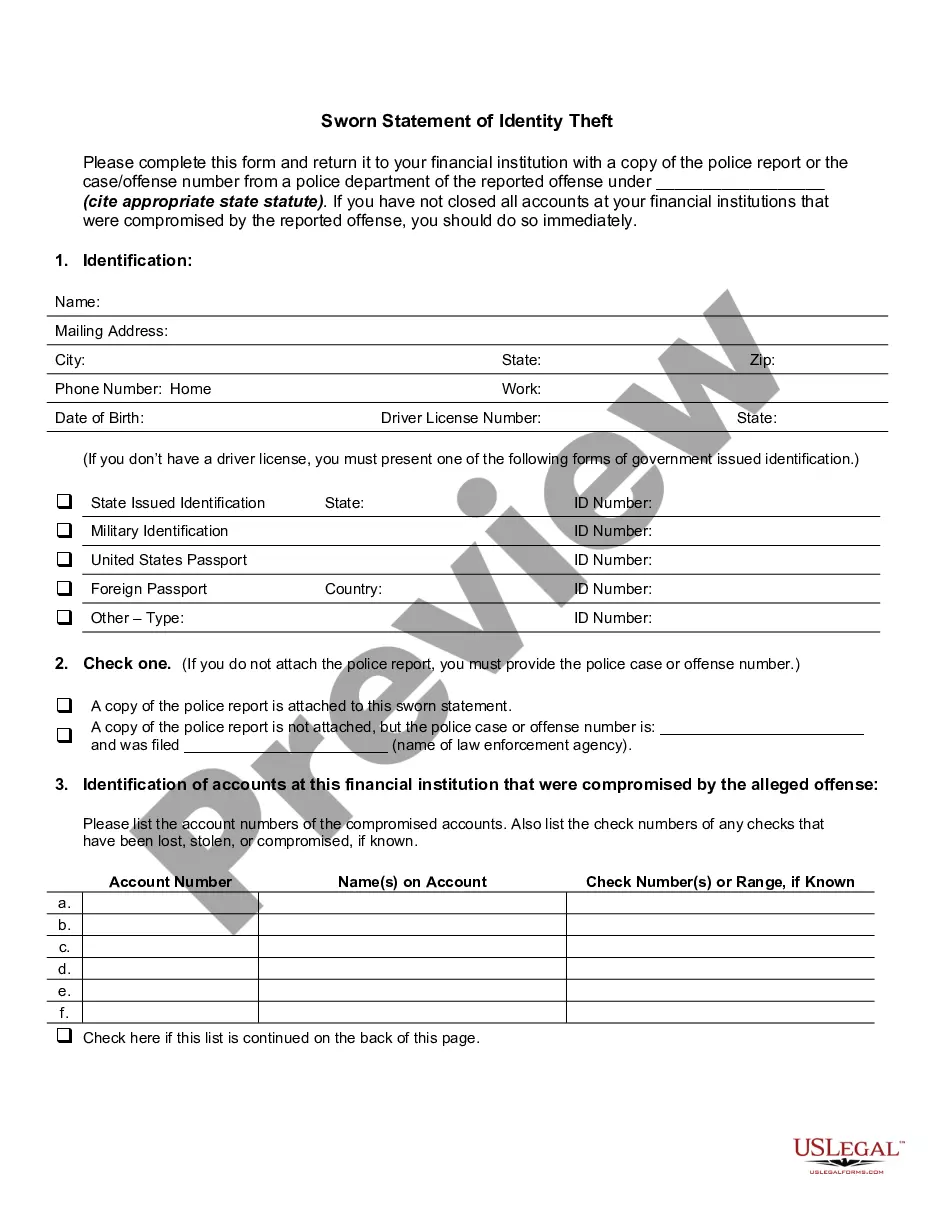
Get your form ready online
Our built-in tools help you complete, sign, share, and store your documents in one place.
Make edits, fill in missing information, and update formatting in US Legal Forms—just like you would in MS Word.
Download a copy, print it, send it by email, or mail it via USPS—whatever works best for your next step.
Sign and collect signatures with our SignNow integration. Send to multiple recipients, set reminders, and more. Go Premium to unlock E-Sign.
If this form requires notarization, complete it online through a secure video call—no need to meet a notary in person or wait for an appointment.
We protect your documents and personal data by following strict security and privacy standards.

Make edits, fill in missing information, and update formatting in US Legal Forms—just like you would in MS Word.

Download a copy, print it, send it by email, or mail it via USPS—whatever works best for your next step.

Sign and collect signatures with our SignNow integration. Send to multiple recipients, set reminders, and more. Go Premium to unlock E-Sign.

If this form requires notarization, complete it online through a secure video call—no need to meet a notary in person or wait for an appointment.

We protect your documents and personal data by following strict security and privacy standards.
Looking for another form?





Form popularity
FAQ
Penalties If charged as a misdemeanor, the defendant can be sentenced to up to a year in jail, restitution to the victim and substantial court fines. If charged as a felony, the defendant can potentially be sentenced to up to three years in prison, in addition to fines and restitution.
Presenting False Written Evidence is a crime under California Penal Code Section 132 PC and the broader offense of Preparing False Evidence is a crime pursuant to California Penal Code Section 134 PC.
Penal Code 476a PC makes it a crime to write or pass a bad check (knowing that there are or will be insufficient funds in the account). The offense can be charged as a felony if the value of the bad checks is more than $950.00.
Investigators analyze and compare various traits, such as the appearance of letters, of suspicious documents with known samples to help identify the author of the document. Investigators might also be asked to detect changes that may have occurred in an original document.
Forgery is a serious offense, specifically defined under California Penal Code Section 470. California law considers various acts as forgery. These include counterfeiting documents, signing someone else's name without authorization, falsifying legal documents, or creating counterfeit currency.
To prove someone is guilty of PC 470, the prosecutor must prove the following elements beyond a reasonable doubt: Defendant signed with another person's name or name; Defendant knew they did not have the authority to do so; Defendant did not have the authority to sign a name or another person's name;
To prove someone is guilty of PC 470, the prosecutor must prove the following elements beyond a reasonable doubt: Defendant signed with another person's name or name; Defendant knew they did not have the authority to do so; Defendant did not have the authority to sign a name or another person's name;
How to Get Out of Forgery Charges Lack of Intent to Defraud: Demonstrate that there was no intention to deceive or cause harm. Consent: Prove that you had permission to sign or alter the document in question. Authenticity: Show that the signature or instrument is genuine and not forged.
Criminal Charges: Risk of arrest, trial, and potential imprisonment. Immigration Issues: Possible deportation for non-citizens. Career Damage: Loss of professional licenses and job opportunities. Housing Difficulties: Criminal records can limit housing options.
