Asset Acquisition Form 8594 Instructions In Ohio
Description

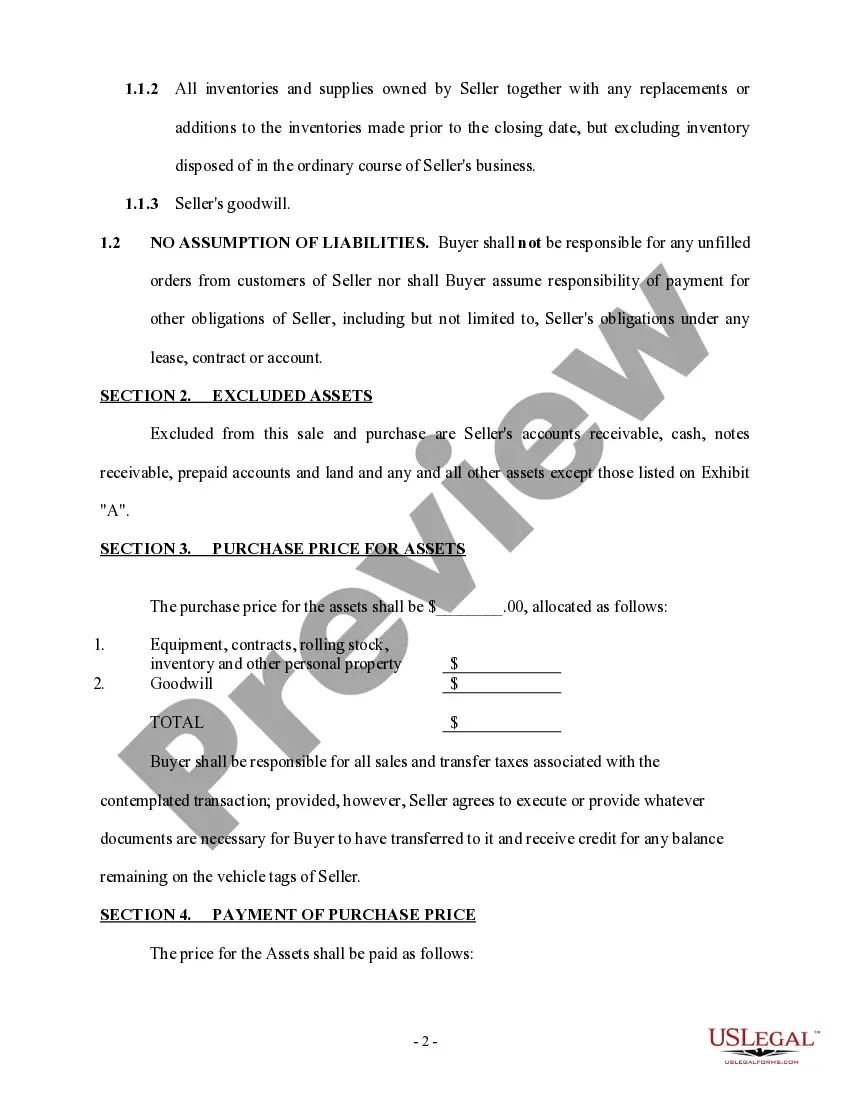
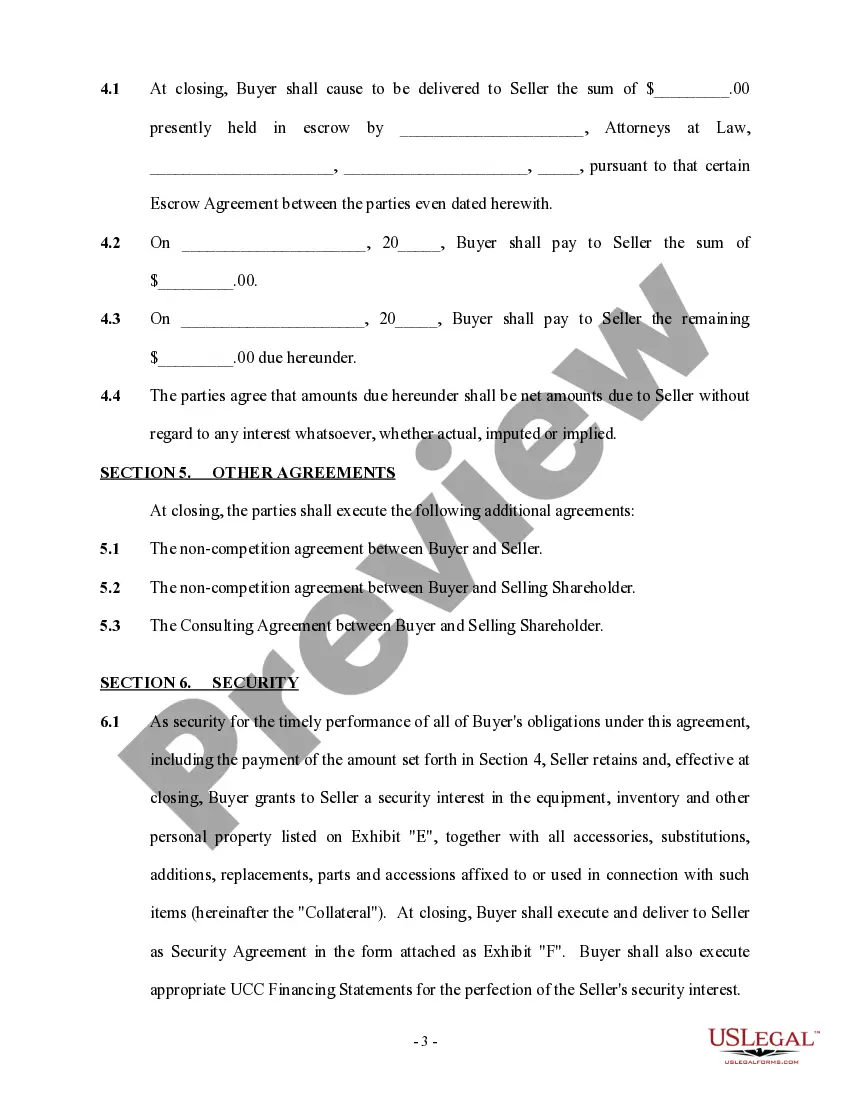
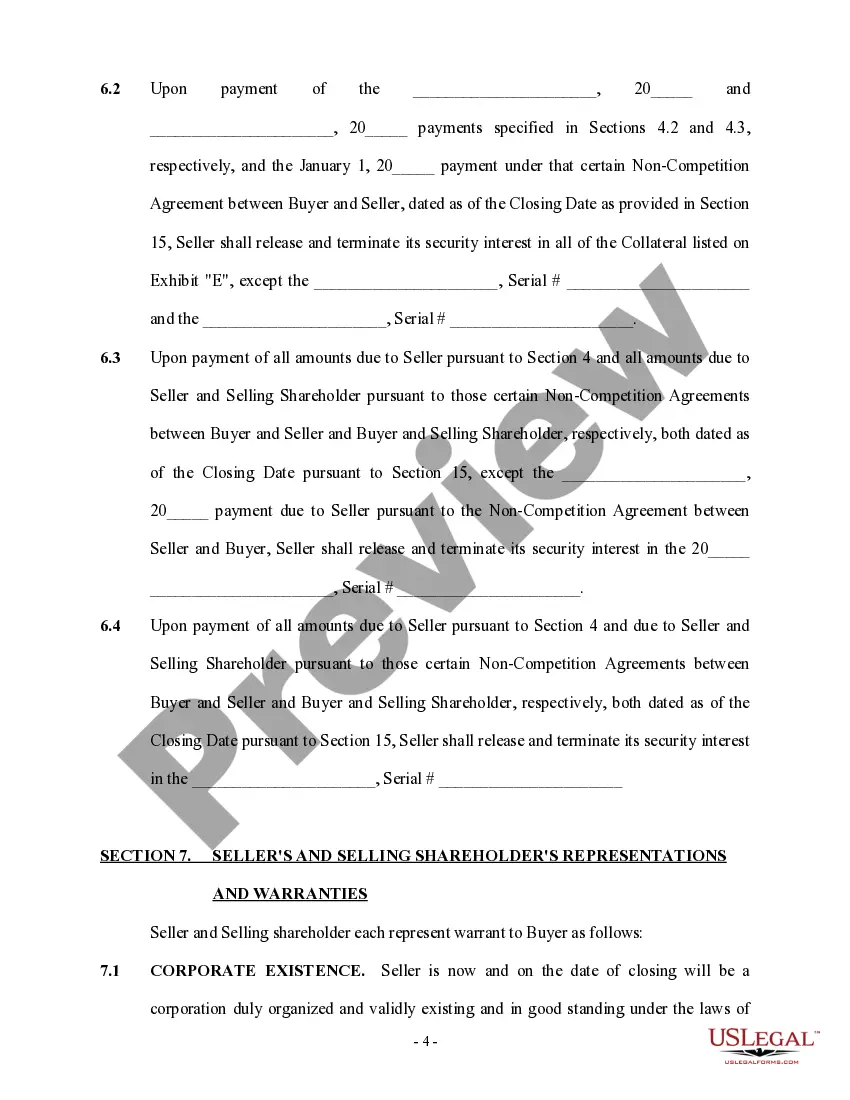
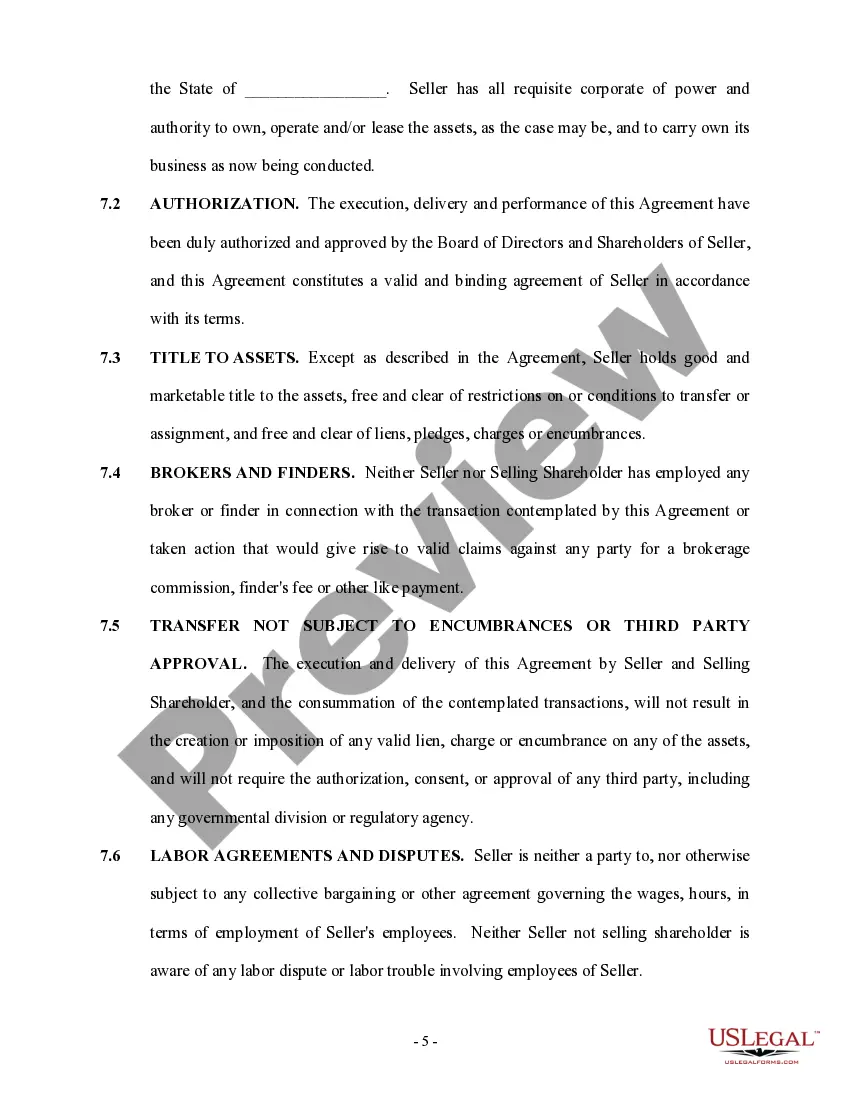


Get your form ready online
Our built-in tools help you complete, sign, share, and store your documents in one place.
Make edits, fill in missing information, and update formatting in US Legal Forms—just like you would in MS Word.
Download a copy, print it, send it by email, or mail it via USPS—whatever works best for your next step.
Sign and collect signatures with our SignNow integration. Send to multiple recipients, set reminders, and more. Go Premium to unlock E-Sign.
If this form requires notarization, complete it online through a secure video call—no need to meet a notary in person or wait for an appointment.
We protect your documents and personal data by following strict security and privacy standards.

Make edits, fill in missing information, and update formatting in US Legal Forms—just like you would in MS Word.

Download a copy, print it, send it by email, or mail it via USPS—whatever works best for your next step.

Sign and collect signatures with our SignNow integration. Send to multiple recipients, set reminders, and more. Go Premium to unlock E-Sign.

If this form requires notarization, complete it online through a secure video call—no need to meet a notary in person or wait for an appointment.

We protect your documents and personal data by following strict security and privacy standards.
Looking for another form?







Form popularity
FAQ
Clauses to fill in the form 8594 Line 1: Fill in the name, address and TIN of the other party of the transaction (either the purchaser or seller). The TIN of the other party is required in the form. Line 2: Indicate the date on which the sale of the assets happened. Line 3: Enter the total value of the assets exchanged.
The following tax forms are typically used when selling a business: Form 8594, Asset Acquisition Statement. Form 4797, Sales of Business Property.
There are four different top-level inventory types: raw materials, work-in-progress (WIP), merchandise and supplies, and finished goods. These four main categories help businesses classify and track items that are in stock or that they might need in the future.
The Inventory Asset account setup would generally look as follows. The Account Type is Other Current Assets. The Detail Type is Inventory. The Name can be anything you would like to assign.
Key Takeaways. Inventory is the raw materials used to produce goods as well as the goods that are available for sale. It is classified as a current asset on a company's balance sheet.
Class III: Accounts receivables, mortgages, and credit card receivables. Class IV: Inventory. Class V: All assets not in classes I – IV, VI, and VII (equipment, land, building) Class VI: Section 197 intangibles, except goodwill and going concern.
