Louisiana Deferred Comp Hardship Withdrawal In Wake
Description

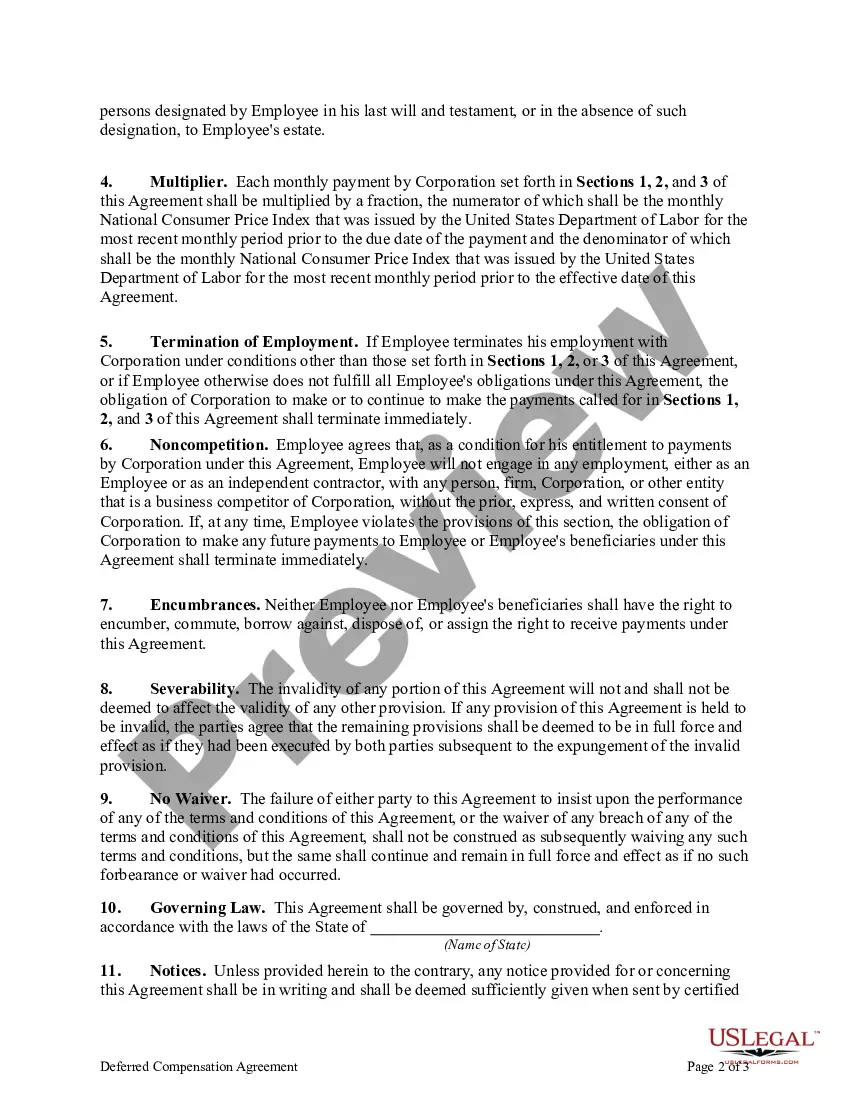
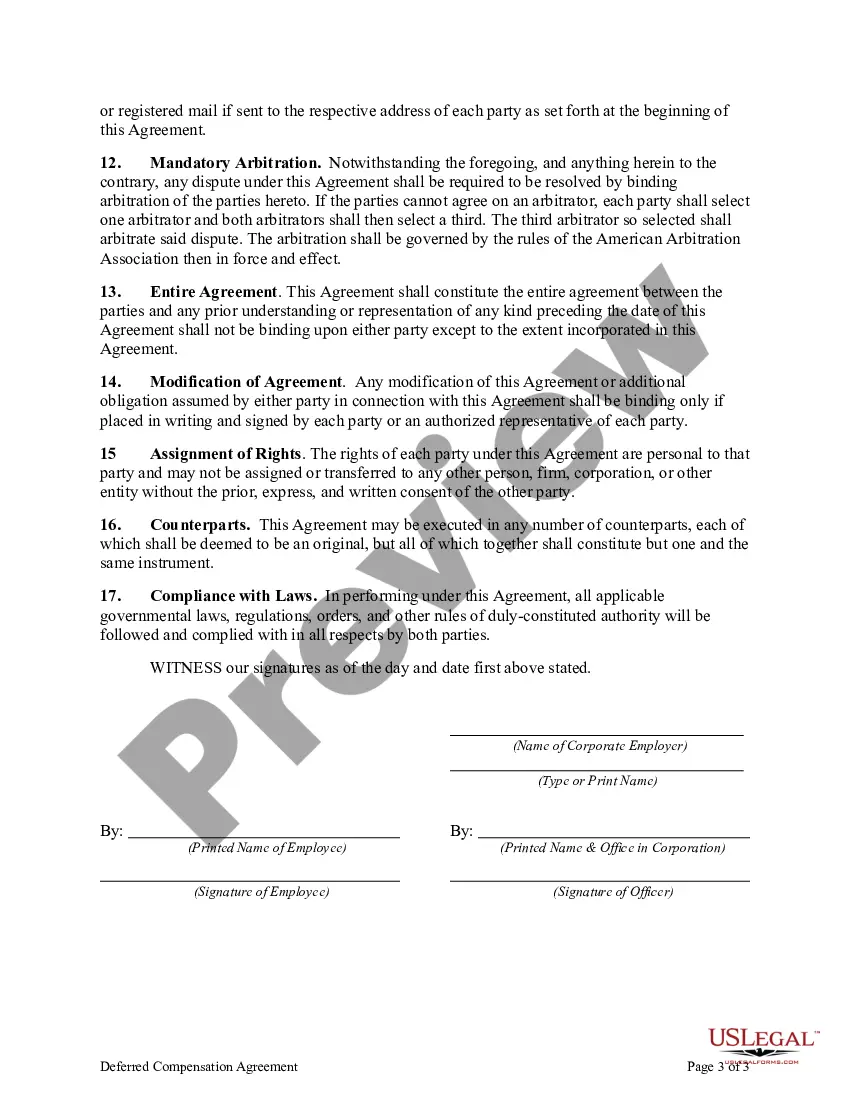

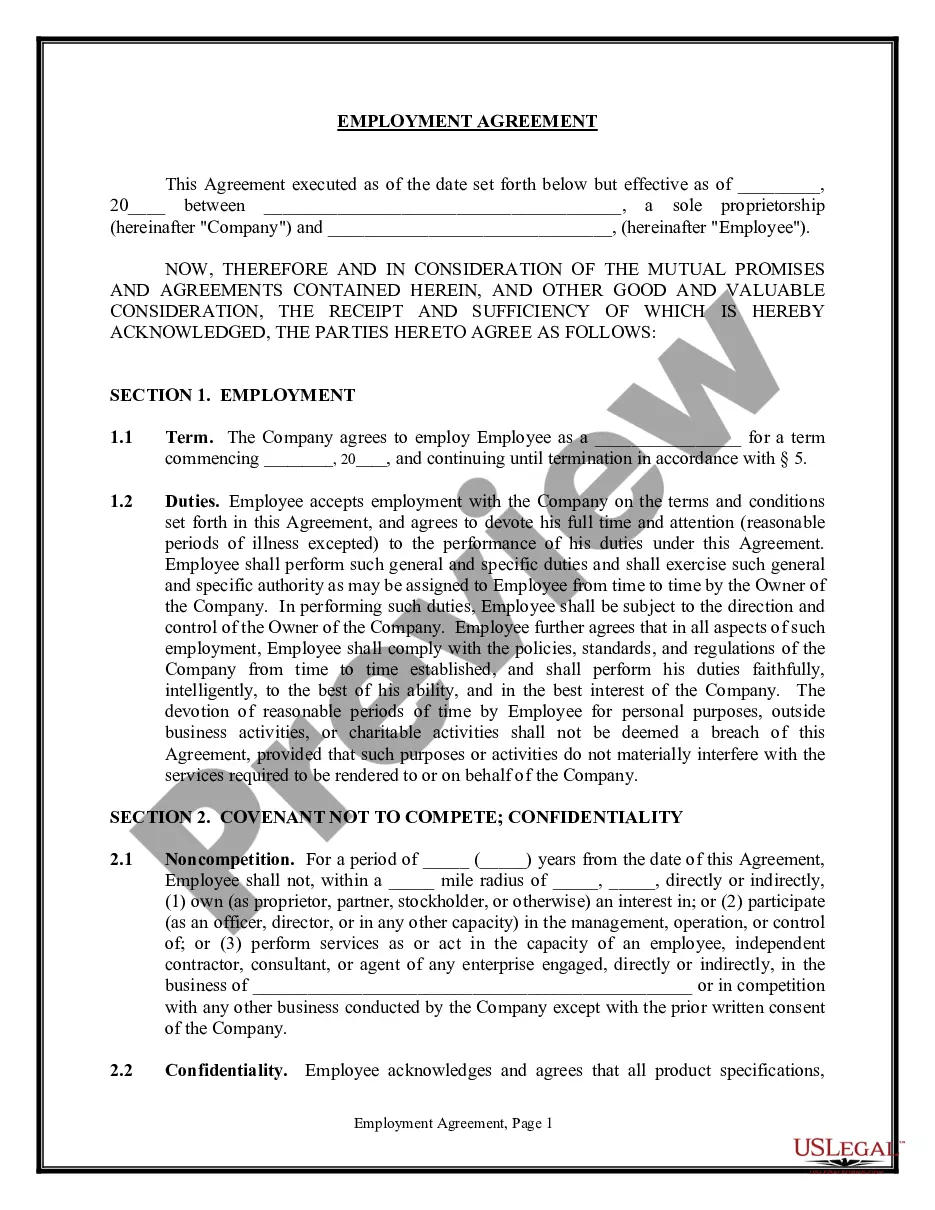
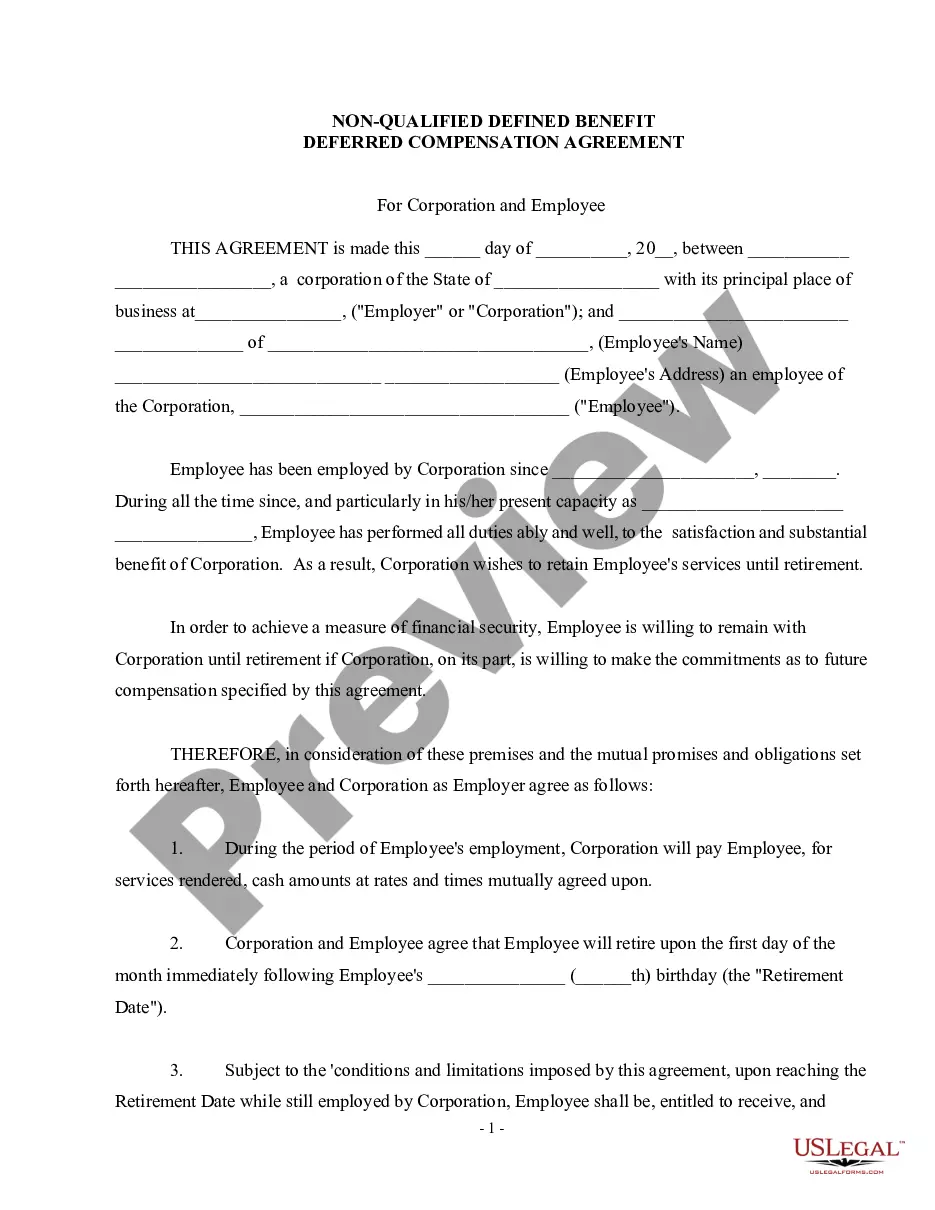
Get your form ready online
Our built-in tools help you complete, sign, share, and store your documents in one place.
Make edits, fill in missing information, and update formatting in US Legal Forms—just like you would in MS Word.
Download a copy, print it, send it by email, or mail it via USPS—whatever works best for your next step.
Sign and collect signatures with our SignNow integration. Send to multiple recipients, set reminders, and more. Go Premium to unlock E-Sign.
If this form requires notarization, complete it online through a secure video call—no need to meet a notary in person or wait for an appointment.
We protect your documents and personal data by following strict security and privacy standards.

Make edits, fill in missing information, and update formatting in US Legal Forms—just like you would in MS Word.

Download a copy, print it, send it by email, or mail it via USPS—whatever works best for your next step.

Sign and collect signatures with our SignNow integration. Send to multiple recipients, set reminders, and more. Go Premium to unlock E-Sign.

If this form requires notarization, complete it online through a secure video call—no need to meet a notary in person or wait for an appointment.

We protect your documents and personal data by following strict security and privacy standards.
Looking for another form?



Form popularity
FAQ
Participants may request a hardship distribution online or via an Empower Representative for up to two hardship requests per Plan year. Participants use supporting documentation to provide specific summary information when requesting a hardship and do not submit copies of the supporting documentation.
Applying for a hardship withdrawal is done through your employer or 401(k) plan administrator. As mentioned, you will have to prove that your request is “due to an immediate and heavy financial need.” Any hardship distribution will be limited to what is necessary to cover the shortfall.
To qualify for a hardship withdrawal, you'll need to provide documentation that verifies the nature and urgency of your financial need. This can include repair estimates or invoices for home repairs, medical bills, eviction or foreclosure notices, or tuition bills, depending on the situation.
Once you submit your hardship withdrawal application, it will be reviewed. Generally this takes less than a day. However, if there are any questions about your application, additional review time may be needed. Typically, this further review takes 5-7 business days.
However, if there are any questions about your application, additional review time may be needed. Typically, this further review takes 5-7 business days. You'll receive an email notification to let you know if you're approved. If approved, you'll also receive a final notice when your funds are on the way.
However, if the employer knows you can access another source of funds, it may deny your request. Other times, the employer may verify your hardship and the necessity of the withdrawal through specific documentation, such as: Foreclosure notices. Funeral home invoices.
You can apply straight away, although the Jobcentre might ask you to wait a few days before you get your payment - you can usually only get a hardship payment 15 days after your JSA payment was stopped. You'll be able to get your hardship payment straight away if you're considered 'vulnerable' by the Jobcentre.
The 457 Plan's emergency withdrawal provision is for "unforeseeable emergencies" defined as "...a severe financial hardship to a Participant resulting from a sudden and unexpected illness or accident of the Participant or of a dependent (as defined in Section 152(a) of the Internal Revenue Code) of the Participant, ...
§457 Contributions Louisiana Deferred Compensation Plan (LDCP) is a voluntary retirement savings plan that offers eligible employees the option to contribute pre-tax or post tax (Roth) contributions through payroll deductions.
As part of the application, you will certify that you meet all of the requirements to receive a hardship withdrawal. You will be responsible for saving any documentation necessary to prove that you met the requirements (e.g., bills, invoices, legal documents) and providing such documentation in case of an IRS audit.
