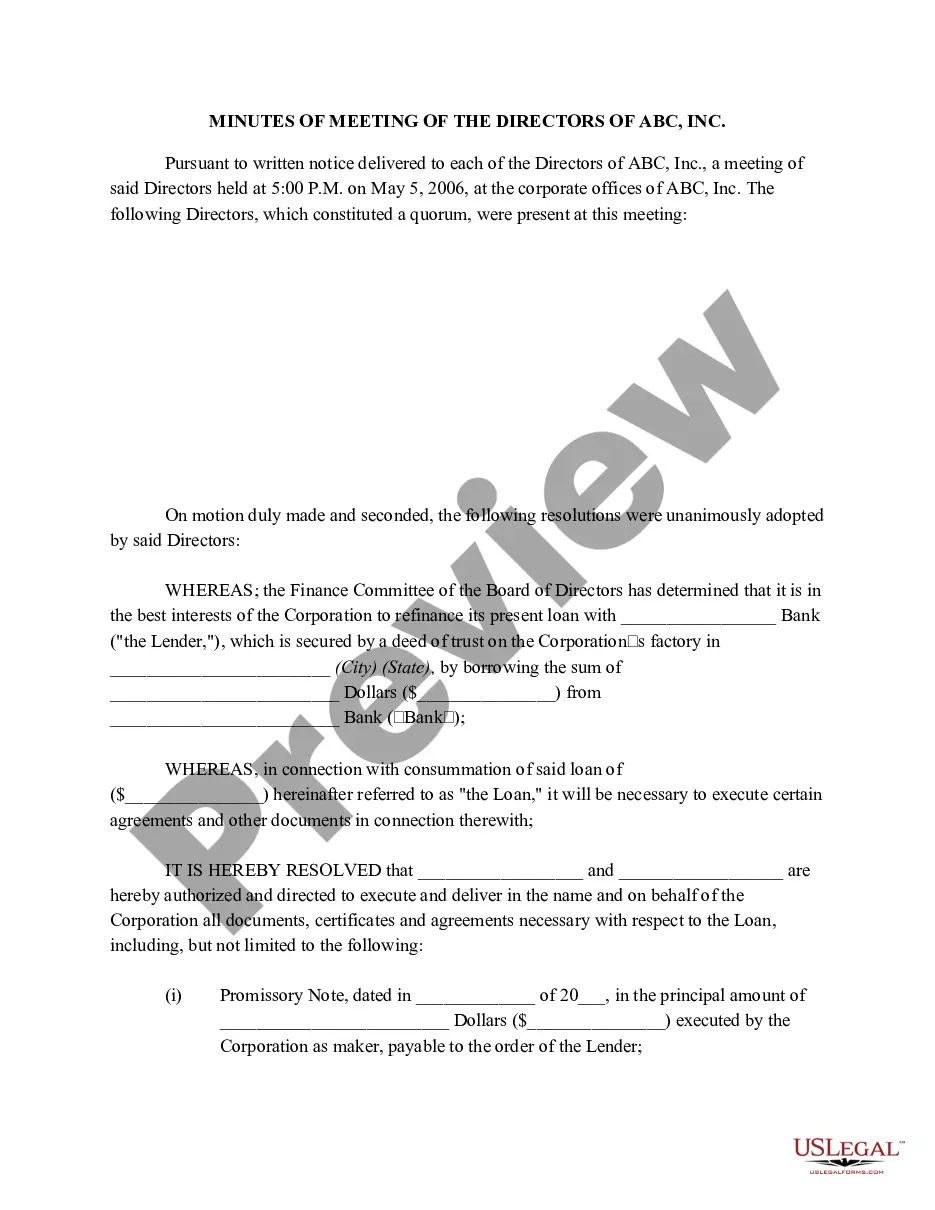
Deferred Compensation Plan For Highly Compensated Employees In Arizona
Description

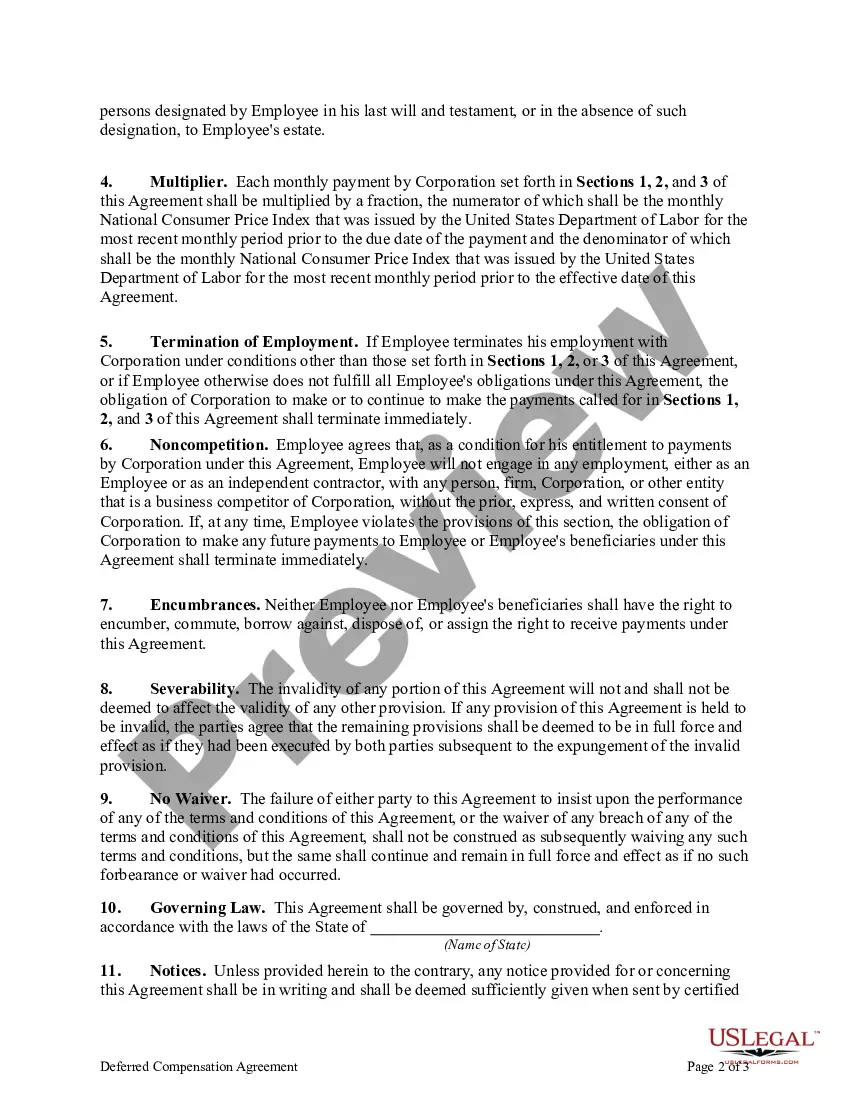
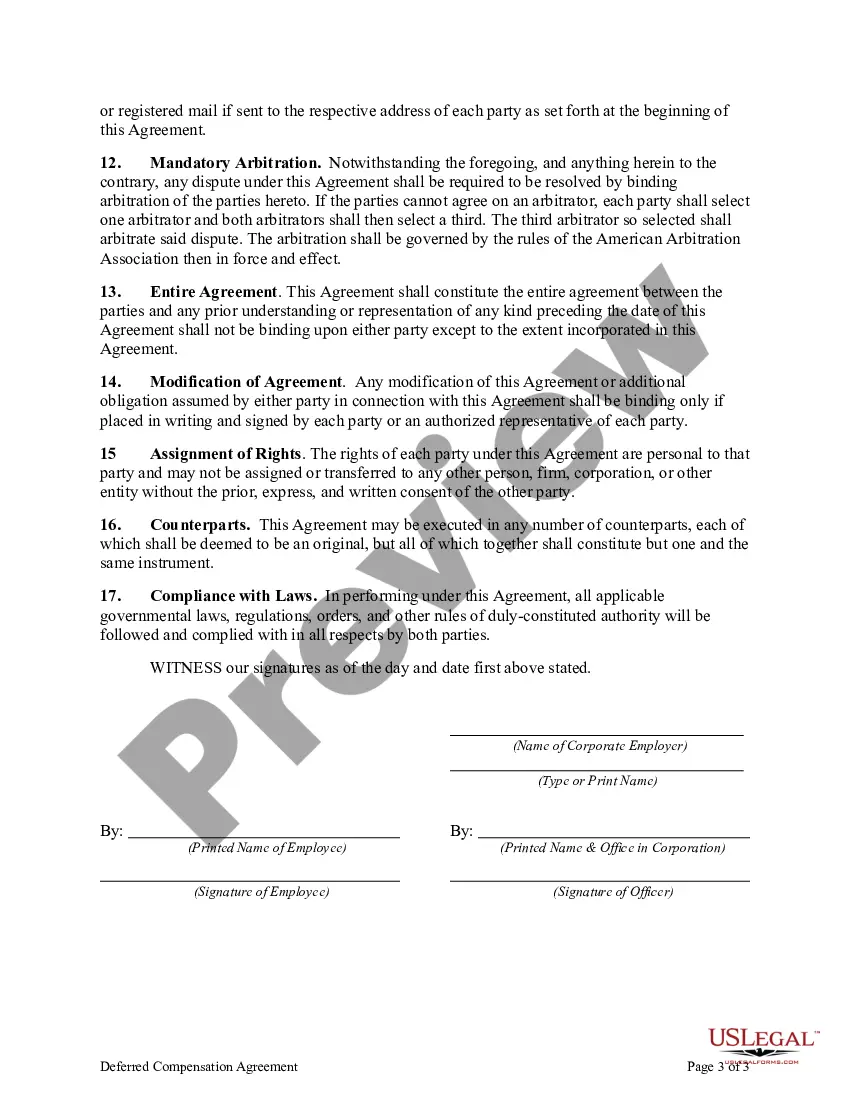

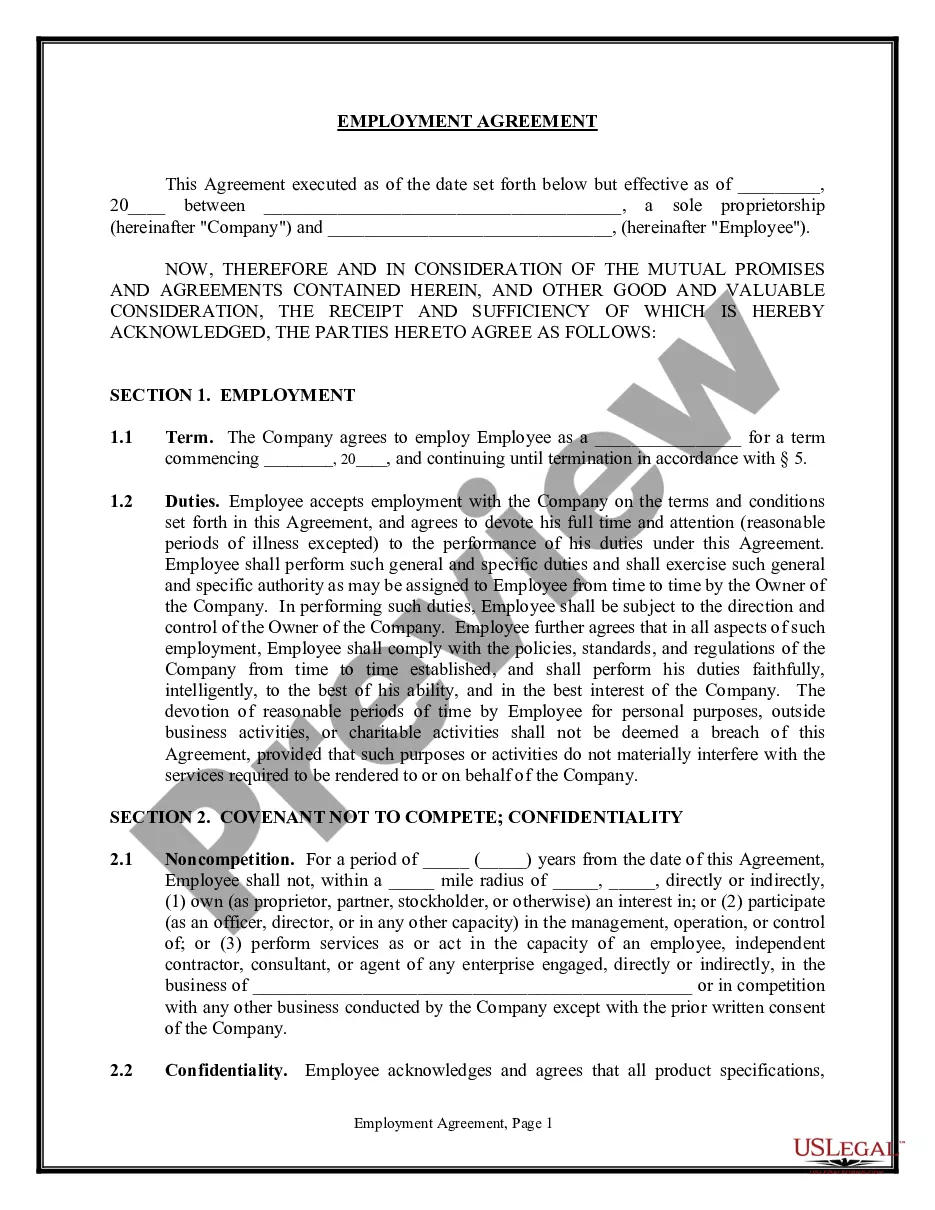
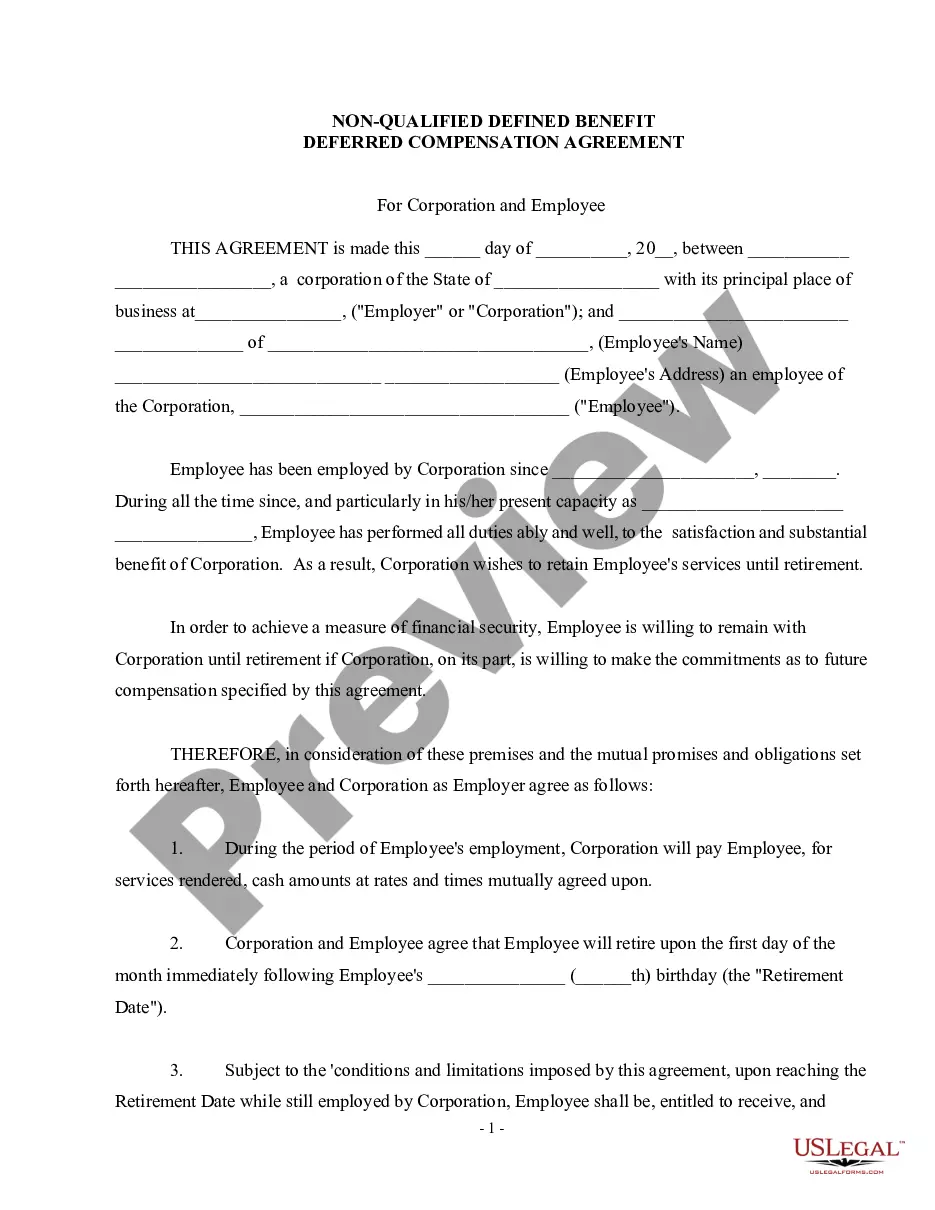
Get your form ready online
Our built-in tools help you complete, sign, share, and store your documents in one place.
Make edits, fill in missing information, and update formatting in US Legal Forms—just like you would in MS Word.
Download a copy, print it, send it by email, or mail it via USPS—whatever works best for your next step.
Sign and collect signatures with our SignNow integration. Send to multiple recipients, set reminders, and more. Go Premium to unlock E-Sign.
If this form requires notarization, complete it online through a secure video call—no need to meet a notary in person or wait for an appointment.
We protect your documents and personal data by following strict security and privacy standards.

Make edits, fill in missing information, and update formatting in US Legal Forms—just like you would in MS Word.

Download a copy, print it, send it by email, or mail it via USPS—whatever works best for your next step.

Sign and collect signatures with our SignNow integration. Send to multiple recipients, set reminders, and more. Go Premium to unlock E-Sign.

If this form requires notarization, complete it online through a secure video call—no need to meet a notary in person or wait for an appointment.

We protect your documents and personal data by following strict security and privacy standards.
Looking for another form?
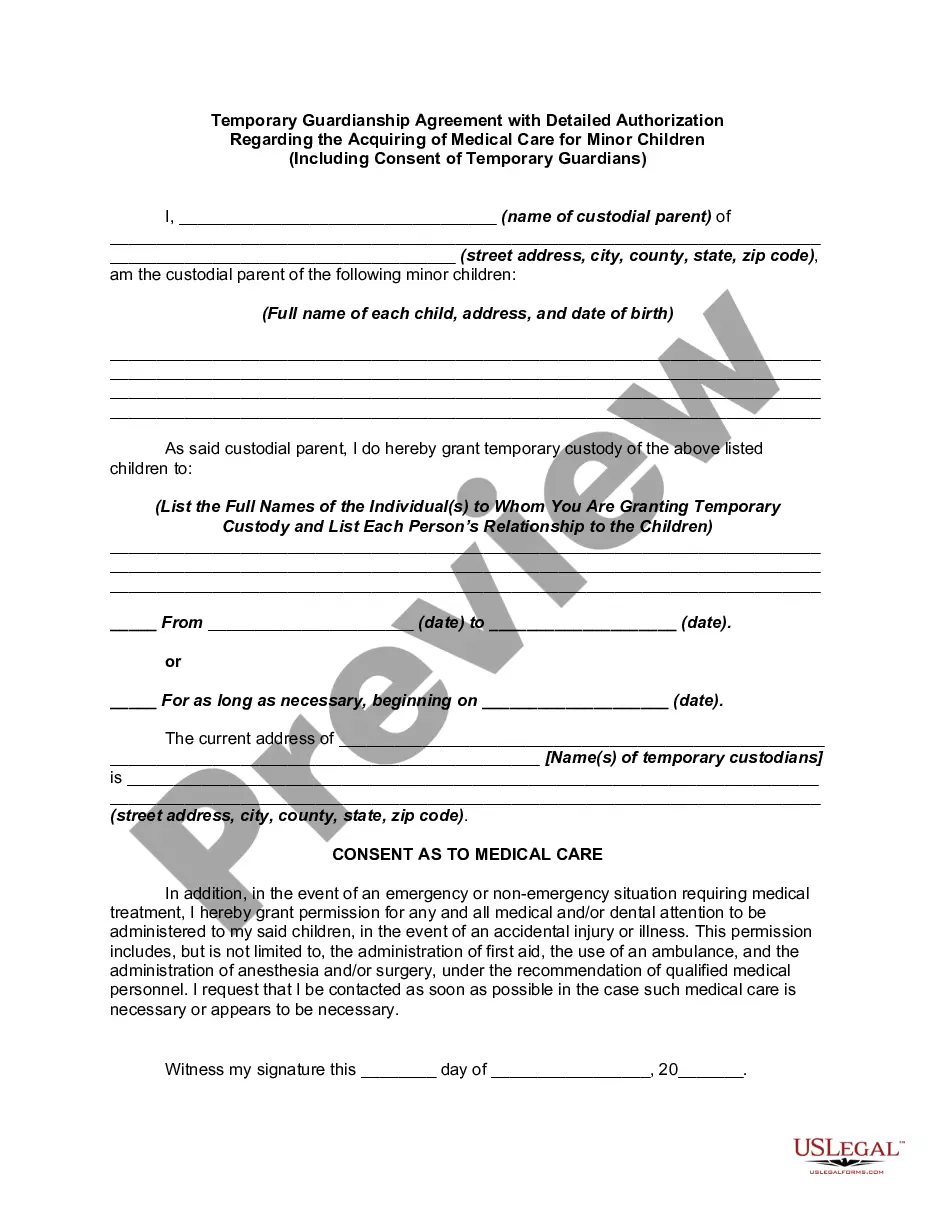
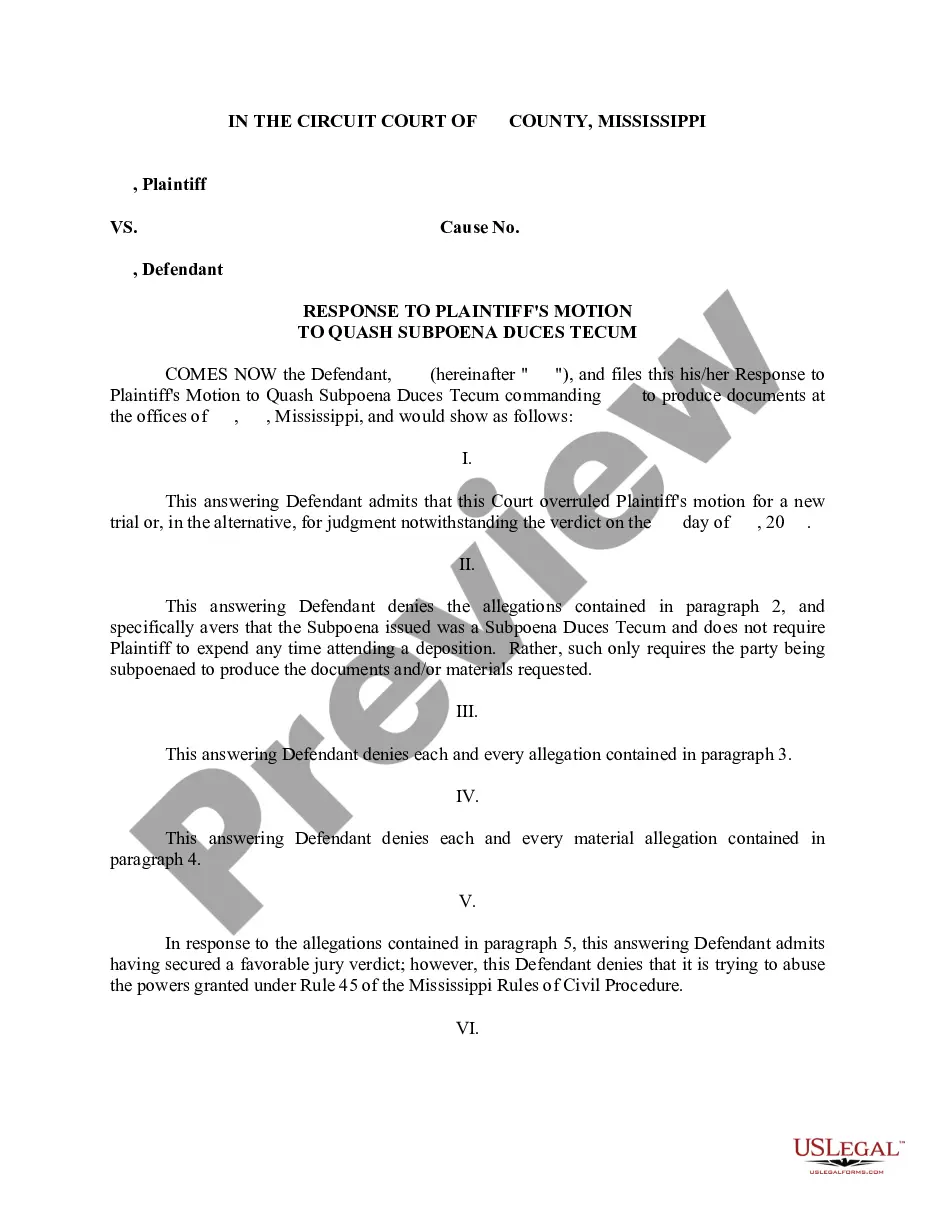
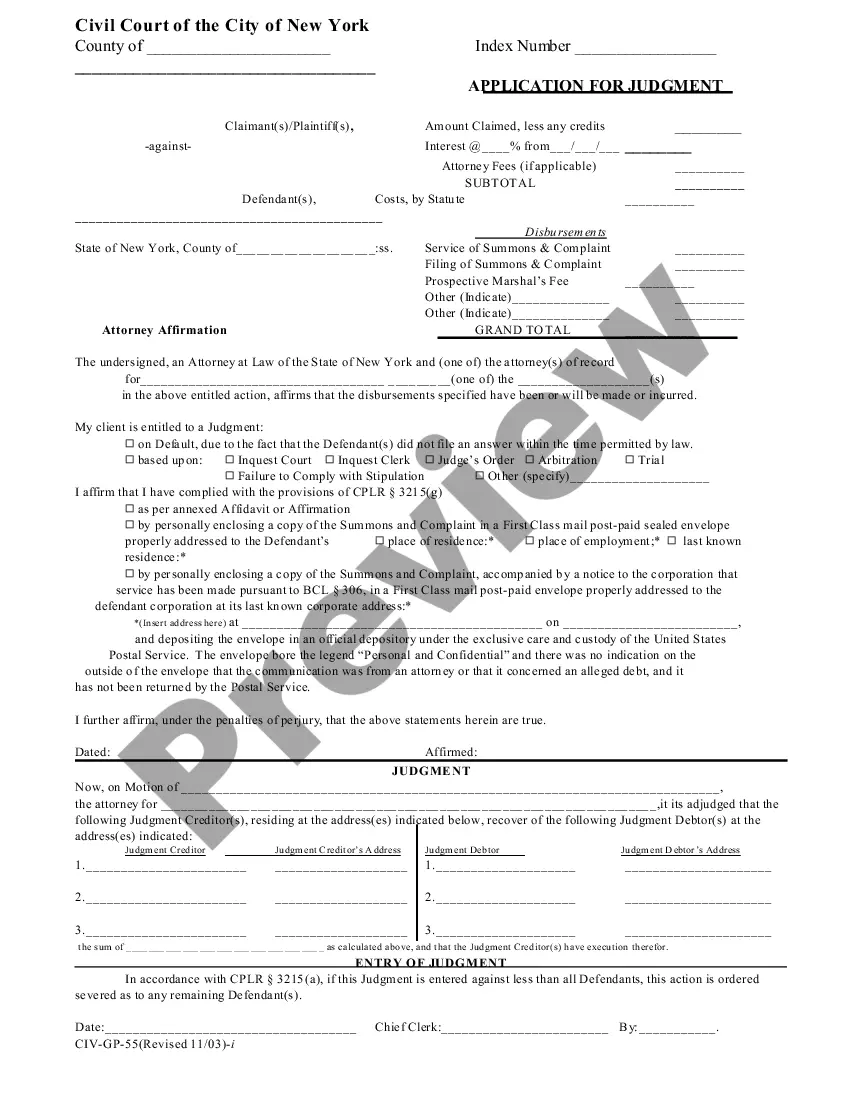







Form popularity
FAQ
A deferred compensation plan is another name for a 457(b) retirement plan, or “457 plan” for short. Deferred compensation plans are designed for state and municipal workers, as well as employees of some tax-exempt organizations.
The normal contribution limit for elective deferrals to a 457 deferred compensation plan is $23,500. Employees age 50 or older may contribute up to an additional $7,500 for a total of $31,000.
ASRS retirees, alternatively, do receive their Social Security benefit in addition to their pension benefit. A smaller base benefit.
These 457(b) and 401(a) plans allow you to contribute a portion of your salary to supplement your retirement savings. Both deferred compensation plans are designed to help you increase your retirement income.
In technical terms, your ASRS pension plan is a 401(a) Defined Benefit plan, while a 401(k) is classified as a Defined Contribution plan. There are many differences between the two.
They're more like an agreement between you and your employer to defer a portion of your annual income until a specific date in the future. Depending on the plan, that date could be in 5 years, 10 years, or in retirement.