Offer And Acceptance In Contract Law Cases In Massachusetts
Description

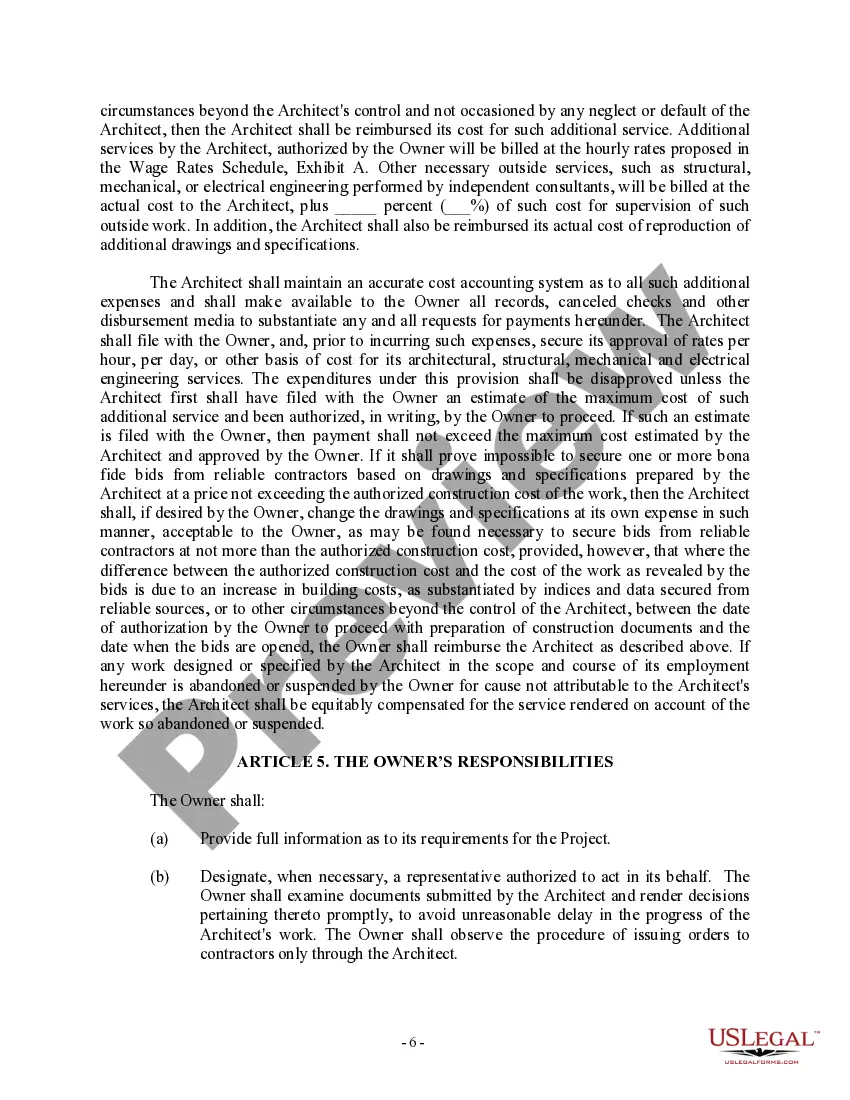
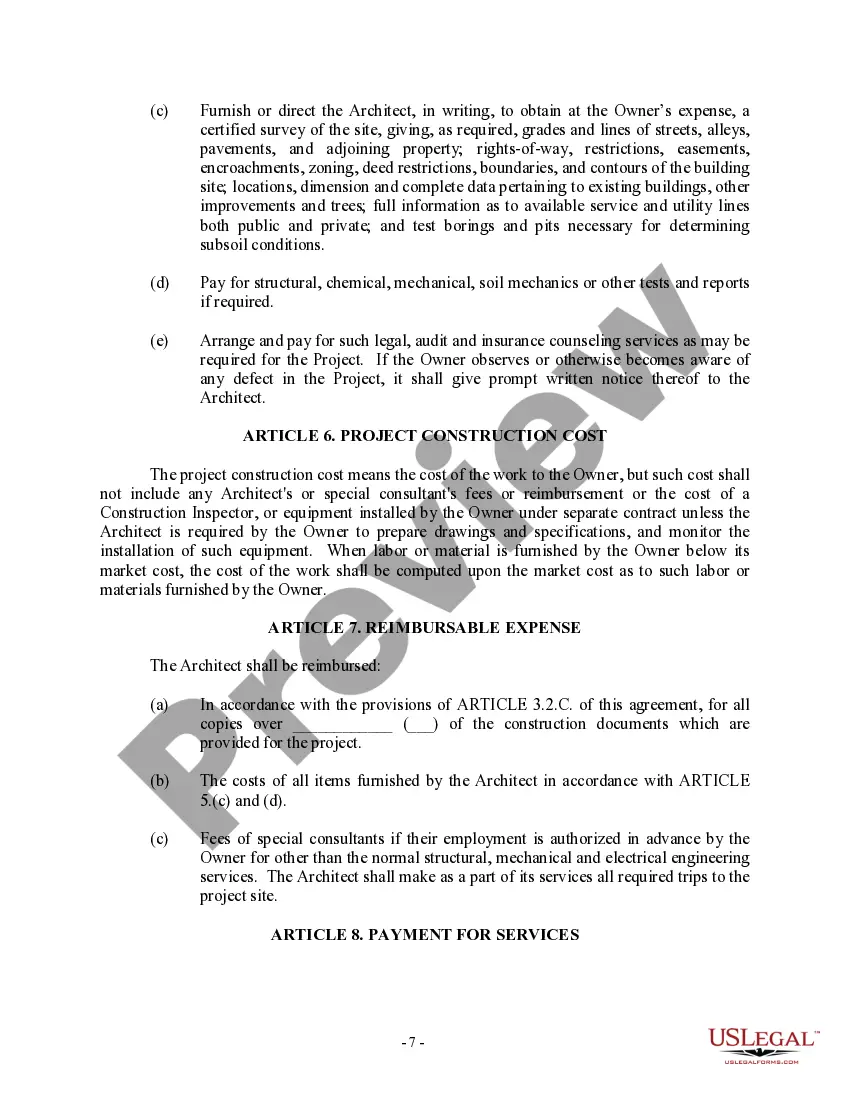
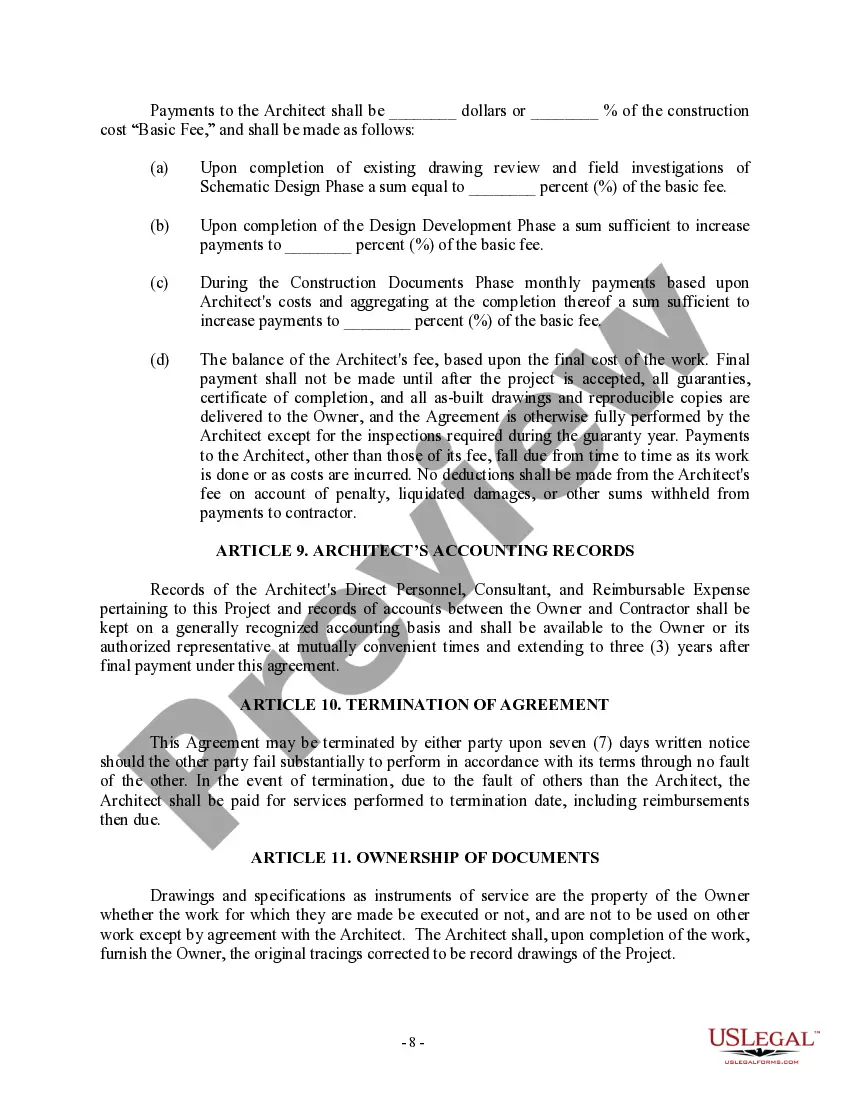
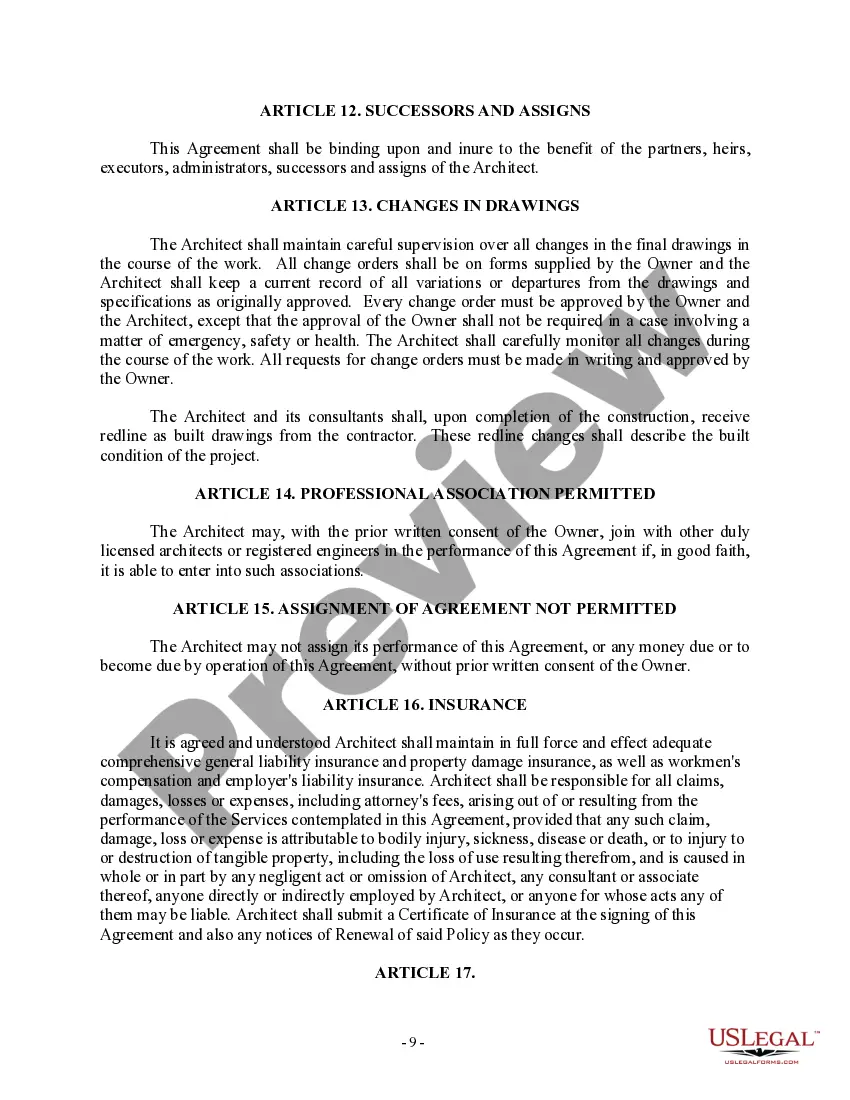

Get your form ready online
Our built-in tools help you complete, sign, share, and store your documents in one place.
Make edits, fill in missing information, and update formatting in US Legal Forms—just like you would in MS Word.
Download a copy, print it, send it by email, or mail it via USPS—whatever works best for your next step.
Sign and collect signatures with our SignNow integration. Send to multiple recipients, set reminders, and more. Go Premium to unlock E-Sign.
If this form requires notarization, complete it online through a secure video call—no need to meet a notary in person or wait for an appointment.
We protect your documents and personal data by following strict security and privacy standards.

Make edits, fill in missing information, and update formatting in US Legal Forms—just like you would in MS Word.

Download a copy, print it, send it by email, or mail it via USPS—whatever works best for your next step.

Sign and collect signatures with our SignNow integration. Send to multiple recipients, set reminders, and more. Go Premium to unlock E-Sign.

If this form requires notarization, complete it online through a secure video call—no need to meet a notary in person or wait for an appointment.

We protect your documents and personal data by following strict security and privacy standards.
Looking for another form?







Form popularity
FAQ
A signed offer letter can serve as a contract, but many offer letters include language giving the employer the right to modify terms. While specific promises made by the employer are not the same as an employment contract, they may be enforced under certain limited circumstances if you reasonably relied on them.
A contract is an agreement between parties , creating mutual obligations that are enforceable by law . The basic elements required for the agreement to be a legally enforceable contract are: mutual assent , expressed by a valid offer and acceptance ; adequate consideration ; capacity ; and legality .
1) An offer must be clear enough to identify the nature of the goods or services being offered. 2) The offeree has to accept the offer within a reasonable period. 3) The offeree must not have agreed to any other agreements that would conflict with this agreement.
The offeror, or person making the offer, must have the intention to be bound by what they are offering. The offeree, or person receiving the offer, must know about the offer and accept it for it to be accepted. This type of contract is only valid if a mutual agreement between both parties is involved.
Requirements for a valid Offer: The offer must be FIRM. Must be made with animo contrahendi – the intention that its acceptance will. call into being a binding contract. The offer must be complete. All the material terms should be set out in the offer. The offer must be clear and certain.
It explains that an offer is an indication of one party's willingness to enter into a contract with the party to whom it is addressed as soon as the latter accepts its terms while an acceptance is an agreement to the terms of the offer.
Unconditional Agreement: Acceptance must mirror the offer exactly, without any changes. Communication: Must be effectively communicated to the offeror, either orally, in writing, or through action. Intent: Parties must genuinely intend to accept and be bound by the offer.
For a contract to be binding it needs to satisfy four principles, offer, acceptance, consideration, and the intention to create legal relations. Generally, the law believes that an agreement is made when one party makes an offer and the other party accepts it.
In order to be valid, consideration must have: legally sufficient value: each party's consideration has to be equivalent in value, not an illegal act, and not something where there is already the legal obligation to do so. bargained for: both parties agree to gain a reward and receive a detriment.
Communication: Must be effectively communicated to the offeror, either orally, in writing, or through action. Intent: Parties must genuinely intend to accept and be bound by the offer. Timeliness: Acceptance must occur within the timeframe specified or within a reasonable period.
