Offer And Acceptance In Contract Law Uk In Contra Costa
Description

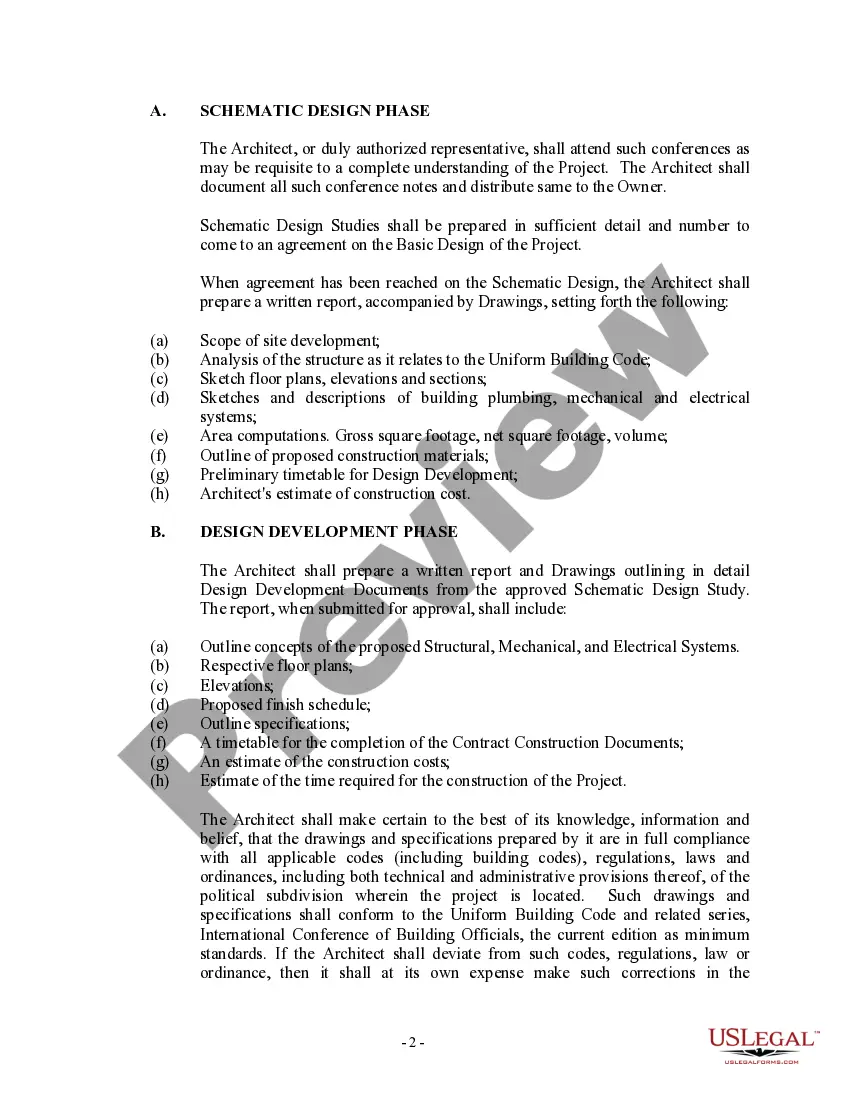
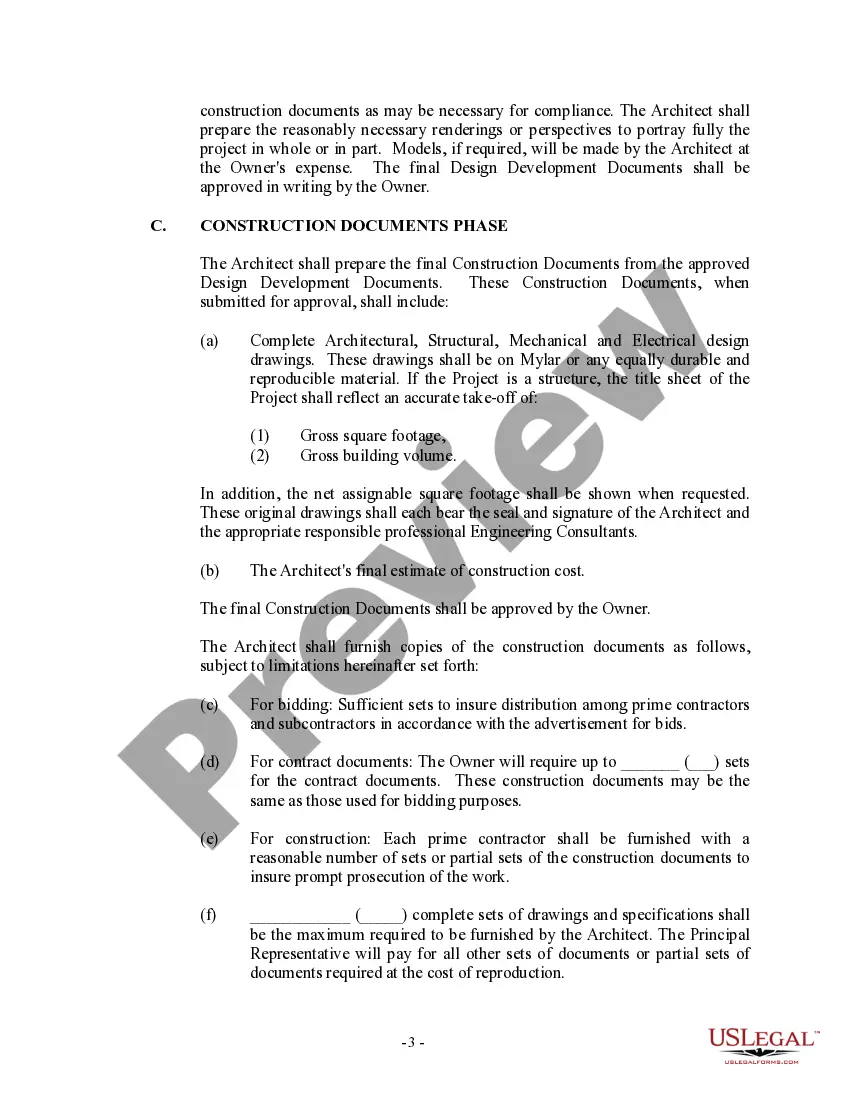
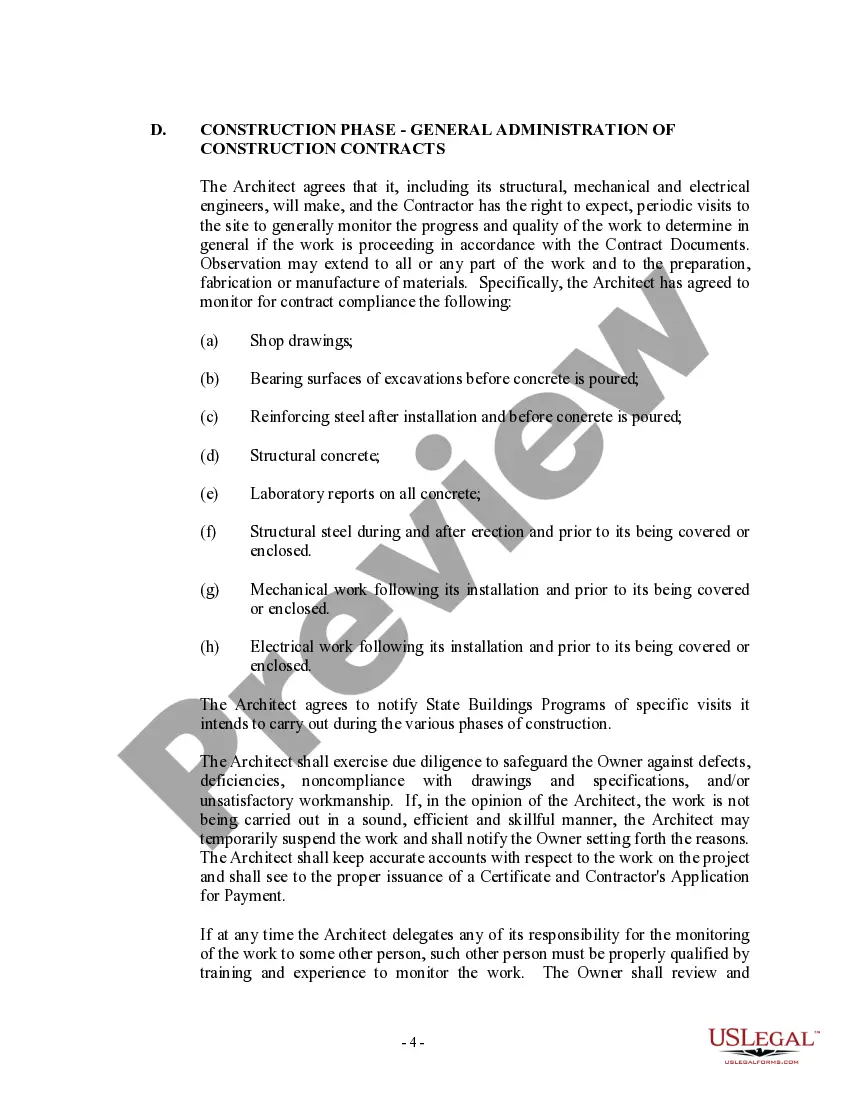
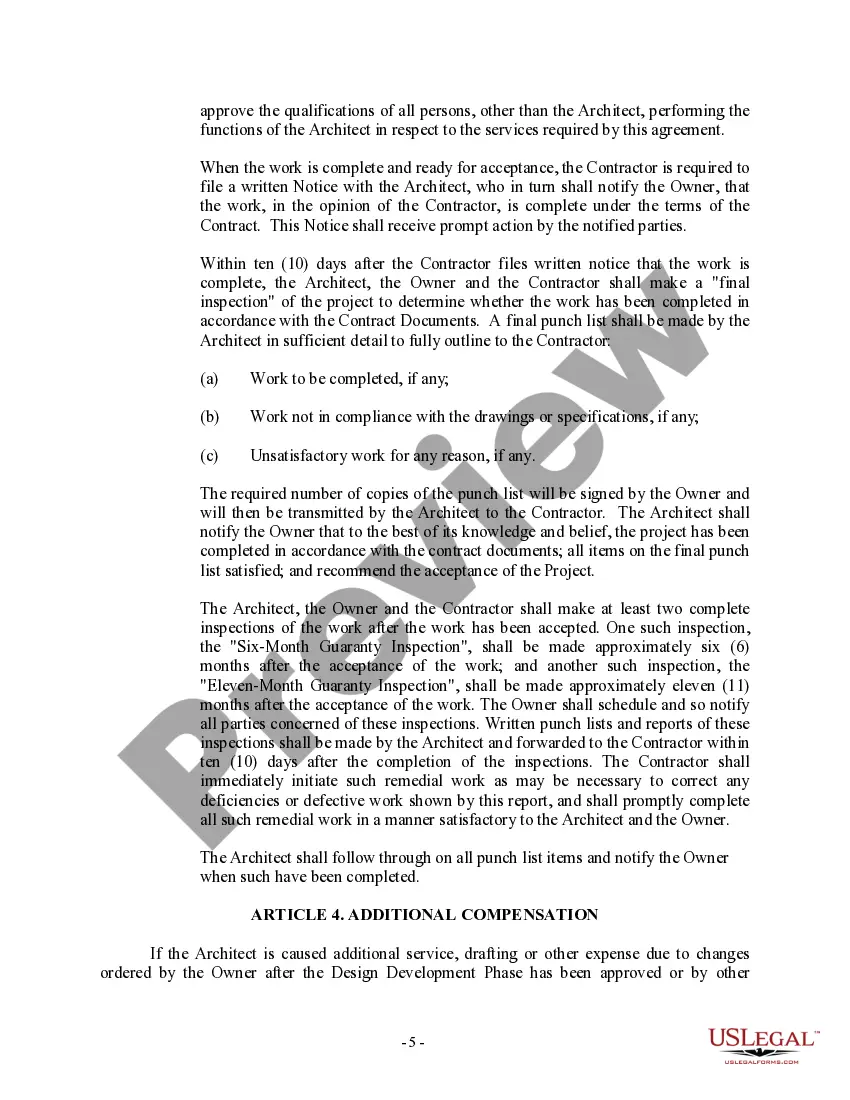

Get your form ready online
Our built-in tools help you complete, sign, share, and store your documents in one place.
Make edits, fill in missing information, and update formatting in US Legal Forms—just like you would in MS Word.
Download a copy, print it, send it by email, or mail it via USPS—whatever works best for your next step.
Sign and collect signatures with our SignNow integration. Send to multiple recipients, set reminders, and more. Go Premium to unlock E-Sign.
If this form requires notarization, complete it online through a secure video call—no need to meet a notary in person or wait for an appointment.
We protect your documents and personal data by following strict security and privacy standards.

Make edits, fill in missing information, and update formatting in US Legal Forms—just like you would in MS Word.

Download a copy, print it, send it by email, or mail it via USPS—whatever works best for your next step.

Sign and collect signatures with our SignNow integration. Send to multiple recipients, set reminders, and more. Go Premium to unlock E-Sign.

If this form requires notarization, complete it online through a secure video call—no need to meet a notary in person or wait for an appointment.

We protect your documents and personal data by following strict security and privacy standards.
Looking for another form?


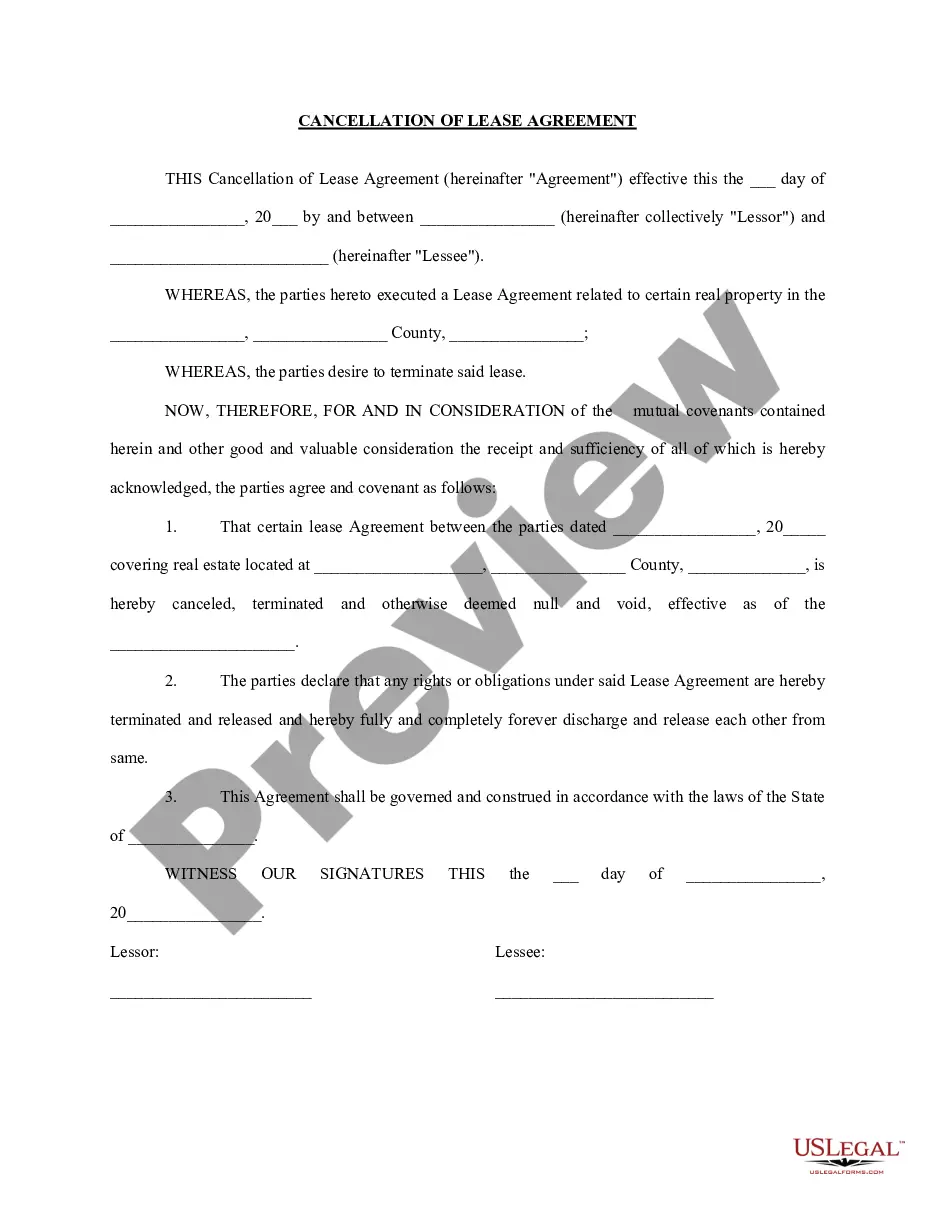


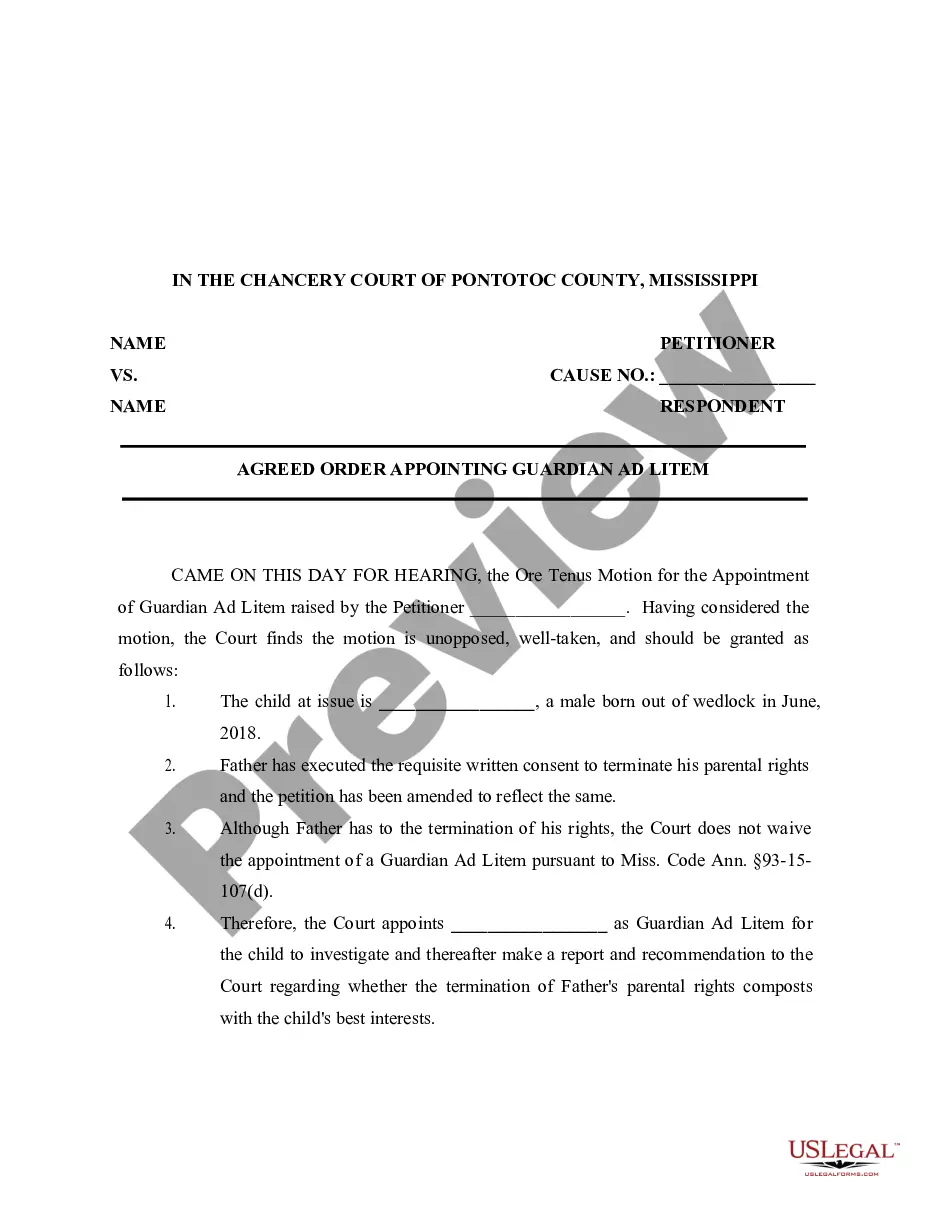
Form popularity
FAQ
1) An offer must be clear enough to identify the nature of the goods or services being offered. 2) The offeree has to accept the offer within a reasonable period. 3) The offeree must not have agreed to any other agreements that would conflict with this agreement.
For a contract to be binding it needs to satisfy four principles, offer, acceptance, consideration, and the intention to create legal relations. Generally, the law believes that an agreement is made when one party makes an offer and the other party accepts it.
Accepting an offer in contract law creates a binding agreement between the parties, obligating them to fulfill the terms of the contract. The acceptance must be clear, unequivocal, and communicated to the offeror. Once accepted, both parties have legal rights and responsibilities. An accepted offer cannot be revoked.
1) Offer must be capable of being accepted and giving rise to legal relationship. 2) Offer must be certain, definite and not vague. 4) Offer is different from invitation to offer. 7) Offer must be made to obtain the consent of the offeree.
Requirements for a valid Offer: The offer must be FIRM. Must be made with animo contrahendi – the intention that its acceptance will. call into being a binding contract. The offer must be complete. All the material terms should be set out in the offer. The offer must be clear and certain.
The general rule is that an acceptance of a bilateral offer must be communicated to the offeror to create a legally binding contract (the receipt rule). Key term: receipt rule. The rule that an offeror must actually receive an acceptance for the acceptance to be valid.
Under UCC Article 2, a contract for the sale of goods can be formed in various ways: (1) offer and acceptance — in general contract law, a sale of goods begins with an offer and an acceptance; (2) firm offers — if a merchant makes a written offer and promises in writing to keep the offer open for a certain period (up ...
For an offer to be valid, it must be communicated effectively to the offeree, contain definite terms, and show a clear intention to create legal obligations.
Case Law 6 Farina vs. Fickus (1900) 1 Ch 331 A person wrote to his would be son-in-law that his daughter would have a share of what he left after his wife died. The letter is a statement of intension and not an offer.
Clients will often presume that verbal agreements are not binding. However, as a general rule, the law considers that verbal agreements are legally binding.
