Manutención Infantil Formato In Houston
Description
Get your form ready online
Our built-in tools help you complete, sign, share, and store your documents in one place.
Make edits, fill in missing information, and update formatting in US Legal Forms—just like you would in MS Word.
Download a copy, print it, send it by email, or mail it via USPS—whatever works best for your next step.
Sign and collect signatures with our SignNow integration. Send to multiple recipients, set reminders, and more. Go Premium to unlock E-Sign.
If this form requires notarization, complete it online through a secure video call—no need to meet a notary in person or wait for an appointment.
We protect your documents and personal data by following strict security and privacy standards.

Make edits, fill in missing information, and update formatting in US Legal Forms—just like you would in MS Word.

Download a copy, print it, send it by email, or mail it via USPS—whatever works best for your next step.

Sign and collect signatures with our SignNow integration. Send to multiple recipients, set reminders, and more. Go Premium to unlock E-Sign.

If this form requires notarization, complete it online through a secure video call—no need to meet a notary in person or wait for an appointment.

We protect your documents and personal data by following strict security and privacy standards.
Looking for another form?




Form popularity
FAQ
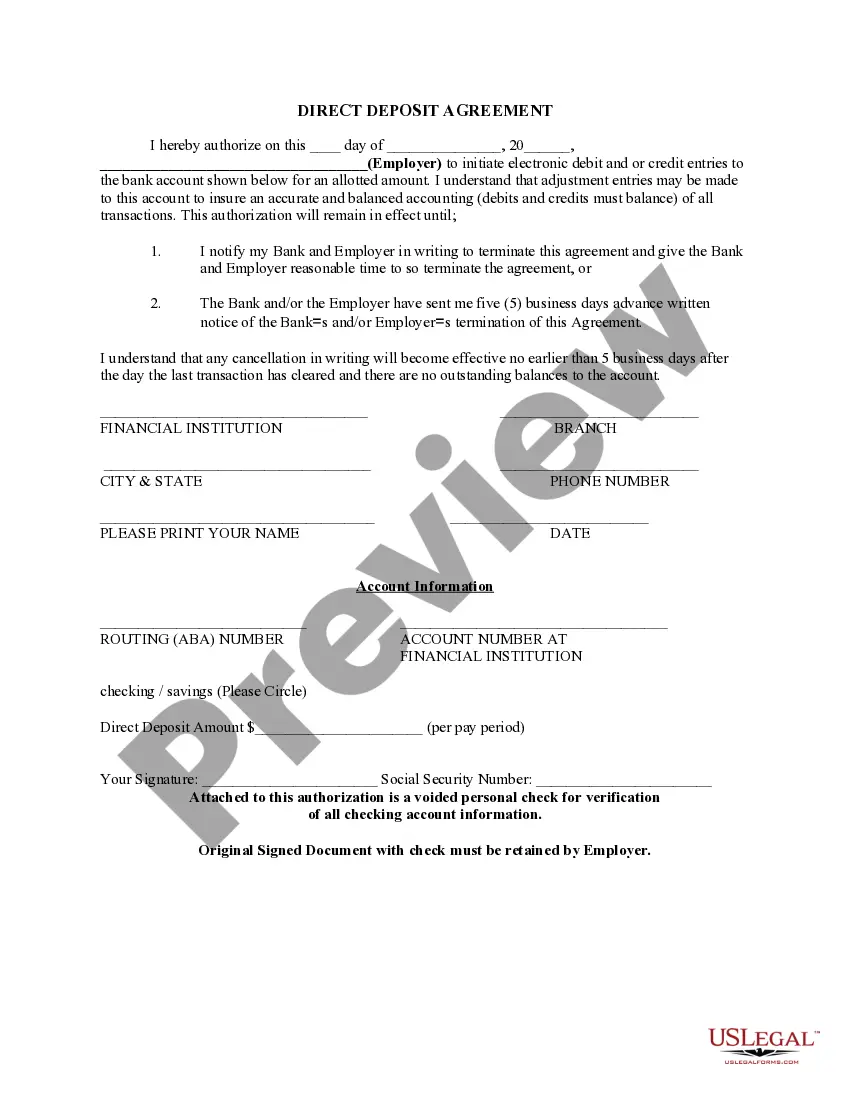
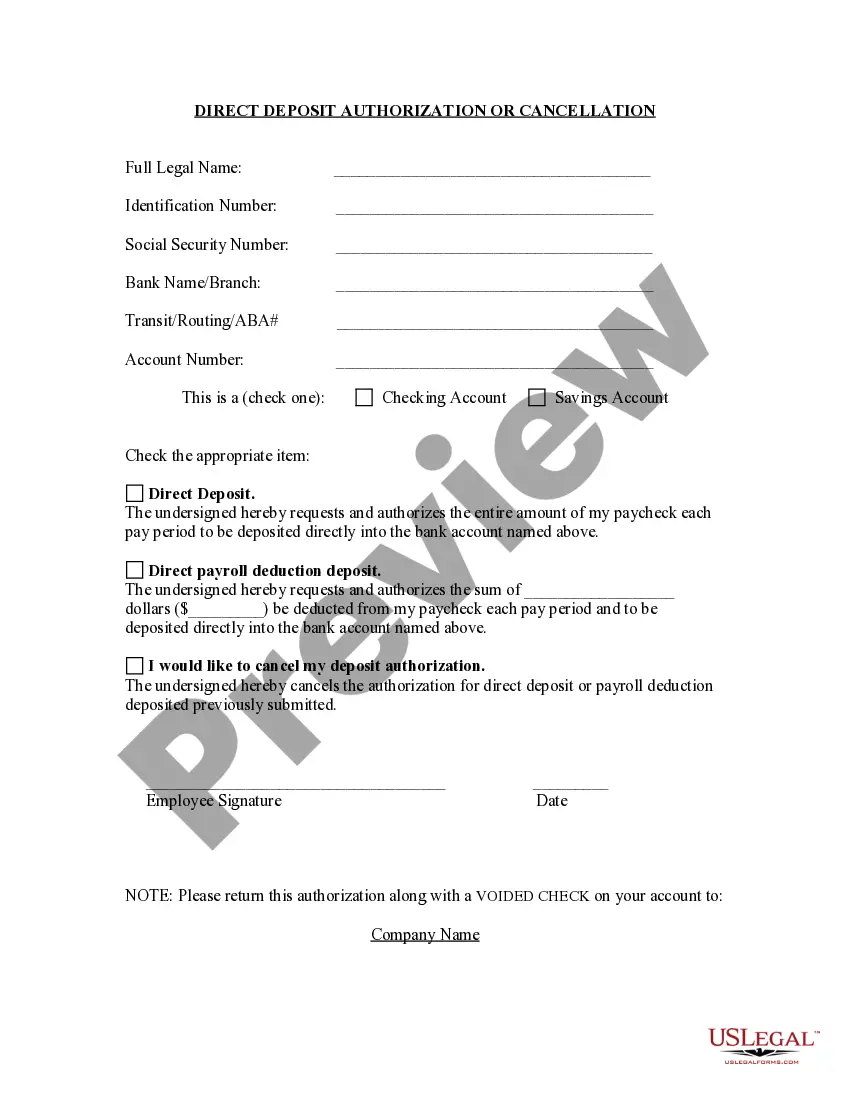
You can enroll in direct deposit by completing the Direct Deposit Authorization form. If you need help completing the form, call the Texas State Disbursement Unit at (800) 252-8014.
The journey to address child support arrearage begins with your co-parent's willingness to request the court for dismissal. This can be a full or partial waiver of the owed amount. The first step is to contact the Attorney General's child support division, where you'll receive a 'request for review' form.
You will file your Petition to Terminate Withholding for Child Support in the same court that issued the current child support order. File it with the district clerk in that county. Bring several extra copies of the petition. You will need a copy for you and one for the obligee.
Child support in Texas can be terminated under specific conditions, such as the child's emancipation, turning 18, or significant financial changes for either parent.
Texas child support formula Step 1: Calculate your monthly net resources. Start with your yearly gross income. Step 2: Determine how many of your children are eligible. Step 3: Determine the percentage of monthly net resources you will owe. Step 4: Apply the percentage to your monthly net resources.
Texas child support laws provide the following Guideline calculations: one child= 20% of Net Monthly Income (discussed further below); two children = 25% of Net Monthly Income; three children = 30% of Net Monthly Income; four children = 35% of Net Monthly Income; five children = 40% of Net Monthly Income; and six ...
The minimum child support in Texas is typically calculated as a percentage of the non-custodial parent's net income. For one child, this starts at 20%, with the percentage increasing for additional children. For example, the amount is 25% for two children, 30% for three children, and so on.
Yes, there is a maximum amount of child support in Texas. ing to Texas divorce laws, the maximum child support for $1,840 per month for one child, $2,300 per month for two children, $2760 for three children, $3,220 for four children, and $3,680 for five children or more.