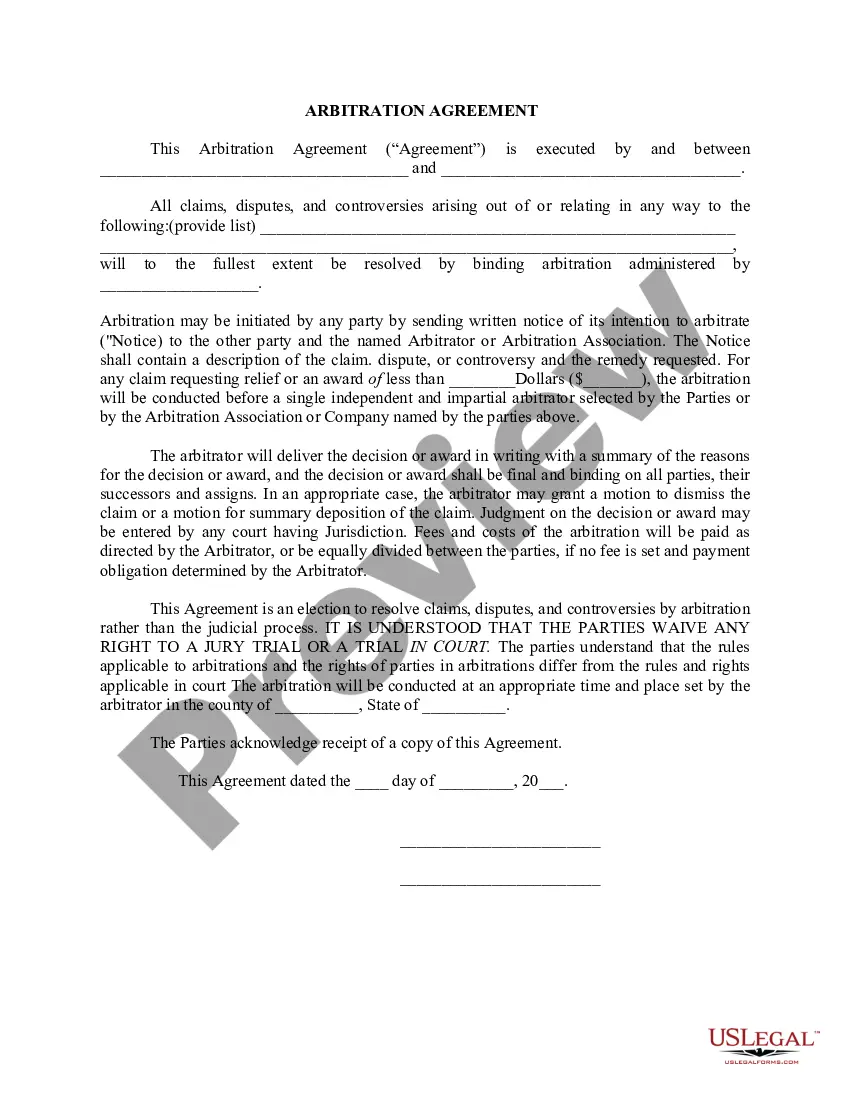
Arbitration For Dispute Resolution In Minnesota
Description

Get your form ready online
Our built-in tools help you complete, sign, share, and store your documents in one place.
Make edits, fill in missing information, and update formatting in US Legal Forms—just like you would in MS Word.
Download a copy, print it, send it by email, or mail it via USPS—whatever works best for your next step.
Sign and collect signatures with our SignNow integration. Send to multiple recipients, set reminders, and more. Go Premium to unlock E-Sign.
If this form requires notarization, complete it online through a secure video call—no need to meet a notary in person or wait for an appointment.
We protect your documents and personal data by following strict security and privacy standards.

Make edits, fill in missing information, and update formatting in US Legal Forms—just like you would in MS Word.

Download a copy, print it, send it by email, or mail it via USPS—whatever works best for your next step.

Sign and collect signatures with our SignNow integration. Send to multiple recipients, set reminders, and more. Go Premium to unlock E-Sign.

If this form requires notarization, complete it online through a secure video call—no need to meet a notary in person or wait for an appointment.

We protect your documents and personal data by following strict security and privacy standards.
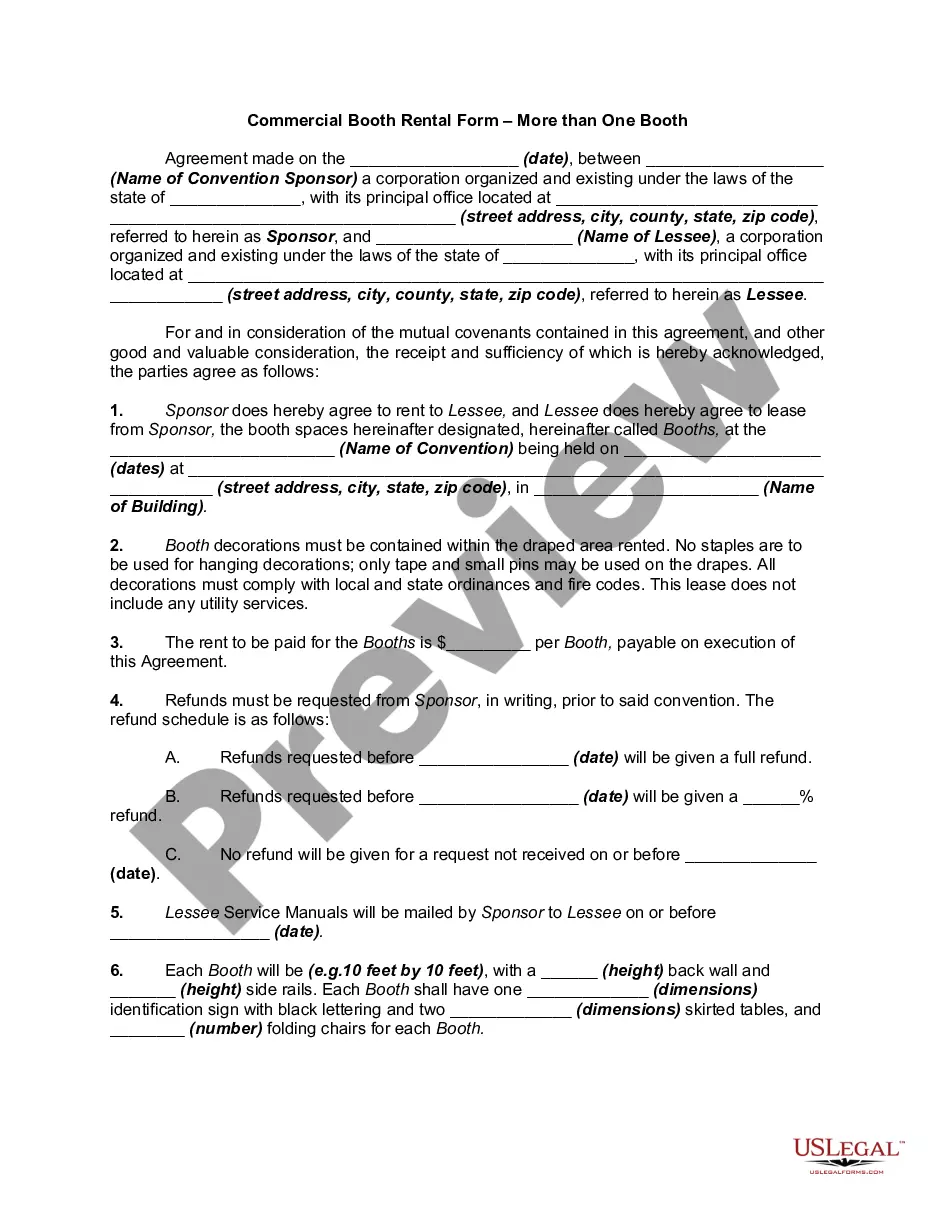
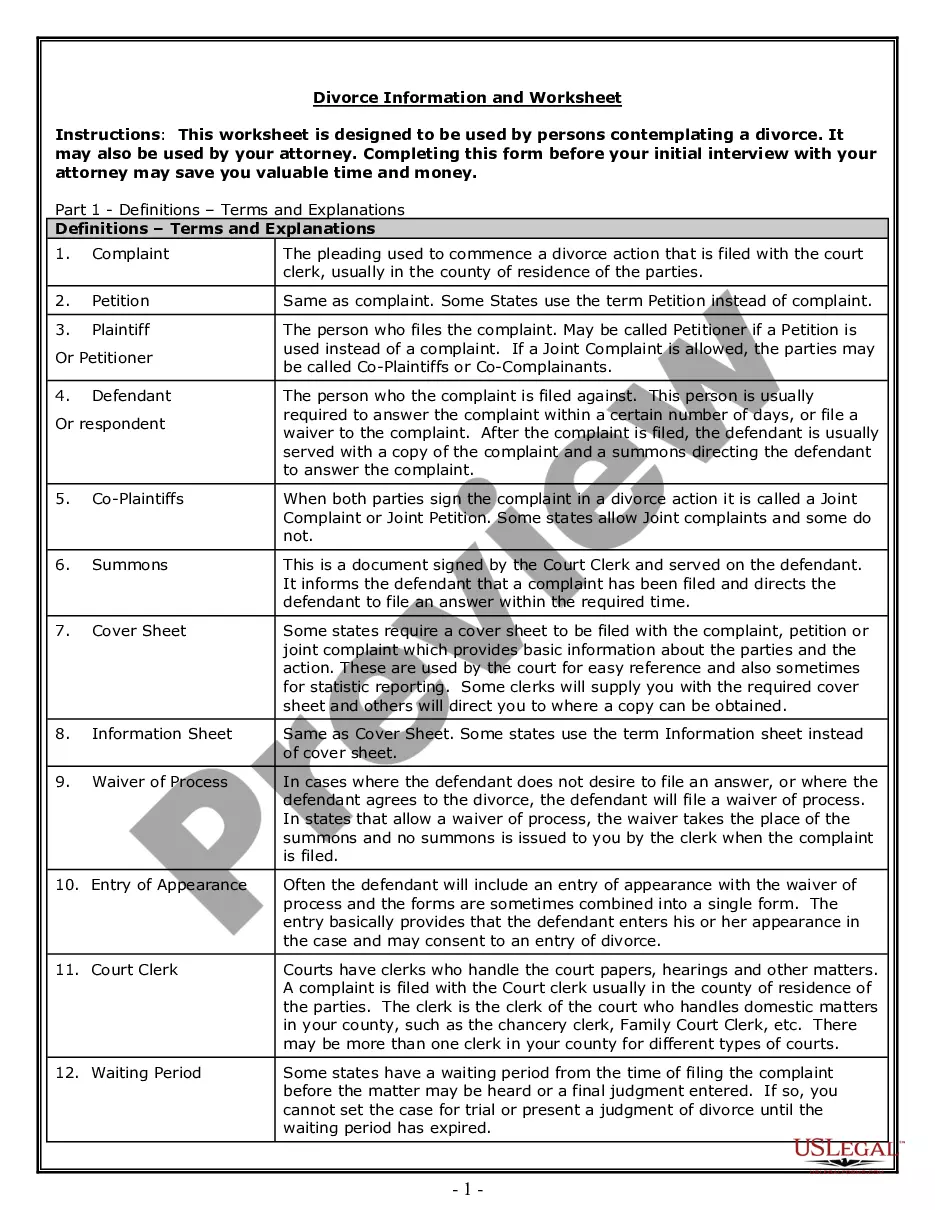
Looking for another form?








Form popularity
FAQ
Rule 106. Hearing on Motion to Remove Judge for Actual Prejudice or Bias. All motions for removal of a judge, referee, or judicial officer, on the basis of actual prejudice or bias shall be heard in the first instance by the judge sought to be removed.
Rule 114.01(a) of the Minnesota General Rules of Practice requires that most civil and family case types filed in district court are subject to ADR processes. Solving your differences outside of court can provide greater satisfaction to the parties. ADR can have many advantages as well, such as: It can save you time.
Rule 40. Assignment of Cases for Trial The judges of the court may, by order or by rule of court, provide for the setting of cases for trial upon the calendar, the order in which they shall be heard, and the resetting thereof.
Arbitration is a method of dispute resolution which is designed to resolve issues without the need to go to court.
Rule 144.01Application for Appointment of Trustee Every application for the appointment of a trustee of a claim for death by wrongful act under Minnesota Statutes, section 573.02, shall be made by the verified petition of the surviving spouse or one of the next of kin of the decedent.
Arbitration is an ADR process where the parties present arguments and evidence to an independent third party, the arbitrator, who makes a determination. Arbitration is particularly useful where the subject matter is highly technical, or where the parties seek greater confidentiality than in an open court.
Arbitration – A statutory method of resolving disputes between parties, by which disputes are referred to an impartial third person for resolution; a substitute for jury and judge. Arbitrator – The professional who makes a decision based on the evidence and testimony presented by the claimant and the respondent.
Disputes that cannot be resolved through arbitration. Criminal offences. Matrimonial disputes. Guardianship matters. Insolvency petitions. Testamentary suits. Trust disputes. Labour and industrial disputes. Tenancy and eviction matters governed by rent control statutes.
Arbitration is a procedure in which a dispute is submitted, by agreement of the parties, to one or more arbitrators who make a binding decision on the dispute. In choosing arbitration, the parties opt for a private dispute resolution procedure instead of going to court.