Arbitration Definition For Insurance In Orange
Description

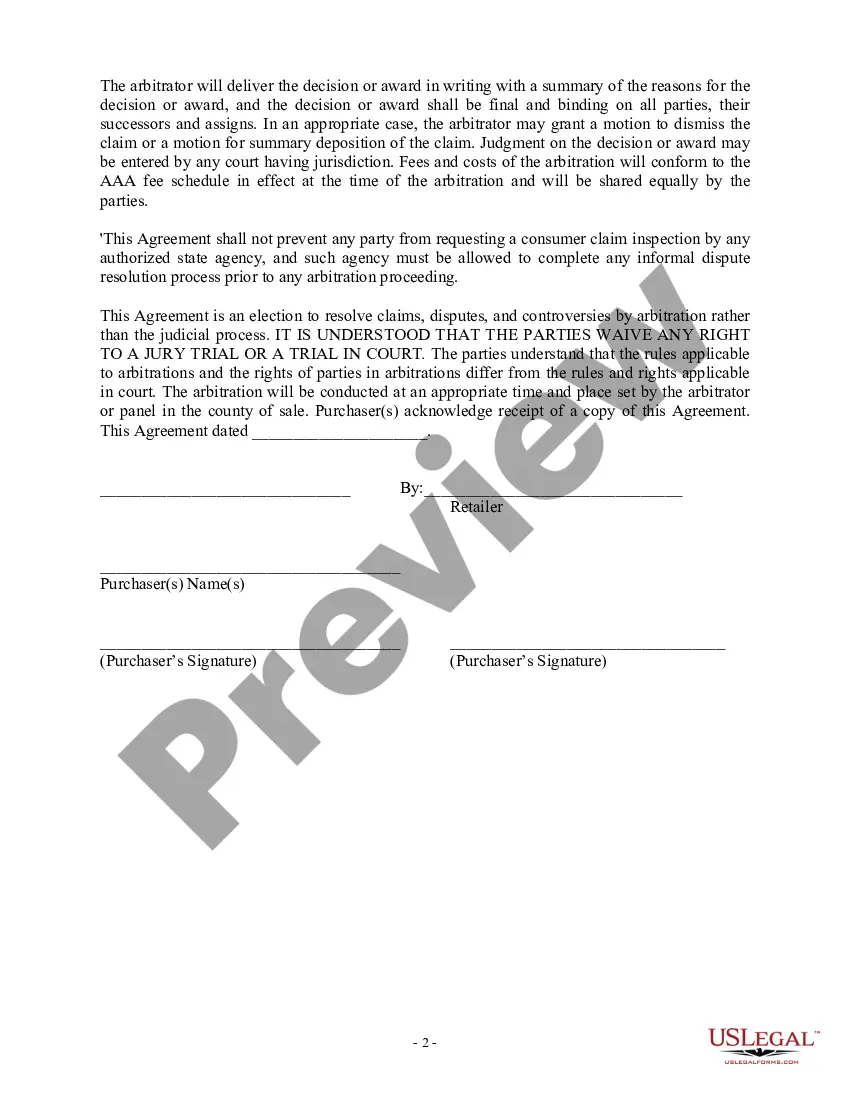
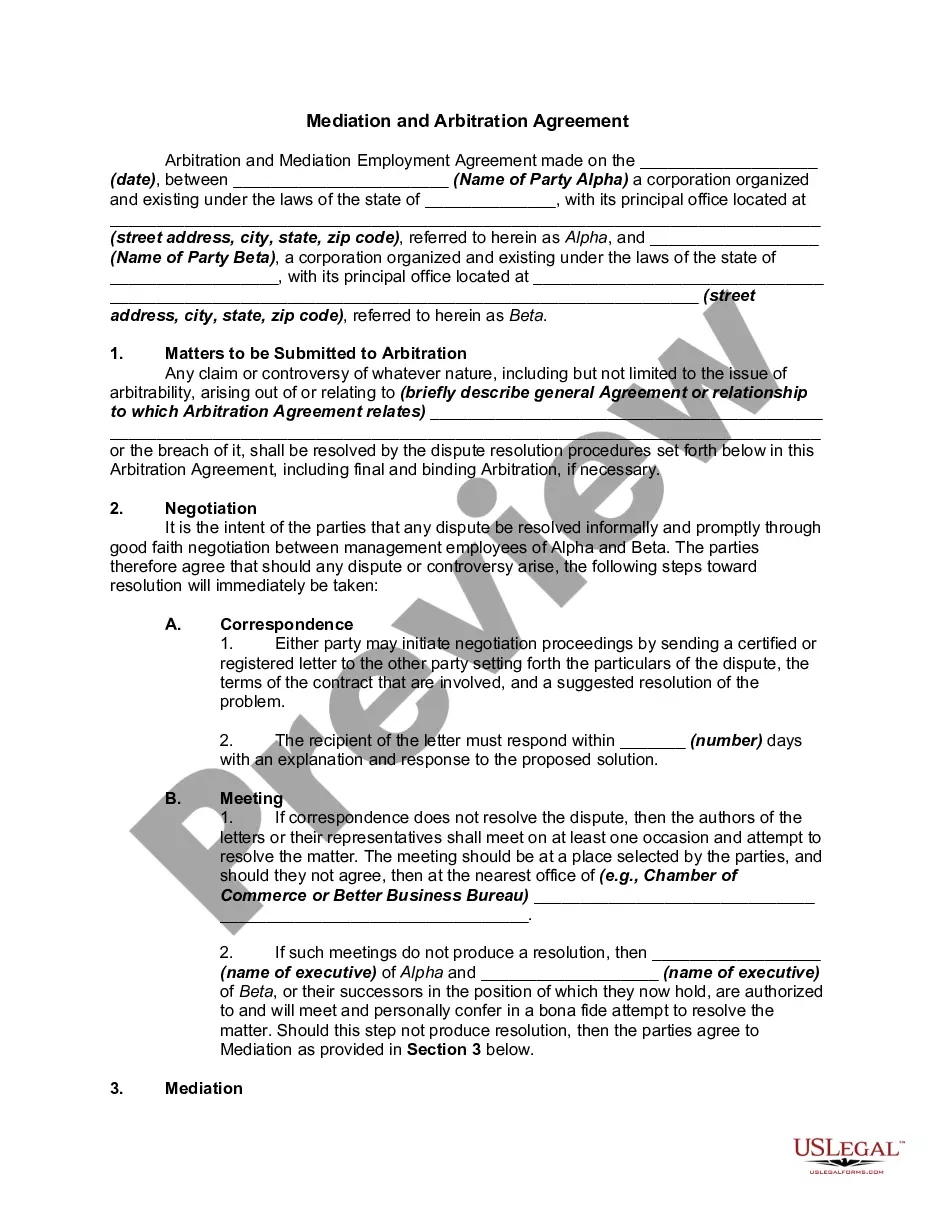
Get your form ready online
Our built-in tools help you complete, sign, share, and store your documents in one place.
Make edits, fill in missing information, and update formatting in US Legal Forms—just like you would in MS Word.
Download a copy, print it, send it by email, or mail it via USPS—whatever works best for your next step.
Sign and collect signatures with our SignNow integration. Send to multiple recipients, set reminders, and more. Go Premium to unlock E-Sign.
If this form requires notarization, complete it online through a secure video call—no need to meet a notary in person or wait for an appointment.
We protect your documents and personal data by following strict security and privacy standards.

Make edits, fill in missing information, and update formatting in US Legal Forms—just like you would in MS Word.

Download a copy, print it, send it by email, or mail it via USPS—whatever works best for your next step.

Sign and collect signatures with our SignNow integration. Send to multiple recipients, set reminders, and more. Go Premium to unlock E-Sign.

If this form requires notarization, complete it online through a secure video call—no need to meet a notary in person or wait for an appointment.

We protect your documents and personal data by following strict security and privacy standards.
Looking for another form?





Form popularity
FAQ
The Orange List is a non-exhaustive list of specific situations that, depending on the facts of a given case, may, in the eyes of the parties, give rise to doubts as to the arbitrator's impartiality or independence.
What is insurance arbitration? Insurance arbitration occurs when an arbitrator—either a person or organization—steps in to settle a case and make a decision about how it's going to be resolved. The decision, called the arbitration award, then (typically) rules in one party's favor.
Arbitration is a procedure in which a dispute is submitted, by agreement of the parties, to one or more arbitrators who make a binding decision on the dispute. In choosing arbitration, the parties opt for a private dispute resolution procedure instead of going to court.
Arbitration is sometimes referred to as "non-binding" if the parties agree to make it so, but that is really a misnomer. Think of arbitration as a binding, adjudicatory process.
Arbitration is a dispute-resolution process in which the parties select a neutral third party to resolve their claims. Parties typically agree to arbitrate in order to avoid the time, expense, and complexity of litigation.
Arbitration is a procedure in which a dispute is submitted, by agreement of the parties, to one or more arbitrators who make a binding decision on the dispute. In choosing arbitration, the parties opt for a private dispute resolution procedure instead of going to court.
Arbitration is a contract-based form of binding dispute resolution. In other words, a party's right to refer a dispute to arbitration depends on the existence of an agreement (the “arbitration agreement”) between them and the other parties to the dispute that the dispute may be referred to arbitration.
BACK TO BASICS : HOW TO ADDRESS AN ARBITRATOR Arbitrator – Mr. Arbitrator / Madam arbitrator / However they prefer (Please always ask pronounces too before addressing) Tribunal member. Name.
Your letter of arbitration should be concise, professional, and factual. Follow the standard business letter format, including your name and contact information at the top. Ensure that your writing is clear, and avoid using jargon or technical terms that may not be familiar to the reader.
