Arbitration Form Meaning In Nassau
Description

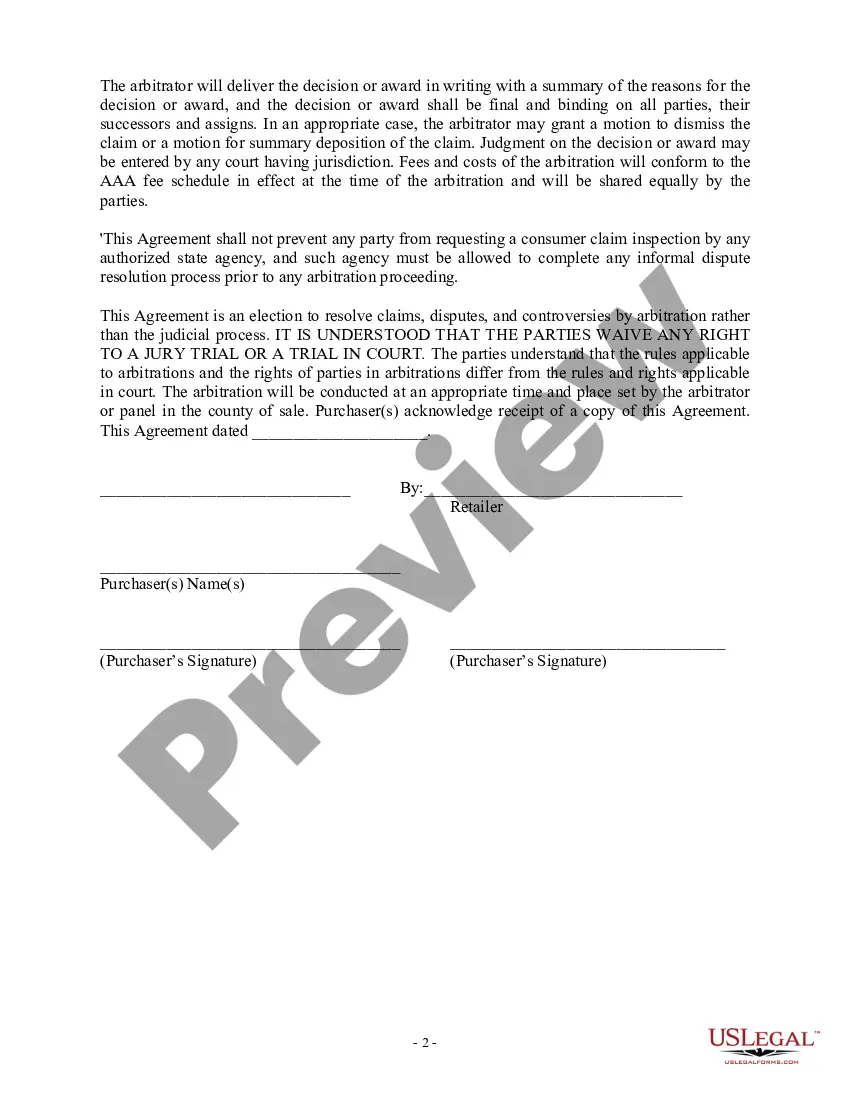
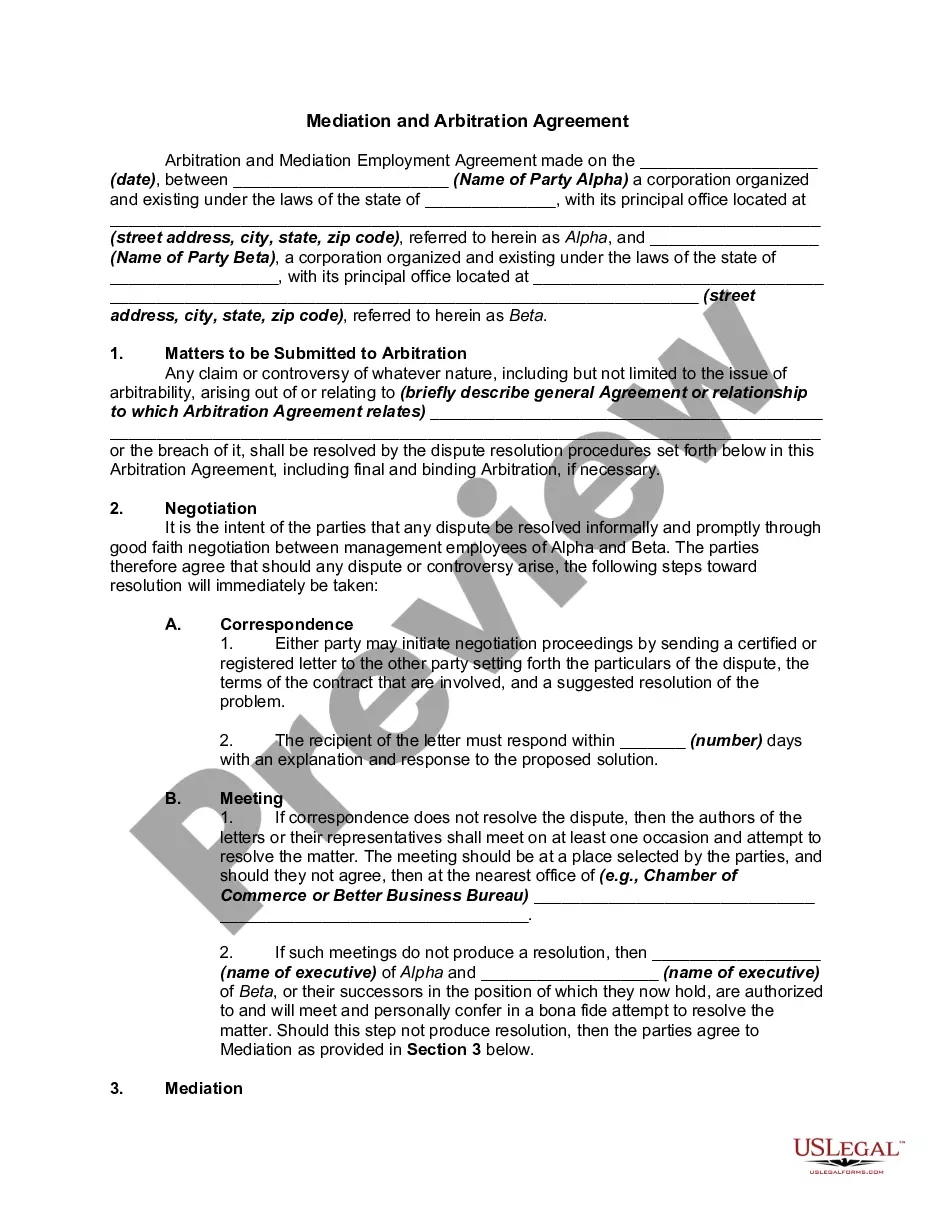

Get your form ready online
Our built-in tools help you complete, sign, share, and store your documents in one place.
Make edits, fill in missing information, and update formatting in US Legal Forms—just like you would in MS Word.
Download a copy, print it, send it by email, or mail it via USPS—whatever works best for your next step.
Sign and collect signatures with our SignNow integration. Send to multiple recipients, set reminders, and more. Go Premium to unlock E-Sign.
If this form requires notarization, complete it online through a secure video call—no need to meet a notary in person or wait for an appointment.
We protect your documents and personal data by following strict security and privacy standards.

Make edits, fill in missing information, and update formatting in US Legal Forms—just like you would in MS Word.

Download a copy, print it, send it by email, or mail it via USPS—whatever works best for your next step.

Sign and collect signatures with our SignNow integration. Send to multiple recipients, set reminders, and more. Go Premium to unlock E-Sign.

If this form requires notarization, complete it online through a secure video call—no need to meet a notary in person or wait for an appointment.

We protect your documents and personal data by following strict security and privacy standards.
Looking for another form?








Form popularity
FAQ
Arbitration is a dispute-resolution process in which the parties select a neutral third party to resolve their claims. Parties typically agree to arbitrate in order to avoid the time, expense, and complexity of litigation.
Arbitration is often used for the resolution of commercial disputes, particularly in the context of international commercial transactions.
Arbitration has four types of functions: resolving contractual disputes between management and labor, addressing interests of different parties in bargaining situations such as public sector labor relations, settling litigated claims through court-annexed programs, and resolving community disputes.
An Act to restate and improve the law relating to Arbitration pursuant to an Arbitration Agreement; to make other provision relating to Arbitration and Arbitration Awards; and for other matters related thereto.
Arbitration agreements require that persons who signed them resolve any disputes by binding arbitration, rather than in court before a judge and/or jury. What is binding arbitration? Binding arbitration involves the submission of a dispute to a neutral party who hears the case and makes a decision.
The purpose of arbitration extends far beyond mere conflict resolution; it embodies a multifaceted approach aimed at fostering efficiency, fairness, and impartiality in the resolution of disputes outside the traditional court system.
Arbitration is a procedure in which a dispute is submitted, by agreement of the parties, to one or more arbitrators who make a binding decision on the dispute. In choosing arbitration, the parties opt for a private dispute resolution procedure instead of going to court.
16th August, 1996. An Act to consolidate and amend the law relating to domestic arbitration, international commercial arbitration and enforcement of foreign arbitral awards as also to define the law relating to conciliation and for matters connected therewith or incidental thereto.
