Arbitration Without A Lawyer In California
Description

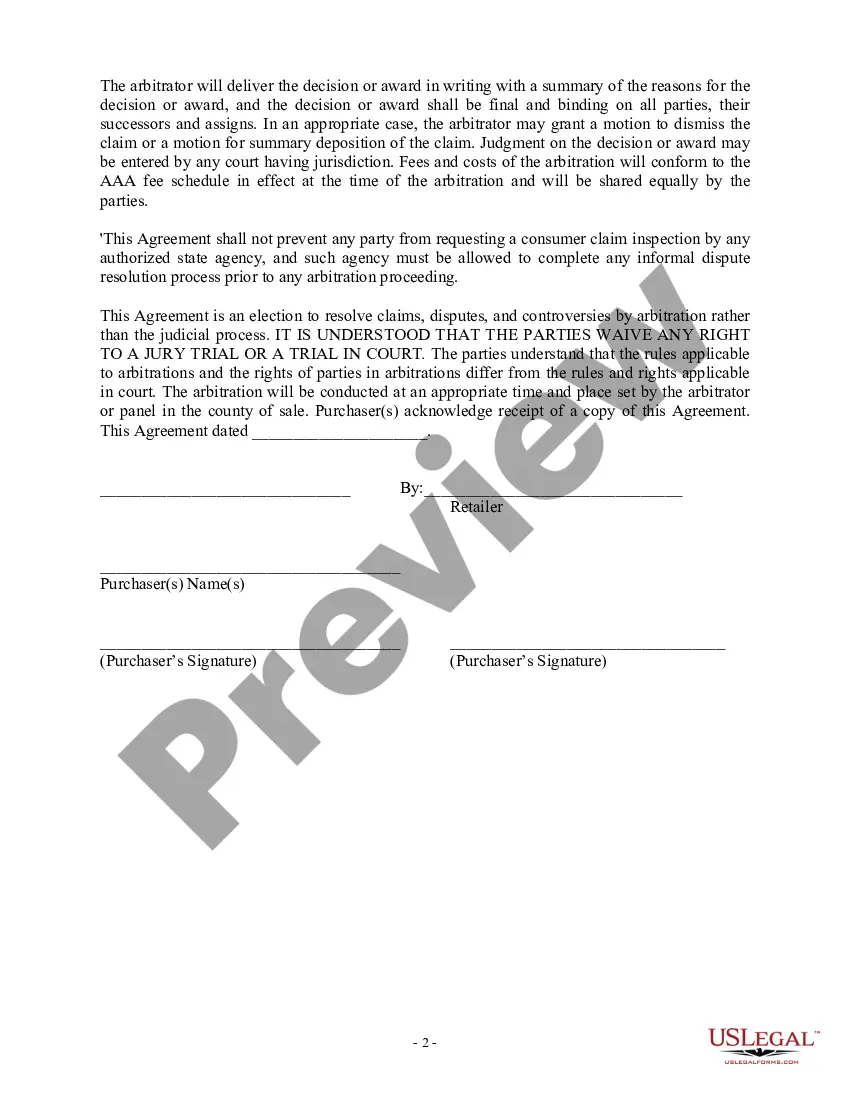
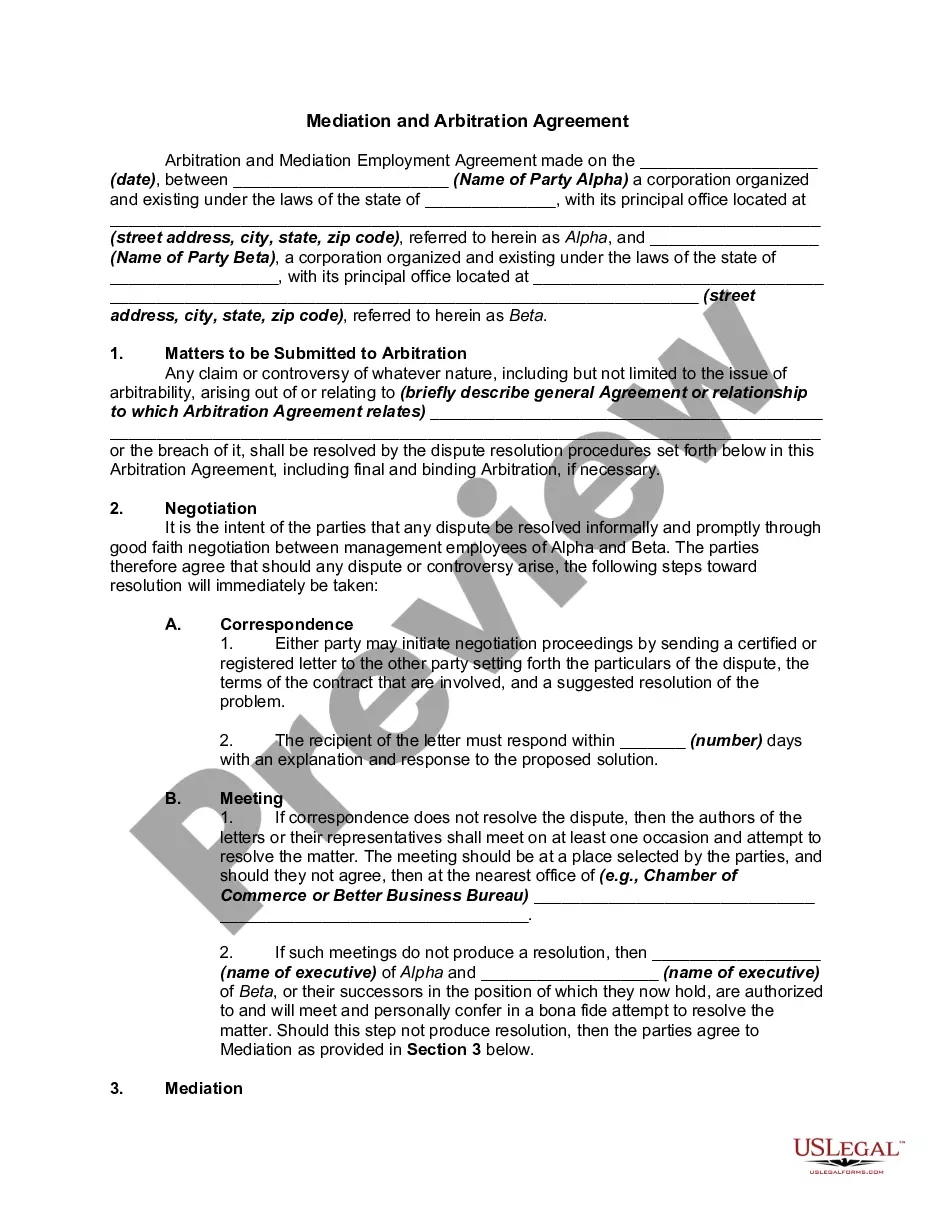

Get your form ready online
Our built-in tools help you complete, sign, share, and store your documents in one place.
Make edits, fill in missing information, and update formatting in US Legal Forms—just like you would in MS Word.
Download a copy, print it, send it by email, or mail it via USPS—whatever works best for your next step.
Sign and collect signatures with our SignNow integration. Send to multiple recipients, set reminders, and more. Go Premium to unlock E-Sign.
If this form requires notarization, complete it online through a secure video call—no need to meet a notary in person or wait for an appointment.
We protect your documents and personal data by following strict security and privacy standards.

Make edits, fill in missing information, and update formatting in US Legal Forms—just like you would in MS Word.

Download a copy, print it, send it by email, or mail it via USPS—whatever works best for your next step.

Sign and collect signatures with our SignNow integration. Send to multiple recipients, set reminders, and more. Go Premium to unlock E-Sign.

If this form requires notarization, complete it online through a secure video call—no need to meet a notary in person or wait for an appointment.

We protect your documents and personal data by following strict security and privacy standards.
Looking for another form?










Form popularity
FAQ
Attorneys are Optional Parties may represent themselves at the arbitration hearing.
Starting Jan. 1, 2025, two new California laws--SB 365 and SB 940--will significantly reshape arbitration, allowing plaintiffs to proceed with trial court cases despite appeals to compel arbitration and expanding discovery rights to include third-party subpoenas and depositions in all arbitration proceedings.
States have varying requirements for arbitrators, but most require you to have at least a bachelor's degree in law, political science or a similar field. You can gain experience for this role by completing internships and working in entry-level positions under the supervision of an experienced arbitrator.
A claimant will typically start arbitration by sending a document known as a “request for arbitration” or a “notice to arbitrate” to its opponent.
Always get straight to the merits without berating the other side or whining about how badly it has treated you. Another threat to your credibility is the “kitchen sink” arbitration demand or a response that includes numerous claims or defenses that have little chance of succeeding.
A petition to compel arbitration or to stay proceedings pursuant to Code of Civil Procedure sections 1281.2 and 1281.4 must state, in addition to other required allegations, the provisions of the written agreement and the paragraph that provides for arbitration.
The arbitrator will explain the process. Each side may present an uninterrupted opening statement setting forth its position as to the facts and the law. After opening statements, the parties present their evidence and witnesses. The arbitrator swears in the witnesses and makes rulings on the admissibility of evidence.
Local Counsel Knows the Local Rules And, yes, there are local rules for each individual court. Certain judges even have their own rules. If you hire local counsel, chances are, he/she will have a deep understanding of the local rules. This serves both the client and lawyer in the long run.
Arbitrators, mediators, and conciliators typically have experience and expertise in a particular field, such as construction, finance, or insurance. They may be lawyers or retired judges, have experience in advocacy, or have a background in business or the industry in which they plan to work.
In arbitration, you don't have to have a lawyer represent you (unless state law requires it), but it's important to know that arbitration is a final and binding process that can affect your rights. So, if you are considering representing yourself, it's a good idea to talk to a lawyer.
