Request For Bond Refund Letter In Wake
Description

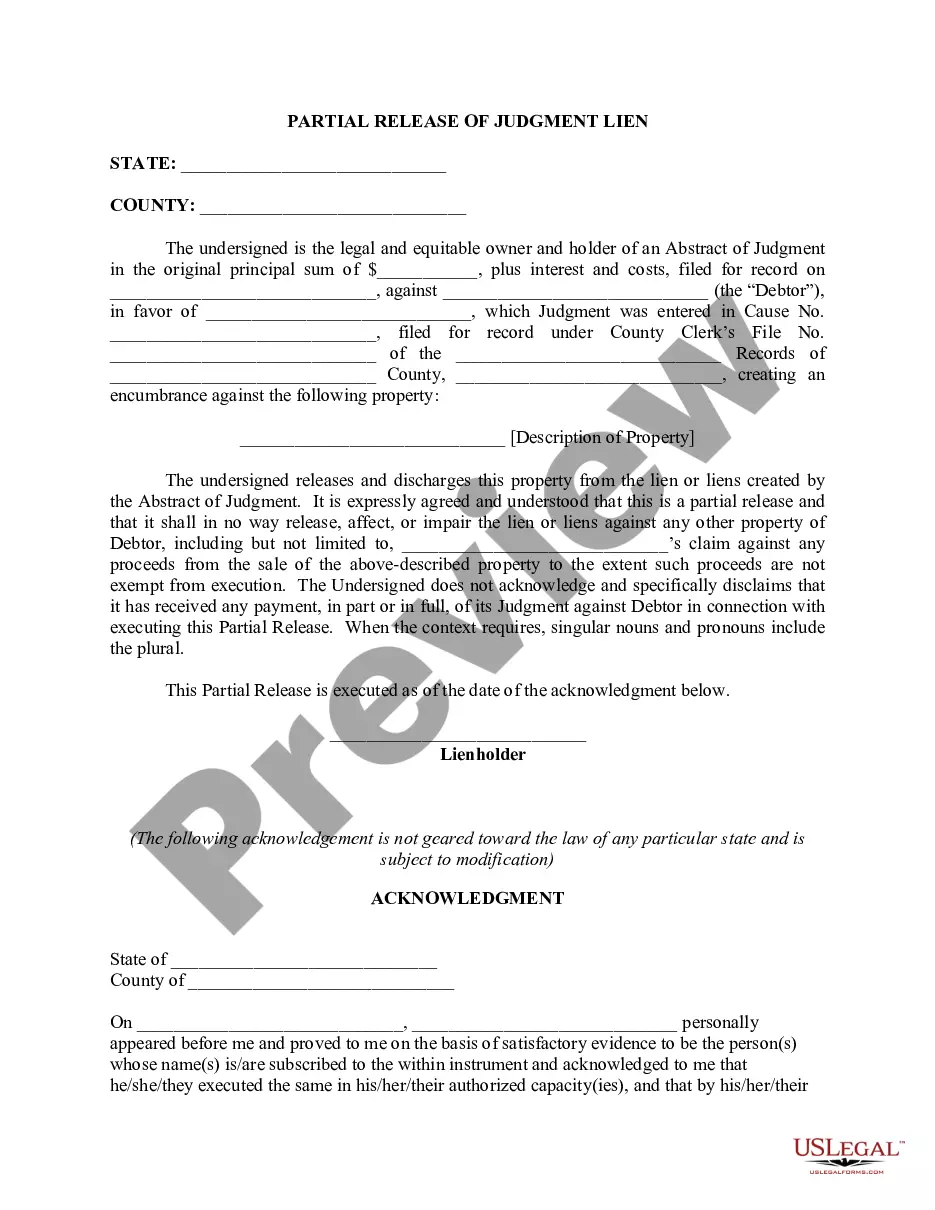
Get your form ready online
Our built-in tools help you complete, sign, share, and store your documents in one place.
Make edits, fill in missing information, and update formatting in US Legal Forms—just like you would in MS Word.
Download a copy, print it, send it by email, or mail it via USPS—whatever works best for your next step.
Sign and collect signatures with our SignNow integration. Send to multiple recipients, set reminders, and more. Go Premium to unlock E-Sign.
If this form requires notarization, complete it online through a secure video call—no need to meet a notary in person or wait for an appointment.
We protect your documents and personal data by following strict security and privacy standards.

Make edits, fill in missing information, and update formatting in US Legal Forms—just like you would in MS Word.

Download a copy, print it, send it by email, or mail it via USPS—whatever works best for your next step.

Sign and collect signatures with our SignNow integration. Send to multiple recipients, set reminders, and more. Go Premium to unlock E-Sign.

If this form requires notarization, complete it online through a secure video call—no need to meet a notary in person or wait for an appointment.

We protect your documents and personal data by following strict security and privacy standards.
Looking for another form?
Form popularity
FAQ
Definition and Purpose Being "out on bond" refers to the situation where a person accused of a crime is released from custody after posting bail or bond. The purpose of bail or bond is to ensure the accused's appearance in court for the proceedings while also preventing any potential risk they might pose to society.
A bond form with regard to surety bonds is the document that states the purpose of the bond, the bond penalty, the term, outlines the conditions of the bond, and specifies the parties involved in the agreement. The bond form is a legal document and must be accepted by all parties to the agreement.
Another common term you will hear during the process is that an individual is “bonded out”. If an individual is bonded out, this means that the suspect relied on a professional bail bonds company to bail them out, because they did not have the means to do so themselves.
If you have an urgent bond or tenancy-related enquiry, you can call our Contact Centre on 1300 366 311 Monday to Friday between 8.30am – 5.00pm (excluding public holidays). Use this form to submit a non-urgent enquiry about your rental bond.
To apply for a refund you will need to complete a Bond Refund form and email it to rb@act.au. Please read the instructions carefully. You should not sign a Bond Refund Form prior to the refund amounts being entered. Completed forms will be processed within 14 days.
The typical timeline for bond refunds is between 2-6 weeks, depending on the state and the method of submission. Additionally, consider possible delays in the bond refund, which may happen due to incomplete or incorrect information on the form.
Landlords and tenants need to complete and submit a bond refund form at the end of the tenancy. When the tenancy ends, the tenant and landlord should inspect the property together. If the inspection shows everything's in order, complete the bond refund form and send it to Tenancy Services for it to be processed.
Landlords and tenants need to complete and submit a bond refund form at the end of the tenancy. When the tenancy ends, the tenant and landlord should inspect the property together. If the inspection shows everything's in order, complete the bond refund form and send it to Tenancy Services for it to be processed.
If the parties agree If the tenant and lessor agree on the refund of the bond, in part or in full, a refund form (Form 4) signed by all parties can be lodged with the RTA. A refund is usually completed within 2 to 3 days.
Bond refund disputes The RTA sends each party a Notice of claim. If either person disagrees about the amount that is to be refunded, they can respond to the Notice of claim or submit a Dispute resolution request (Form 16).

