Demand Forfeiture Bond In San Jose
Description

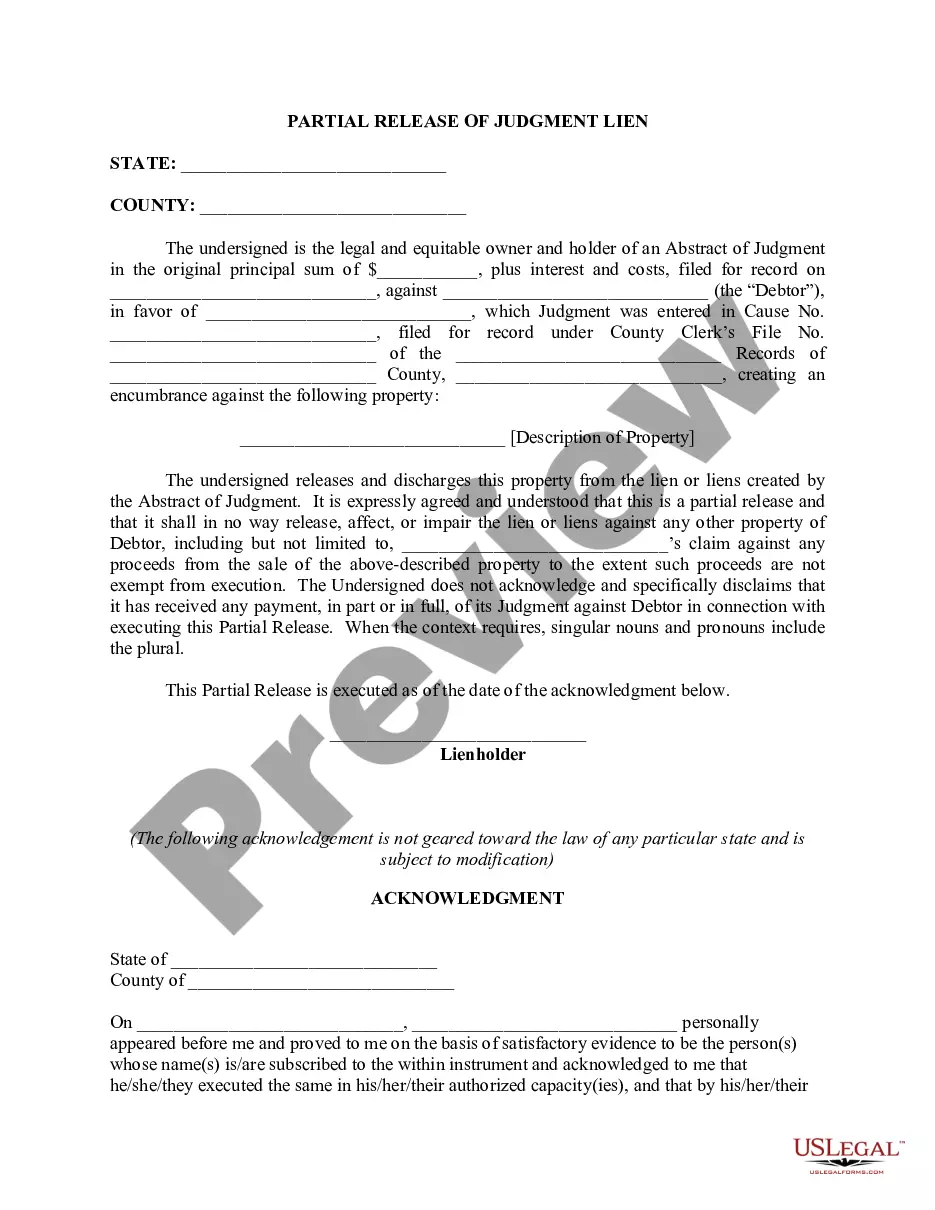
Get your form ready online
Our built-in tools help you complete, sign, share, and store your documents in one place.
Make edits, fill in missing information, and update formatting in US Legal Forms—just like you would in MS Word.
Download a copy, print it, send it by email, or mail it via USPS—whatever works best for your next step.
Sign and collect signatures with our SignNow integration. Send to multiple recipients, set reminders, and more. Go Premium to unlock E-Sign.
If this form requires notarization, complete it online through a secure video call—no need to meet a notary in person or wait for an appointment.
We protect your documents and personal data by following strict security and privacy standards.

Make edits, fill in missing information, and update formatting in US Legal Forms—just like you would in MS Word.

Download a copy, print it, send it by email, or mail it via USPS—whatever works best for your next step.

Sign and collect signatures with our SignNow integration. Send to multiple recipients, set reminders, and more. Go Premium to unlock E-Sign.

If this form requires notarization, complete it online through a secure video call—no need to meet a notary in person or wait for an appointment.

We protect your documents and personal data by following strict security and privacy standards.
Looking for another form?










Form popularity
FAQ
It also says that if a judge is available, then a bond must be set. If a judge is not available, then the defendant will be held for 48 hours following arrest. Once that time expires, the Magistrate is authorized by law to set bond.
(a) If a defendant who was released under Part 1 of this Article upon execution of a bail bond fails on any occasion to appear before the court as required, the court shall enter a forfeiture for the amount of that bail bond in favor of the State against the defendant and against each surety on the bail bond.
A bond forfeiture occurs when a person is required to show up for court on either a personal bond or a surety bond, and they fail to show up for that court date. Some judges will give a bit of leeway, especially if that person has an attorney who can argue for them as to why they were not able to make it.
Bond forfeiture means that the person loses the guarantee made by the bail bond company on their behalf. There are some circumstances in which the judge might excuse the accused for missing court and bail or bond can be reinstated.
Leaving California on Bail with a Bond If a local bail bondsman fears that you have gone AWOL, they will feel the need to inform the courts that they wish to surrender the bond. In this instance, a warrant for re-arrest will be issued, even if your travel plans were for legitimate reasons.
If a defendant's bond is forfeited, it means that they have failed to comply with the conditions of their release.
A bail is forfeited when a defendant fails to appear, without sufficient excuse, for arraignment, trial, judgment, or any occasion prior to the pronouncement of judgment if the defendant's presence in court is legally required, or if the defendant fails to surrender in execution of the judgment after appeal.

