Request For Bond Refund Letter In Florida
Description

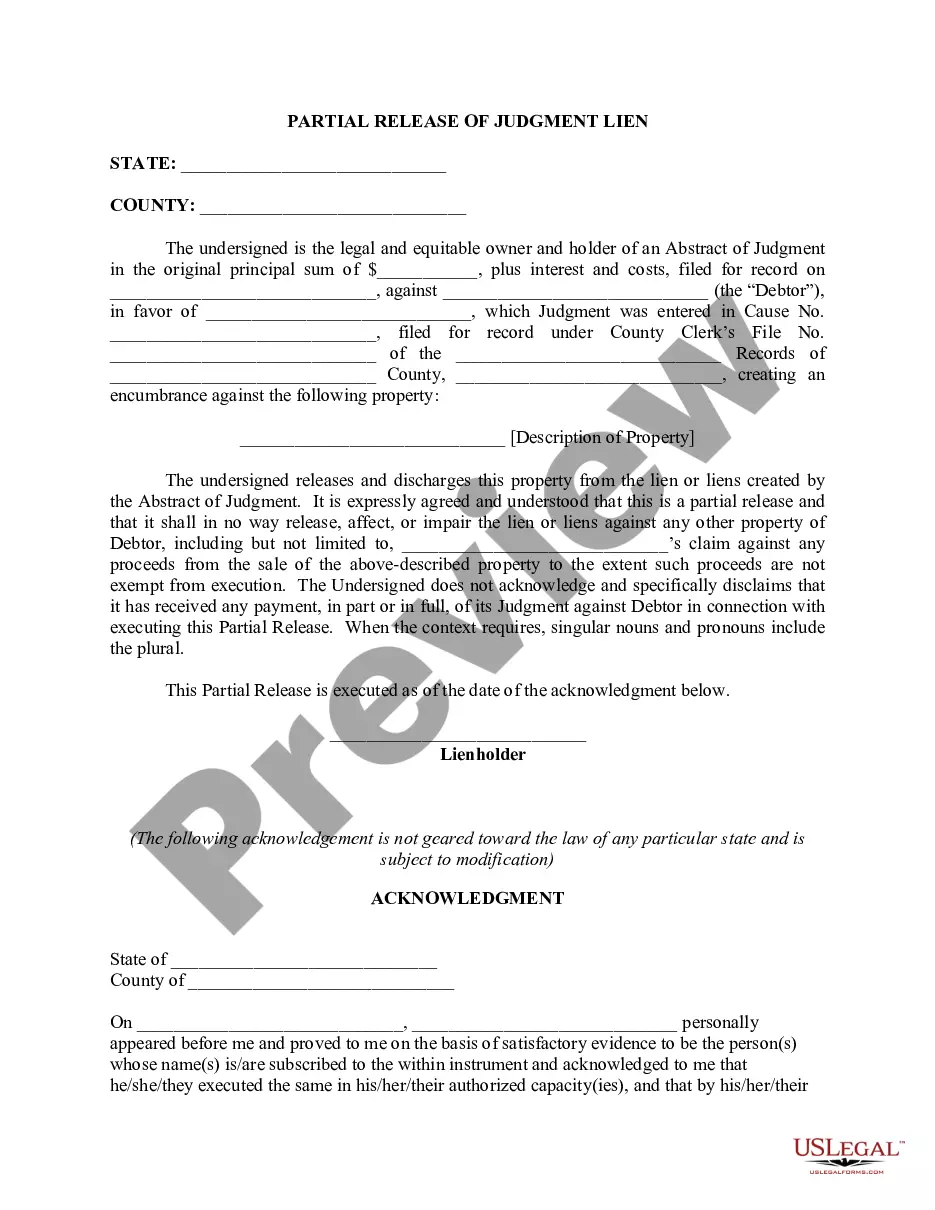
Get your form ready online
Our built-in tools help you complete, sign, share, and store your documents in one place.
Make edits, fill in missing information, and update formatting in US Legal Forms—just like you would in MS Word.
Download a copy, print it, send it by email, or mail it via USPS—whatever works best for your next step.
Sign and collect signatures with our SignNow integration. Send to multiple recipients, set reminders, and more. Go Premium to unlock E-Sign.
If this form requires notarization, complete it online through a secure video call—no need to meet a notary in person or wait for an appointment.
We protect your documents and personal data by following strict security and privacy standards.

Make edits, fill in missing information, and update formatting in US Legal Forms—just like you would in MS Word.

Download a copy, print it, send it by email, or mail it via USPS—whatever works best for your next step.

Sign and collect signatures with our SignNow integration. Send to multiple recipients, set reminders, and more. Go Premium to unlock E-Sign.

If this form requires notarization, complete it online through a secure video call—no need to meet a notary in person or wait for an appointment.

We protect your documents and personal data by following strict security and privacy standards.
Looking for another form?

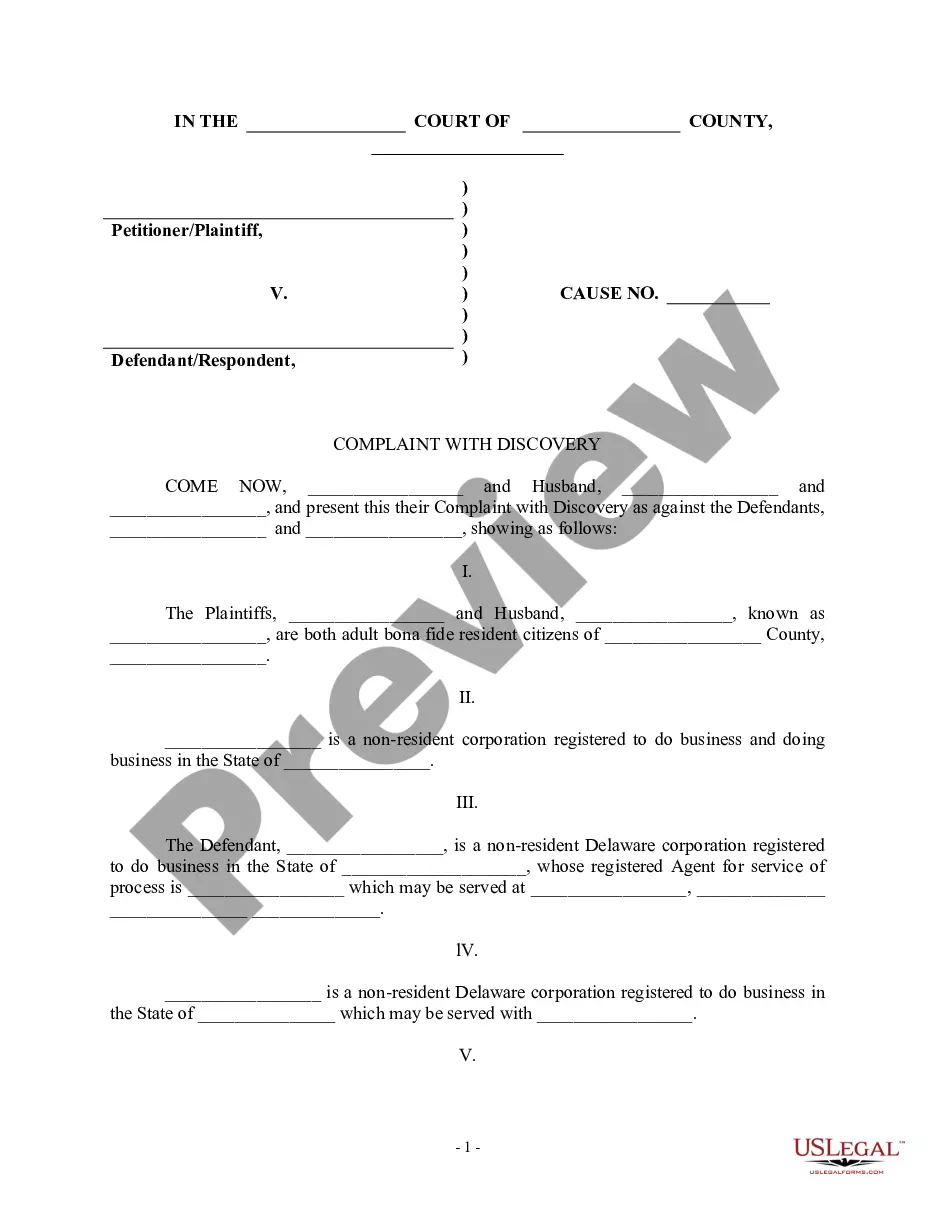




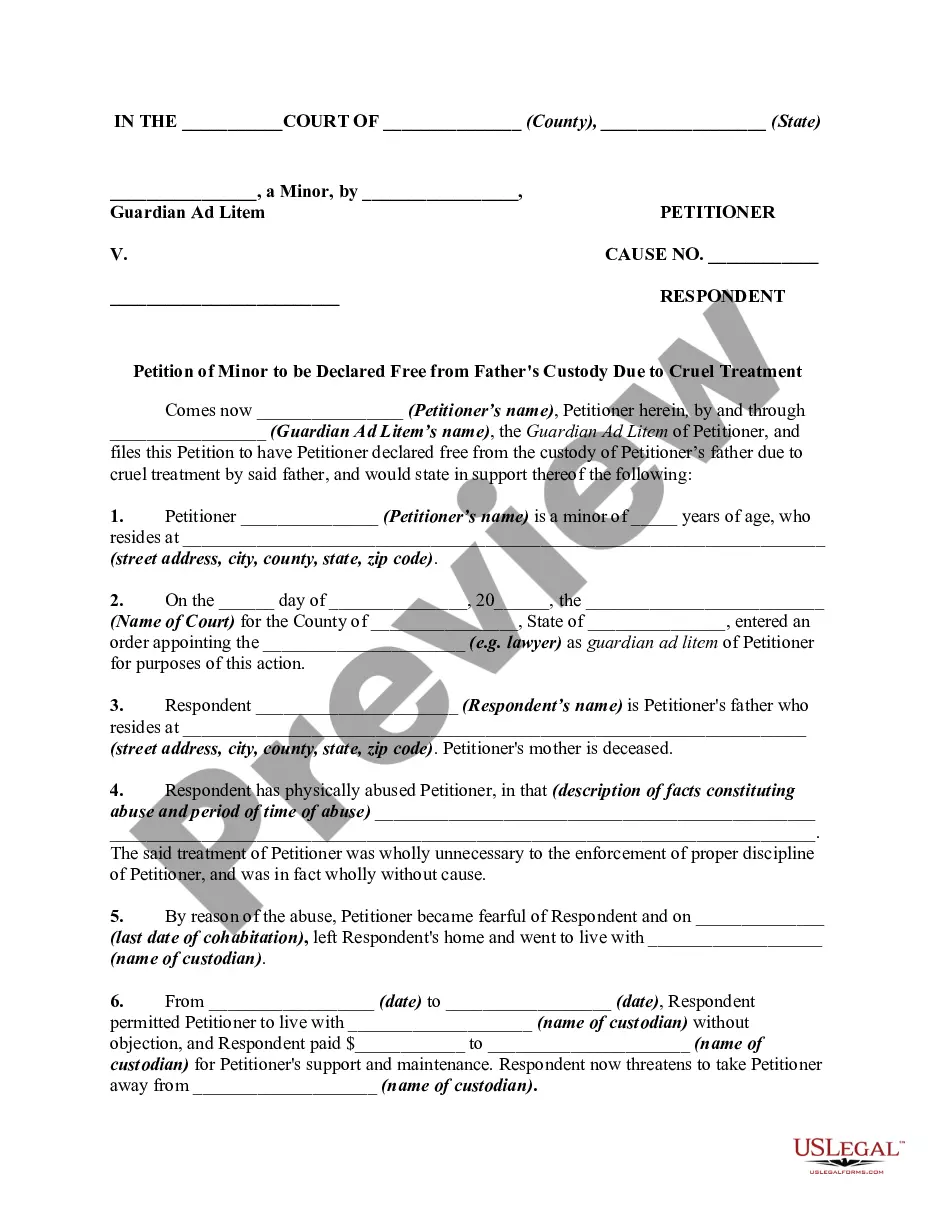



Form popularity
FAQ
Bond refunding is the process by which an organization retires existing bonds by issuing new bonds at a lower interest rate to reduce interest costs or extend the maturity of its debt.
To ensure a smooth refund process, follow these steps: Keep All Documentation: Save your bail receipt and any court documents related to your case. Contact the Court Clerk: Once your case concludes, contact the court where bail was posted to inquire about refund procedures.
Example of refunded bond Consider the case where a municipality issued bonds with a higher interest rate years ago. Since then, interest rates have dropped, so the municipality took advantage of the rosy market circumstances. They issue new bonds at the current reduced interest rate to repay the initial bond issue.
The bond form is a legal document and must be accepted by all parties to the agreement. The bond form states the terms that the principal must adhere to. A commercial bond form will usually state the general terms of the bond and may also reference corresponding legal statutes.
Generally unique to municipal securities, a refunding is the process by which an issuer refinances outstanding bonds by issuing new bonds. This may serve either to reduce the issuer's interest costs or to remove a restrictive covenant imposed by the terms of the bonds being refinanced.
Bonds may be advance refunded by several different methods depending on the objectives and policies of the issuer, state law and any tax code limitations. These methods include a high-to-low refunding, a forward refunding and a cross-over refunding.
How much is my savings bond worth after 30 years? DenominationIssue dateValue $100 October 1994 $164.12 $1,000 October 1994 $1,641.20 $10,000 October 1994 $16,412.00
Florida Statute Section 907.041(4)(e) requires a prosecutor to file a written motion to revoke bond if the motion is not based on a new arrest. If the Florida prosecutor files a motion for pretrial detention, the judge must set a hearing on the motion within five (5) days of the filing of the motion.
Return of Collateral: The court normally discharges a bond within 10 business days after the condition of the bond has been satisfied. Once the bond is discharged and the agent is notified, the agent should return the collateral to the indemnitor within 21 days.

