Bond Demand And Interest Rates
Description

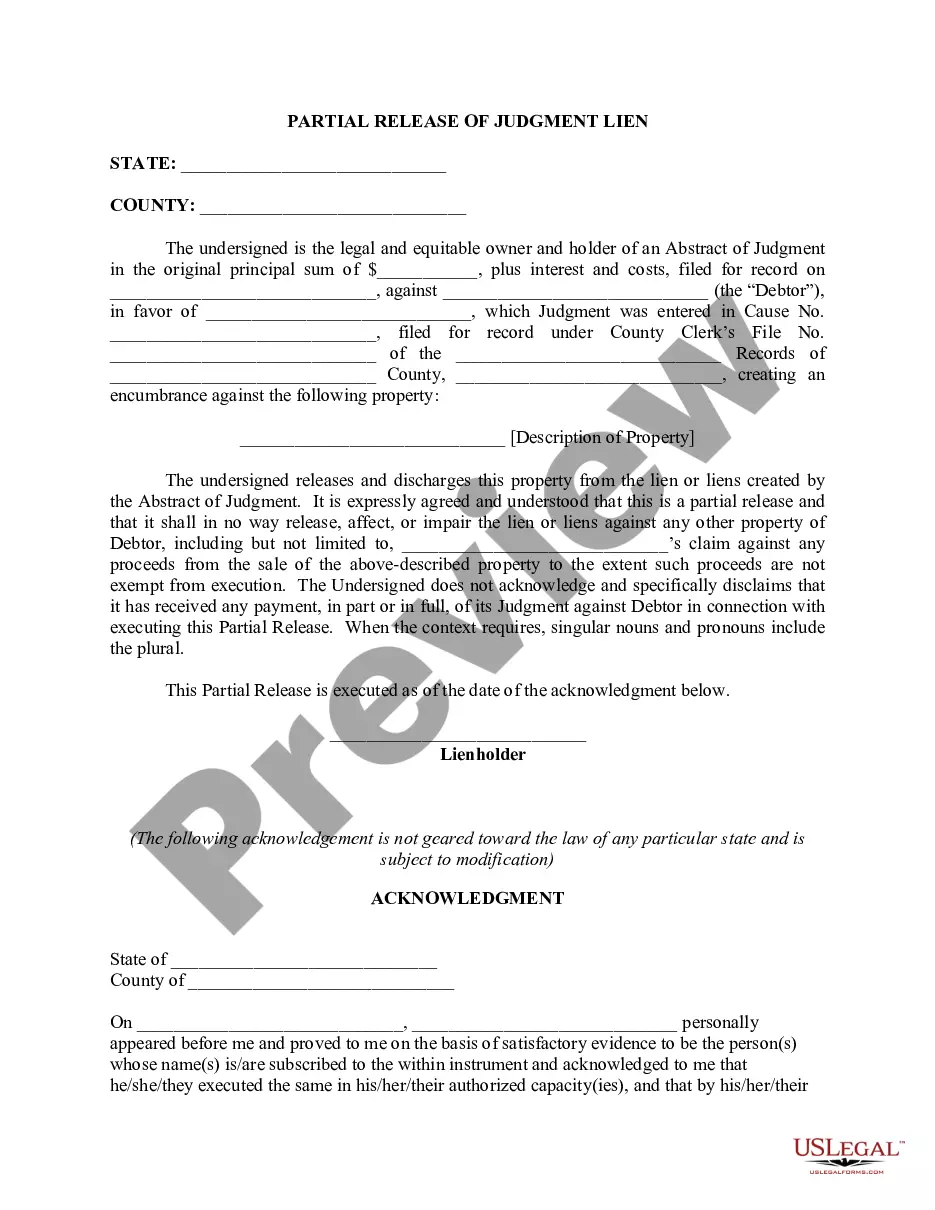
Get your form ready online
Our built-in tools help you complete, sign, share, and store your documents in one place.
Make edits, fill in missing information, and update formatting in US Legal Forms—just like you would in MS Word.
Download a copy, print it, send it by email, or mail it via USPS—whatever works best for your next step.
Sign and collect signatures with our SignNow integration. Send to multiple recipients, set reminders, and more. Go Premium to unlock E-Sign.
If this form requires notarization, complete it online through a secure video call—no need to meet a notary in person or wait for an appointment.
We protect your documents and personal data by following strict security and privacy standards.

Make edits, fill in missing information, and update formatting in US Legal Forms—just like you would in MS Word.

Download a copy, print it, send it by email, or mail it via USPS—whatever works best for your next step.

Sign and collect signatures with our SignNow integration. Send to multiple recipients, set reminders, and more. Go Premium to unlock E-Sign.

If this form requires notarization, complete it online through a secure video call—no need to meet a notary in person or wait for an appointment.

We protect your documents and personal data by following strict security and privacy standards.
Looking for another form?








How to fill out Demand Bond?
Using legal templates that meet the federal and state regulations is a matter of necessity, and the internet offers numerous options to pick from. But what’s the point in wasting time searching for the appropriate Bond Demand And Interest Rates sample on the web if the US Legal Forms online library already has such templates collected in one place?
US Legal Forms is the greatest online legal catalog with over 85,000 fillable templates drafted by attorneys for any business and life situation. They are easy to browse with all files grouped by state and purpose of use. Our specialists keep up with legislative changes, so you can always be sure your paperwork is up to date and compliant when obtaining a Bond Demand And Interest Rates from our website.
Obtaining a Bond Demand And Interest Rates is easy and quick for both current and new users. If you already have an account with a valid subscription, log in and save the document sample you require in the right format. If you are new to our website, follow the instructions below:
- Examine the template using the Preview feature or through the text outline to make certain it meets your needs.
- Locate another sample using the search function at the top of the page if needed.
- Click Buy Now when you’ve located the correct form and choose a subscription plan.
- Register for an account or log in and make a payment with PayPal or a credit card.
- Select the best format for your Bond Demand And Interest Rates and download it.
All documents you find through US Legal Forms are reusable. To re-download and fill out earlier saved forms, open the My Forms tab in your profile. Benefit from the most extensive and simple-to-use legal paperwork service!
Form popularity
FAQ
Key Takeaways. Most bonds pay a fixed interest rate that becomes more attractive if interest rates fall, driving up demand and the price of the bond. Conversely, if interest rates rise, investors will no longer prefer the lower fixed interest rate paid by a bond, resulting in a decline in its price.
Including bonds in your investment mix makes sense even when interest rates may be rising. Bonds' interest component, a key aspect of total return, can help cushion price declines resulting from increasing interest rates.
When rates go up, bond prices typically go down, and when interest rates decline, bond prices typically rise. This is a fundamental principle of bond investing, which leaves investors exposed to interest rate risk?the risk that an investment's value will fluctuate due to changes in interest rates.
By multiplying the bond's face value by its coupon interest rate, you can figure out what the dollar amount of that interest rate is each year. For example, if the bond's face value is $1000, and the interest rate is 5%, by multiplying 5% by $1000, you can find out exactly how much money you will receive each year.
