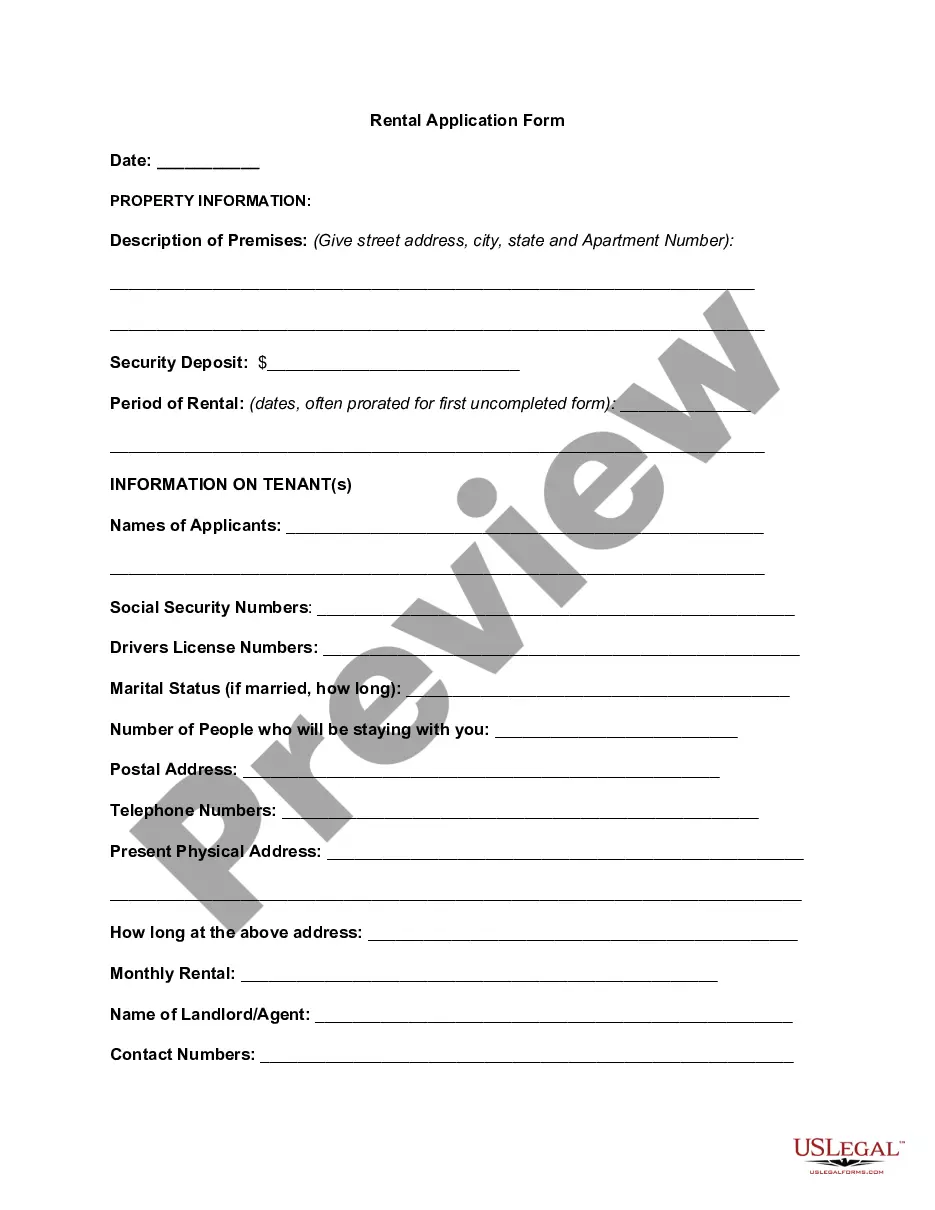
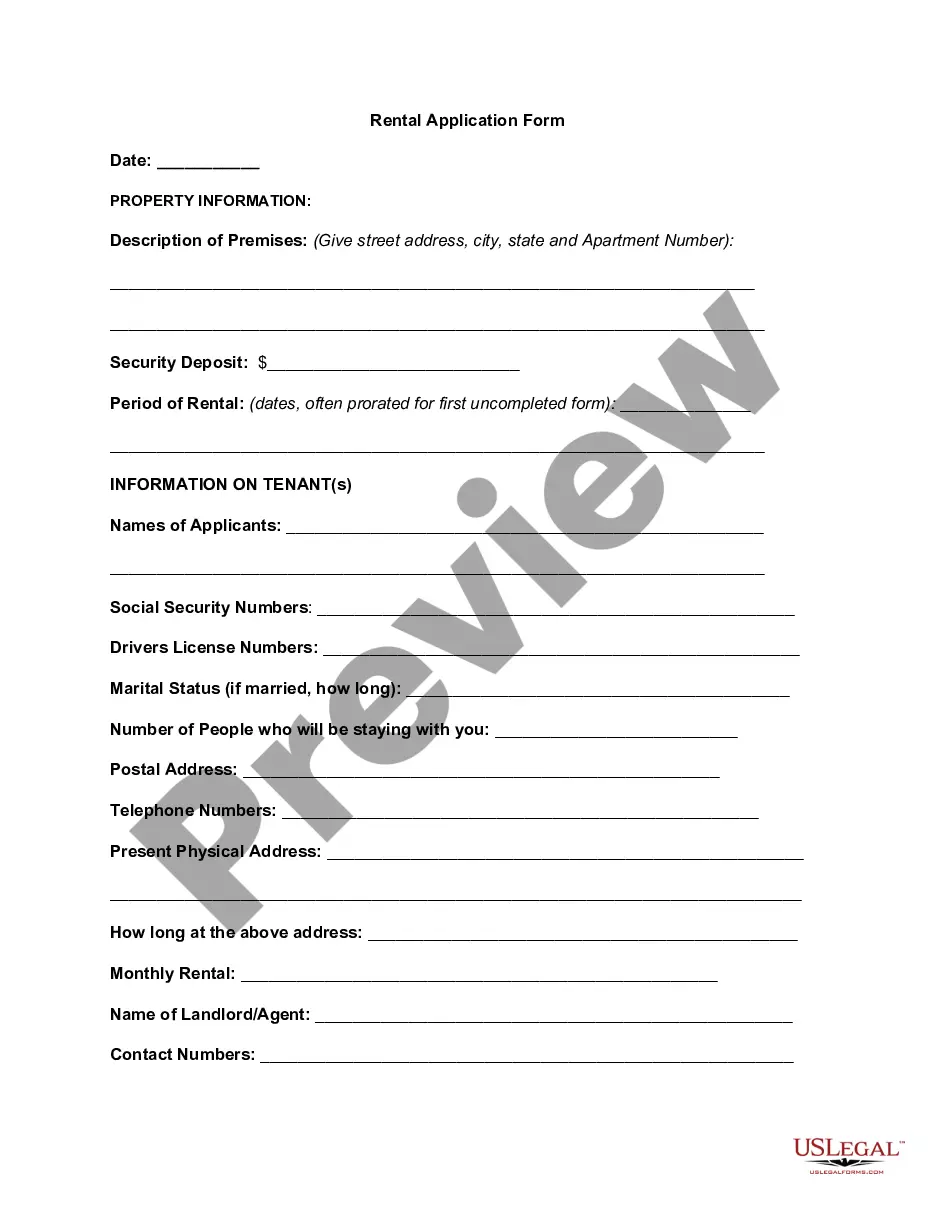
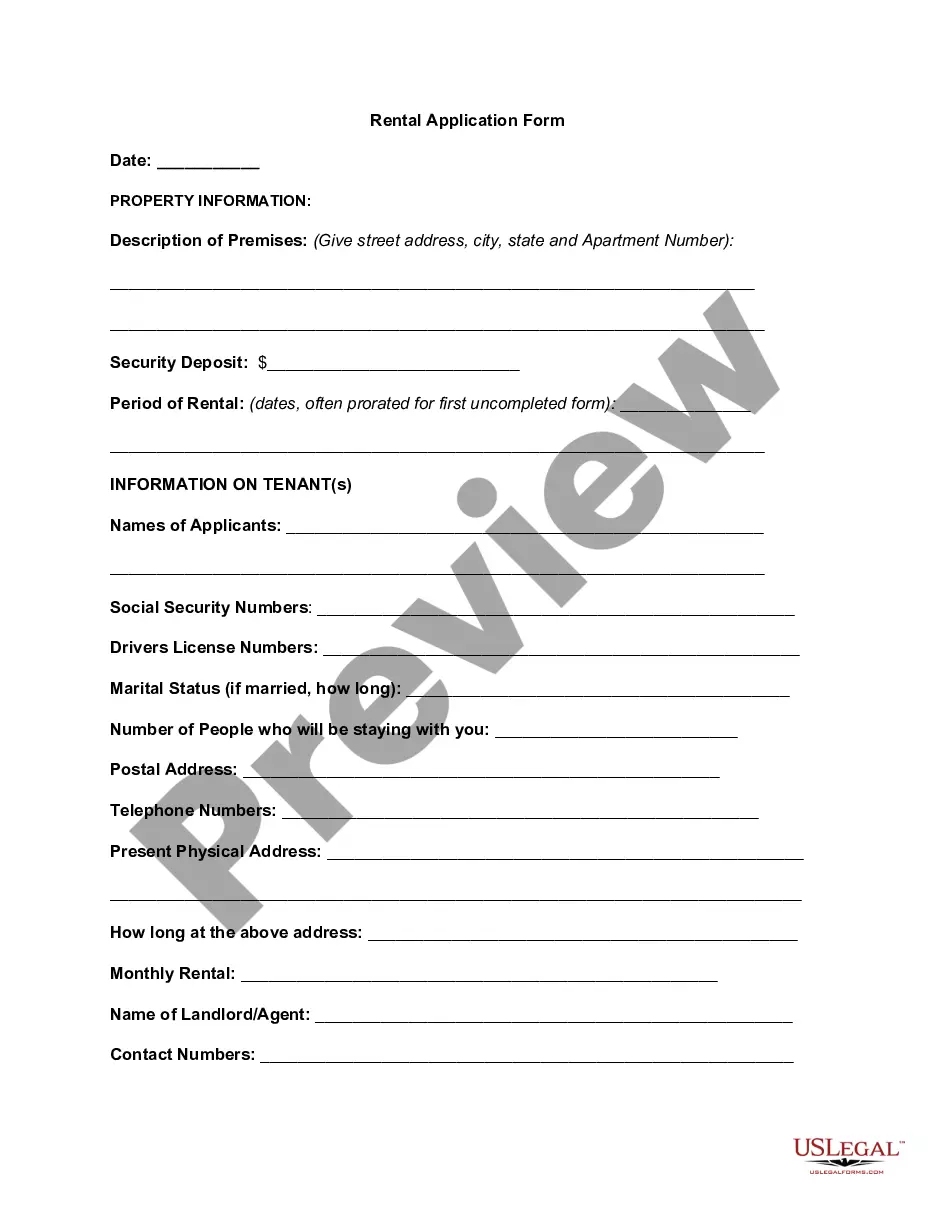
Rental Application Credit Check Without Permission In Santa Clara
Description


Get your form ready online
Our built-in tools help you complete, sign, share, and store your documents in one place.
Make edits, fill in missing information, and update formatting in US Legal Forms—just like you would in MS Word.
Download a copy, print it, send it by email, or mail it via USPS—whatever works best for your next step.
Sign and collect signatures with our SignNow integration. Send to multiple recipients, set reminders, and more. Go Premium to unlock E-Sign.
If this form requires notarization, complete it online through a secure video call—no need to meet a notary in person or wait for an appointment.
We protect your documents and personal data by following strict security and privacy standards.

Make edits, fill in missing information, and update formatting in US Legal Forms—just like you would in MS Word.

Download a copy, print it, send it by email, or mail it via USPS—whatever works best for your next step.

Sign and collect signatures with our SignNow integration. Send to multiple recipients, set reminders, and more. Go Premium to unlock E-Sign.

If this form requires notarization, complete it online through a secure video call—no need to meet a notary in person or wait for an appointment.

We protect your documents and personal data by following strict security and privacy standards.
Looking for another form?









Form popularity
FAQ
There's no set score you need to be able to rent a property. But keeping an eye on your financial health can help make the process easier.
Credit score requirements for apartments vary by landlord, but most require at least a 670. Landlords can also view your credit report for any delinquencies or accounts in collections.
The short answer is no. Legally speaking, a person or organization can check your credit only under certain circumstances. Someone either needs to have what's called “permissible purpose” or have your permission and cooperation in the process for the credit check to be considered legal.
You must provide written consent before a prospective or current employer can get a copy of your credit report. Determining eligibility for government benefits or licenses. A legitimate business need in connection with a transaction that you initiated, such as a rental application.
Though most organizations and individuals need your permission to run a credit check, there are specific situations where your report may be pulled without your permission. Some examples of when this could occur include: In response to a court order or subpoena.
The short answer is no. Legally speaking, a person or organization can check your credit only under certain circumstances. Someone either needs to have what's called “permissible purpose” or have your permission and cooperation in the process for the credit check to be considered legal.
Nobody can access your credit report without your consent. Anyone who wants to view your credit report must be able to prove that you have given them permission. You may want to contact both Equifax and TransUnion to confirm the request was made by the dealership.
You can access someone else's credit report by directly contacting one of the credit bureaus (TransUnion, Equifax, and Experian). Each of these bureaus technically gives their ratings independently, but all three of the scores should be quite similar for the same person.
The short answer is no. Legally speaking, a person or organization can check your credit only under certain circumstances. Someone either needs to have what's called “permissible purpose” or have your permission and cooperation in the process for the credit check to be considered legal.
Collect Candidate Information: Personal identifying information, including the candidate's name, mailing address, and date of birth are all required to complete a credit check. Choose a Credit Reporting Agency: Select a reputable credit report provider or credit bureau to obtain the credit report.
