Rental Application Rejection Letter With No Experience In Minnesota
Description


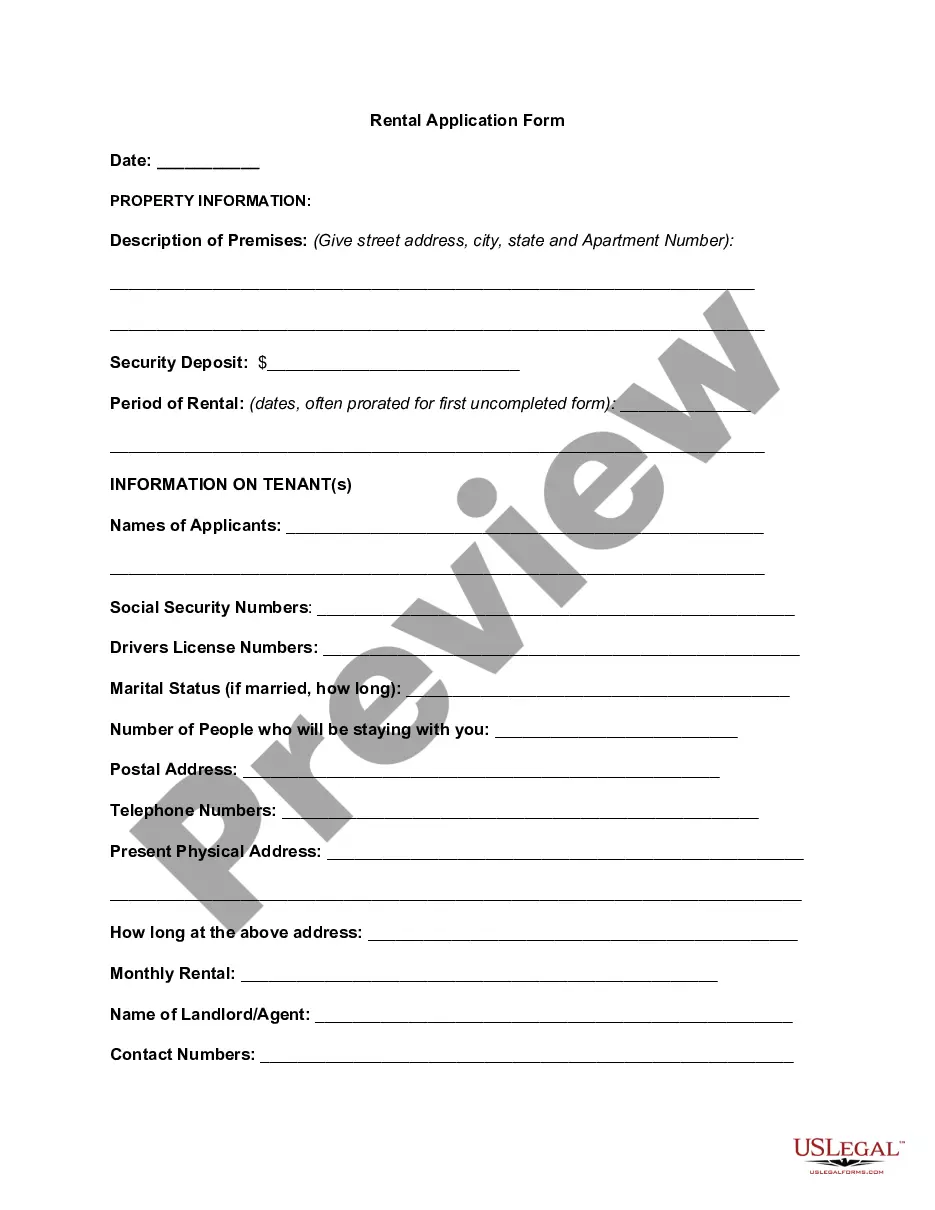
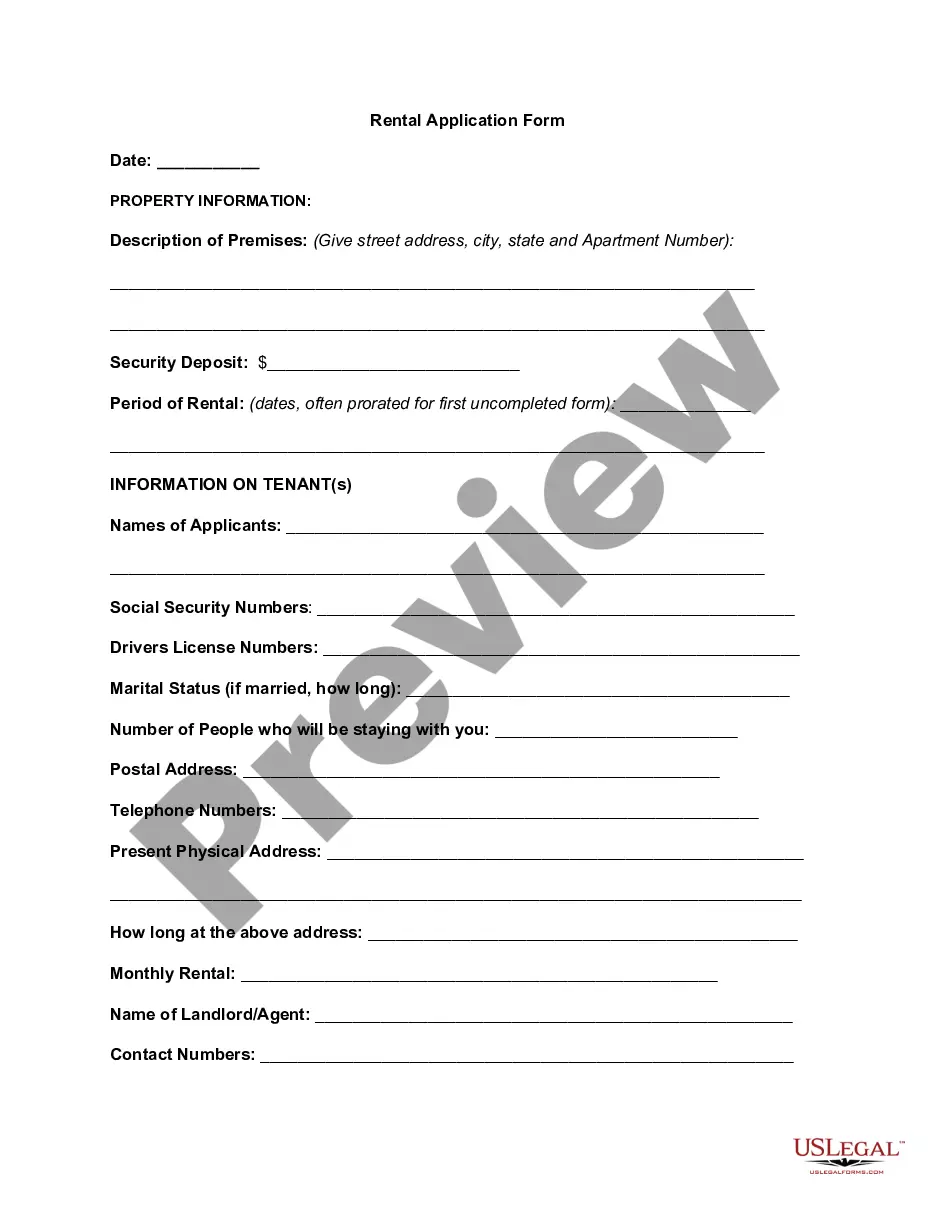
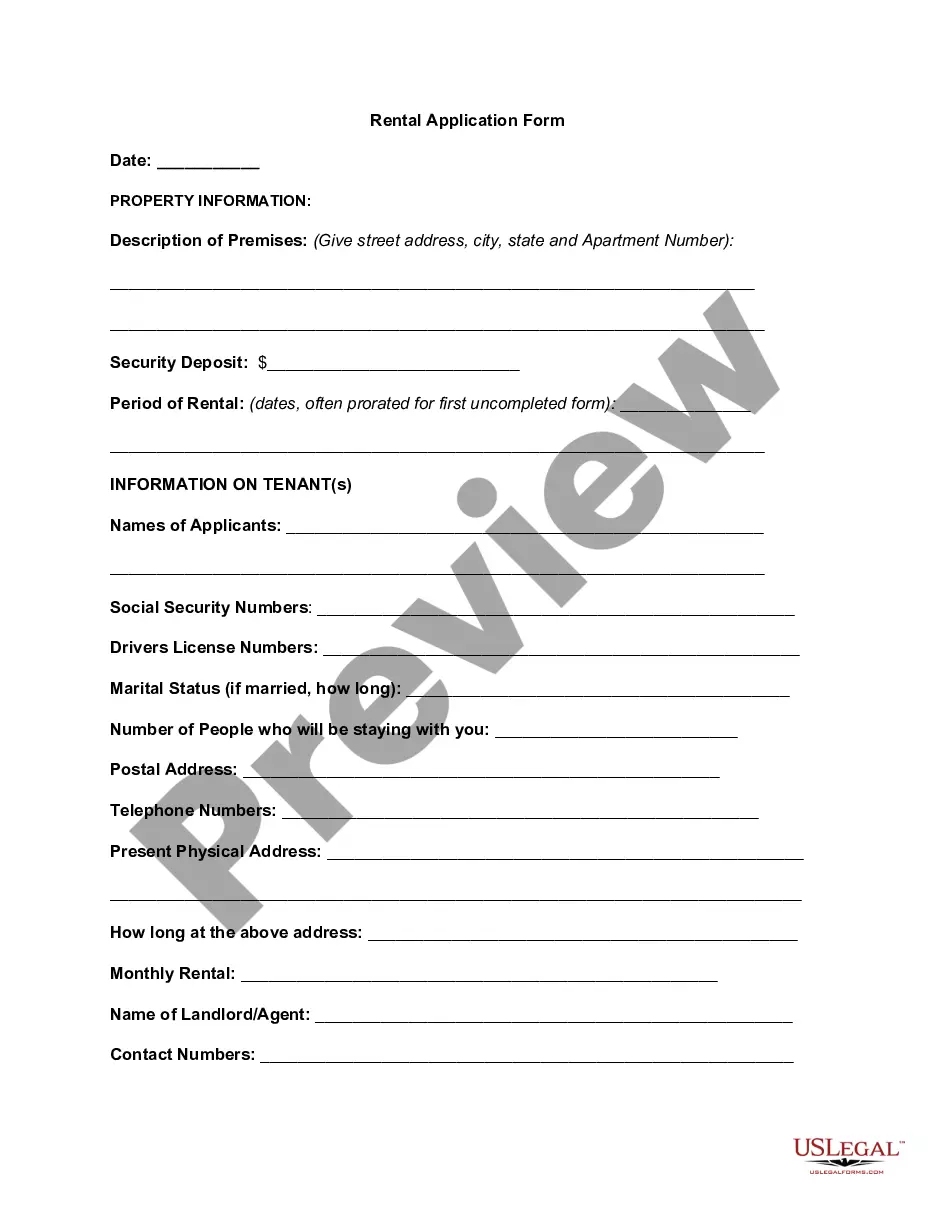
Get your form ready online
Our built-in tools help you complete, sign, share, and store your documents in one place.
Make edits, fill in missing information, and update formatting in US Legal Forms—just like you would in MS Word.
Download a copy, print it, send it by email, or mail it via USPS—whatever works best for your next step.
Sign and collect signatures with our SignNow integration. Send to multiple recipients, set reminders, and more. Go Premium to unlock E-Sign.
If this form requires notarization, complete it online through a secure video call—no need to meet a notary in person or wait for an appointment.
We protect your documents and personal data by following strict security and privacy standards.

Make edits, fill in missing information, and update formatting in US Legal Forms—just like you would in MS Word.

Download a copy, print it, send it by email, or mail it via USPS—whatever works best for your next step.

Sign and collect signatures with our SignNow integration. Send to multiple recipients, set reminders, and more. Go Premium to unlock E-Sign.

If this form requires notarization, complete it online through a secure video call—no need to meet a notary in person or wait for an appointment.

We protect your documents and personal data by following strict security and privacy standards.
Looking for another form?









Form popularity
FAQ
Yes, you can ask a landlord why they denied your rental application. It's your right to seek clarification on the decision, and landlords are generally required to provide a reason for the denial, especially if it's based on information from a credit report or background check.
How do you respond to a rental rejection? Politely ask for the reason, review your credit report, and improve any issues before applying again.
Valid reasons to deny a rental application Insufficient income. Your tenant should earn a minimum of three times the monthly rent. Bad credit. This suggests they are not financially responsible. Relevant criminal history. Have evictions on record. Poor references from prior landlords.
Most of the reasons why a landlord cannot reject a tenant are related to illegal discrimination. For example, it's illegal to reject a tenant on the basis of gender, age, race, religion and nationality. Another area of importance is physical or mental disability.
Landlords are not legally required to inform you if your rental application is denied, but many do communicate the decision as a courtesy or to maintain a good relationship with prospective tenants.
Except as provided in subdivision 4, a landlord may enter the premises rented by a residential tenant only for a reasonable business purpose and after making a good faith effort to give the residential tenant reasonable notice under the circumstances of not less than 24 hours in advance of the intent to enter.
Filing False Charges or False Eviction Against the Tenant This is not only illegal but also considered landlord harassment. So, these actions can justifiably lead to a tenant filing suit against the owner.
Valid reasons to deny a rental application Insufficient income. Your tenant should earn a minimum of three times the monthly rent. Bad credit. This suggests they are not financially responsible. Relevant criminal history. Have evictions on record. Poor references from prior landlords.
Minnesota landlords cannot enforce undisclosed fees, such as management background checks or excessive application fees, incorporate unfair lease terms, or neglect to disclose essential information like who is responsible for utility payments.
Denial Based on Criminal History Individuals can legally be denied housing if their recent criminal record makes them dangerous and a risk to other tenants or neighbors. The denial must be based on reliable evidence and not be hypothetical or speculative.
