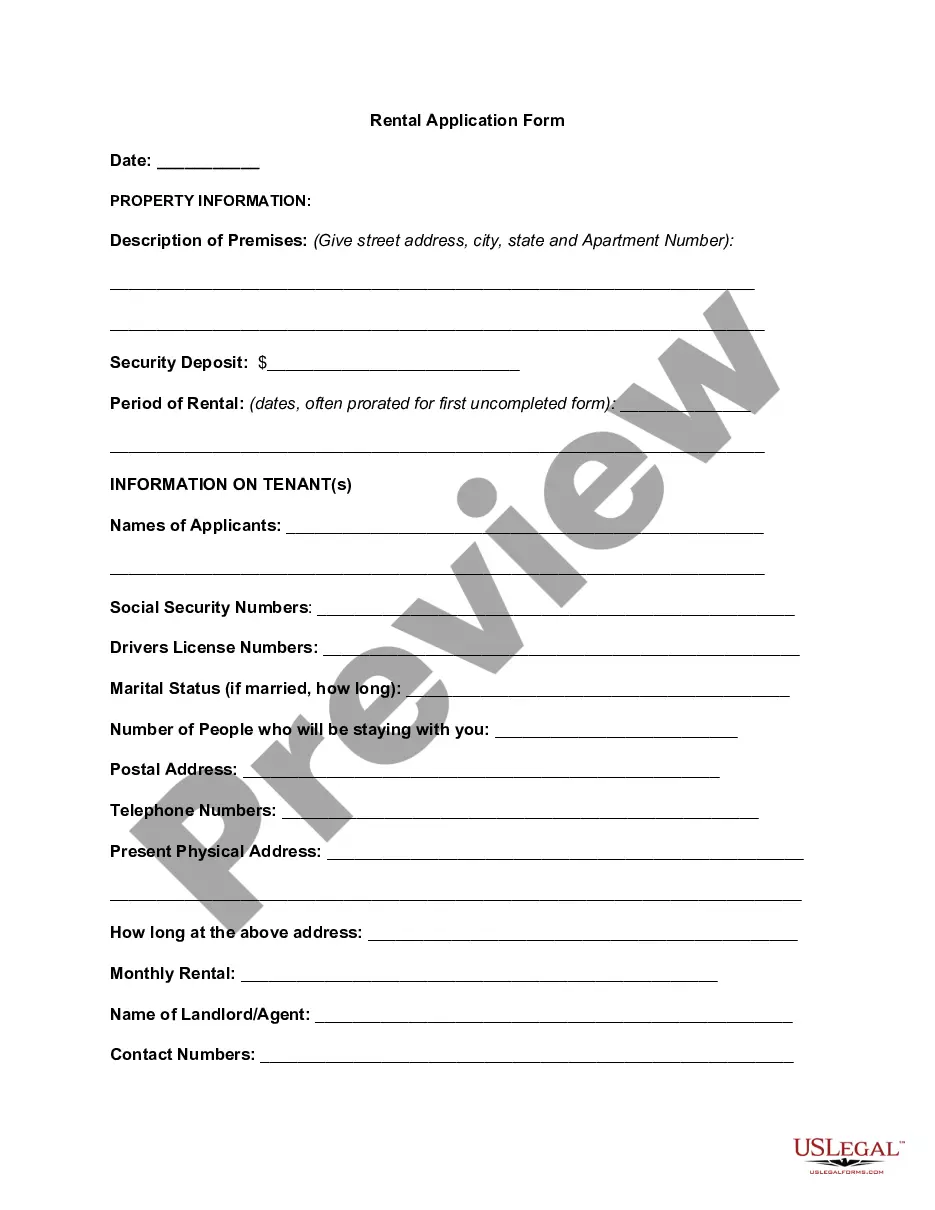
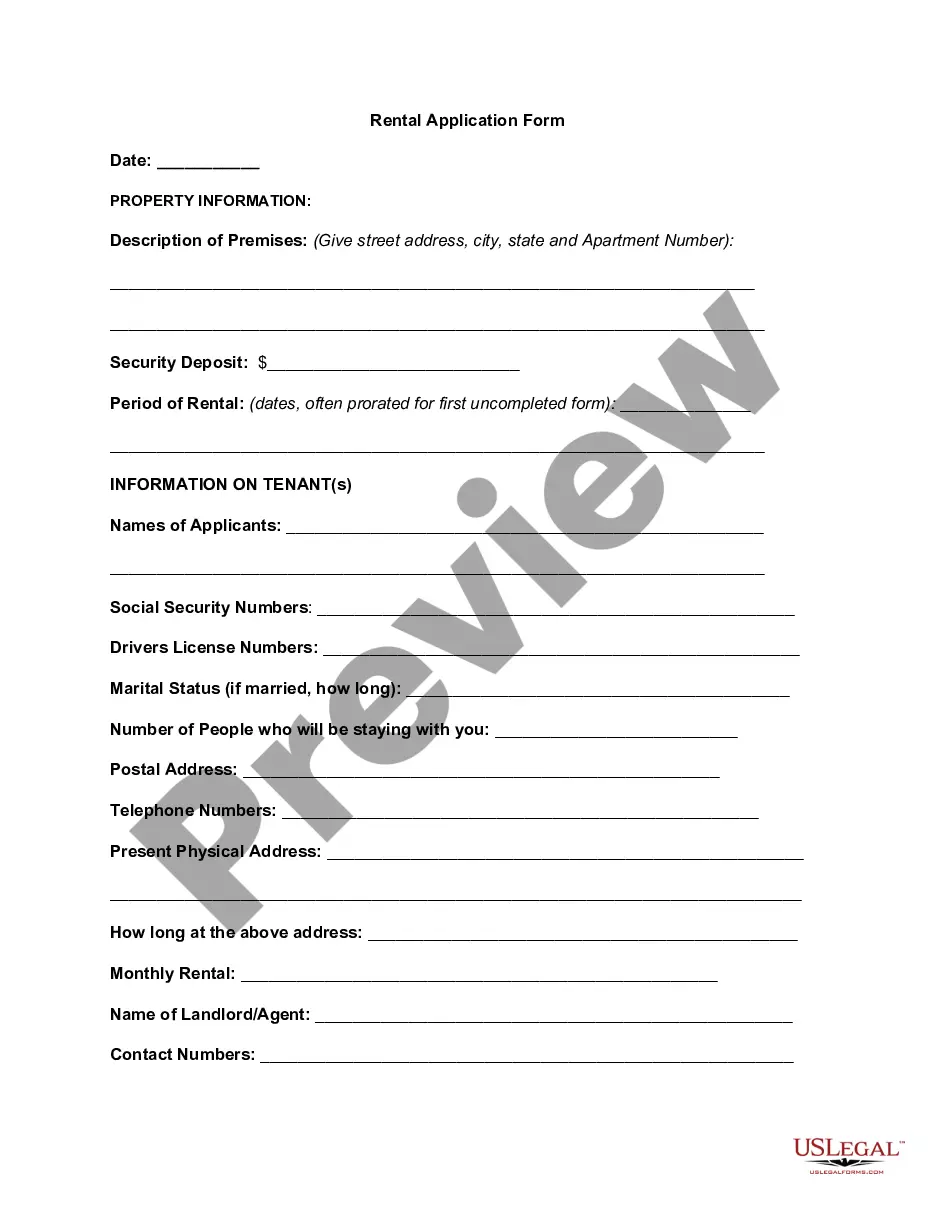
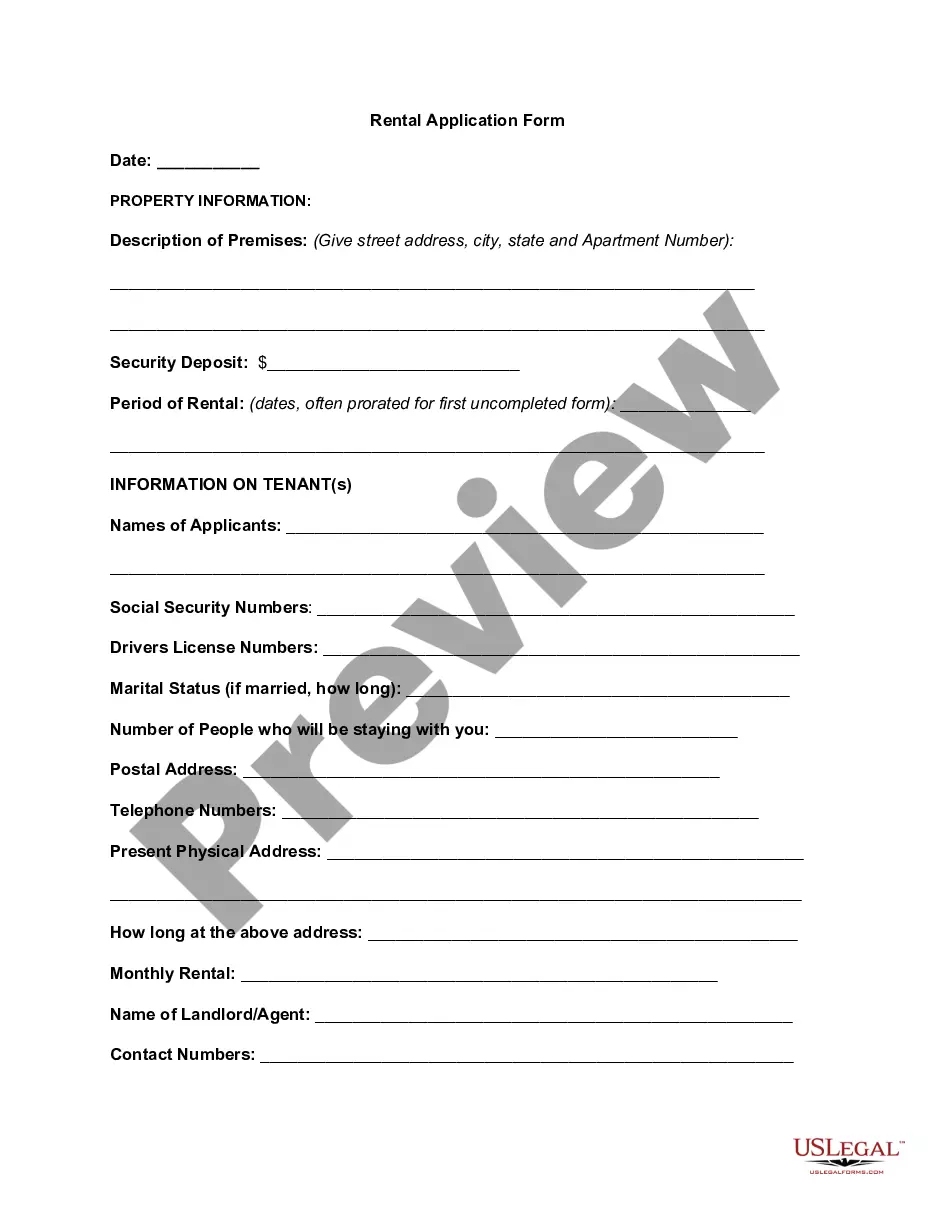
Rental Application Without Social Security Number In Massachusetts
Description


Get your form ready online
Our built-in tools help you complete, sign, share, and store your documents in one place.
Make edits, fill in missing information, and update formatting in US Legal Forms—just like you would in MS Word.
Download a copy, print it, send it by email, or mail it via USPS—whatever works best for your next step.
Sign and collect signatures with our SignNow integration. Send to multiple recipients, set reminders, and more. Go Premium to unlock E-Sign.
If this form requires notarization, complete it online through a secure video call—no need to meet a notary in person or wait for an appointment.
We protect your documents and personal data by following strict security and privacy standards.

Make edits, fill in missing information, and update formatting in US Legal Forms—just like you would in MS Word.

Download a copy, print it, send it by email, or mail it via USPS—whatever works best for your next step.

Sign and collect signatures with our SignNow integration. Send to multiple recipients, set reminders, and more. Go Premium to unlock E-Sign.

If this form requires notarization, complete it online through a secure video call—no need to meet a notary in person or wait for an appointment.

We protect your documents and personal data by following strict security and privacy standards.
Looking for another form?







Form popularity
FAQ
Below is a list of the top 10 most common types of employment background checks. Criminal History Checks. Social Media Checks. Employment Verification. Credit Reports Checks. Education Verification Check. Reference Checks. Professional Qualifications Checks. Civil Checks.
Some landlords use tenant screening services that can generate details not found on credit reports, such as employment verification and rental history. While policies vary by landlord and property management company, the factors below are often part of the screening process.
Landlords may also legally ask you for your Social Security and driver's license numbers and (except in New York City, Colorado, and California) for proof of your legal residency in the United States. Landlords may even ask if you smoke or if you've ever been sued.
The majority of apartment background checks will look at your credit, employment, and rental history for the past 7-10 years.
A thorough apartment background check should include the following: Criminal history. Detailed credit report. Income verification. Past evictions. Employment verification.
Landlords in Massachusetts are not legally allowed to collect additional holding deposits, pet fees, or rental fees at the time of the tenant moving in. Tenants are legally allowed to collect their security deposit whenever they leave the leased property.
Yes, you can ask for a prospective tenants license and social security number/card. With that information, however, you will have a duty to keep it secure and limit the scope of what you do with that information to things like a credit check and to confirm the identity of the prospective tenant.
Landlords can also ask applicants to provide their Social Security Number (or Individual Tax Payer Identification Number) so that they can run a credit or background check on the applicant. Landlords who plan to run such checks should get written permission from applicants before doing so.
