Proof Of Service For Discovery In Chicago
Description


Get your form ready online
Our built-in tools help you complete, sign, share, and store your documents in one place.
Make edits, fill in missing information, and update formatting in US Legal Forms—just like you would in MS Word.
Download a copy, print it, send it by email, or mail it via USPS—whatever works best for your next step.
Sign and collect signatures with our SignNow integration. Send to multiple recipients, set reminders, and more. Go Premium to unlock E-Sign.
If this form requires notarization, complete it online through a secure video call—no need to meet a notary in person or wait for an appointment.
We protect your documents and personal data by following strict security and privacy standards.

Make edits, fill in missing information, and update formatting in US Legal Forms—just like you would in MS Word.

Download a copy, print it, send it by email, or mail it via USPS—whatever works best for your next step.

Sign and collect signatures with our SignNow integration. Send to multiple recipients, set reminders, and more. Go Premium to unlock E-Sign.

If this form requires notarization, complete it online through a secure video call—no need to meet a notary in person or wait for an appointment.

We protect your documents and personal data by following strict security and privacy standards.
Looking for another form?










Form popularity
FAQ
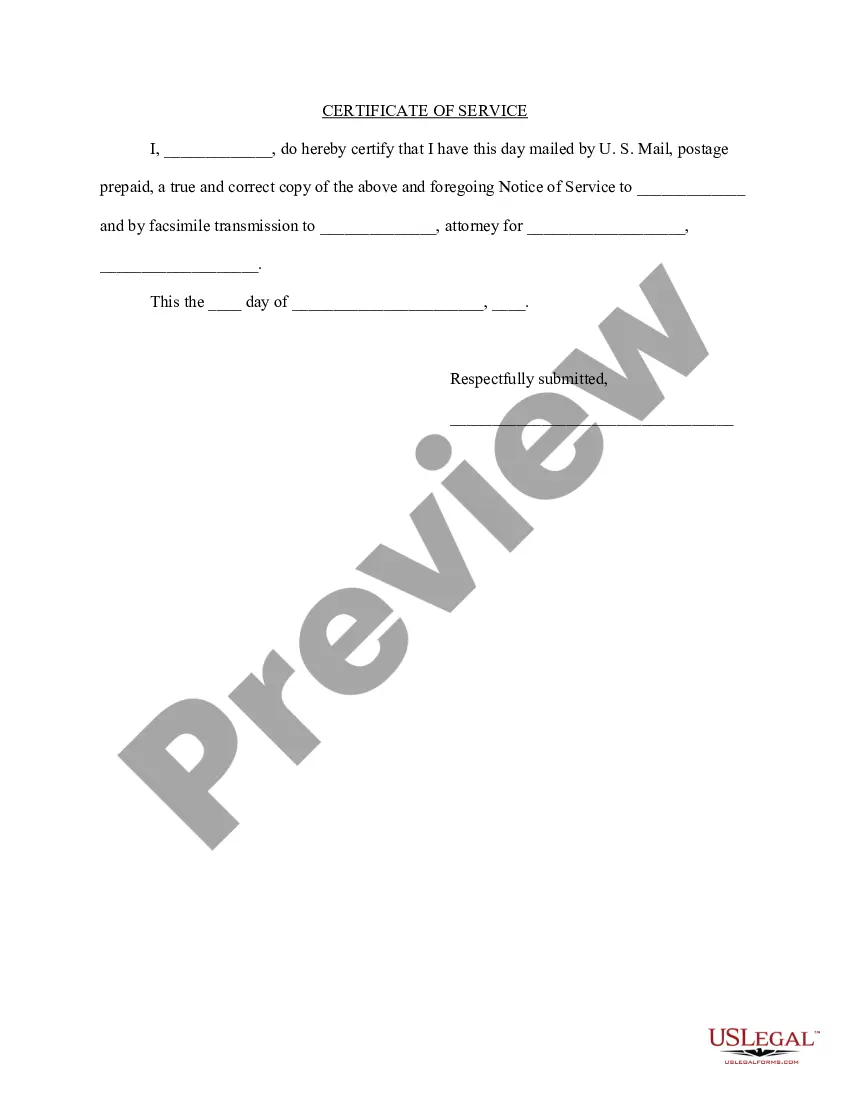
For a certificate of service for discovery papers, such as written discovery requests and responses, see Form – Certificate of Service (Discovery). The Federal Rules of Civil Procedure state that no certificate of service is required when a paper is served by filing it with the court's electronic-filing (ECF) system.
What is a Proof of Service & Affidavit of Mailing? o Before you file a document with the court, you must send a copy to each of the other parties, and you must send it in one of several particular ways. A Proof of Service shows the court how you sent a copy of a document to each of the other parties in the case.
Sometimes, there are exceptions via a discovery rule, allowing for a delay to the statute of limitations to start the time tolling not on the date the incident occurred leading to injury but instead on the date of discovery of an injury or when damages were first reasonably discoverable, per 735 ILCS 5/13-214.3(b).
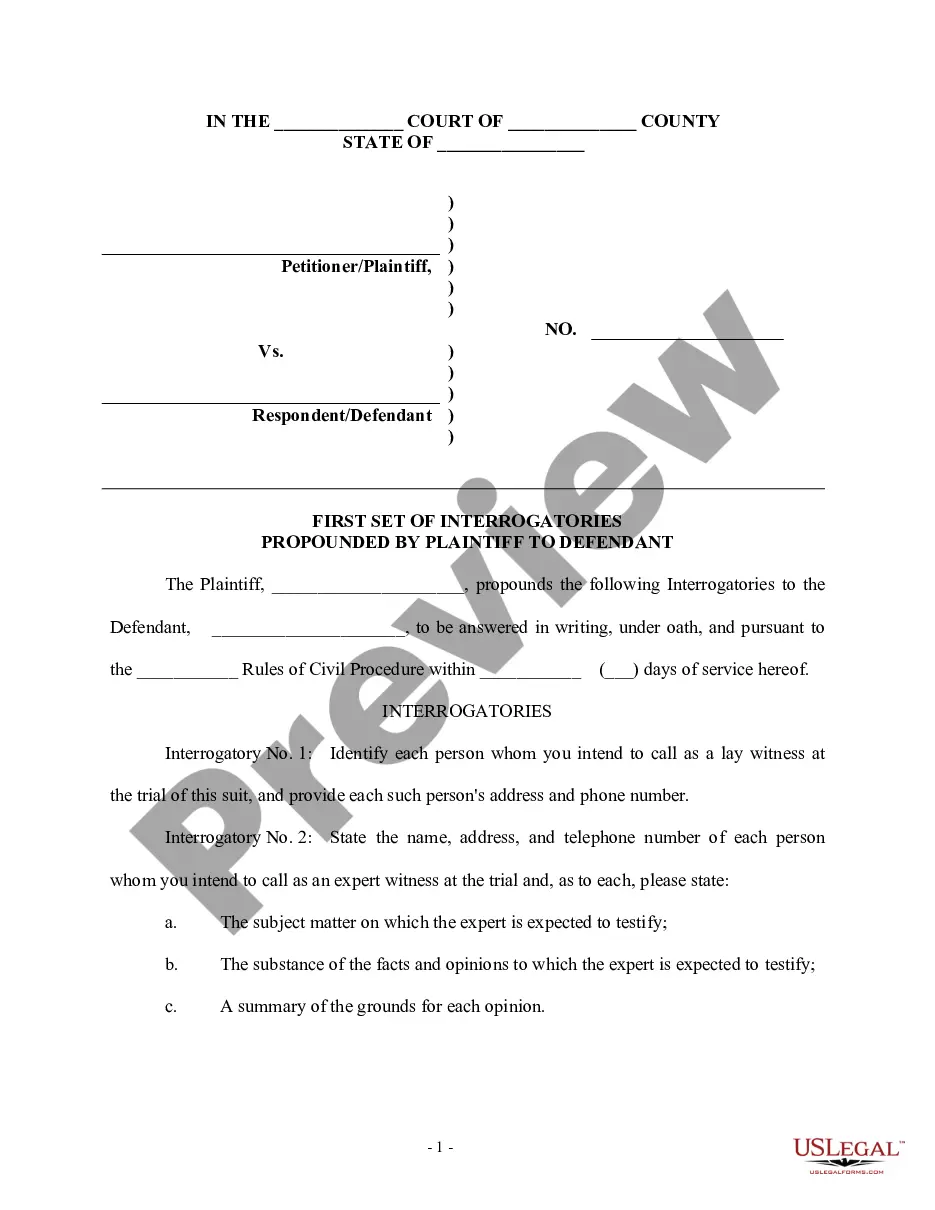
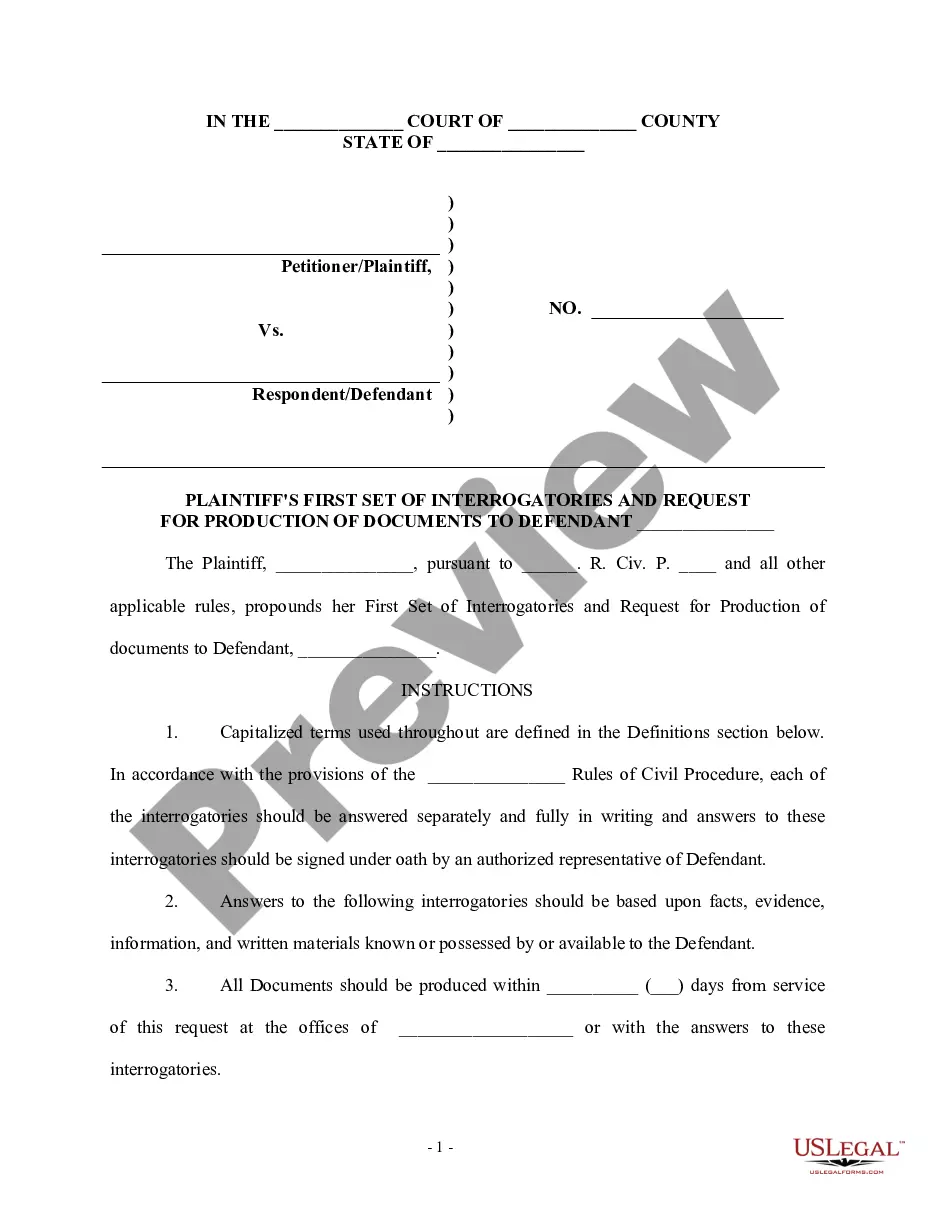
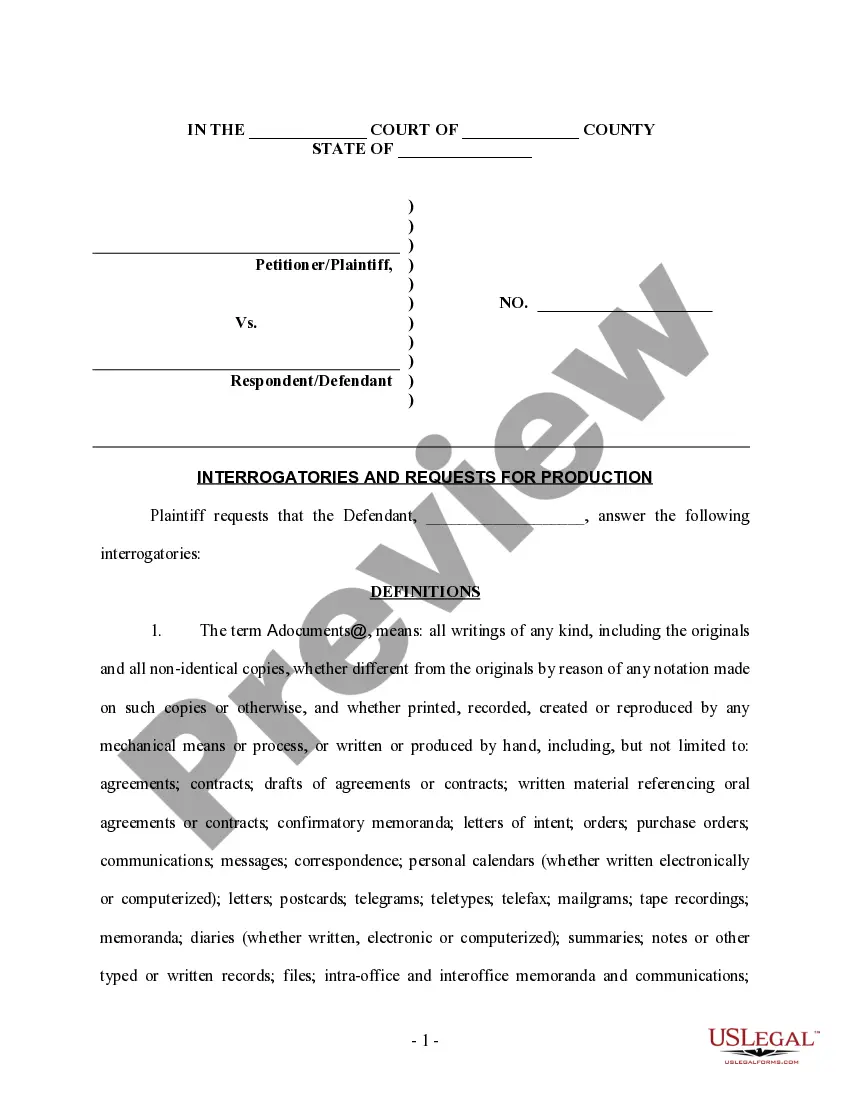
Discovery allows you to get information and evidence from the other party or other persons you can use in your lawsuit.
A party can only send 30 interrogatories. However, this number can be increased if the other party agrees or the court allows more. If there is more than one other party in the case, the requesting party must give copies to all other parties. A party who receives interrogatories has 28 days to answer or object.
Rule 287 - Depositions, Discovery and Motions (a) No depositions shall be taken or interrogatories or other discovery proceeding or requests to admit be used prior to trial in small claims except by leave of court.