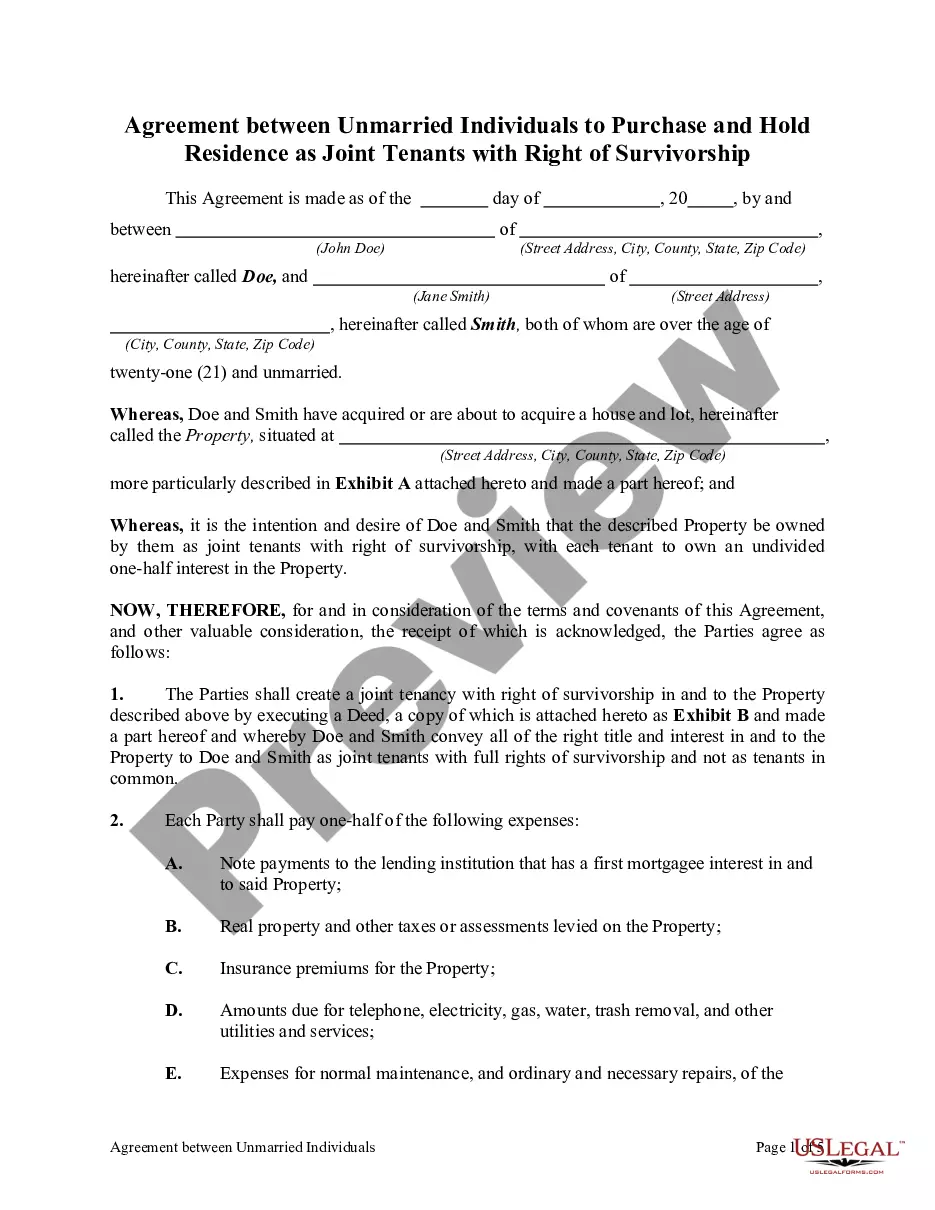
Agreement Unmarried With Child In Travis
Description

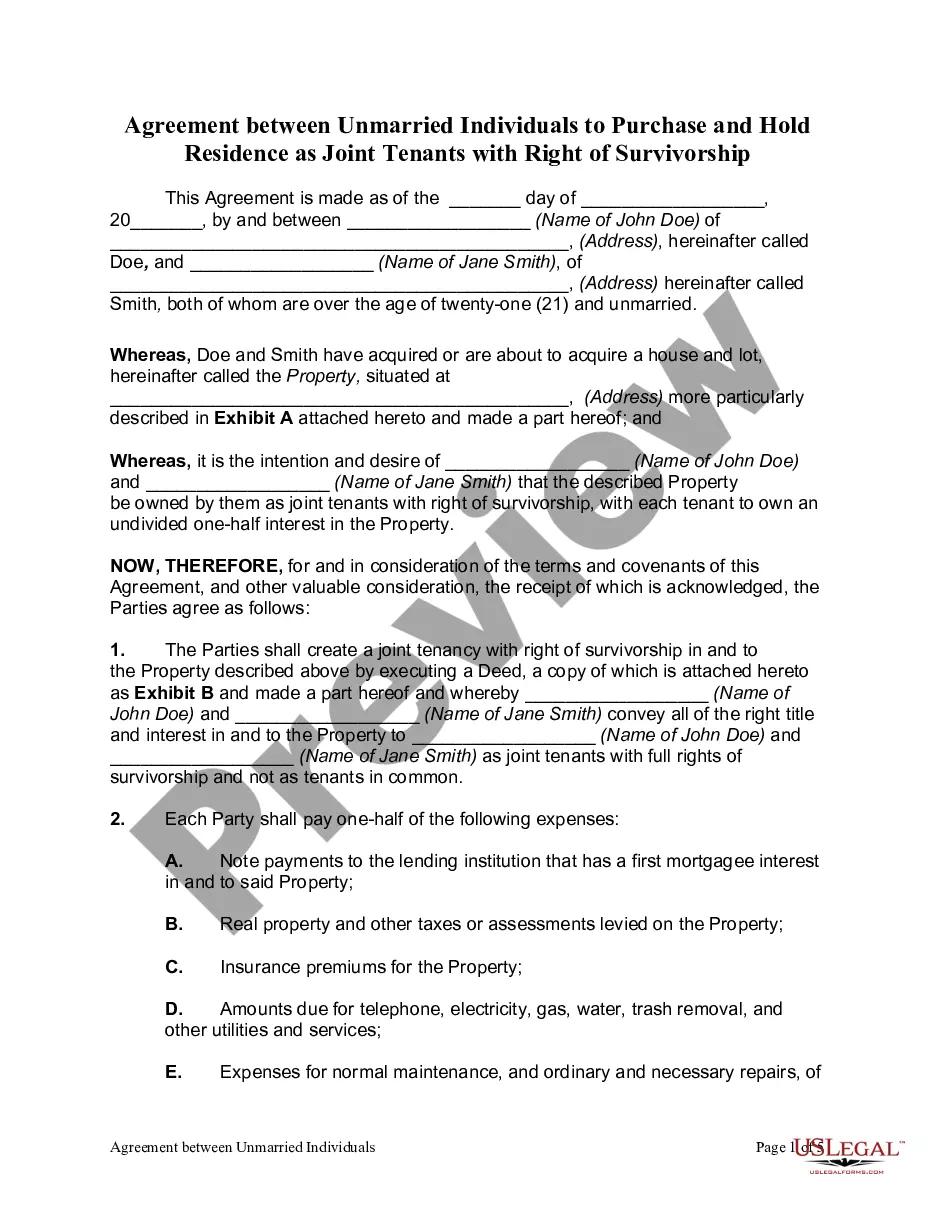
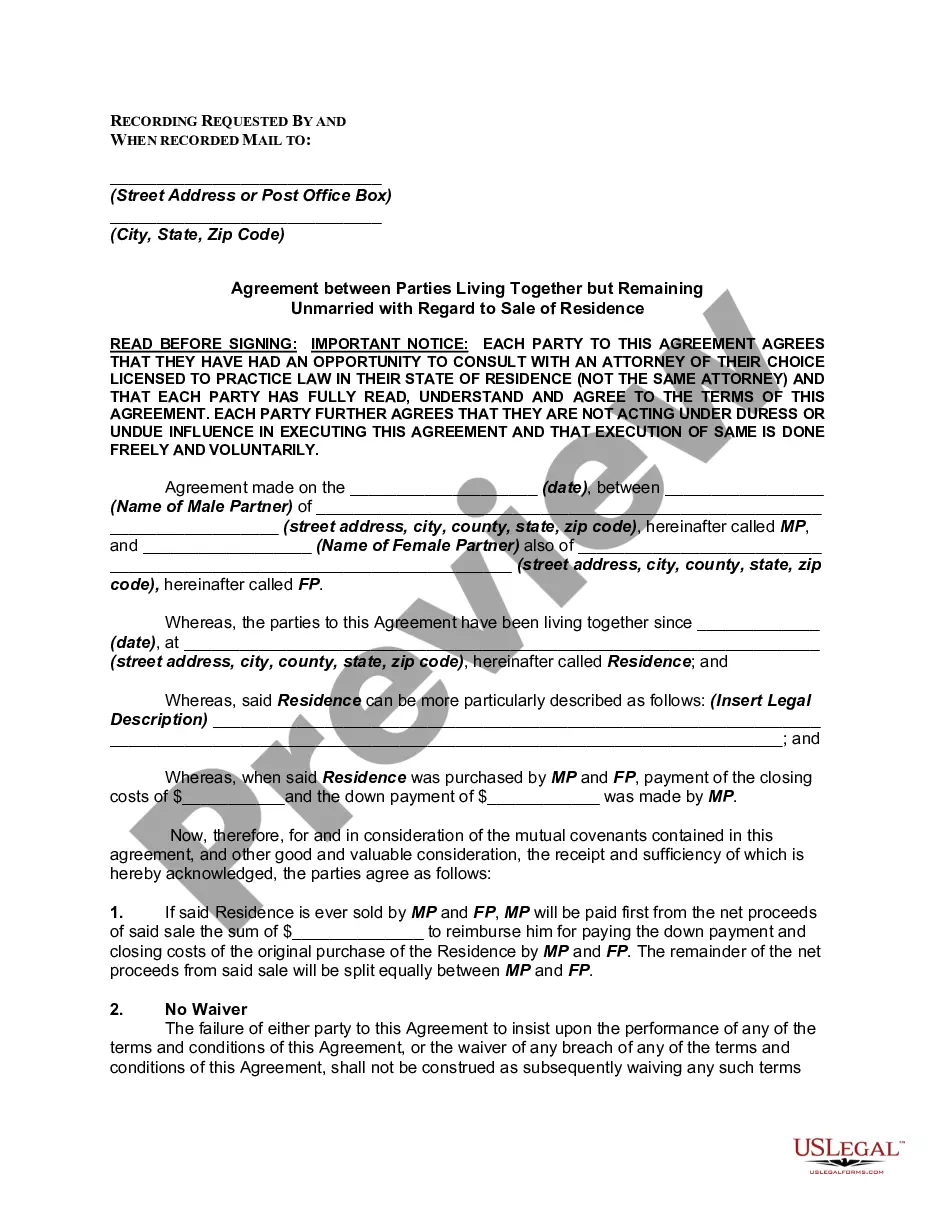
Get your form ready online
Our built-in tools help you complete, sign, share, and store your documents in one place.
Make edits, fill in missing information, and update formatting in US Legal Forms—just like you would in MS Word.
Download a copy, print it, send it by email, or mail it via USPS—whatever works best for your next step.
Sign and collect signatures with our SignNow integration. Send to multiple recipients, set reminders, and more. Go Premium to unlock E-Sign.
If this form requires notarization, complete it online through a secure video call—no need to meet a notary in person or wait for an appointment.
We protect your documents and personal data by following strict security and privacy standards.

Make edits, fill in missing information, and update formatting in US Legal Forms—just like you would in MS Word.

Download a copy, print it, send it by email, or mail it via USPS—whatever works best for your next step.

Sign and collect signatures with our SignNow integration. Send to multiple recipients, set reminders, and more. Go Premium to unlock E-Sign.

If this form requires notarization, complete it online through a secure video call—no need to meet a notary in person or wait for an appointment.

We protect your documents and personal data by following strict security and privacy standards.
Looking for another form?










Form popularity
FAQ
When parents split, either parent can have custody of the children. Or the parents may share custody. The judge makes the final decision about custody and visitation but will usually approve the arrangement (the parenting plan) that both parents have agreed to.
If the parents can't decide who will claim their children, tax law dictates the person with the higher adjusted gross income will claim them.
Once paternity has been definitively established, the unmarried father is entitled to all of the parental rights as a married father would be. In order to avoid a lengthy custody battle, it is important for both parents to do their best to remain amicable and willing to compromise.
Typically, judges will award both parents joint (or shared) legal custody, which means that they will have to agree about those decisions. Physical custody refers to where the child lives. Typically, one parent has primary physical custody, while the other parent has regular visitation.
An unmarried mother has sole custody of her child when the father refuses to acknowledge paternity; as a mere presumed biological parent, he has no rights. When a man acknowledges paternity, he gains legal parental rights, including a right to custody. Marital status is irrelevant to custody.
Yes, it is okay to have a baby without being married. The decision to have a child is a personal one and it is up to the individual to make that choice. Marriage is not a requirement for having a child and there are many families who have children without being married.
If both parents are legal parents—through birth, paternity, and/or adoption—then both will continue to enjoy equal rights and responsibilities for the children. Typically, the couple can work out a custody, visitation, and child support arrangement without taking legal action.
Unmarried fathers in Texas have the same legal rights and responsibilities as mothers regarding custody, visitation, and child support. However, establishing paternity is crucial for unmarried fathers to assert their parental rights and protect their relationship with their child.
You can get temporary custody forms in Texas from the Courts, which your lawyer can help you properly fill out. You'll need to file those forms with the Court in the county where your child lives. Make sure you bring originals of any documents you include in your petition, as well as a few copies.
In Texas, a TRO lasts for 14 days or until your temporary orders hearing, whichever is first. But what about after the hearing? If a set of temporary orders worked for all family members, then the court might choose to turn the temporary order into a permanent or final order to finalize the divorce.