Separation Agreement For Unmarried Couples Template In Queens
Description

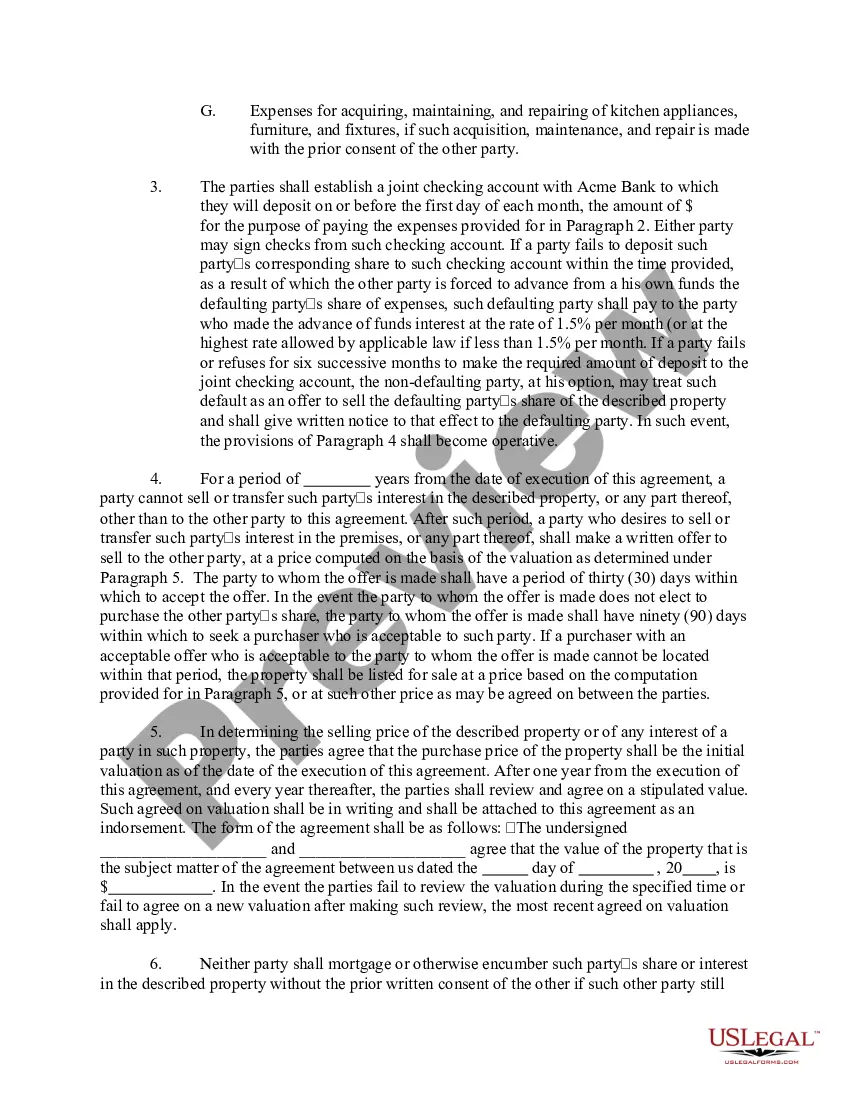
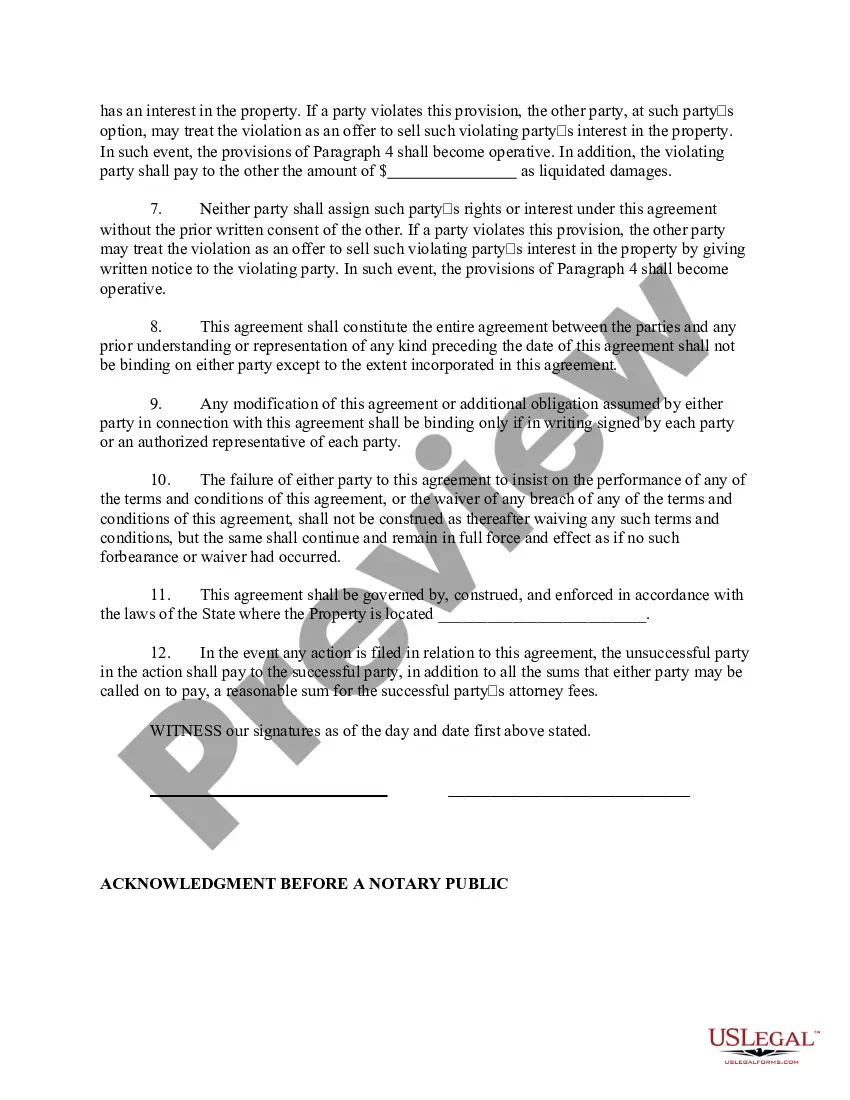
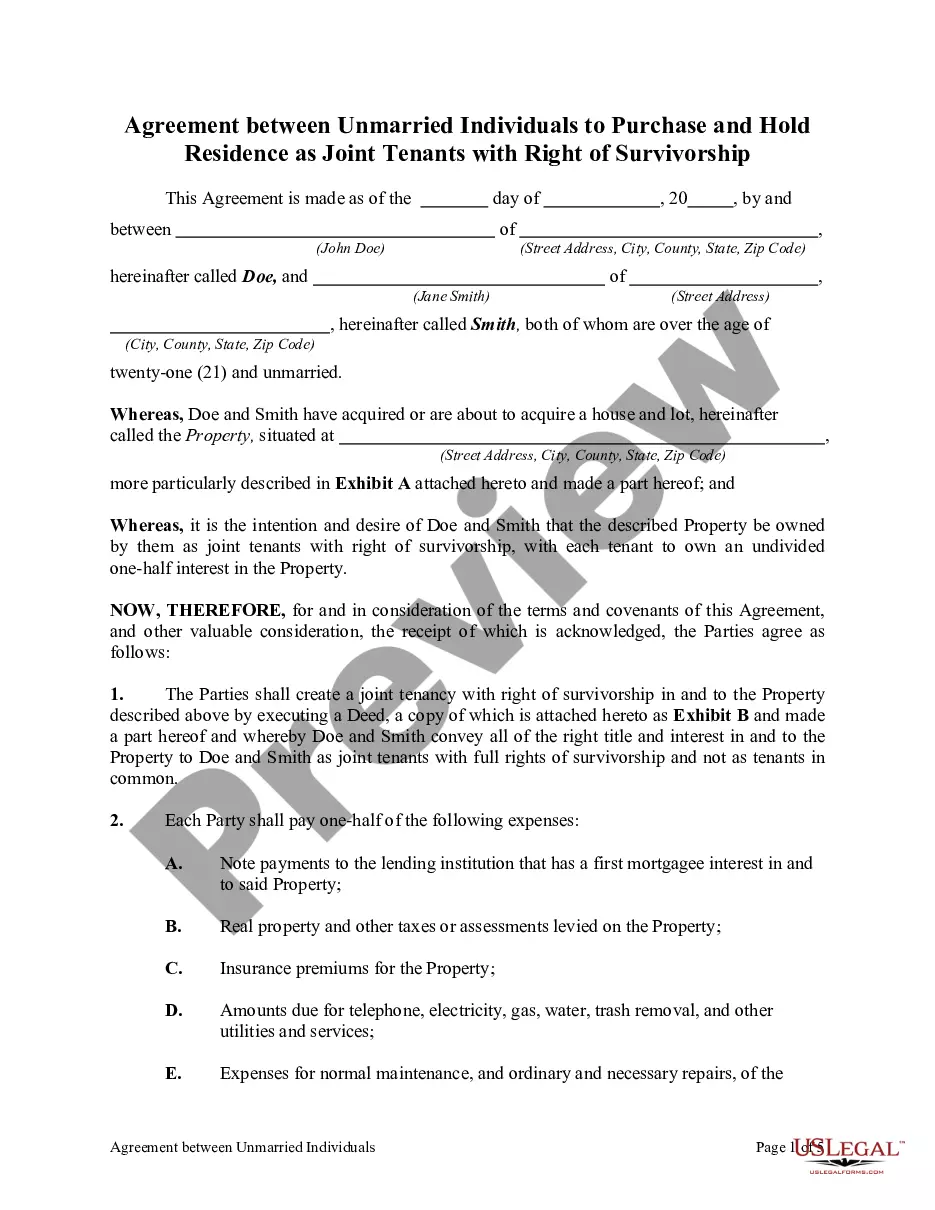
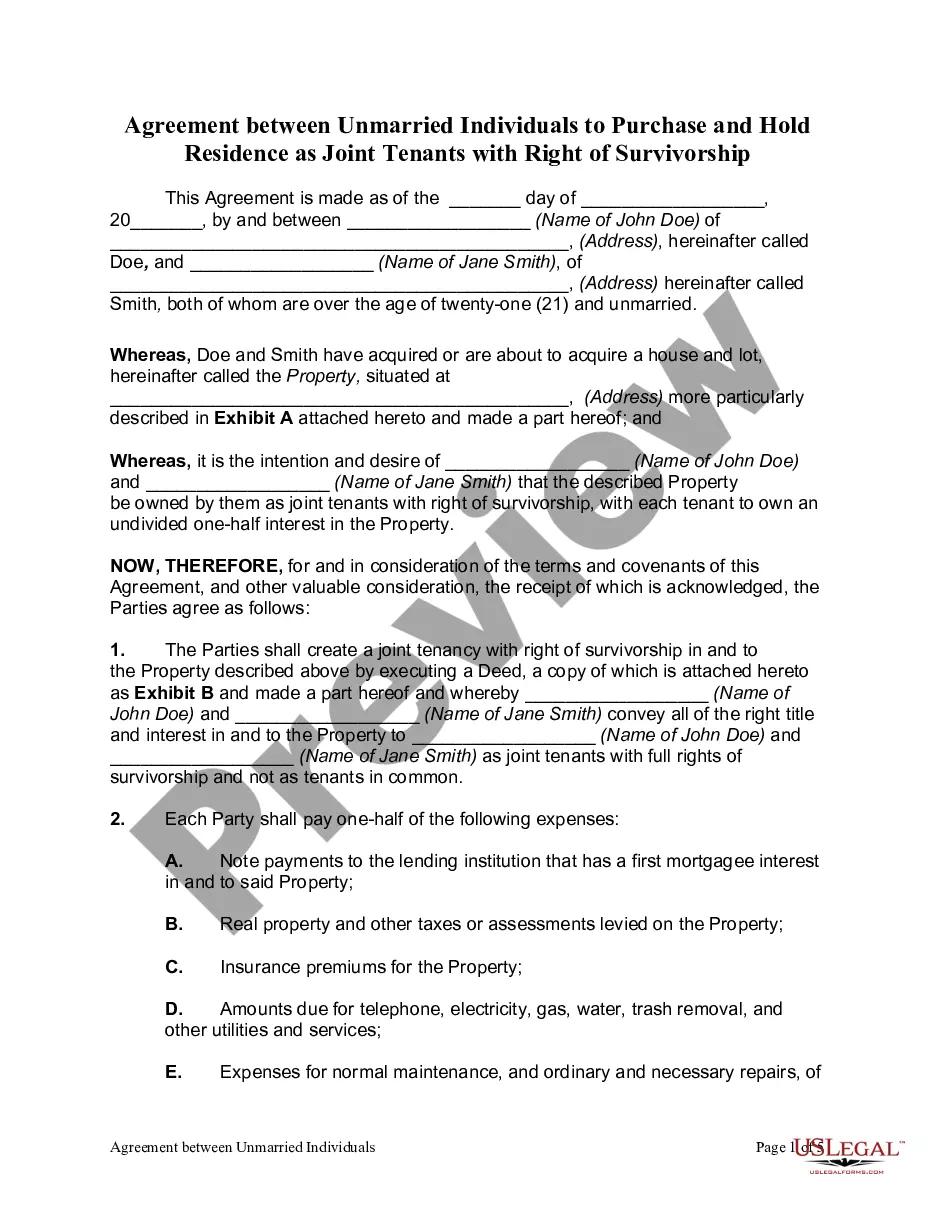
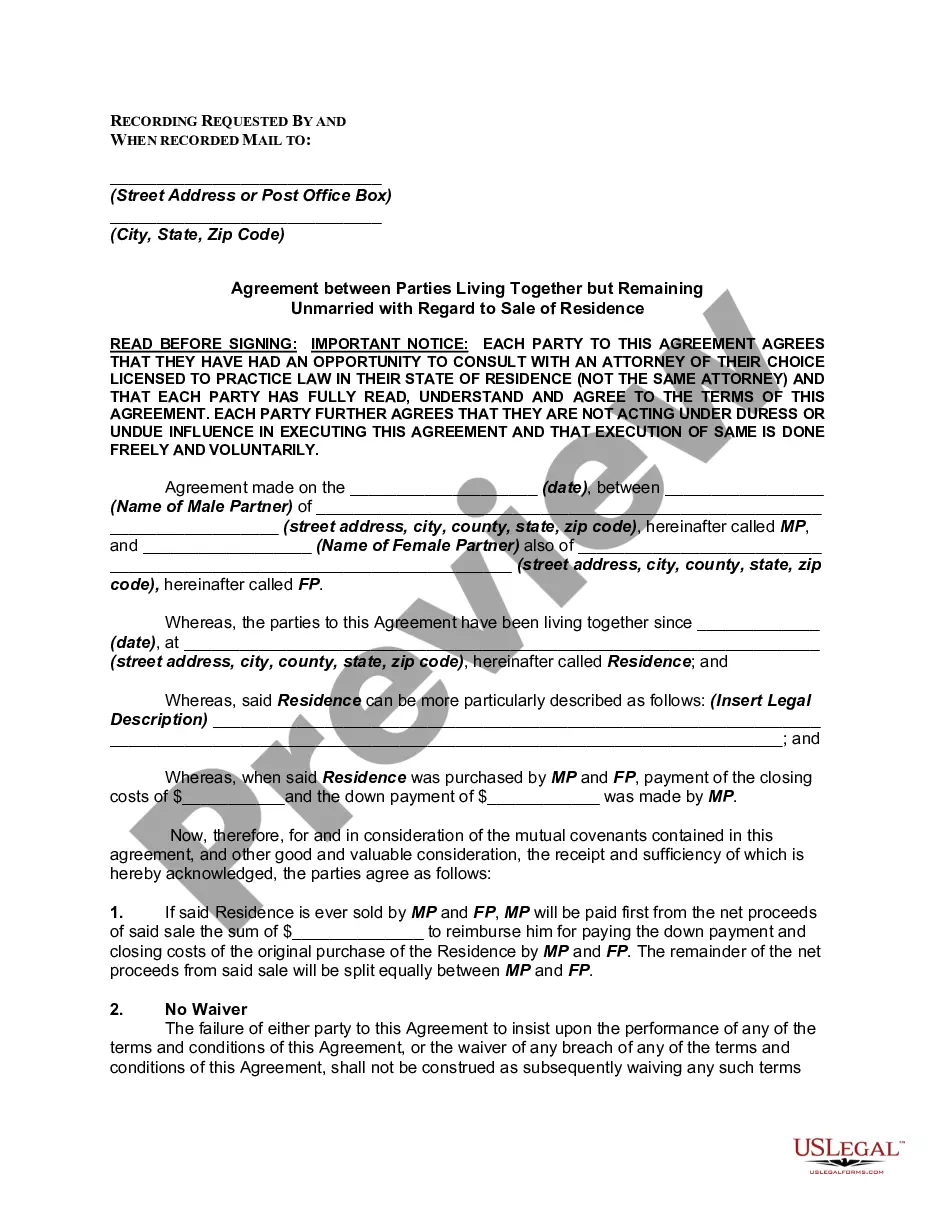
Get your form ready online
Our built-in tools help you complete, sign, share, and store your documents in one place.
Make edits, fill in missing information, and update formatting in US Legal Forms—just like you would in MS Word.
Download a copy, print it, send it by email, or mail it via USPS—whatever works best for your next step.
Sign and collect signatures with our SignNow integration. Send to multiple recipients, set reminders, and more. Go Premium to unlock E-Sign.
If this form requires notarization, complete it online through a secure video call—no need to meet a notary in person or wait for an appointment.
We protect your documents and personal data by following strict security and privacy standards.

Make edits, fill in missing information, and update formatting in US Legal Forms—just like you would in MS Word.

Download a copy, print it, send it by email, or mail it via USPS—whatever works best for your next step.

Sign and collect signatures with our SignNow integration. Send to multiple recipients, set reminders, and more. Go Premium to unlock E-Sign.

If this form requires notarization, complete it online through a secure video call—no need to meet a notary in person or wait for an appointment.

We protect your documents and personal data by following strict security and privacy standards.
Looking for another form?








Form popularity
FAQ
You don't need to get legal advice when you write a separation agreement, but it's a good idea to. There are several reasons why: Because you're entering into a potentially legally binding agreement.
To get a legal separation, you need to fill in a separation application and send it to the court. A legal separation allows you to separate, without divorcing or ending a civil partnership. You may want a legal separation if: you have religious reasons against divorce.
A court will not draft—or give you—a separation agreement. You and your spouse, or your lawyers, are responsible for drafting the agreement. You and your spouse must both sign the agreement voluntarily—you or your spouse cannot be forced to sign the agreement and you must know and understand what it says.
A Separation Agreement is legally binding but not enforceable by the court. A Separation Agreement must be entered into voluntarily and you must have completed a full financial disclosure if you are relying on a Separation Agreement to be used as evidence should a claim or court proceedings take place in the future.
For example, you may seek a court judgment if your spouse refuses to separate or undergo mediation. You may also have to go through this if you and your spouse attempted mediation but disagreed. You can go to court to settle matters such as property division, child custody, and child support.
When Love Has Gone: Five Steps Towards Separation Step 1: Decide Who Will Leave. You need to decide who will leave the joint home and where your children or pets will live. Step 2: Gather Documents. Step 3: Make A List. Step 4: Decide What Matters To You. Step 5: Get Legal Advice.
One year of living apart under a separation agreement; one year of living apart under a separation decree granted by a court; an irretrievable breakdown of the marriage for a period of at least six months, provided that one spouse has so stated under.
There are three types of separation: trial separation, permanent separation, and legal separation. While legal separation must be approved by a family court and may serve as an alternative to divorce, trial and permanent separation are more immediate measures taken before a divorce or potential divorce.
