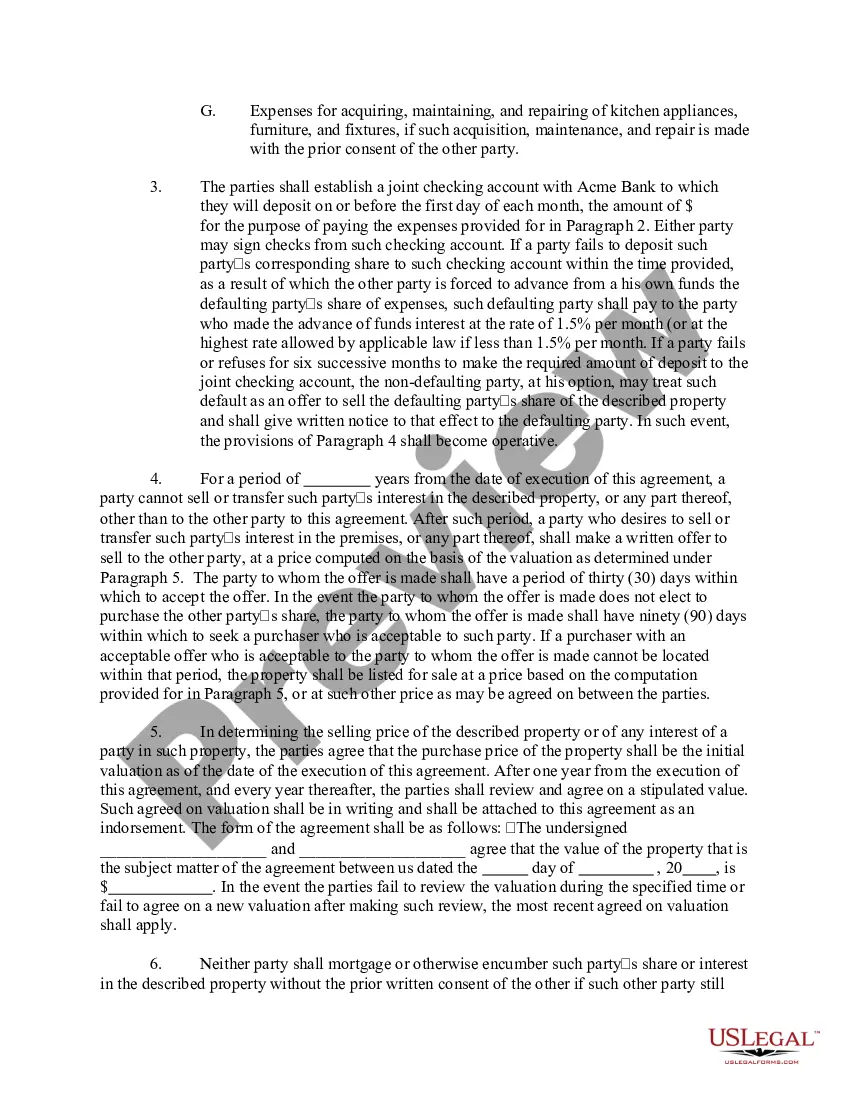
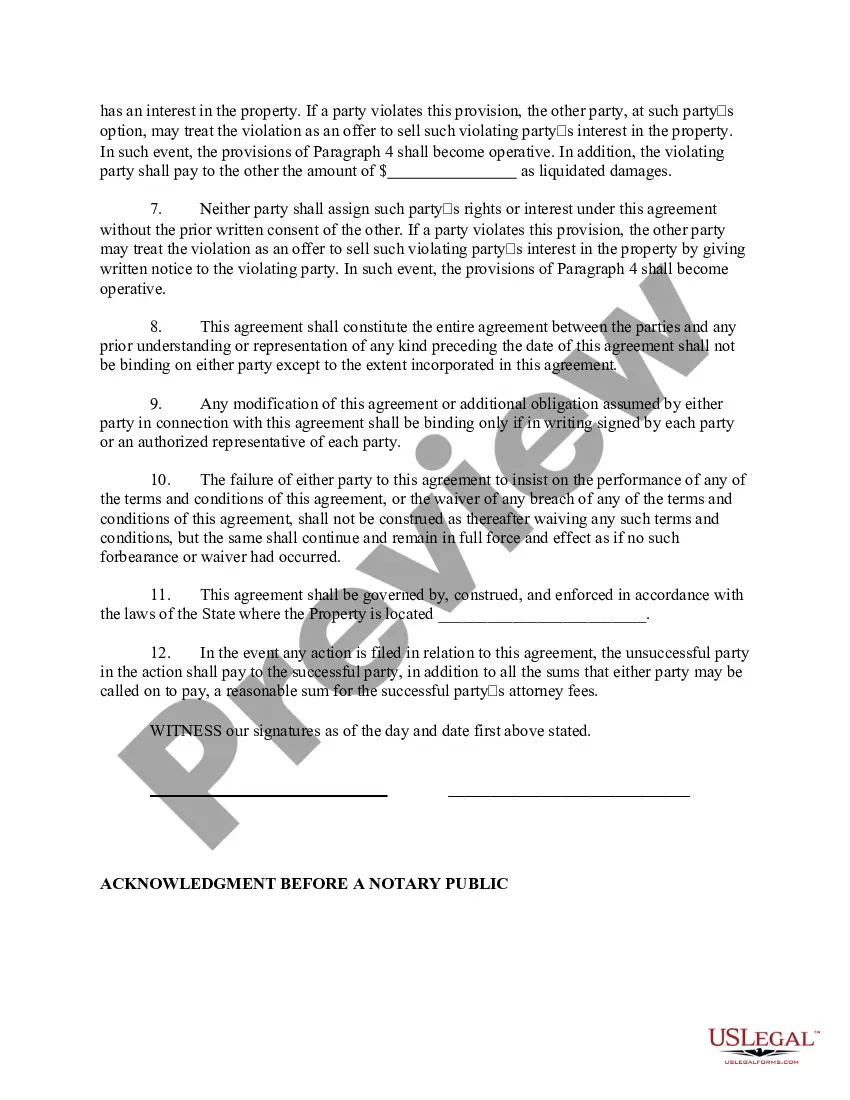
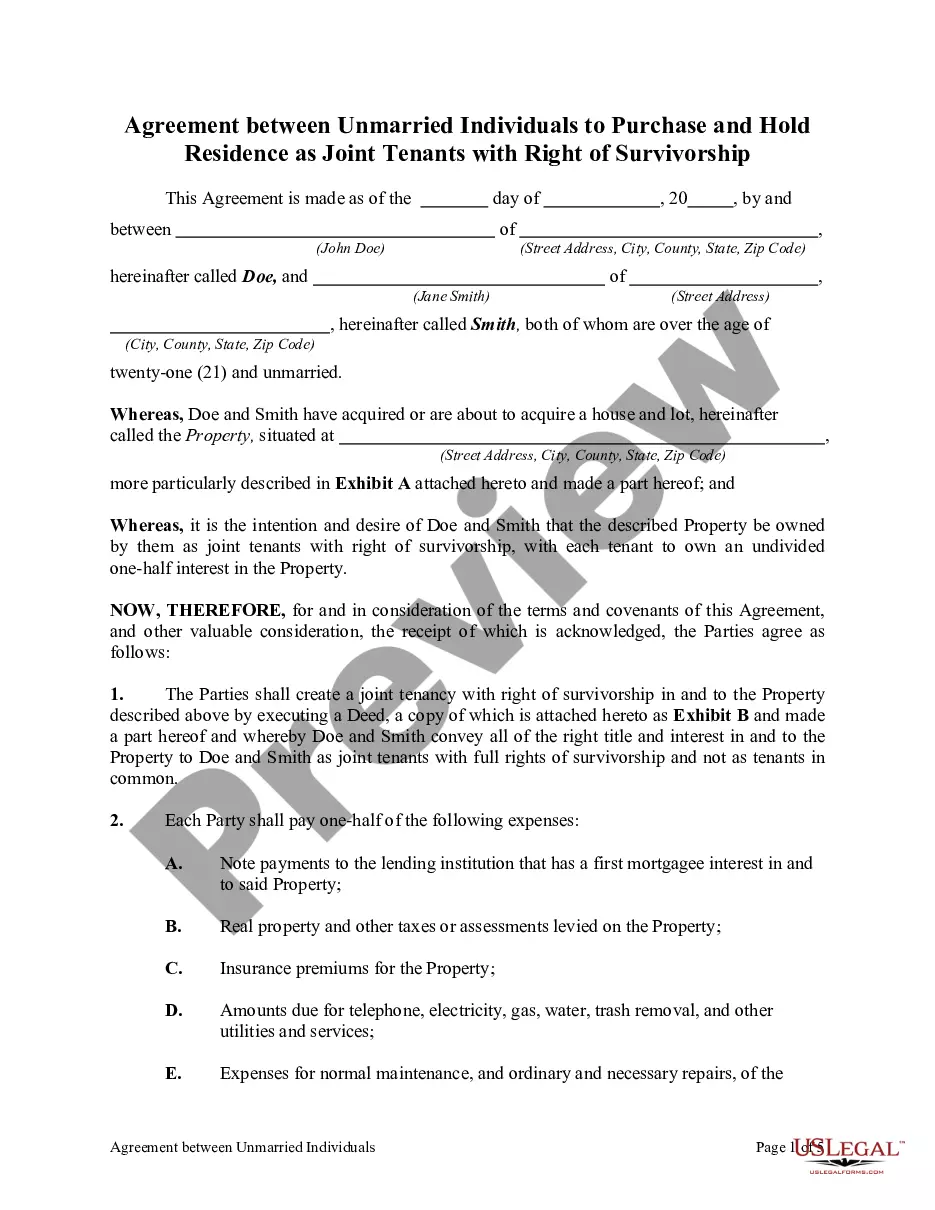
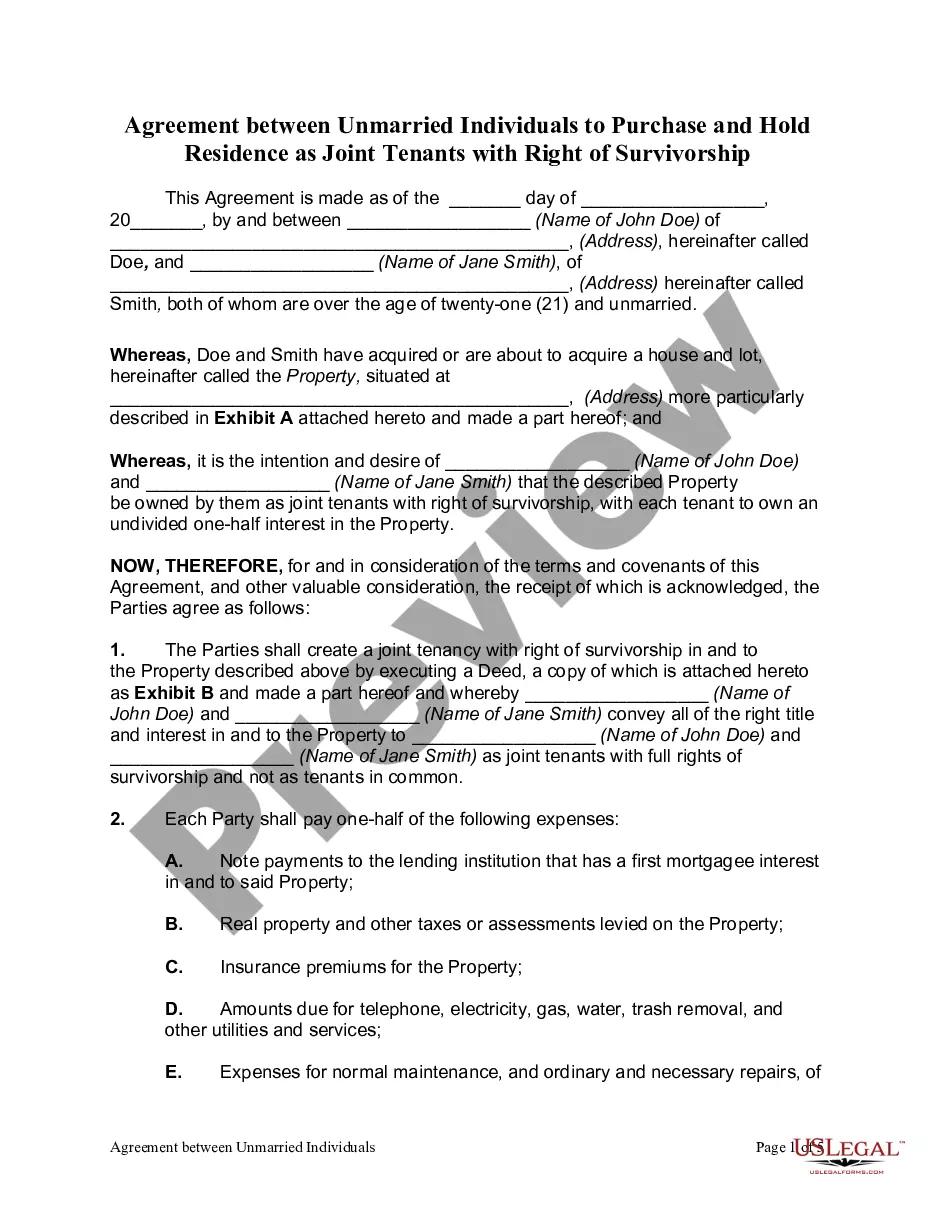
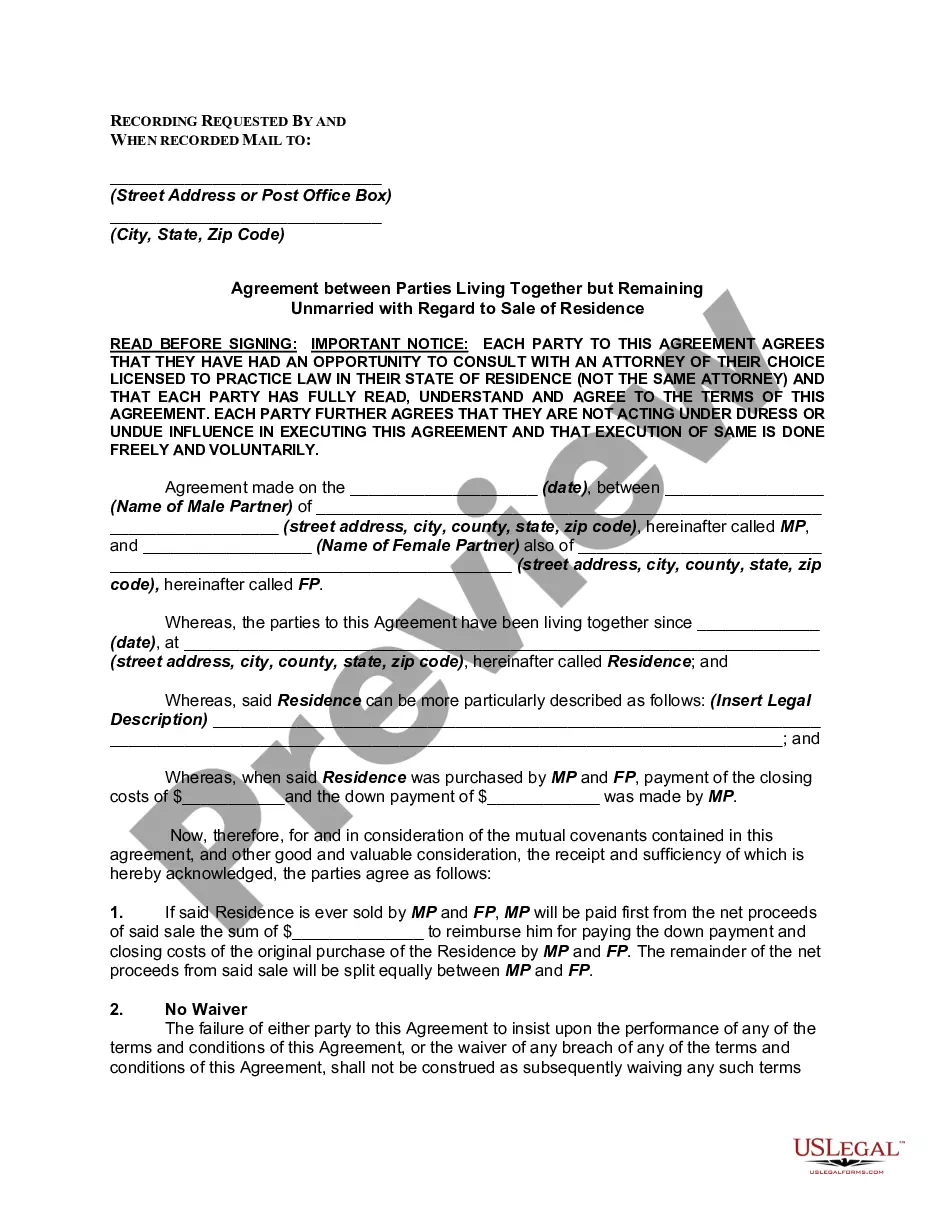
Contracts For Unmarried Couples In Queens
Description

Get your form ready online
Our built-in tools help you complete, sign, share, and store your documents in one place.
Make edits, fill in missing information, and update formatting in US Legal Forms—just like you would in MS Word.
Download a copy, print it, send it by email, or mail it via USPS—whatever works best for your next step.
Sign and collect signatures with our SignNow integration. Send to multiple recipients, set reminders, and more. Go Premium to unlock E-Sign.
If this form requires notarization, complete it online through a secure video call—no need to meet a notary in person or wait for an appointment.
We protect your documents and personal data by following strict security and privacy standards.

Make edits, fill in missing information, and update formatting in US Legal Forms—just like you would in MS Word.

Download a copy, print it, send it by email, or mail it via USPS—whatever works best for your next step.

Sign and collect signatures with our SignNow integration. Send to multiple recipients, set reminders, and more. Go Premium to unlock E-Sign.

If this form requires notarization, complete it online through a secure video call—no need to meet a notary in person or wait for an appointment.

We protect your documents and personal data by following strict security and privacy standards.
Looking for another form?








Form popularity
FAQ
Domestic Partners are persons who are in a long-term, committed relationship, have been in the relationship for at least six months, can provide satisfactory documentation showing they live together and are financially interdependent, and meet the criteria outlined in the Affidavit of Domestic Partnership.
The partners must sign a domestic partnership affidavit at the clerk's office to swear to their residency. Both people are 18 years of age or older. Neither partner is currently married. Neither person is currently in a domestic partnership or has been in another domestic partnership within the last six months.
No. Unless you are married or in a domestic partnership, you do not get any special relationship rights or privileges in the state of New York. Common law marriages are not recognized in New York state, and therefore, unmarried couples do not automatically get rights after cohabiting for a certain amount of time.
If you are including a domestic partner on your coverage, and you have been registered for more than one year, you must submit a Government issued Certificate of Domestic Partnership AND Proof of Joint Ownership issued within the last six months (with both names) such as a mortgage statement, lease agreement, utility ...
You and your partner may register a Domestic Partnership if you meet the following requirements: Both you and your partner are New York City residents or at least one of you is employed by the City of New York on the date of registration. Both persons are 18 years of age or older.
However, domestic partners can file their taxes jointly in New York. This allows the couple to take advantage of some of the benefits that come with filing jointly, but only at the state level.
Yes, under certain circumstances, with a requisite showing of financial interdependence, a domestic partner may be covered under a health insurance family contract in New York. However, the insurer is not obligated to cover a domestic partner. This coverage is permissive, rather than mandatory.
Domestic partners are entitled to bereavement leave and child care leave for City employees. Prison visitation. Domestic partners are entitled to visitation in a City correctional or juvenile detention facility. Hospital visitation.
Contrary to some beliefs, New York State common law marriage is not recognized within the state. This means that couples cannot form a common law marriage in New York regardless of how long they may live together.
New York State does not recognize common-law marriage for relationships established within its borders. This means that regardless of how long a couple lives together or whether they consider themselves married, they will not be considered legally married in New York without a marriage license and a formal ceremony.
