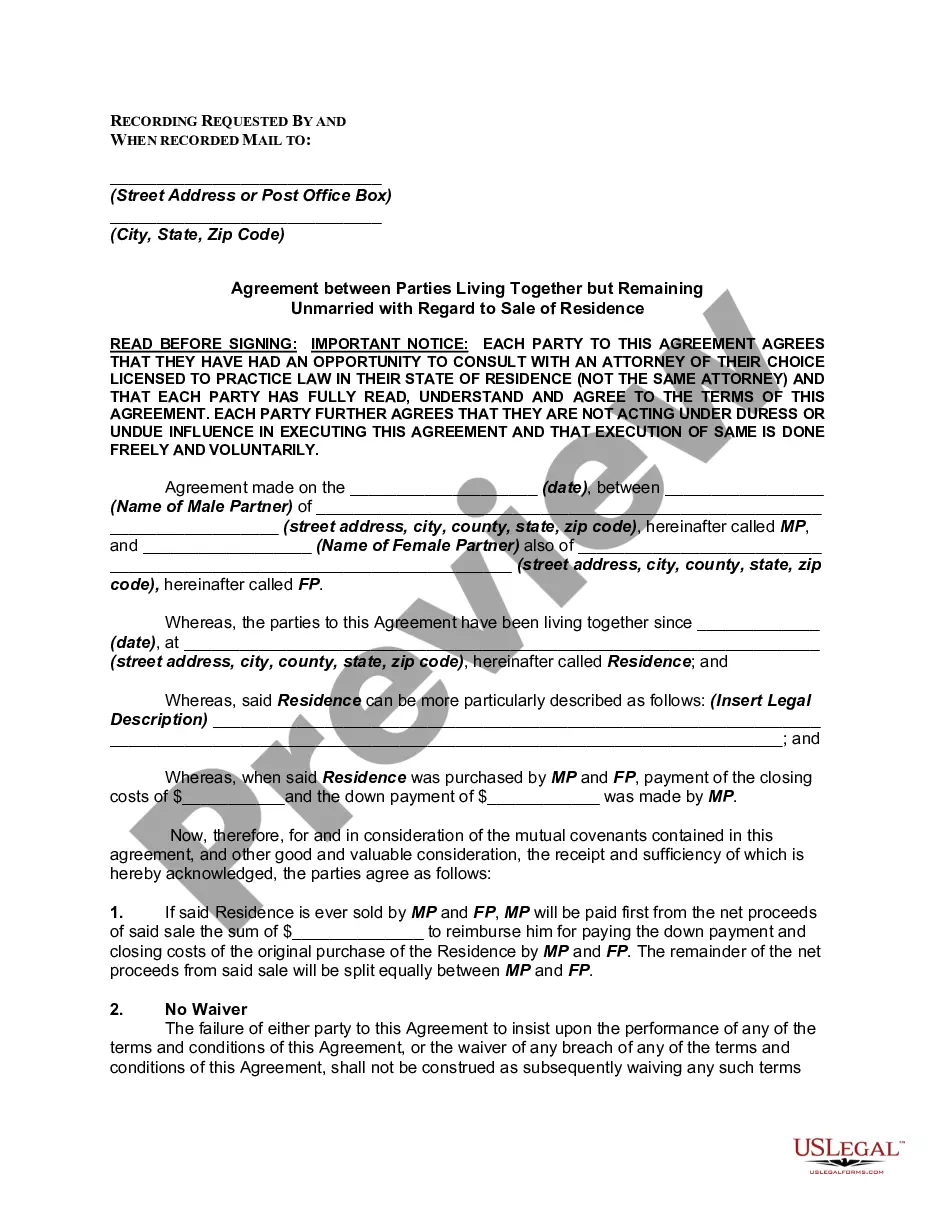
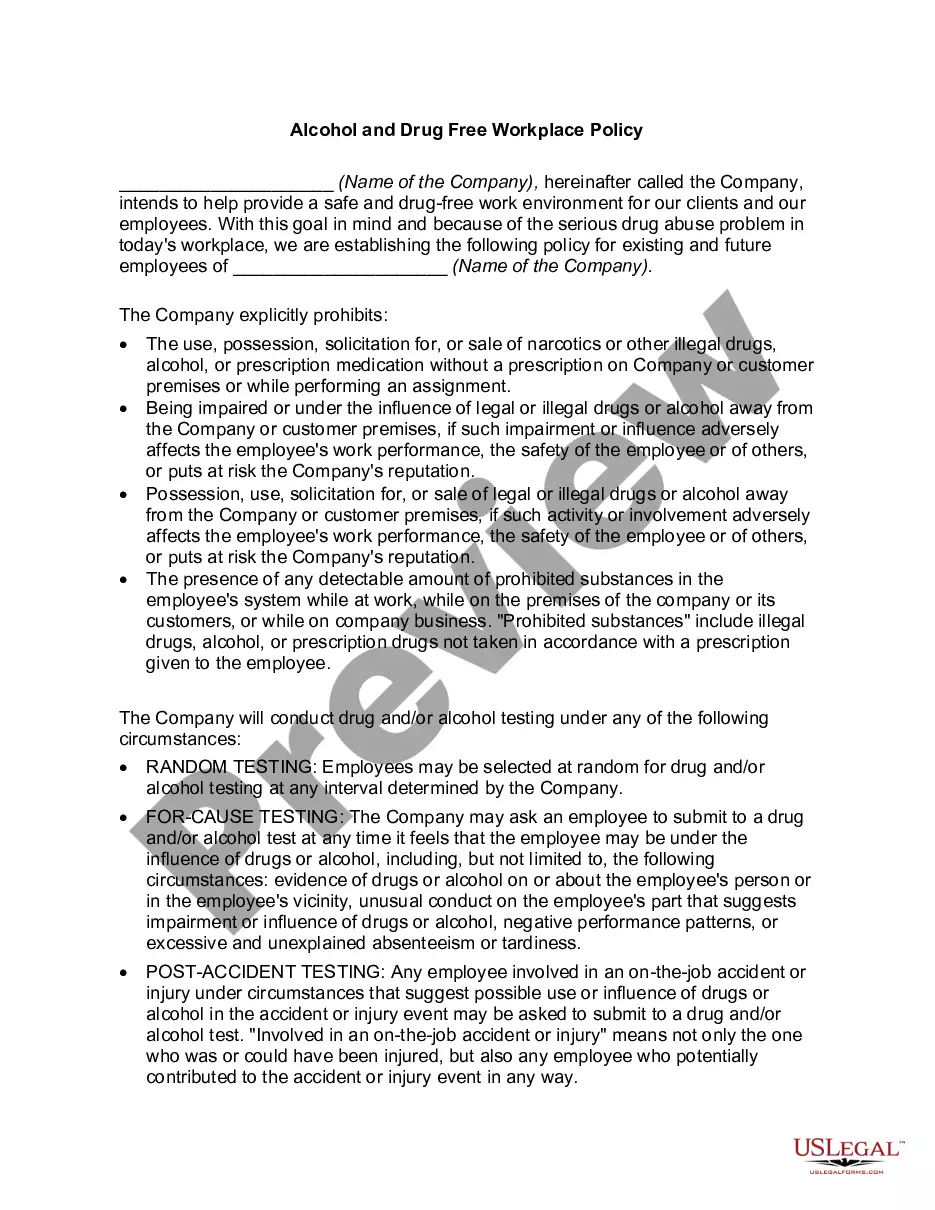
Separation Agreement For Unmarried Couples Template In North Carolina
Description

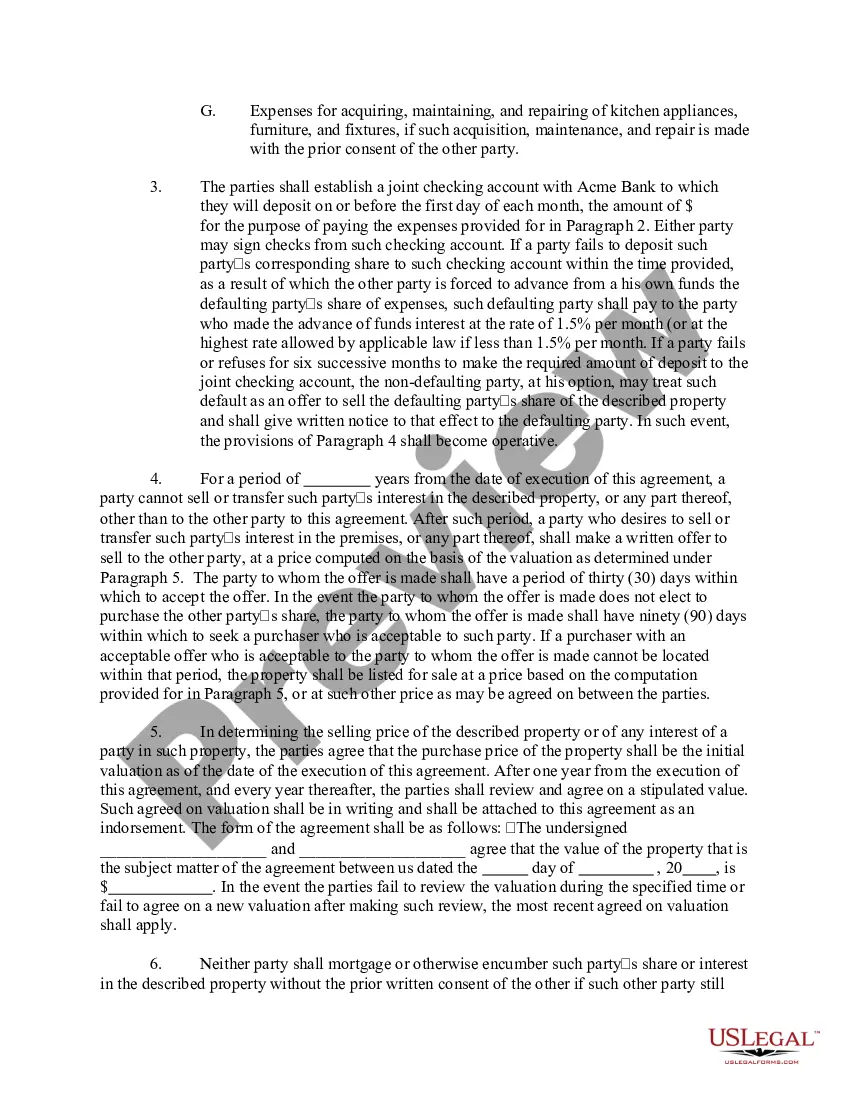
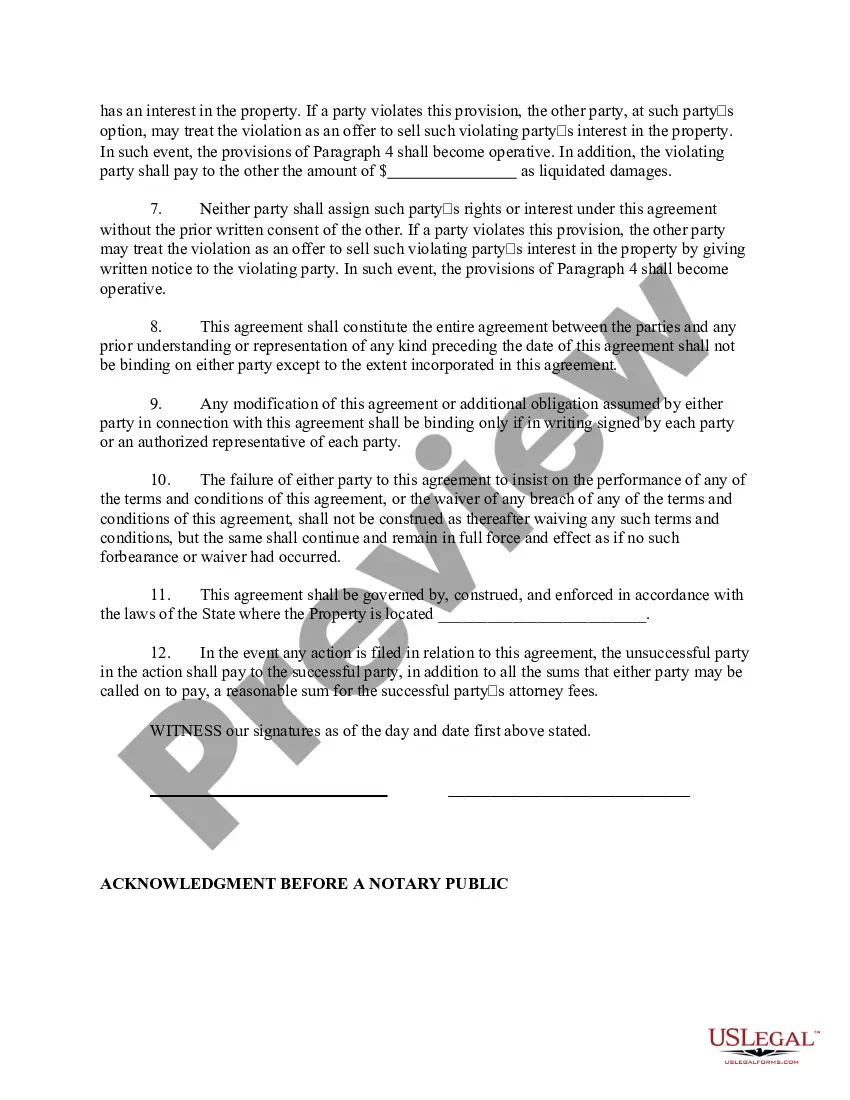
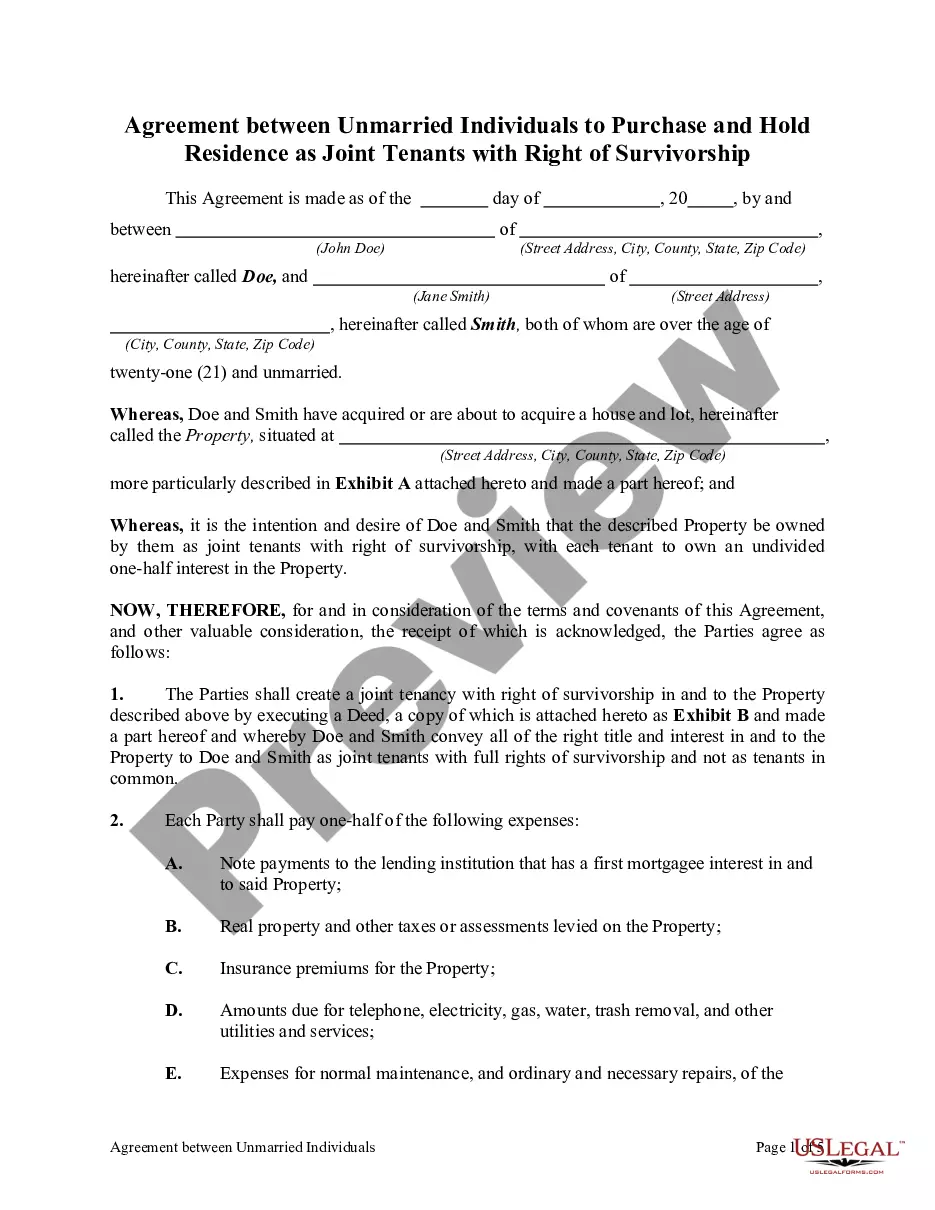
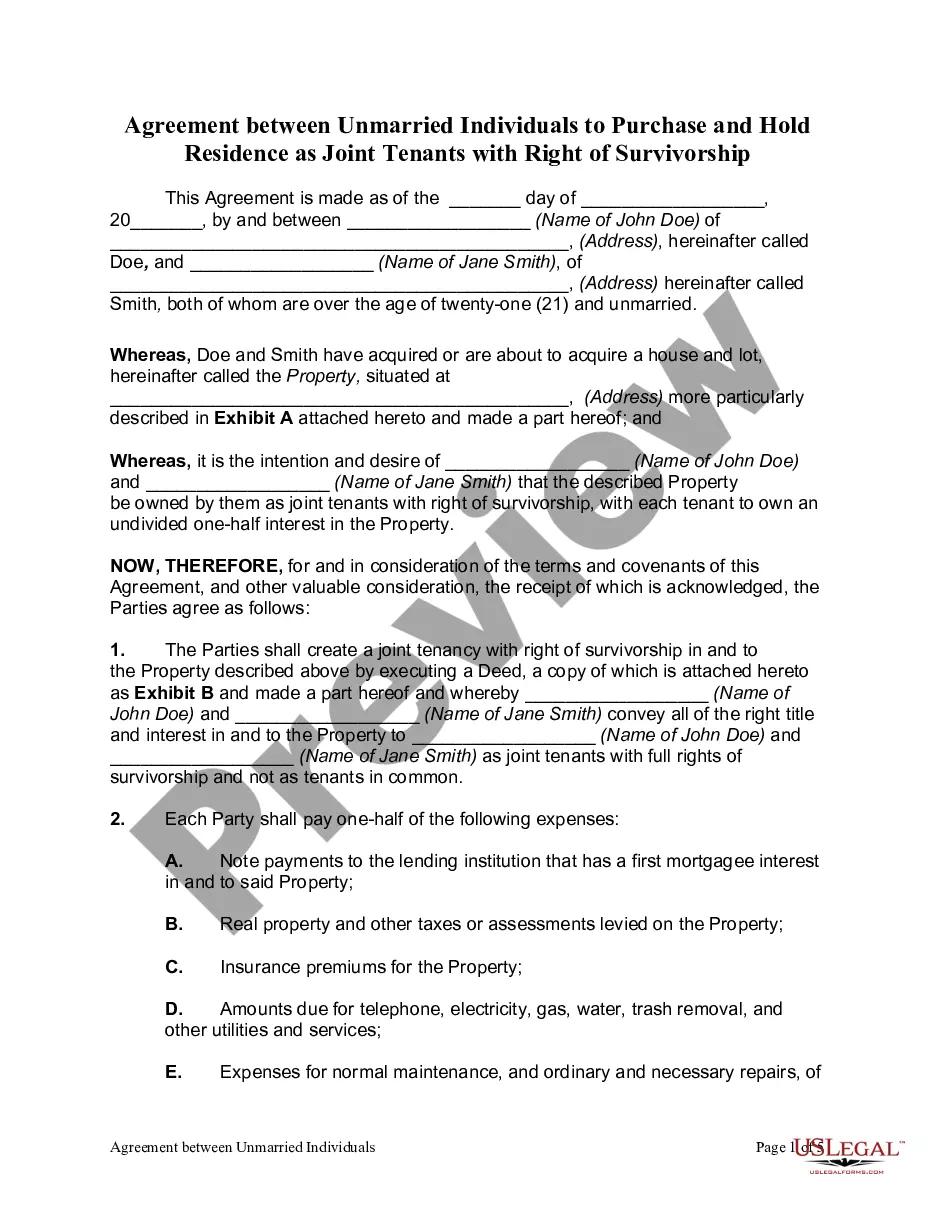
Get your form ready online
Our built-in tools help you complete, sign, share, and store your documents in one place.
Make edits, fill in missing information, and update formatting in US Legal Forms—just like you would in MS Word.
Download a copy, print it, send it by email, or mail it via USPS—whatever works best for your next step.
Sign and collect signatures with our SignNow integration. Send to multiple recipients, set reminders, and more. Go Premium to unlock E-Sign.
If this form requires notarization, complete it online through a secure video call—no need to meet a notary in person or wait for an appointment.
We protect your documents and personal data by following strict security and privacy standards.

Make edits, fill in missing information, and update formatting in US Legal Forms—just like you would in MS Word.

Download a copy, print it, send it by email, or mail it via USPS—whatever works best for your next step.

Sign and collect signatures with our SignNow integration. Send to multiple recipients, set reminders, and more. Go Premium to unlock E-Sign.

If this form requires notarization, complete it online through a secure video call—no need to meet a notary in person or wait for an appointment.

We protect your documents and personal data by following strict security and privacy standards.
Looking for another form?









Form popularity
FAQ
A separation agreement is not valid in North Carolina unless both parties have signed and their signatures are notarized. For it to be valid, the agreement must be signed at or after the parties' separation.
How do we get divorced? One spouse or the other must have resided in North Carolina for at least six months and the parties must have been separated for at least one year with the separation intended to be permanent. When those two requirements have been met, either party may file for an absolute divorce.
Separation does not always mean courts and judges—in fact North Carolina makes it very easy to make an agreement on all of these matters. Simply having a drafted document, notarized and signed may resolve these issues. A separation agreement can be effective especially when you have children and property involved.
A: A separation agreement is a binding legal contract between spouses which temporarily establishes their mutual rights and obligations during the period of separation. It usually covers division of property, responsibility for debts, spousal support, and child custody and child support.
A separation agreement is not valid in North Carolina unless both parties have signed and their signatures are notarized. For it to be valid, the agreement must be signed at or after the parties' separation.
Both parties must agree to the entire Separation Agreement and their signatures must be acknowledged in the presence of a notary public, although both don't have to appear before the notary at the same time, or even use the same notary.
However, no general requirement or law mandates that a contract be notarized in any way to be legally binding.
Separation agreements must be in writing (not verbal), must be signed by both parties, and both signatures must be notarized. Can a separation agreement include decisions about child custody and child support? Yes, you can include provisions about child custody and child support in a separation agreement.
There are no particular legal rights that individuals accrue by cohabitating. However, the lack of marriage does not negate a parent's obligation to care for their child. Parents have a legal obligation to support their children until they turn 18, and custody decisions will depend on what's best for each child.